One of the most frustrating parts of running an independent record label is how much time you spend on promotion before anyone actually hears the music. Finding creators who might connect with a new release, researching their audiences, tracking down contact information, negotiating rates, and coordinating posts can consume an unreasonable amount of time, especially when you’re working with a small team and trying to give each release the attention it deserves.
And even after all that work, there’s still the question of whether any of those posts actually introduced the music to people who wanted to hear it again.
I’ve written extensively about how music marketing has changed over the past few years, and creator campaigns remain one of the more difficult areas to manage consistently. Paying somebody with a large following to post a clip might generate views, but those numbers don’t automatically translate into listeners, followers, or people who purchase the music.
Finding creators whose existing audiences are interested in the style of music you’re promoting is far more important, and doing that research manually can become a full-time job.
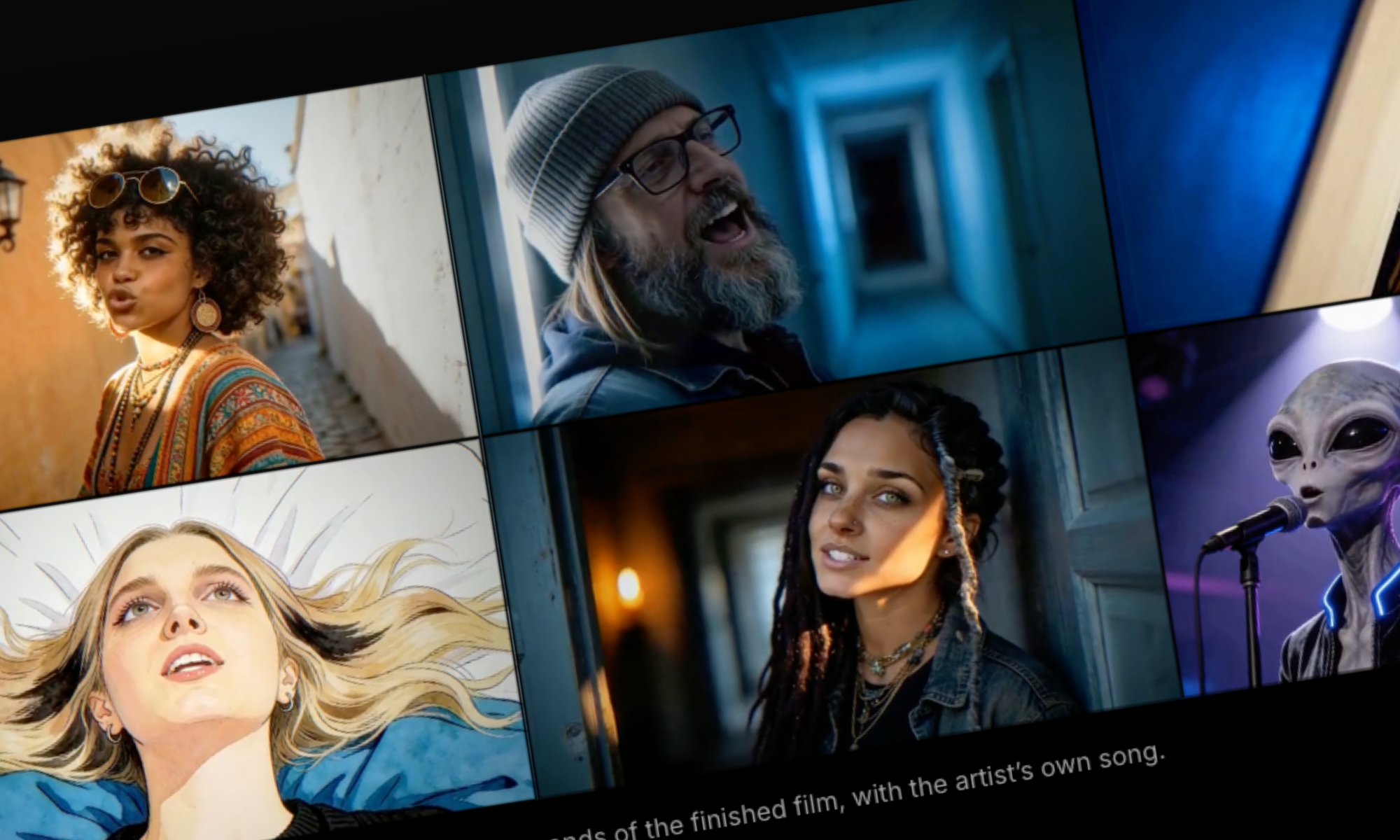
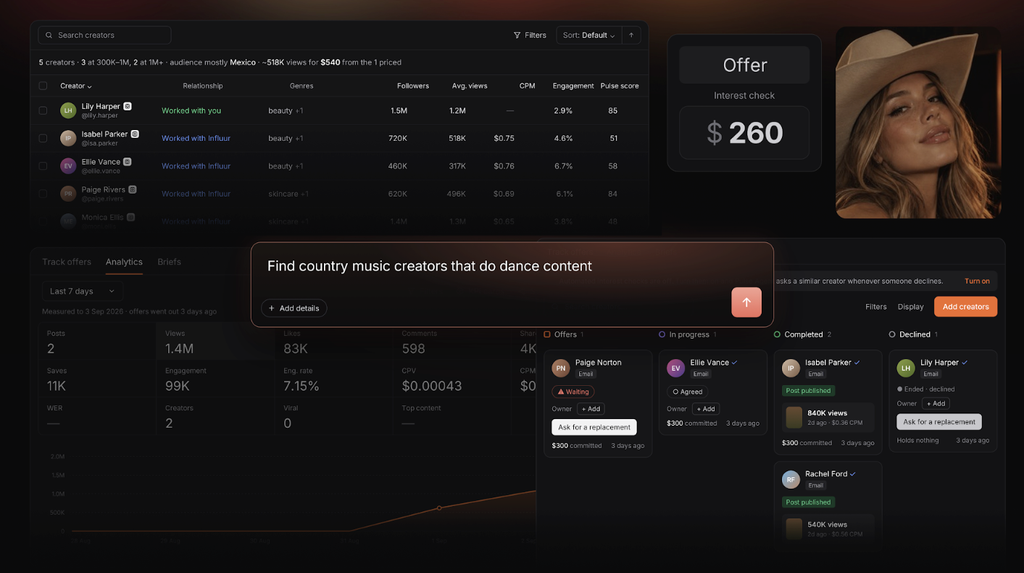
Influur has introduced Pulse 2.0, an updated AI-powered music promotion platform that attempts to automate much of that process. Released November 11, 2026, the software helps artists and labels develop creator campaigns from a written description of their objectives, then manages the subsequent research, outreach, negotiations, scheduling, payments, and reporting.
The interesting question is whether automating those responsibilities can make creator marketing financially accessible to smaller labels without sacrificing the human judgment that determines whether a campaign actually connects with an audience.
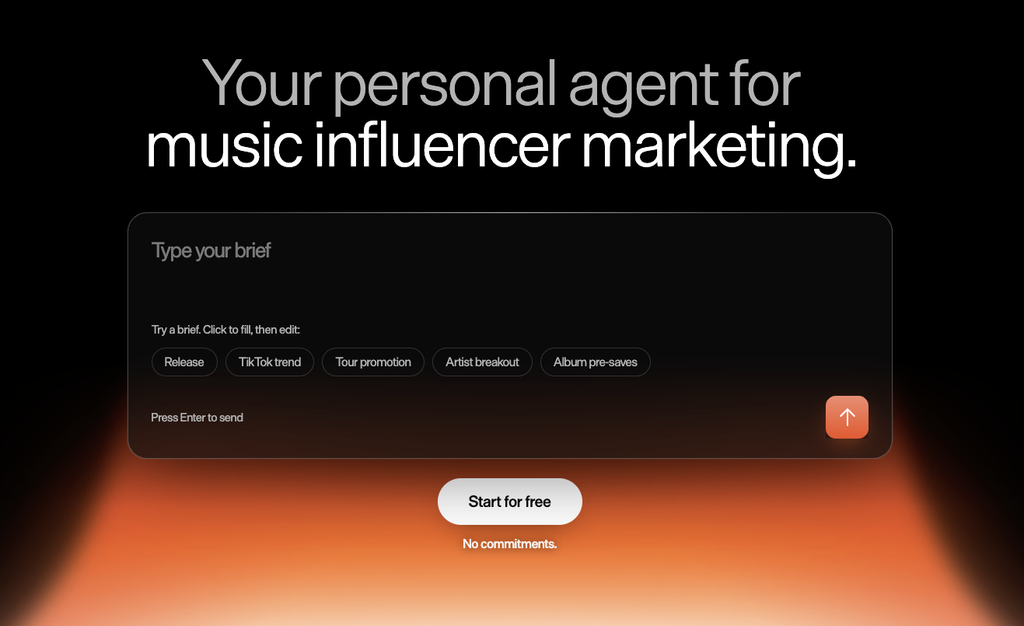
Pulse 2.0 Can Build a Creator Campaign From a Written Brief
The starting point is relatively straightforward. Instead of manually searching Instagram and TikTok for potential collaborators, users describe the release, intended audience, desired creator type, and available budget. Pulse analyzes that information and develops a proposed campaign, including potential creators, estimated fees, and recommendations on how to allocate the budget.
For example, an independent house label might want to find creators in the United States who regularly post DJ performances, music discovery videos, or club-related content, with a total promotional budget of $1,000. The platform is designed to identify accounts that align with those requirements, evaluate their historical engagement, and propose a campaign that fits the available spending.
Influur has developed a proprietary ranking system called PulseScore, which evaluates creators using information such as engagement, previous campaign performance, and audience characteristics.
According to the company, its database contains over 70,000 creators, including contact details and historical rates, giving the software information to work with beyond public follower counts.
I made a related argument in my 2026 article on building a fan base for your music, particularly when discussing why influencer marketing works best when it supports an audience that’s already responding to a release. The goal should be finding people who have a credible reason to introduce the music to their followers, rather than purchasing attention simply because it’s available.
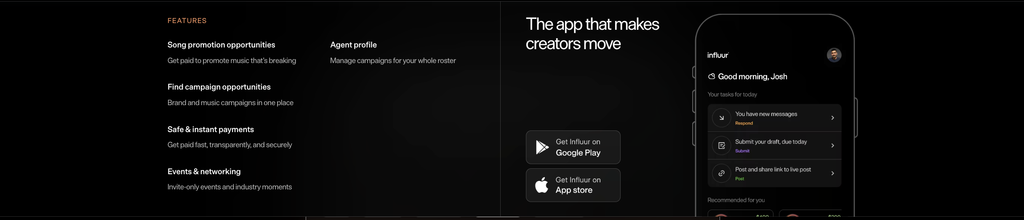
A Landon Barker Campaign Shows What Influur Is Trying to Accomplish
Influur has provided a recent campaign involving Landon Barker’s “If I Ever Talk To God” as an example of its approach. The track had already attracted attention on TikTok, and the company worked with a selection of US-based creators whose existing content aligned with the ways listeners were using the audio.
Rather than encouraging every creator to follow an identical format, the campaign focused on relatively informal videos consistent with the content those accounts already produced. The selection included established creators alongside smaller accounts with engaged audiences.
Influur reports that the campaign generated approximately eight million views across 20 participating creators, with an engagement rate of 9.3% and a reported cost per engagement of three cents. Several participating posts also appeared among the song’s better-performing uses on TikTok.
I explored that relationship in our discussion of music marketing campaigns in 2026, where industry professionals described how creator partnerships, fan communities, and short-form video can reinforce activity that’s already happening around an artist.
The strongest campaigns often begin with an understanding of the audience rather than an attempt to create one through paid content alone.
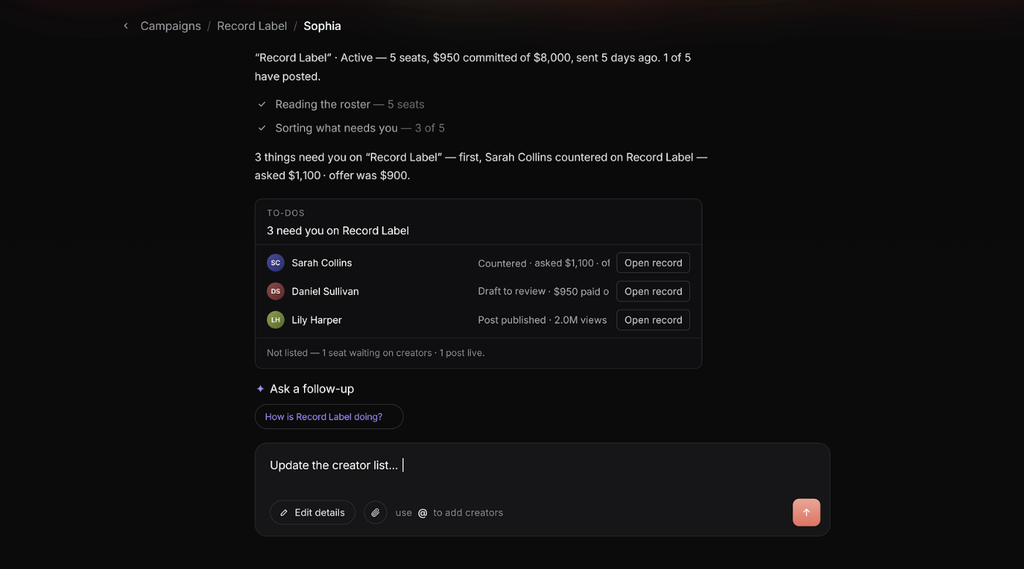
Can Pulse 2.0 Make Influencer Marketing Work for Smaller Labels?
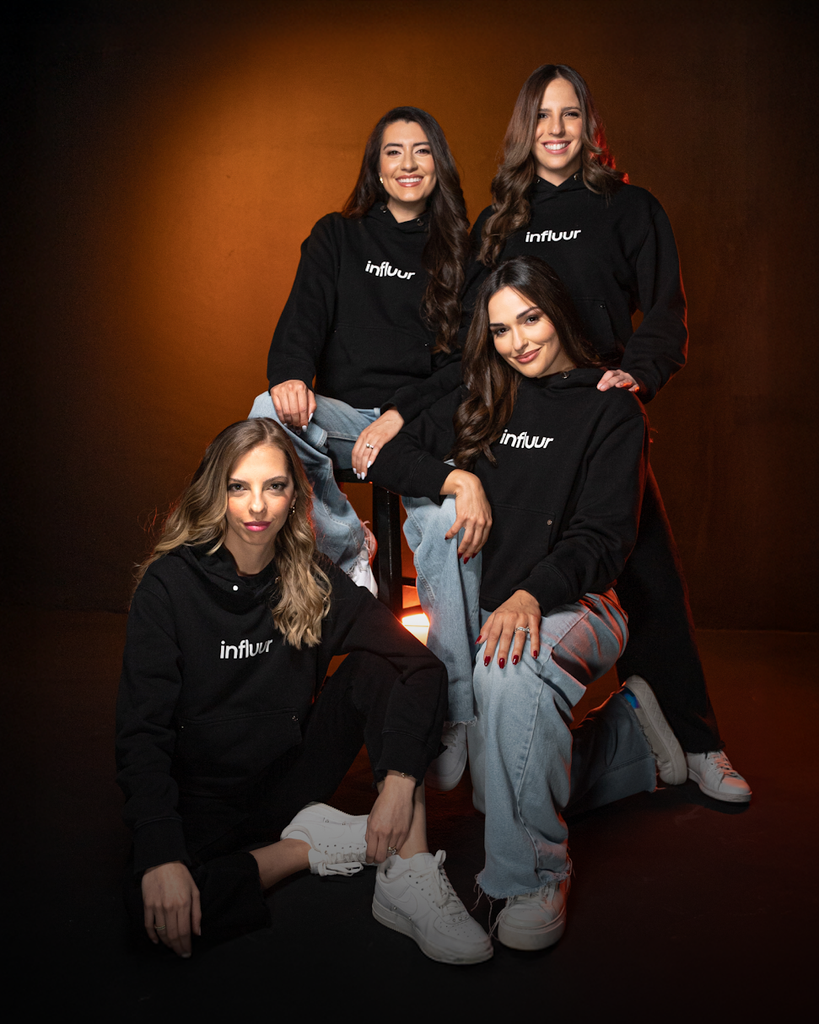
Influur was founded by Alessandra Angelini, Valeria Angelini, Paula Coleman, and Fefi Oliveira, and initially concentrated on connecting brands with creators. The company subsequently expanded into music promotion, drawing on its existing relationships and payment data to develop more automated marketing services.
The company reports raising $10 million in Series A funding and facilitating approximately $76.8 million in campaigns, generating nearly two billion views across its broader business. Those figures provide context for the amount of historical campaign information available to its software, although they shouldn’t be interpreted as verified results from Pulse 2.0 alone.
A service that could accurately identify relevant creators, provide realistic pricing, and organize those relationships would address a genuine administrative problem. But the financial details are essential. A $500 campaign and a $5,000 campaign require considerably different expectations, and the cost of accessing the platform itself needs to be considered alongside the money paid to creators.
I also think it’s important to keep the distinction between automating promotion and developing an artist’s identity. Software can analyze audiences, organize communications, and recommend people to contact, but the music still needs a clear reason for somebody to listen. An influencer campaign can introduce a release to potential fans, although it cannot guarantee that those people will connect with the artist.
That’s consistent with the approach I’ve recommended in my breakdown of music marketing plans for 2026, where the relationship between discovery, listener conversion, and longer-term engagement is more important than generating isolated promotional metrics.
Whether it actually produces better results will depend on creator selection, campaign costs, audience compatibility, and the quality of the reporting. I’d be particularly interested in testing it against a real label release to see how its recommendations compare with the contacts and promotional methods we’re already using.
Learn more about Influur Pulse or read the company’s original Pulse announcement.

Will Vance is a professional music producer who has been involved in the industry for the better part of a decade and has been the managing editor at Magnetic Magazine since mid-2022. In that time period, he has published thousands of articles on music production, industry think pieces and educational articles about the music industry. Over the last decade as a professional music producer, Will Vance has also ran multiple successful and highly respected record labels in the industry, including Where The Heart Is Records as well as having launched a new label with a focus on community through Magnetic Magazine. When not running these labels or producing his own music, Vance is likely writing for other top industry sites like Waves or the Hyperbits Masterclass or working on his upcoming book on mindfulness in music production. On the rare chance he's not thinking about music production, he's probably running a game of Dungeons and Dragons with his friends which he has been the dungeon master for for many years.