Remember when Music Marketing meant a poster campaign, a radio ad, and crossing your fingers? Yeah, neither do most people reading this. The rulebook for breaking an artist has been rewritten so many times in the last few years that “the playbook” is really more of a scrapbook now — bits torn out, taped back in, doodled on by whoever got there first with the best idea.
And 2026 has been a genuinely fascinating year to watch it happen. UGC isn’t a “nice to have” bolted onto a campaign anymore — for some teams, it is the campaign, built around a sound, a meme format, or a 15-second moment designed to be remixed a thousand times before the song even has an official video. Sync placements are being planned earlier and more strategically than ever, not as an afterthought once the track’s already out. Influencer partnerships have matured from “pay someone to dance to the chorus” into genuinely creative collaborations.
Fan channels — Discords, close friends stories, SMS lists, you name it — are quietly becoming some of the most valuable real estate an artist owns. And direct-to-fan relationships, built on trust rather than algorithms, are proving that owning your audience beats renting it every single time.
The teams getting this right understand their fans, move fast, and aren’t afraid to try something a bit weird if it might actually land.
So we asked around. We dug through campaigns that stopped us mid-scroll, talked to the managers and marketers behind them, and pulled together the strategies actually working right now — not the theory, the real stuff. Here’s what the best in the business have been getting right this year, and what you can steal (respectfully) for your own campaigns.
SYNC PLACEMENTS..
SYNC continues to play a strong part in the landscape of breaking an artist in 2026. Beyond the obvious financial rewards of a sync feature, it’s important that labels and artists understand the advantage in capitalising on the momentum. Placements secured halfway across the world, can be a lit-fuse to world tours or a new fanbase you didn’t think you could ever achieve.
We spoke to Harrison Jones from The Other Songs..
about how a sync in Japan led the push for Toast Club. A groovin’ melting pot of jazz fusion, disco, yacht rock and more, with lyrics about airports and aeroplanes. Here’s how The Other Songs acted on the initial momentum they saw..
How did you create a campaign that engaged with a key audience?
We made sure we were standing out visually within our niche and used a solid advertising strategy to make the most of an international sync opportunity.
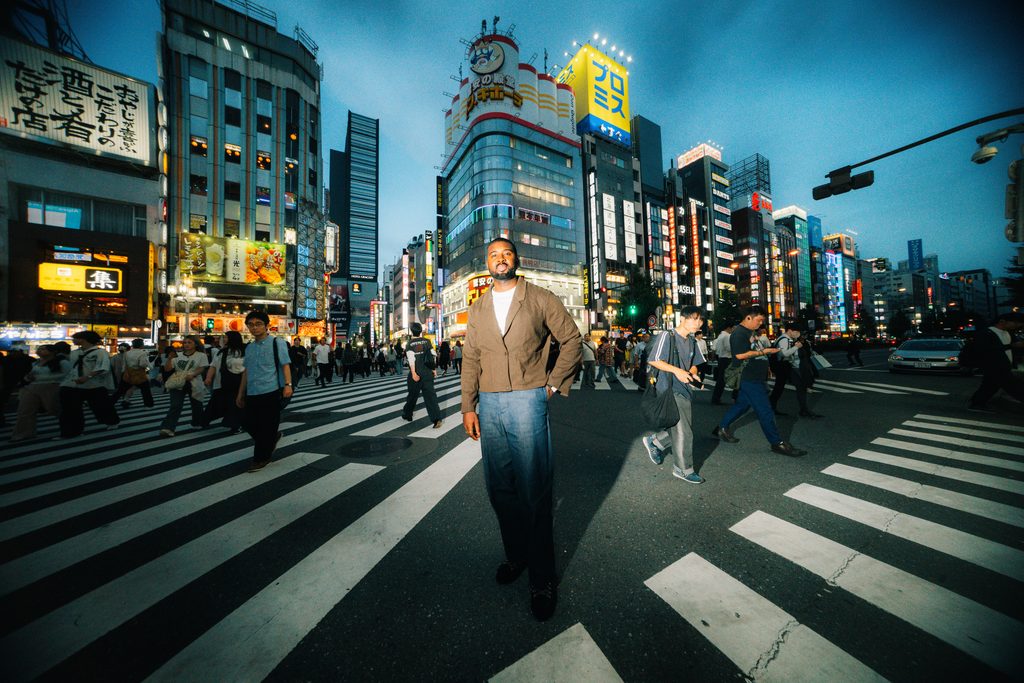
Toast Club’s “Cafe Pacific” was featured on a TV show in Japan on their national broadcaster, essentially their equivalent of the BBC. We saw a spark overnight and doubled down on it through both organic and paid social.
Last month, Toast Club played a sold-out headline show in Tokyo, alongside a sold-out record store signing and tonnes of local press, TV and radio, including an interview with Rolling Stone Japan.
We’ve also seen excellent DSP support from Japan since the push, and it is now our second biggest streaming market.
What specific tools, marketing software, social platforms or otherwise were key to this, if any?
Meta Ads, used correctly. And an ace creative team and videographer. Big up JJKory!
What was your key takeaway that other artists/labels can look to?
“Own your niche. Make sure you’re posting and spending strategically whenever you see a spark”
SYNC Placements often come unexpected.. You can find yourself with little warning when something like this comes off and have to act quickly to capitalise on an opportunity. Laurie Lee from Wednesday MGMT, had to move quickly when The Beaches were placed on “Off Campus” via Amazon Prime..
How did you create a campaign that engaged with a key audience?
“Edge of the Earth” was synced into Prime Video’s Off Campus, and then the whole game was connecting the song back to the band as fast as possible. So we flooded TikTok and Reels with show-specific content, and the band leaned all the way in, calling out the show from the stage, which we’d edit straight into TikToks. That’s what closed the loop. Hundreds of millions of views across platforms, Instagram up over 200K, and monthly listeners went from 1.7 million to 7 million.
What specific tools, platforms, or software were key?
Honestly TikTok and Reels did the heavy lifting (the sync was just the spark). Spotify was where we watched it actually land in real time, followers per day, super-fan growth, and we leaned on streaming and social analytics to call when to push paid spend versus just let it ride.
Key takeaway for other artists/labels?
A sync is a spark, not a strategy. The placement gets you the attention, but the wins come from having a plan ready to convert it the second it hits. Speed plus discipline (and a band willing to lean in).
UGC & REACTING TO A VIRAL MOMENT..
Ever since the infamous clips of Geese and their burner account Psy-op was a, sort of industry clutching of pearls moment.. There’s been a lot of conversation around burner accounts and “content seeding”.. Is there something, morally wrong about this or, done correctly, can this be a genius way of achieving “Spread”
Crucially, does this kind of approach actually yield results in terms of fans.. streams, and genuine engagement or, are we all just feeding the never ending slop of the dead-internet world..
We spoke to some marketing teams who have took a hold of this strategy.. Starting with Los Angeles-based DJ and producer GUDFELLA, represented in this instance by Esmeralda Ortega-Pham, from Thrive Music. His groove-forward approach has not only captured a massive audience but also inspired innovative, community-focused marketing strategies. In this interview, we dive into how he and his team successfully bridged the gap between dance music culture and lifestyle trends
“If your song is having a moment, you have to act like the world is on fire and react as fast as you can.” – Esmarelda Ortega-Pham, Thrive music
Explain in a sentence or two your artist(s) and the they make – a quick elevator pitch for your artist
The Philippines-born, Los Angeles-based DJ and producer, GUDFELLA, has amassed over 115 million global streams while performing at world-renowned stages, including Lollapalooza, DoLab at Coachella, Club Space, and Brooklyn Mirage. His acclaimed debut EP Galleria, along with standout singles like ‘Feel This Way’ (feat. Bipolar Sunshine), ‘Afties’ (with Très Mortimer), and ‘Sunny’ (with Disco Lines), have helped define his groove-forward approach to modern house music.
How did you create a campaign that engaged with a key audience?
We noticed most of the UGC videos focused around lifestyle summer content, predominantly female creators. With that in mind, we made sure to engage creators with adjacent topics like “chic aesthetic”, “euro summer”, and “Coachella”. Coachella was a big one because not only was it dance music fans, but also gen pop, which meant we could capture a wider audience while also bringing in awareness to GUDFELLA, who played the DoLab this year himself.
Aside from creators and media attention, we did a meet and greet tour ticket + coffee machine giveaway! It related to the song in a fun way, while also driving up saves on the release. Great way to engage with super fans, who got early access to the giveaway via mailing lists.
What specific tools, marketing software, social platforms or otherwise were key to this, if any?
Our main social platforms were Instagram and TikTok. We independently reached out to creators and creator management groups, mainly for TikTok. For ads, we ran directly through Meta and TikTok Ads. On occasion, we’d use Co:Brand!
What was your key takeaway that other artists/ labels can look to?
If your song is having a moment, you have to act like the world is on fire and react as fast as you can. There were moments in the campaign where something would lag and wouldn’t feel like it packed as much punch a week later. Things have to be timely and you should maximize every angle, whether it’s through remixes, merch, popup events, etc. And don’t forget about the fans!!
DIVING IN TO AN AUDIENCE “LORE”
With the vastness of the internet becoming an all-encompassing beast.. Artists and label teams increasingly look to create and engage with the “lore” around an artist. For those of you below the age of 40 who, probably don’t understand lore or.. really anything kids say these days. This is an internet term for, the “world around the artist” or the, backstory and narrative surrounding a project.
So.. the lore around Derrick May. Is detroit, techno. The Belleville three.
One artist who has an increidbly deep lore is Julia Wolf, who had a viral hit this year with “In My Room” – a moody indie banger which was driven by her unique character and a wildly dedicated fanbase.. We spoke to Eloise Jasmine from TikTok promotion agency Different Sauce/ Double Sauce Digital about the campaign and how they promoted the song to distinct audiences..
“Think about the sattelite worlds around your artist.. Don’t just focus on “lets make lots of music videos and artist clips” – think about, what would a fan of my music ALSO enjoy.”
Explain in a sentence or two your artist(s) and the they make – a quick elevator pitch for your artist
Julia Wolf, is the epitome of sad girl chic. “In My Room” is the modern anthem for girls who prefer winter.. feel more at home in silence and have a serious dedication to their online sad-girl communities..
How did you create a campaign that engaged with a key audience?
We would love to take credit for the audience and brand alignment here.. But the truth is, Julia has had a strong connection with Twilight and Twilight fandom for years. This track, was in fact even written inspired by the films and Julia, even sold out a tour date in the house where the Bella (the main character) grew up.
It was just a case of throwing endless oil on that fire. Edits, fan Q+A content, seeding Twilight news and really enaging with that fanbase.. all using Julia’s music, quickly spiralled and became one of the most viral songs of the past few years. By the end of the campaign, there was over 5 million uses of the sound, a viral trend and over 231 million streams.
What specific tools, marketing software, social platforms or otherwise were key to this, if any?
Obviously TikTok was the home of all this – but some useful editing tools outside of CapCut – Kashie – is a really effective way to quickly deliver edits at scale..
What was your key takeaway that other artists/ labels can look to?
Think about the sattelite worlds around your artist.. Don’t just focus on “lets make lots of music videos and artist clips” – think about, what would a fan of my music ALSO enjoy. Think Sports, films, edits, clips and other parallel content to your audience.
THE INDEPENDENT ADVANTAGE
It can often seem like, when reading articles (like this one) or attending music industry conferences – It’s the ones with money that actually have the ability to be creative. It’s pretty easy when you’re Atlantic Records and you’ve signed Charli XCX – to run a million pound avertising campaign, partner with the biggest brands in the world and set up the wildest event pop ups all while making it seem.. DIY.
It’s easy for independent artist to sneer at this sort of thing and just think. They can, because they have the money to. But there are artists out there who genuinely do creative things on a budget. Take Sound of Fractures, an artist we’ve covered before for his creative approach which included making a game for his audience and creating fan tokens and unique fan experiences
“Create moments people hold onto, so that amongst all the millions of songs and all the content, your music is attached to something that mattered, in a moment that mattered. “
How did you create a campaign that engaged with a key audience?
The project runs across a few different components, an EP, a live experience, and an online platform. They’re joined by a single thread that starts with the music, which contains samples of people sharing personal memories, and leads into the live event, which is part exhibition, part live show, part immersive art space. Everything in the space is designed to create meaningful connection between people. The artworks are built from archive footage, phone footage and memories. There are memory questions on the walls and screens that encourage people to reflect internally, and we hand out conversation cards to get people sharing music memories and stickers to help with introductions, all things designed to close the space between the people who are there.
We’re designing a space for connection, and that’s the thread running through the music and every other element. It’s about reminding people of the things that matter most to them, stepping away from social media, and reconnecting emotionally in a deeper, more meaningful way. Alone Together is a container for meaning making.
What specific tools, marketing software, social platforms or otherwise were key to this, if any?
Substack has been the most important, it’s where I write honestly about why the project exists, and that slower, more personal writing is where the real buy-in happens. Instagram for reach and the story-led build-up. Luma for ticketing and check-in, which also gave us the attendee data that became our proof of concept. But the tool that mattered most was word of mouth. People shared the songs and the events in conversation, “this sounds like you,” passed to a friend, which travels further than any ad. Honestly, social platforms aren’t really built for the kind of connection I’m chasing, they curate who we reach based on their own commercial interests, so a lot of the work was about creating spaces, online and in real life, designed for the goal I actually wanted rather than the one the platform wants.
What was your key takeaway that other artists and labels can look to?
That creating meaningful experiences for your audience is the most valuable thing you can do right now. Not just for them, but for you too. In a world where everything feels fleeting and shallow, where everyone is fighting for visibility on algorithmically driven platforms, the things that carry meaning are, for me, the most important. Things that live with people over time. Things they talk about with others. Things they hold in their hearts.
They give me value as an artist, and they bring more people into the circle around the work.. which is more than just music, its a world around the music.
So create moments people hold onto, so that amongst all the millions of songs and all the content, your music is attached to something that mattered, in a moment that mattered. That’s what music is really about. It has a special relationship with memory and connection, and that’s the thing we should be reminding people of.
CROSSING CULTURES AND LANGUAGES
The music industry is – ever becoming a global beast. We now see artists finding an audience half way across the world, based on one viral video that somehow, eratically – caught fire in, Indonesia.. For example.
With this global reach at your fingertips, it’s important for artists and label teams to be flexible andf adapt to different languages and cultures. with Maryze, bilingual alt-pop artist based between Montreal and Los Angeles – Sarah Armitento from Hot Tramp MGMT – Embraced working with key influncers instead of the traditional PR route, achieving over 1 millions streams globally.
How did you create a campaign that engaged with a key audience?
Traditional press pitching is tough for emerging artists where the cost of a publicist rarely justifies the return at this stage. Since Maryze is a very online artist, we lean into her own social channels as the primary promotional engine, both in the lead-up to a release and after it drops. On release day itself, instead of chasing a press premiere, we partner with influencer accounts that actually fit the feel of the track. For SHY PRTY GRL we went with Indie Sleaze which matched the vibe perfectly and put the song directly in front of the right people.
What specific tools, marketing software, social platforms or otherwise were key to this, if any?
Key social platforms for Maryze are Instagram,TikTok, and YouTube where we always release some sort of visual accompaniement whether it is a looping visualizer or a full music video
What was your key takeaway that other artists/ labels can look to?
If you’re independent and working without big label budgets, skip the publicist, at least early on. Put that money back into the project and get creative with grassroots promotion instead. Lean into whatever feels natural: if you’re good on socials, use them. If you’re not, a newsletter or direct fan communication can work just as well. The goal is building a real connection with an audience that actually cares, rather than spending $5k+ chasing a mention on an outlet that might not move the needle anyway.