Spend enough years producing music and you’ll probably accumulate equipment that was purchased for a specific project, recording technique, or problem you needed to solve. Some of it becomes essential to your process, while other pieces gradually stop getting used. The difficult part is deciding which equipment deserves a permanent place in the studio and which can be replaced by something that makes the day-to-day recording process easier.
Mark “TIEKS” Tieku has a fairly direct approach to that question…
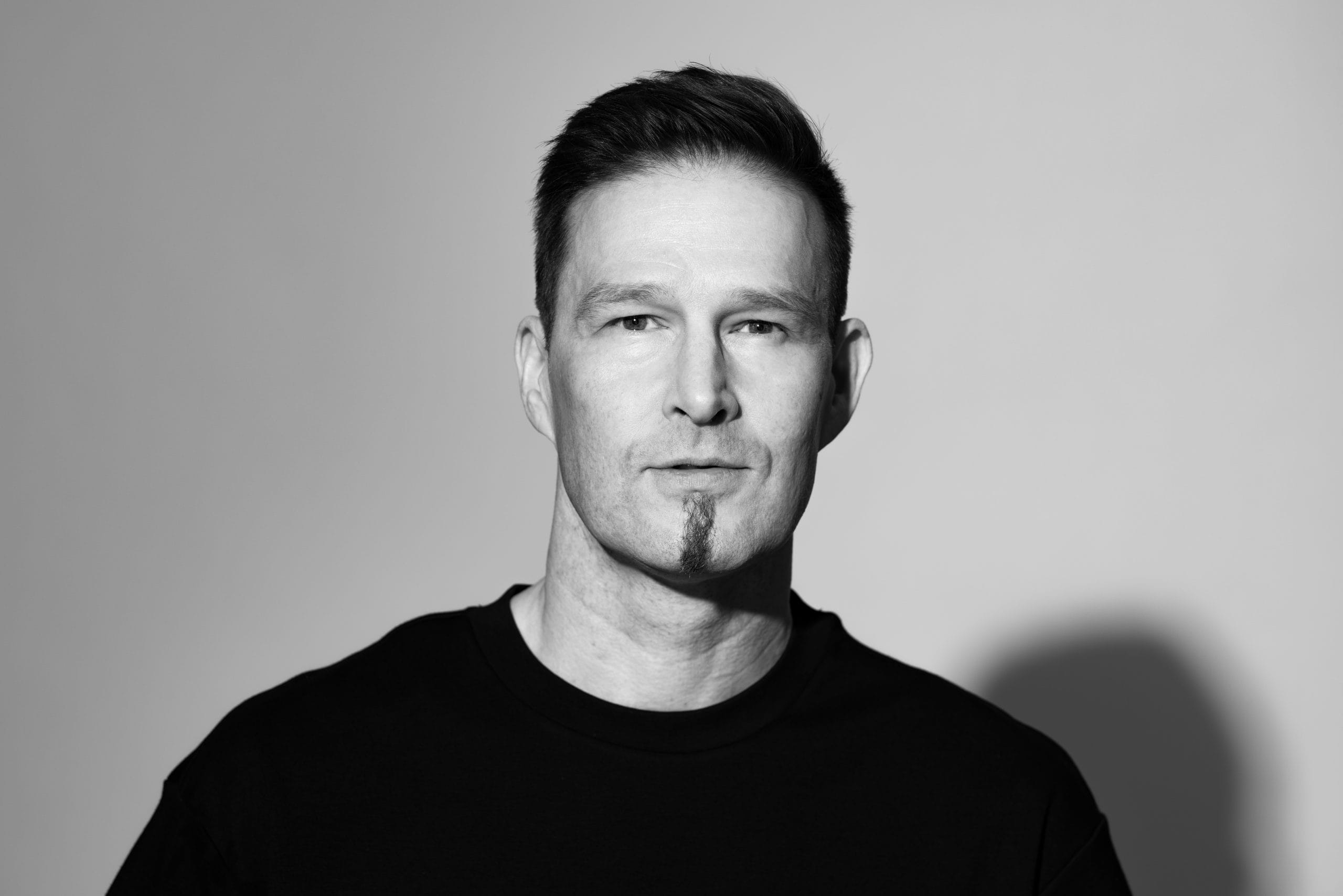
The British producer and mixer, whose credits include Jax Jones, Chaka Khan, and Jess Glynne, has spent his career working through the transition from analog recording to computer-based production. He’s worked with tape machines, traditional mixing consoles, and established producers including Mike Chapman, yet he has little interest in maintaining a collection of equipment simply because of its history.
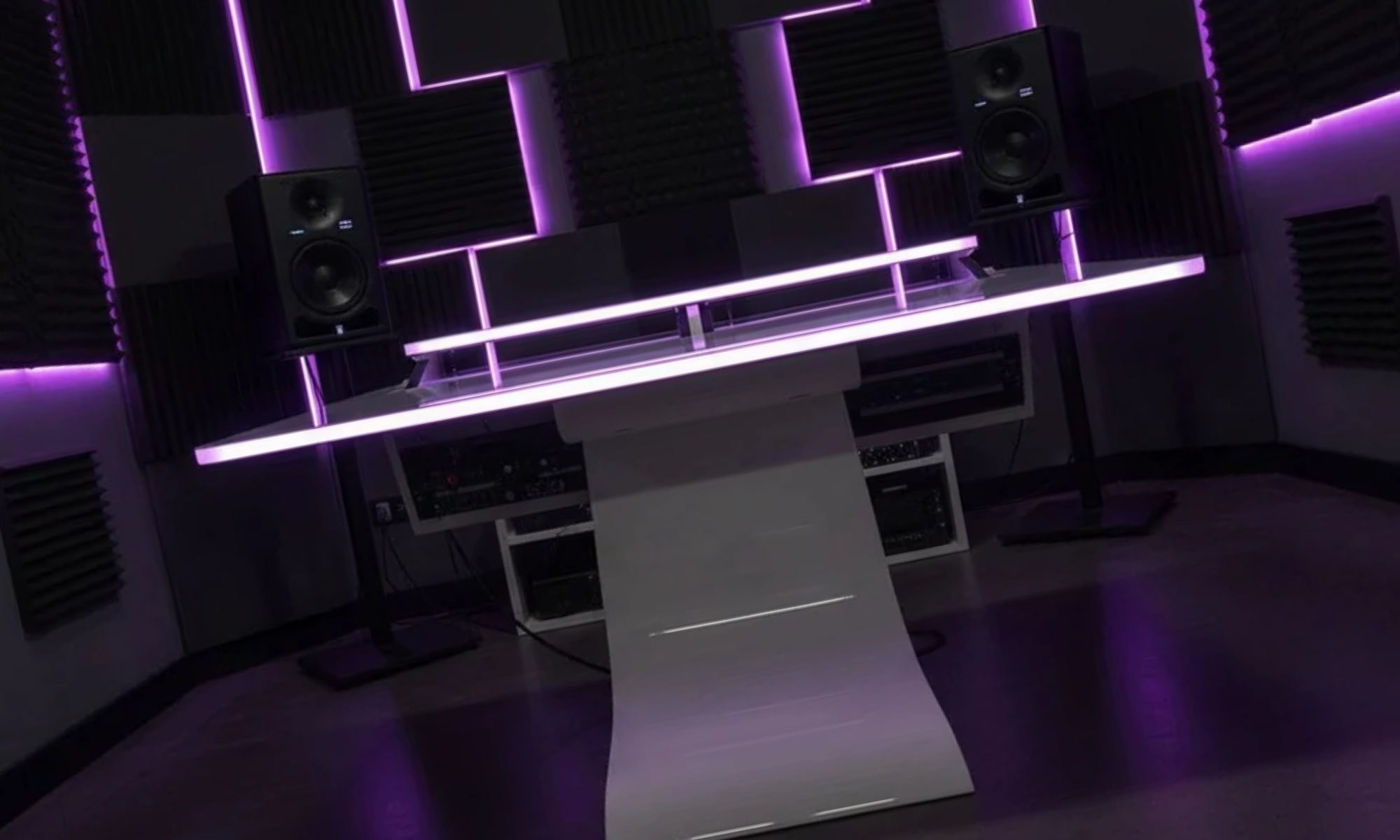
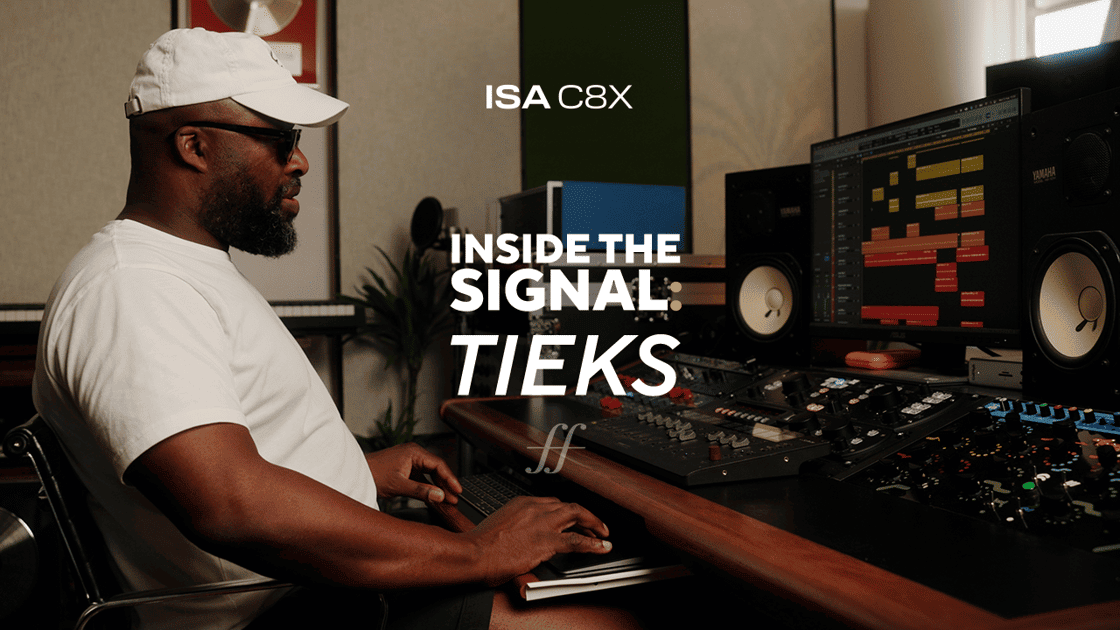
Focusrite’s new Inside the Signal series visits TIEKS at his Reality Exists studio to examine how those decisions influence his work. The episode concentrates on his adoption of the ISA C8X, an eight-preamp audio interface that has allowed him to consolidate separate recording and mixing setups while retaining access to the transformer-based processing he prefers. Having recently spent time reviewing the ISA C8X myself, I find his reasons for choosing it particularly interesting because they extend beyond the usual discussion of converter specifications and preamp coloration.
TIEKS Doesn’t Want His Studio Becoming a Museum
One of the more revealing parts of TIEKS’ approach is how selective he has become about the equipment he keeps. Although his experience reaches back to analog desks and tape-based recording, he has no interest in preserving older equipment simply for the sake of having it.
As he explains, he “never wanted [his] studio to be a museum piece.”
That position is particularly interesting coming from someone who began working during the transition from analog to digital production. It’s easy to assume that producers with extensive experience using older equipment would prefer maintaining a large collection of vintage hardware, but TIEKS approaches those decisions through frequency of use. His preferred compressors and equalizers remain in the studio because they perform specific jobs, and some are left on familiar settings because those settings consistently produce the results he’s looking for.
TIEKS also describes an unusually personal relationship with sound, recalling how hearing Chaka Khan records as a child became connected with his perception of color. That association continues to influence the way he approaches mixing, where he begins with a particular color in mind and recognizes when a recording is approaching completion through that same internal reference.
I find that detail interesting because it explains something about his equipment decisions. He’s concerned with reaching a specific result, and the hardware is there to facilitate that process rather than determine how the session should operate.
Why the Focusrite ISA C8X Replaced Several Separate Components
TIEKS initially became interested in the ISA C8X because of its conversion technology and the possibility of consolidating his recording and mixing configurations. The interface uses converters developed from Focusrite’s RedNet range and combines them with eight digitally controlled microphone preamps, extensive input and output connections, and remote management through Focusrite Control 2.
The design is unusual within Focusrite’s lineup because two of those eight preamps use Lundahl LL1538 transformers associated with the company’s original ISA circuitry. They offer up to 79 dB of gain, selectable input impedance, balanced insert connections, and dedicated analog coloration modes. The remaining six channels provide up to 69 dB of gain, with additional processing options for recordings that require a different tonal approach.
TIEKS was particularly impressed by the conversion quality, describing it as “clean” and “immediate.” He also appreciates the ability to adjust the amount of saturation from the ISA preamps rather than relying on a single fixed tonal character. Following the upgrade, he has moved his other preamps away from his main setup.
TIEKS’ experience with the ISA C8X provides a related example. His decision began with the conversion and routing capabilities, expanded through the available preamp characteristics, and ultimately resulted in a simpler studio configuration. He expects the interface to remain central to his work for the next decade, which is a substantial endorsement of the role it now performs.
The first episode of Focusrite’s Inside the Signal series offers a closer look at those decisions, along with TIEKS’ personal approach to listening, mixing, and selecting equipment. It’s an interesting opportunity to hear from a producer whose perspective has developed through decades of changing recording technology.
For me, the larger point is that simplifying a studio doesn’t necessarily mean abandoning analog equipment. It means identifying which parts of a setup are contributing to the finished recording and finding ways to retain those capabilities without maintaining unnecessary complexity.
Watch Inside the Signal featuring TIEKS or explore the Focusrite ISA C8X.

Will Vance is a professional music producer who has been involved in the industry for the better part of a decade and has been the managing editor at Magnetic Magazine since mid-2022. In that time period, he has published thousands of articles on music production, industry think pieces and educational articles about the music industry. Over the last decade as a professional music producer, Will Vance has also ran multiple successful and highly respected record labels in the industry, including Where The Heart Is Records as well as having launched a new label with a focus on community through Magnetic Magazine. When not running these labels or producing his own music, Vance is likely writing for other top industry sites like Waves or the Hyperbits Masterclass or working on his upcoming book on mindfulness in music production. On the rare chance he's not thinking about music production, he's probably running a game of Dungeons and Dragons with his friends which he has been the dungeon master for for many years.