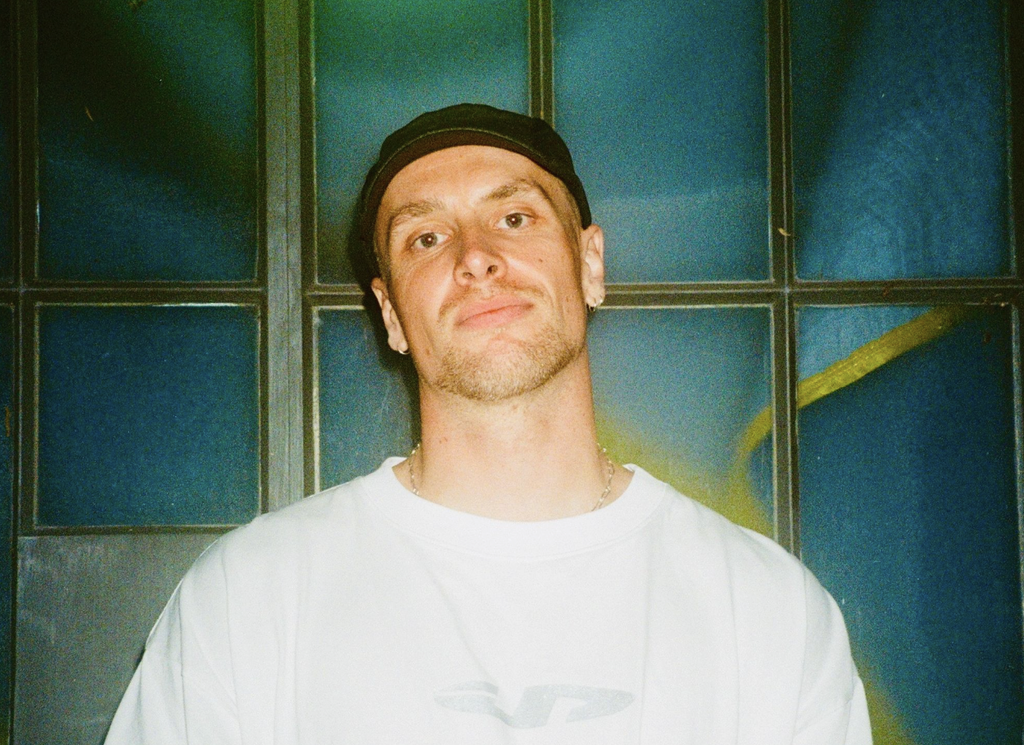
I think one of the more interesting things about DJing today is how much easier the technical side of performing has become, while some of the decisions that actually make a good DJ set haven’t necessarily become any easier. You can have access to thousands of records, perfectly organized playlists, detailed waveform displays, and equipment that makes it possible to do things that would have been considerably harder twenty years ago, but none of those advantages automatically tell you which record belongs in front of a particular audience.
I’ve always thought there’s an important distinction between learning how to operate DJ equipment and learning how to participate in an entire night of music, particularly when you’re responsible for preparing an audience for the person playing after you.
And I think that distinction becomes especially interesting when you speak with DJs who have been performing long enough to remember how those expectations developed before modern equipment became commonplace.
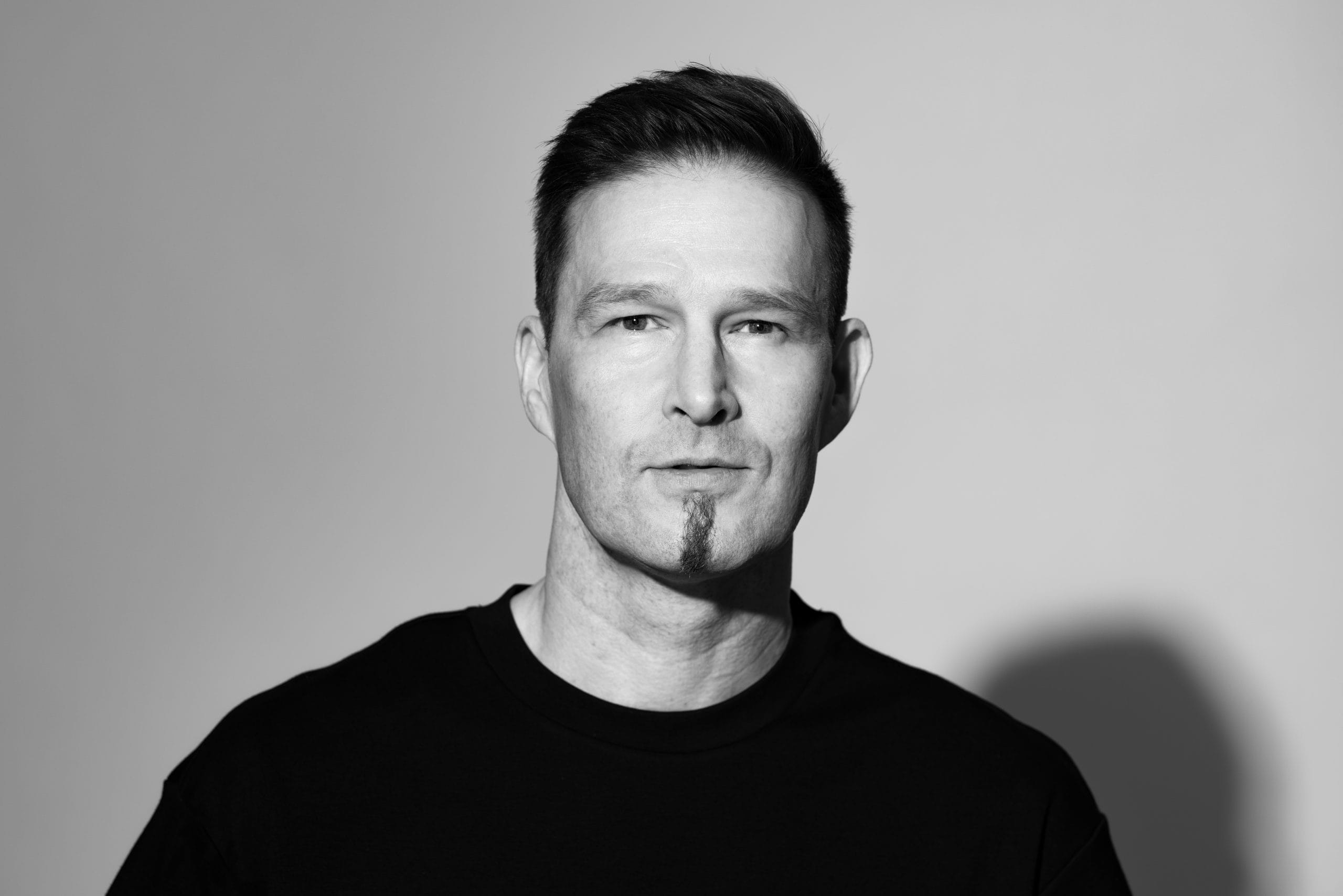
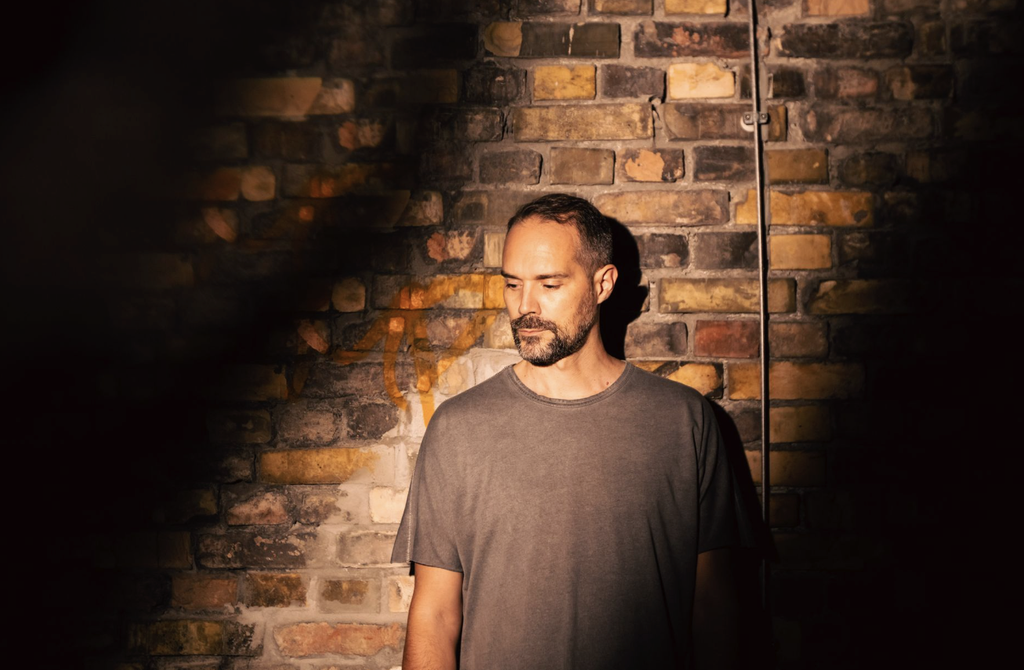
Berlin-based producer and DJ Einmusik (@einmusik_samuel), also known as Samuel Kindermann, has spent over two decades developing his approach to melodic house and techno, establishing Einmusika Recordings in 2008 and releasing music that draws from progressive house, electronic pop, and his longstanding interest in synthesizer-driven composition. His latest album, The Long Way Home, arrives November 13, 2026, through his own label, bringing together twelve tracks that reflect different periods of his musical development and the experiences that have influenced him in recent years.
The album features collaborations with Huminal, Apropos, RA, and Siim Griffel, moving between melodic house, progressive arrangements, and comparatively restrained electronic compositions.
It’s another addition to a catalog that has continued developing alongside his touring career, with the title reflecting the personal changes and decisions that informed the project.
What interested me about this conversation was how little Einmusik seems to associate the actual purpose of DJing with the technological changes that have happened around it. We talked about why improved equipment hasn’t necessarily produced more interesting performances, what younger DJs can learn about opening a club night, and why he misses the tradition of promoters bringing artists together before a show.
Coming from somebody who has spent more than twenty years performing and releasing music, I think his answers raise some worthwhile questions about which parts of DJ culture are worth preserving, particularly when the equipment and expectations surrounding the profession continue changing.
Interview With Einmusik
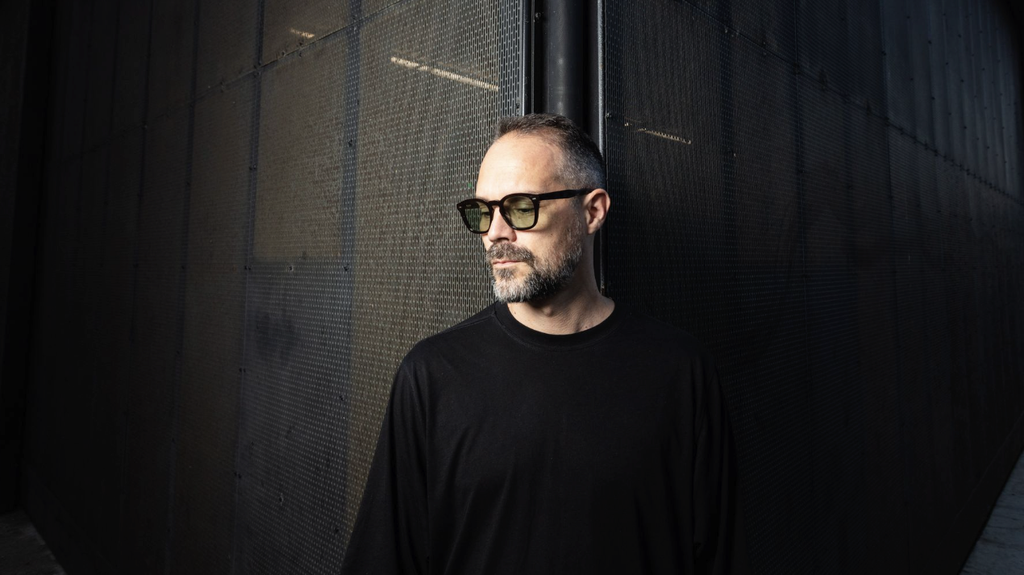
You’ve been in this game a long time. What’s one change in DJ culture that still surprises you?
Today’s technology is fantastic. The equipment is insanely good, and it gives us so many possibilities to color a set in our own way. What still surprises me is that better gear doesn’t automatically lead to more creative sets. The magic still comes from the DJ, and I love it when someone really uses these possibilities with soul.
What feels totally different about the way new DJs come up now compared to when you were starting out?
Many younger DJs never had the chance to learn how to warm up a night, so the role in the whole evening is less clear to them. I have often taken over from someone who had already played in the double red zone, in front of an exhausted audience. The best nights happen when every DJ sees themselves as part of the whole club or festival experience. Back then, that was common sense, and it’s a great mindset to pass on.
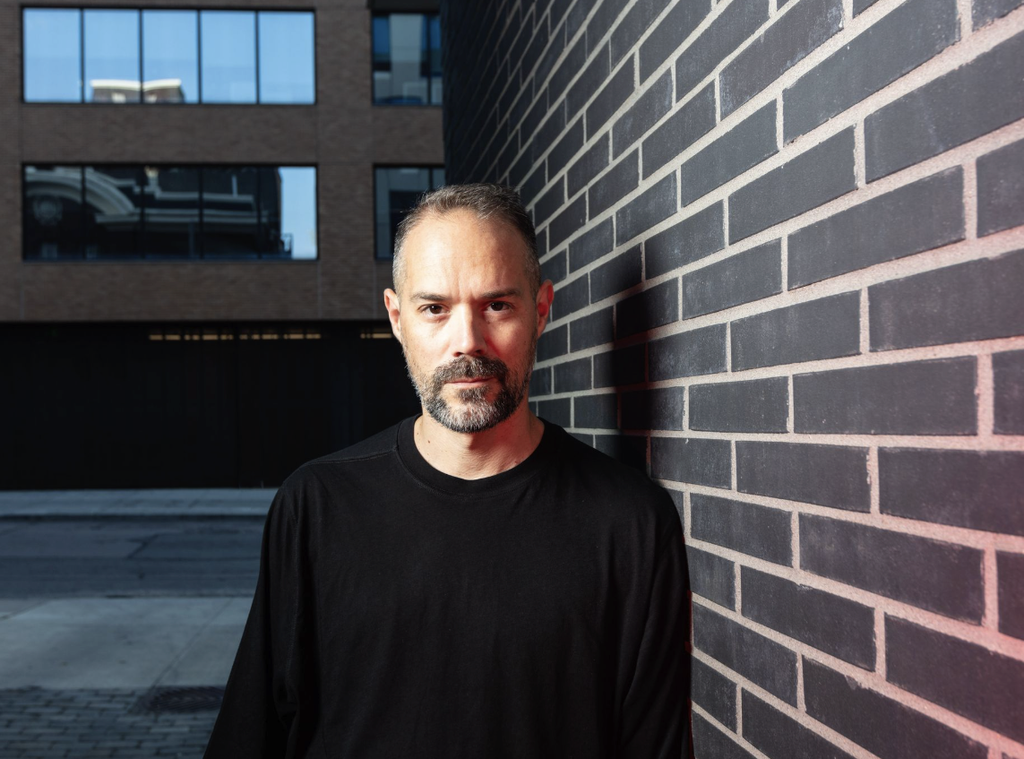
Are there any rituals, values, or small things from the early days that you think have totally disappeared?
One thing I really miss is the promoter hosting the artists. I loved having an artist dinner before the show with the whole team of the night. It sets a great vibe for the event. It was such a nice tradition, and I’m happy that a few people still keep it alive.
On the flip side, what’s something about DJing or the scene that’s stayed surprisingly the same?
Some clubs and venues still run very old, almost vintage equipment. Guys, please update your 2010 setup. Your DJs and your crowd will thank you.
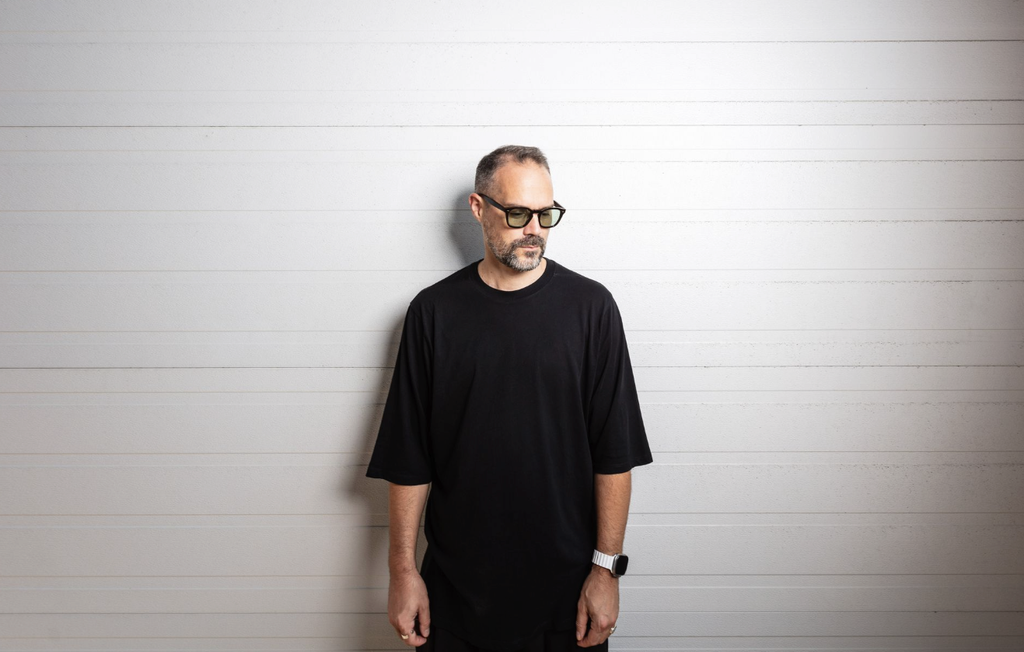
Do you think the role of the DJ has changed in a deeper way, not just the tools, but the purpose?
At its core, the purpose hasn’t changed: a DJ plays the right music so the audience can have a good time and dance. That skill and mindset grow with experience over the years. Many new DJs have viral success, and the ones who combine it with that experience on the decks really stand out.
If you could sit down with your younger self behind the decks, what would you say, if anything?
I would tell him to listen even more to himself, not to care so much about what other people say, and that everything takes a while. I was sometimes a little too impatient. 🙂
About Einmusik’s The Long Way Home Album
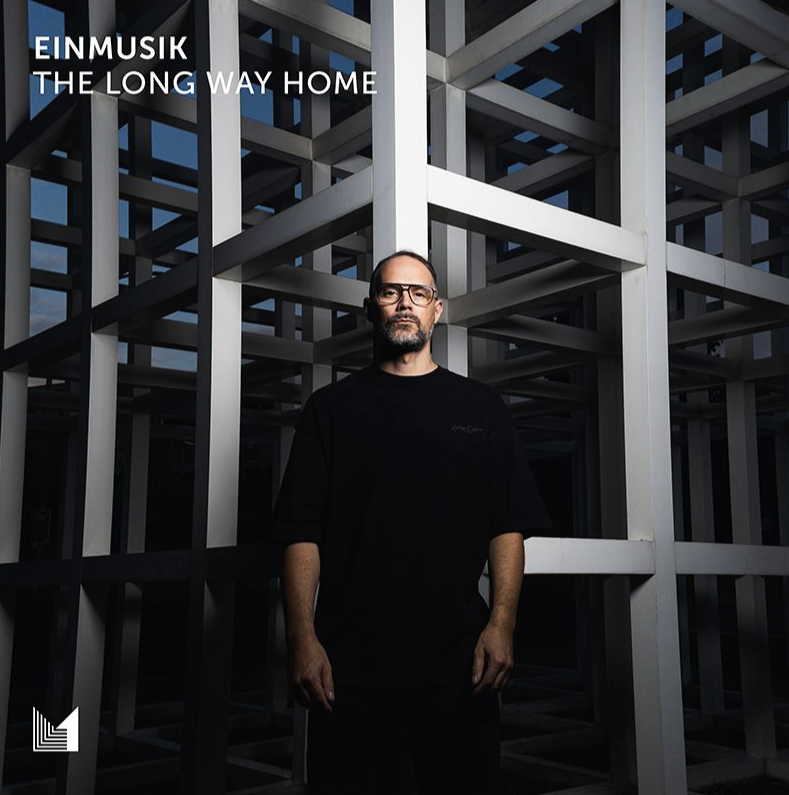
Releasing November 13, 2026, through Einmusika Recordings, The Long Way Home is a twelve-track album that explores Einmusik’s relationship with the melodic and progressive electronic music he has been producing for over twenty years. Arriving under catalog number EINMUSIKA346, the project includes original solo productions and four collaborations with artists whose contributions introduce different approaches to songwriting and electronic production.
The title track, “The Long Way Home,” was introduced as a single on September 18, offering an early indication of the album’s direction. Einmusik describes the wider project as reflecting personal changes and decisions that have influenced his life, with the music returning to some of the progressive house influences associated with his earlier recordings while incorporating newer interests.
“Quake,” featuring Huminal, brings the Dutch electronic duo into the album, while “Miss You,” his second single with Apropos, introduces a vocal-focused collaboration. The album also includes “Losing My Mind” with RA and “Still Holds On” with Siim Griffel, giving the twelve-track collection several contributions from other musicians alongside Einmusik’s solo material.
Elsewhere, the tracklist includes “Golden Arrow,” “Möwenflug,” “Feixes,” “Vampires,” “Spirals,” “Sternenstaub,” and “Retour.” According to the accompanying release materials, the album moves through ambient-influenced passages, vocal-led electronic music, melodic house, and progressive club productions, with the different arrangements reflecting the wider range of music Einmusik has explored throughout his career.
The album is released through Einmusika Recordings, the independent imprint he founded in 2008. Originally established as an outlet for his own productions and music from friends, the label has developed into a platform for established and emerging electronic artists while giving Einmusik a place to release music according to his own creative interests.
That independence is particularly relevant to The Long Way Home, which brings together influences from different periods of his career rather than concentrating exclusively on the music currently associated with his DJ performances. The album arrives after more than two decades of recording and touring, with Einmusik continuing to develop his label alongside his solo releases.
Snag Einmusik’s The Long Way Home
Final Thoughts From The Editor
The first thing I found interesting about Einmusik’s answers was his observation that improved DJ equipment hasn’t necessarily resulted in more creative performances, because I think that’s an important distinction when we talk about how much the profession has changed. Modern players and software give DJs access to synchronization, effects, loops, detailed waveform analysis, and much larger music libraries, which can make certain technical tasks considerably easier than they were in the past.
But the ability to perform those tasks doesn’t automatically improve somebody’s understanding of music programming, particularly when they’re trying to determine what an audience needs at a specific moment. I was reminded of our conversation with Lars Schlichting from Pioneer DJ about how DJing has changed, where he explained that advances in equipment have made it easier to move beyond conventional mixing techniques without necessarily changing the responsibility DJs have toward their audiences.
I think Einmusik is making a related observation here, particularly when he talks about wanting to hear artists use the available equipment to make genuinely interesting musical decisions. Having more ways to manipulate recordings can certainly expand what’s possible during a performance, but the DJ still needs to understand why they’re making those changes and whether the results improve the experience for the people listening.
I think that’s a genuine problem when everybody involved is concentrating on making their own set as immediately effective as possible without considering how it relates to the rest of the lineup. Einmusik’s point is that a club night functions through the contributions of several performers, and understanding your position within that schedule is part of becoming an experienced DJ.
His observation about venues continuing to use outdated equipment made me smile, particularly because it comes immediately after his comments about how advanced modern DJ technology has become. I think there’s a legitimate operational issue here, especially when touring artists are preparing performances around equipment that may not be available or properly maintained at every venue.
An older CDJ can still be capable of playing music, of course, and a DJ shouldn’t necessarily require the newest equipment to perform successfully, but there’s a difference between using a familiar setup and arriving at a venue where the equipment hasn’t been updated or maintained appropriately.
We discussed a related subject in my interview with Us-Two about technology and remaining engaged during DJ sets, where he explained that new tools are beneficial when they help him perform but become counterproductive when they interfere with what he’s trying to do. I think that provides a reasonable way to understand Einmusik’s comments as well. Technology should support the decisions a DJ wants to make, and venues have a responsibility to provide equipment that functions reliably enough for artists to concentrate on playing music instead of troubleshooting avoidable problems.
And I think the final thing worth considering is Einmusik’s advice to his younger self, particularly his recognition that he spent too much time worrying about other people’s opinions and expecting things to happen sooner. That seems especially relevant when you consider how much pressure newer artists can feel to demonstrate progress through releases, bookings, social media activity, and the other measurements that have become part of developing a career. We explored a related issue in my recent interview with ATLAC about social media and the pressure to maintain a recognizable image, where he questioned whether artists are spending too much time on presentation at the expense of the music they’re making.
There’s also an interesting connection to The Long Way Home, an album concerned with the personal changes and decisions that have informed his recent years. After decades of producing, touring, and working with other artists through Einmusika Recordings, he’s still returning to the musical interests that originally encouraged him to start, while continuing to experiment with the equipment and opportunities available today. I think that’s probably the most important point from this conversation: DJ culture has changed considerably, but learning how to select music, understand an audience, work with other people, and develop confidence in your own decisions still requires attention and experience.

Will Vance is a professional music producer who has been involved in the industry for the better part of a decade and has been the managing editor at Magnetic Magazine since mid-2022. In that time period, he has published thousands of articles on music production, industry think pieces and educational articles about the music industry. Over the last decade as a professional music producer, Will Vance has also ran multiple successful and highly respected record labels in the industry, including Where The Heart Is Records as well as having launched a new label with a focus on community through Magnetic Magazine. When not running these labels or producing his own music, Vance is likely writing for other top industry sites like Waves or the Hyperbits Masterclass or working on his upcoming book on mindfulness in music production. On the rare chance he's not thinking about music production, he's probably running a game of Dungeons and Dragons with his friends which he has been the dungeon master for for many years.