I think one of the more interesting things about becoming a professional DJ is how easily what originally drew you to music can become secondary to the responsibilities of maintaining a career. When you’re playing several shows a week, traveling regularly, preparing new music, and trying to keep your production schedule moving, you can find yourself spending considerably less time actually enjoying the records that made you want to start DJing in the first place. I’ve heard this from quite a few artists over the years, and I think it’s particularly relevant for DJs who started out collecting music simply because they loved discovering something unfamiliar and wanted to share it with their friends.
There’s a big difference between spending an evening looking for records because you’re genuinely interested in what you might find and feeling obligated to find another ten tracks because you’ve got a performance coming up this weekend.
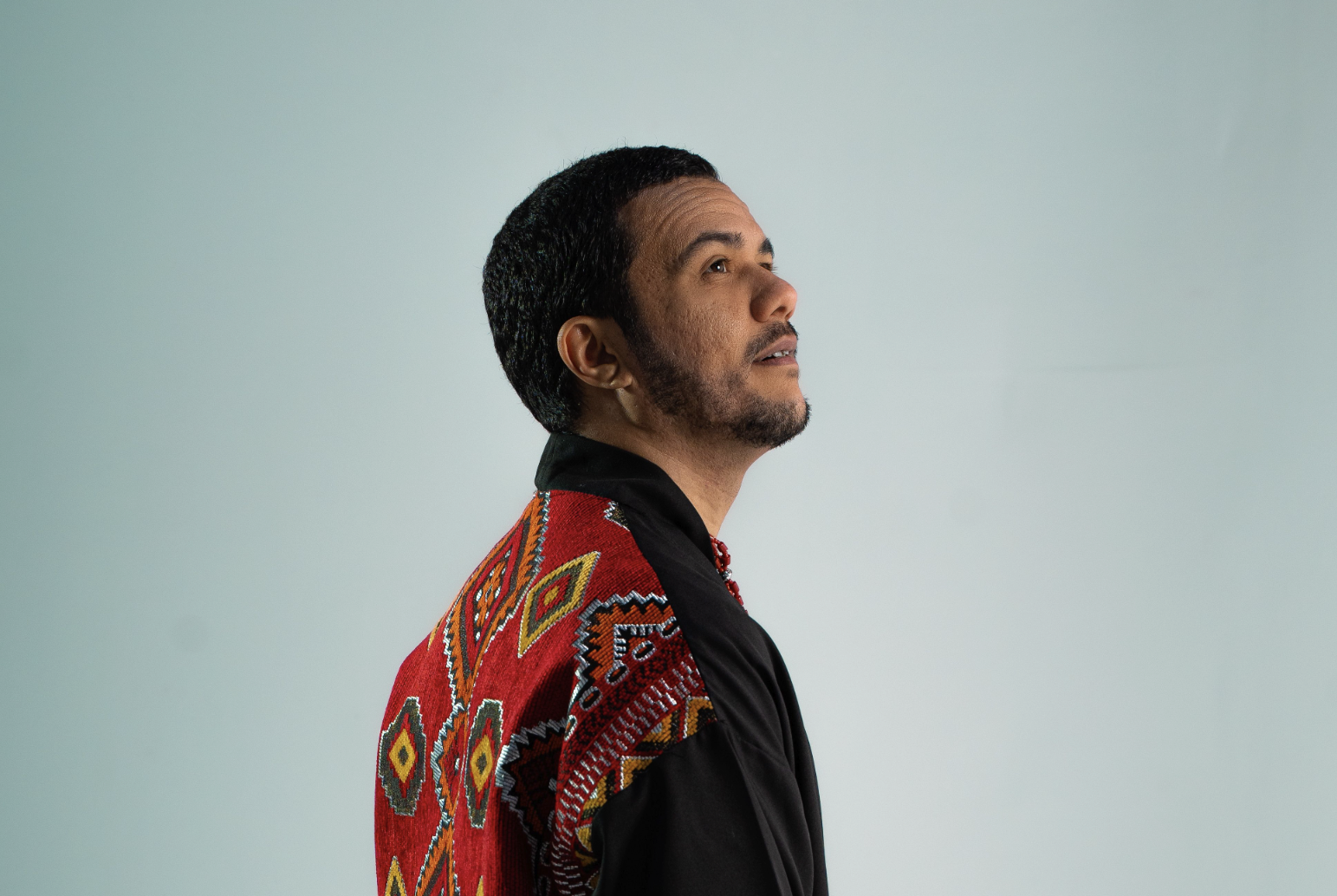
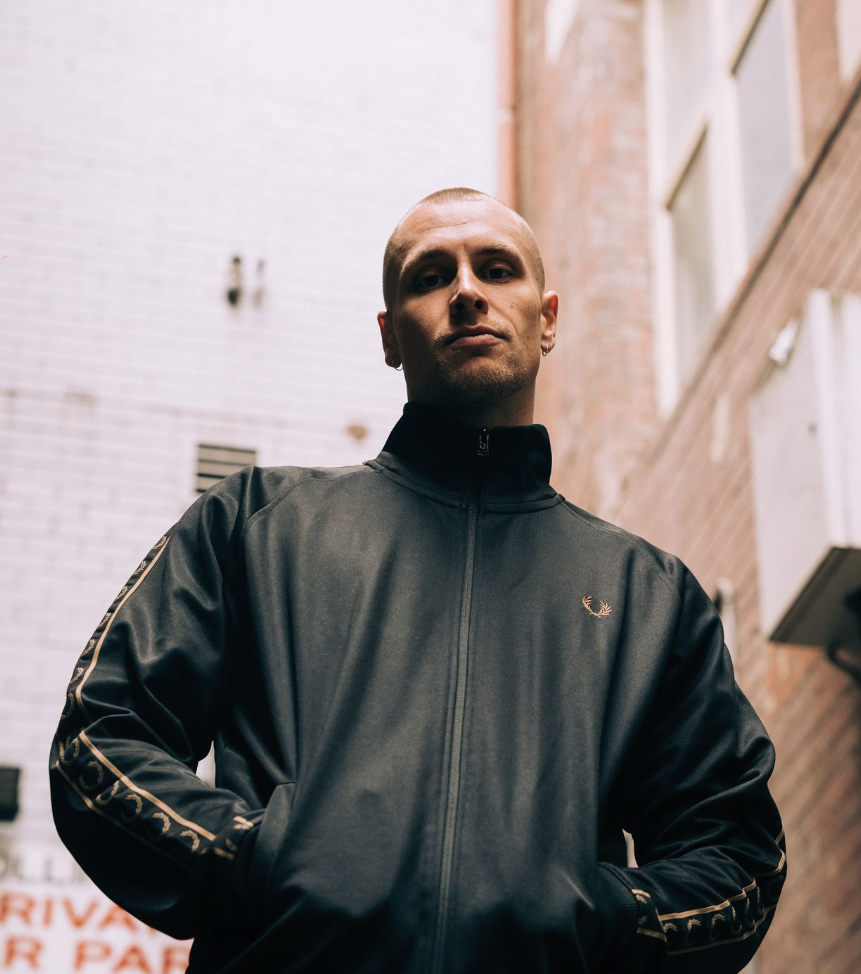
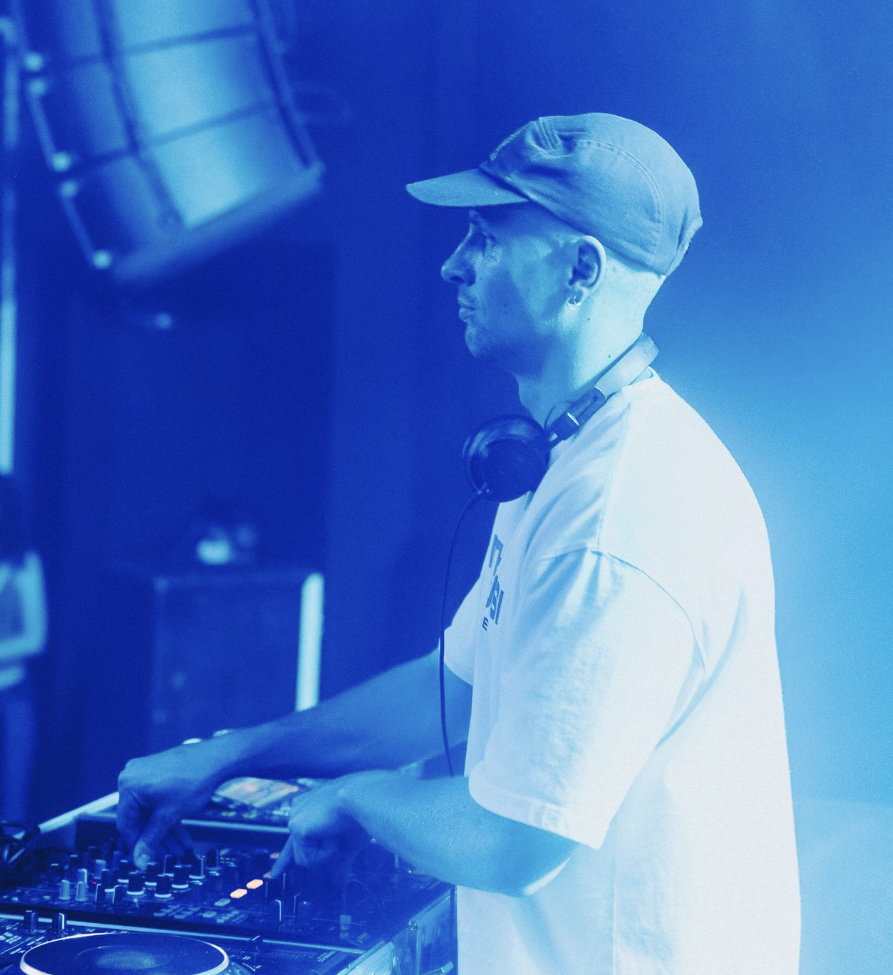
Melbourne-based DJ and producer Osmosis Jones (@osmosisjonesinthehouse) has been developing his reputation within Australia’s growing UK garage scene, with releases on ec2a, ATW, No Instruction, and OG Amsterdam helping introduce his music to international audiences.
His latest single, “Rockin’ With The Best,” arrived November 6, 2026, through Gorgon City’s REALM Records, marking his debut on the label after the track had already become a regular part of his DJ sets. Built around the rhythmic characteristics of classic UK garage, the record follows a period of extensive touring that has taken him throughout Australia, the UK, and Europe, along with appearances on platforms including Rinse FM and New York’s The Lot Radio.
He’s also been developing INTHEHOUSE Records, his own imprint dedicated to underground garage and supporting emerging producers, with the label giving him another opportunity to share music from artists he genuinely believes deserve attention.
What interested me about this conversation was how much Osmosis Jones still associates DJing with the process of finding and sharing records, particularly as his career develops and expectations around his performances grow. We talked about returning to old playlists when inspiration starts disappearing, why collecting vinyl still matters to him, and how running a record label has changed his relationship with the artists whose music he plays. He also discussed the difference between preparing for major performances and playing smaller shows where there’s more room to experiment, along with how his understanding of professional success has changed since he first started.
I think there’s something worth considering about an artist who has reached a point where he’s regularly touring internationally but still measures much of his success through conversations with the people who come to hear him perform.
Interview With Osmosis Jones

What draws you back to DJing during quieter moments in your career or when you start getting burnt out?
This has happened to me recently, where I lacked a little bit of inspiration in my sets and production.
I really found my spark again when I went back to the roots of why I started loving the music I make and play in the first place. Revisit old playlists from years ago, or scroll way back on my youtube music playlists. In a way it brings me back to that mindframe I was in when I was at my most passionate about the music.
When you want to reconnect with the ethos of what DJing as an artform truly is, what helps you return to that place?
This has got to be such a common answer but it always comes back to collecting and playing records, there’s something about the physicality of holding the music and spinning it, as well as the genuine thought and care it takes to craft a collection in a world where digital music is really abundant.
Have there been periods where your relationship with the craft changed in a truly meaningful way?
I think when I started my record label, INTHEHOUSE records, it made me a more community-minded DJ, and my music selections are influenced by the artists I work alongside on the label. Instead of just picking songs that are cool, you are promoting music you really believe in by artists you have a personal relationship with, and you’re both as gassed as each other to share them with an audience on a dancefloor; in a way, I think that’s kind of legendary.
It just makes the music you weave into your sets so much more meaningful.
Do you notice a shift in how you play when there is no pressure and the stakes are low and the focus is purely on connection, curation, and the overall vibe of the room?
Of course, high-pressure sets I come in ready and planned because I have a job to execute, I want to leave less to chance when I’m playing to thousands of people.
In those more casual and low stakes shows, especially b2b’s, it can feel a lot more like play, you have the balls to make mistakes or take risks, explore sounds that you might not always get the chance to, and if the crowd is really up for it and the vibe is correct you can truly hit that flow state, as corny as that sounds to me.

At this stage in your career, how do you define success?
Still going to the gym 3+ times a week when I am jetlagged. Joking, but true. But honestly success for me is sharing what I do at scales I could never have previously imagined.
My initial goal when I started was to play a DJ set, now I’m doing that multiple times a week in so many different cities, all of which have fans who know things about me and my music that really surprise me, they go deep! At the end of the day, it is those one-on-one interactions with people that really define success for me, like, what do you mean some dude from Japan knows my entire back catalog and aliases???
Find “Rockin’ With The Best” on Beatport
Final Thoughts From The Editor
The first thing that interested me about Osmosis Jones’ answers was his suggestion to return to your old playlists when you start losing interest in what you’re making or playing.
I think that’s an especially good point because there’s a tendency to assume that finding inspiration requires discovering something completely unfamiliar, whether that’s a new artist, another genre, or a production technique you haven’t experimented with before. But sometimes returning to the music you were listening to several years ago can help you understand what originally interested you, especially if your listening habits have gradually been shaped by the demands of your professional career.
I was reminded of our interview with Rob Pearson about the records and selections that shaped his career, where he discussed discovering old CDs and revisiting playlists from earlier periods in his life. Pearson explained how those collections reflected the music he was interested in at particular moments, and I think Osmosis Jones is describing a similar process when he returns to playlists from years ago. Those recordings can remind you of preferences that may have become less prominent as your career developed, and there’s something worth considering in letting those earlier interests influence what you decide to play today.
His comments about vinyl collecting are also interesting, particularly because I think choosing physical records encourages a different relationship with a music collection. You have to decide which releases are worth purchasing, spend time finding them, and become familiar with what you own, rather than simply adding everything that catches your attention to another digital folder.
I don’t think that automatically makes vinyl DJing better, and there’s no reason somebody working with digital files can’t develop an equally considered collection. But the additional steps involved in acquiring records can encourage you to be more selective, which I think is the part of the process Osmosis Jones values.
We discussed a related idea in my interview with Oliver Koletzki about music discovery and maintaining personal taste, where he explained how his listening routine changed from regularly visiting record shops to organizing new music and promos through digital platforms. What interested me about Koletzki’s answers was that the responsibility of selecting music remained relatively consistent even as the methods changed.
Osmosis Jones seems to have retained an appreciation for physical collecting because it encourages him to make those decisions with greater intention.
I thought about our coverage of IsGwan’s Feel Free deluxe edition, particularly because Osmosis Jones contributed a remix to the project alongside producers including Harvey Sutherland, Vynes, and SKYHIGH. That’s a good example of the relationships being developed within Australia’s garage scene, where producers are collaborating, remixing one another’s records, and helping introduce each other’s music to new audiences. I think that kind of support becomes particularly important for independent labels because the people involved often have personal relationships extending well beyond any one release.
There’s something else worth considering about how Osmosis Jones’ music has reached REALM Records, especially because the single had already been tested during his performances before he shared it with Gorgon City. I think producers sometimes focus so much on whether a track is right for a particular label that they overlook what they learn from playing it in front of an audience. A record can sound convincing in the studio and still need changes to its arrangement, or it can produce a particularly good response during a DJ set even when the artist wasn’t initially convinced it was ready to release.
Osmosis Jones seems to have used those performances to develop confidence in “Rockin’ With The Best,” and that experience eventually helped him determine where the track might belong. We’ve covered Gorgon City’s imprint before, including my How It Was Made feature with Soraya about her REALM Records debut, where she explained how she approached the synthesizers, vocals, and production decisions behind “Danse de L’amour.” The releases occupy different areas of electronic music, but they show how the label supports artists with distinct approaches to club production. For Osmosis Jones, the REALM release also introduces his music to another audience without requiring him to move away from the UK garage influences that have informed his catalog.
Osmosis Jones has reached a point where someone on the other side of the globe can know his earlier releases and alternate artist names, and I can see why that would be especially satisfying for someone who originally wanted to share records with other people. With “Rockin’ With The Best” now available through REALM Records and INTHEHOUSE continuing to develop, he’s finding opportunities to introduce his music to new audiences while maintaining the interests and relationships that originally encouraged him to start DJing.

Will Vance is a professional music producer who has been involved in the industry for the better part of a decade and has been the managing editor at Magnetic Magazine since mid-2022. In that time period, he has published thousands of articles on music production, industry think pieces and educational articles about the music industry. Over the last decade as a professional music producer, Will Vance has also ran multiple successful and highly respected record labels in the industry, including Where The Heart Is Records as well as having launched a new label with a focus on community through Magnetic Magazine. When not running these labels or producing his own music, Vance is likely writing for other top industry sites like Waves or the Hyperbits Masterclass or working on his upcoming book on mindfulness in music production. On the rare chance he's not thinking about music production, he's probably running a game of Dungeons and Dragons with his friends which he has been the dungeon master for for many years.