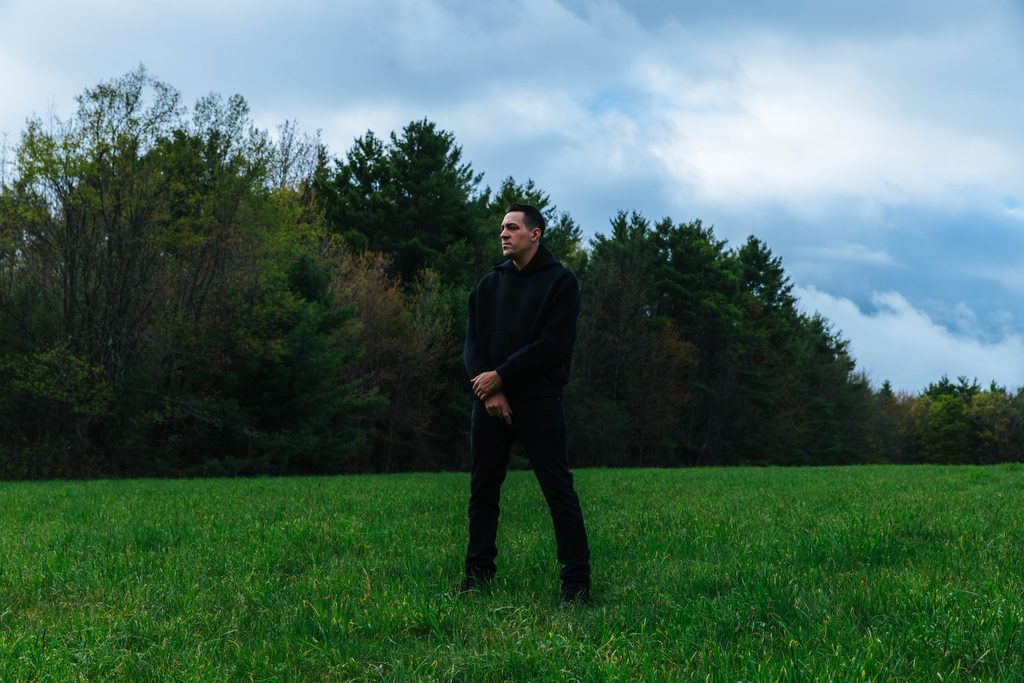
R3HAB (@R3HAB) has spent long enough inside electronic music’s biggest rooms to know that perfection is not always the thing people remember. A record can be technically clean, structurally airtight, and mixed within an inch of its life, but if the human part has been sanded down too far, the track starts to feel like it came from a system rather than a person.
That is the thread running through his answers here: instinct first, taste first, energy before perfection, and enough restraint to leave the good accident alone when it already says what the song needs to say.
That makes this a useful second conversation around Dream inside a dream…, his 2026 album on Universal and CYB3RPVNK. The record arrived after the earlier writeup I ran on Magnetic, where the project felt like R3HAB using a familiar big-room language to reach for something more reflective and personal.
This interview turns the lens inward, away from rollout language and toward the smaller production decisions that separate a finished track from a track that still feels alive.
What comes through most clearly is that R3HAB is not romanticizing roughness for its own sake. He is talking about judgment. A rougher take only matters if it moves you. A physical performance only matters if the reaction creates something the grid would not have planned. An imperfection only matters if it brings personality back into a process that can easily become too programmed, too corrected, too argued with.
In the interview below, he talks about instinct, playing in real time, rough takes, overthinking, and why the smallest human choices are often the ones listeners feel first.
Interview With R3HAB

What parts of making music do you think still come down to instinct and taste?
Everything, really. At the end of the day, music is still very much about instinct and personal taste.
How much does the way you physically play or interact with an instrument affect the finished record?
A lot, maybe more than people realize. When I play something physically, I react to the sound in real time, and that often takes the idea somewhere I wouldn’t have planned.
I actually think it matters more now than ever. So much music is made entirely inside the computer, and that physical connection is one of the few things that makes a record feel like it came from a person.

When do you know that a rougher take is the right one for the track?
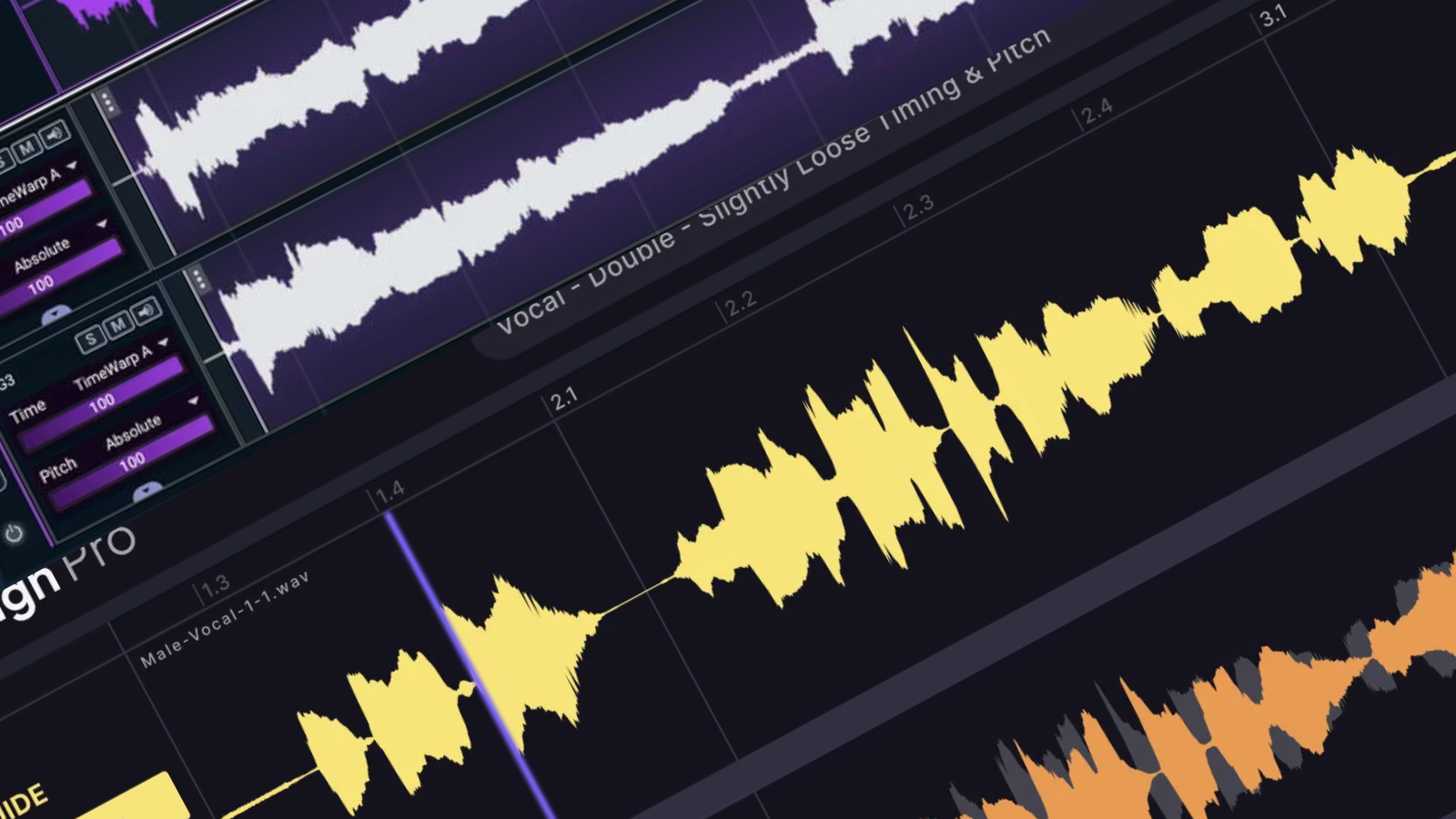
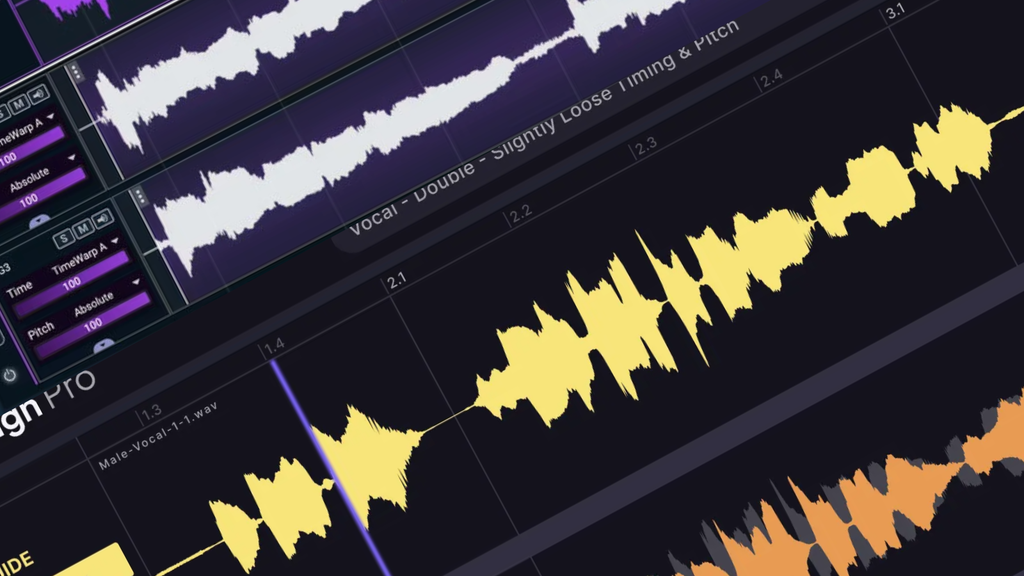
Again, it’s a feeling. Sometimes you do ten takes, and the cleanest one is technically perfect but just doesn’t move you. Then there’s that one take with a slightly off note or a timing push that gives you goosebumps. When that happens, you keep it.
Energy beats perfection every time. If a take makes you feel something the first time you hear it, that’s usually what the listener will feel too. You learn to trust that reaction instead of arguing yourself out of it.
Where do producers risk polishing a record so much that they remove what made it personal?
By overthinking. Most of the time the original idea was special because it was spontaneous. Polishing is part of the job, but you have to know when to stop. I often go back to the first version of an idea and ask whether I’m actually making it better or just making it different.

Which smaller choices tend to have the greatest effect on a track, whether that comes down to timing, phrasing, edits, arrangement, or knowing when to leave something alone?
I think imperfections can have the greatest effect. A lot of music today can start to feel very programmed or computer-generated, so those small imperfections can bring back personality and humanity.
Knowing when to leave something alone is a big part of it too. Sometimes the best decision is not adding another layer and letting a simple idea breathe. People might not consciously notice those details, but they feel them, and that’s what makes a track stick.
Closing Thoughts

R3HAB’s best answer is the one about going back to the first version of an idea and asking whether the work is actually getting better or just getting different. That is the kind of studio question every producer knows but still manages to ignore when the session has been open too long. The track becomes cleaner, wider, louder, and more controlled, while the first thing that made it worth chasing gets harder to find.
There is also a clear line to Maor Levi Knows Speed Is Not Taste.
Maor talked about how finished-sounding output can make rough ideas feel weaker than they actually are, while R3HAB is talking about the same problem from inside performance and take selection. A clean take is not automatically the right one. A messy moment with the right feeling can carry more truth than ten perfect passes.
That also sits beside Yeadon Talks Progressive House In The AI Era. Yeadon was more explicit about protecting the artist’s point of view from tools that can make too many creative choices on their behalf, while R3HAB’s version is less about AI and more about over-control in general.
The danger is still related.
A track can lose the person inside it when the process becomes too efficient at removing surprise.
The polish conversation has another useful connection to Nihil Young Explains Why AI Cannot Generate A Life. Nihil talked about lived experience as the thing no tool can fake into a track. R3HAB’s answers bring that down to the smaller studio decision: the note that is slightly off, the timing push that gives goosebumps, the layer you do not add because the idea already has enough air around it.
These are not dramatic gestures, but they def are often where the human part remains audible.
What I like about this interview is that it does not turn imperfection into a brand. R3HAB is not saying producers should leave mistakes everywhere or pretend craft does not matter. He is saying that craft includes knowing when the rough thing is doing the work better than the corrected thing.
That is a harder skill than cleaning a take, because it asks the producer to trust a feeling before the technical brain starts trying to win the argument.
The broader takeaway is that R3HAB’s production philosophy here is less about nostalgia for a pre-computer studio and more about protecting reaction inside a digital process. The record can still be modern, polished, and carefully made. It just needs a few decisions that feel like they came from a person reacting in real time.
That is where Dream inside a dream… becomes more than an album title. It becomes a reminder that even inside electronic music’s most programmed spaces, the part that sticks is often the part nobody planned too perfectly.

Will Vance is a professional music producer who has been involved in the industry for the better part of a decade and has been the managing editor at Magnetic Magazine since mid-2022. In that time period, he has published thousands of articles on music production, industry think pieces and educational articles about the music industry. Over the last decade as a professional music producer, Will Vance has also ran multiple successful and highly respected record labels in the industry, including Where The Heart Is Records as well as having launched a new label with a focus on community through Magnetic Magazine. When not running these labels or producing his own music, Vance is likely writing for other top industry sites like Waves or the Hyperbits Masterclass or working on his upcoming book on mindfulness in music production. On the rare chance he's not thinking about music production, he's probably running a game of Dungeons and Dragons with his friends which he has been the dungeon master for for many years.