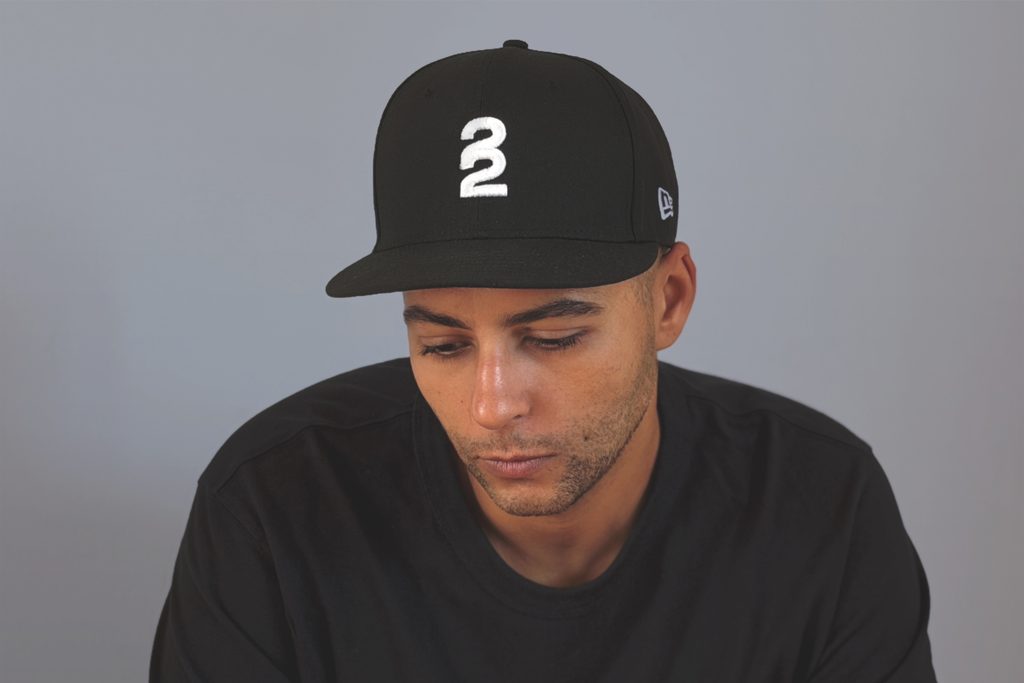
There are plenty of labels that begin with a genre tag and build outward from there, though Coexist came from a clearer personal need. Brian Zajak, known through his Fejká project, had spent years making electronic music that moved between ambient restraint and club-focused momentum, and after a decade releasing through Christian Löffler’s Ki Records, he wanted a home where those sides of his work could sit together without being forced into separate lanes.
Coexist grew from that decision, and the label has since expanded into a release platform and event series for artists who work with melody and atmosphere in related ways.
Fejká is still the artist most closely tied to Coexist, which makes sense because the label came directly from the questions he had been working through in his own production. The larger story is how the project has begun to create room for other artists through official releases and live programming.
The recent “Azur” remix contest is one of the clearest examples, since it brought producers directly into the label’s selection process and ended with Nick Niclassen earning an official place on the deluxe edition of the album.
Why Coexist Had To Exist

Fejká began producing at 17, and his own vision of the project, even from its earliest iterations, has always centered on contrast. He was drawn to soft ambient music, though he also wanted the pressure and forward movement associated with techno and club music. Rather than choosing one direction, he continued working across those settings, and that tension became a consistent part of his albums and live sets.
After ten years with Ki Records, starting Coexist gave him the independence to build an entire structure around that approach. The label describes itself as a home for melodic and atmospheric music that examines the relationships and polarities found in art and nature, while its central statement rejects a simple club or chill classification. That language gives artists a practical sense of what belongs on the label without limiting the catalog to a single tempo or production format.
The core requirement appears to be intention.
A track can carry club percussion or quieter passages, though it still needs a clear melodic center and enough space for the arrangement to develop. That leaves room for electronic music that can work in a live performance while still rewarding focused listening outside a venue.
This also explains why Coexist makes sense as an event series. Fejká’s music already moves between performance formats, so the label can program live acts alongside DJ sets without making the lineup feel disconnected. The releases establish the taste, while the events let audiences hear how those ideas change across artists and settings.
Moving From Artist Imprint To Label Structure

The first stage of Coexist was naturally connected to Fejká because his work provided the impetus for starting it, though the label’s stated purpose has always included a broader artist community. That shift from artist imprint to wider platform rarely happens through a mission statement alone, and it depends on repeated decisions that show how the label will work in practice.
Coexist has begun making that shift across connected parts of its operations. The label continues to support Fejká’s album campaigns, while outside producers can enter through remix projects or live bookings. The catalog gives the events a musical direction, and the events give participating artists a shared public context.
The album-led approach is especially useful here. Singles can introduce a release quickly, though an album gives the artist and label room to establish pacing and sequencing over a longer period. Fejká’s wider catalog includes projects such as “Reunion,” “Hiræth,” “Maara,” “Azur” and “Faro,” and Coexist builds on the same interest in longer bodies of work rather than treating each track as an isolated campaign.
That approach also creates space for extended editions and remix packages.
Instead of ending the campaign once the first album version has been released, the label can reopen the material with new interpretations and use those versions to connect with producers outside its immediate circle. “Azur” became the main example of this process in 2026, as the deluxe edition evolved into a broader label project rather than a routine set of alternate mixes.

“Azur” As A Key Label Milestone
The “Azur” campaign shows Coexist operating across multiple parts of the label simultaneously.
The original album established Fejká’s material, while the deluxe edition introduced new interpretations and gave producers outside the label a direct way to participate. This made the campaign useful for listeners, and it also gave Coexist a working A&R process through which unfamiliar artists could be assessed using the same source material.
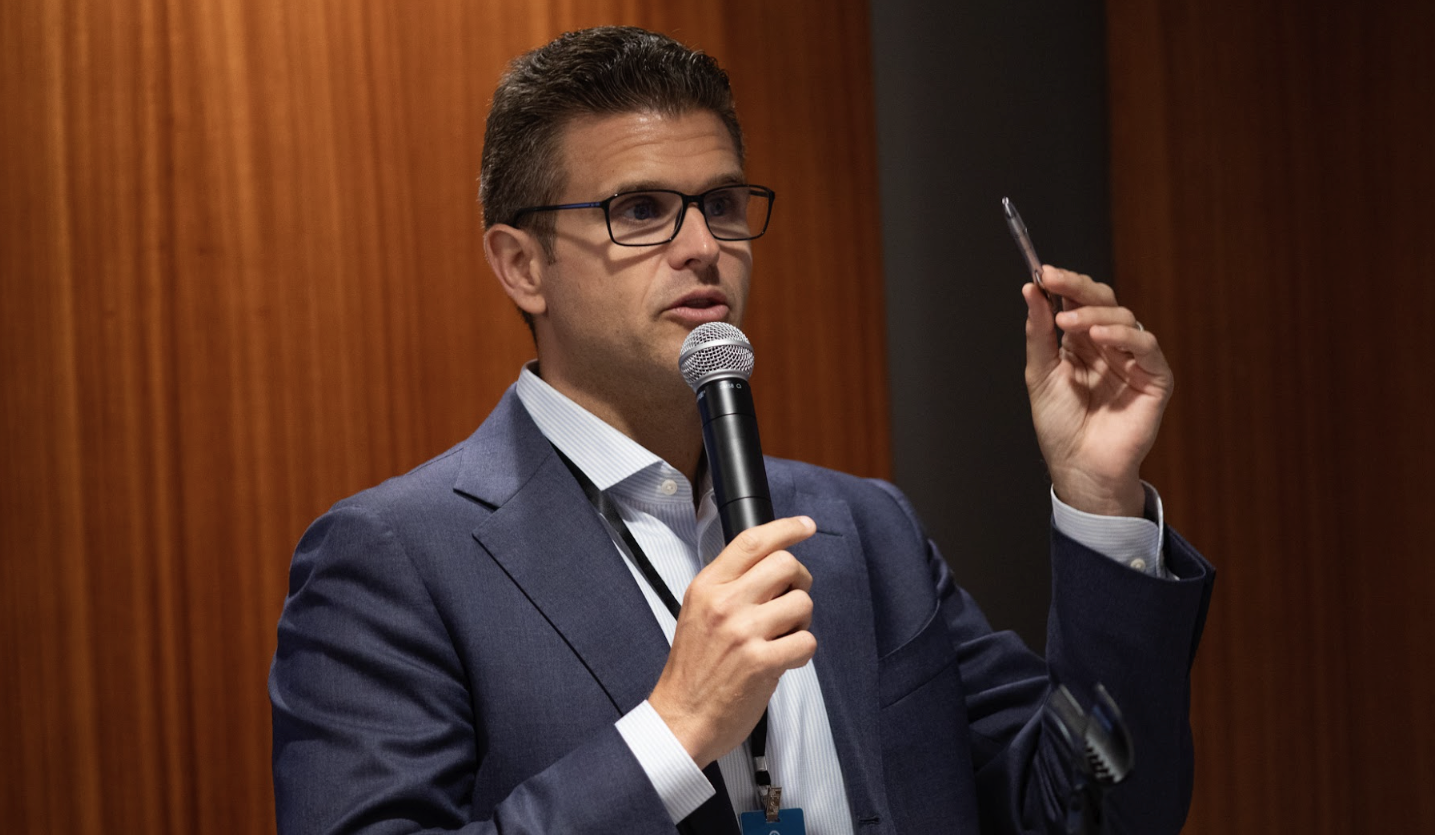
The contest launched on LabelRadar on March 13, 2026, with the stems made available to entrants, and the winning remix was promised an official release. The response created a large review process. Brian reduced the field to around 50 active contenders, marked 15 favorites and then narrowed the list to seven finalists: BAYA, Pierre to a Degree, Tebahide, Asomnia, Nick Niclassen, Alex Rusin and TiiRo.
That level of review is something interesting to think about∂ because the final choice was not made from a small invitation-only pool. Brian listened to a broad range of submissions, compared the entries against the source track, and then narrowed the field through repeated rounds. The internal discussion also makes clear that originality was central.
Technical polish mattered, though a remix that followed an established artist too closely could lose ground to a version with a clearer identity of its own.
This tells us something useful about Coexist’s A&R standards. The label is interested in artists who understand its tone, though it does not appear to be looking for copies of Fejká or the producers already associated with this area of electronic music. A remix still needs to communicate with the original, yet the producer has to bring a separate production idea that earns its place on the release.
The deluxe edition arrived on June 23, 2026, and Nick Niclassen’s winning remix became part of the official album rather than being limited to a contest announcement. That distinction gives the contest a concrete outcome and makes the winner part of the label’s release history.
Nick Niclassen And The Winning “Azur” Remix
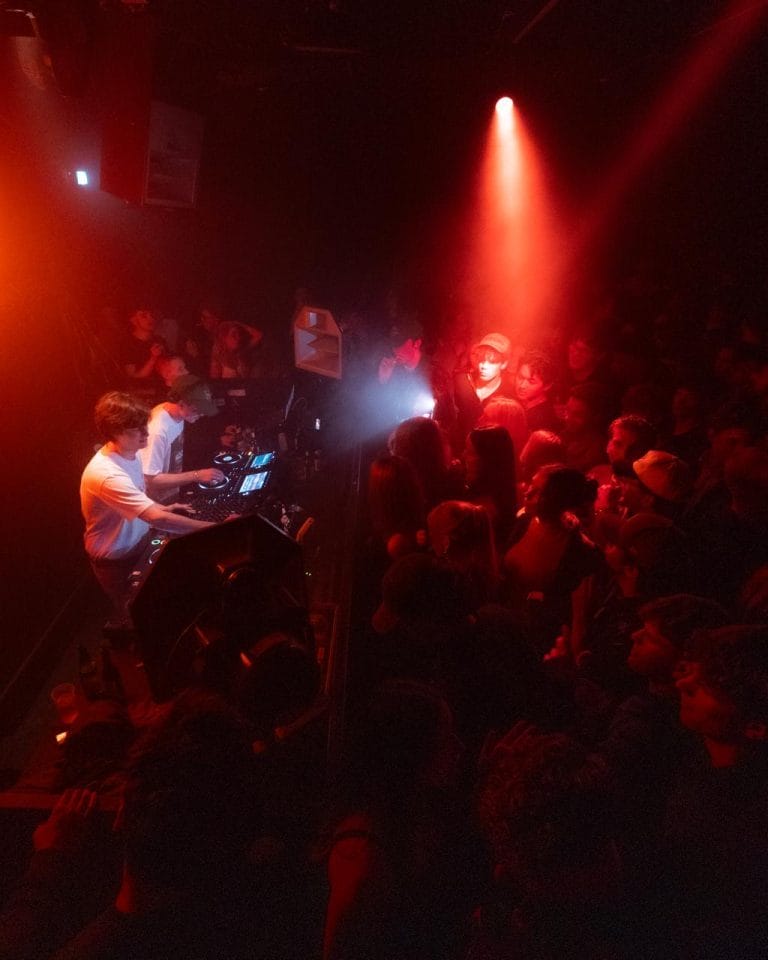
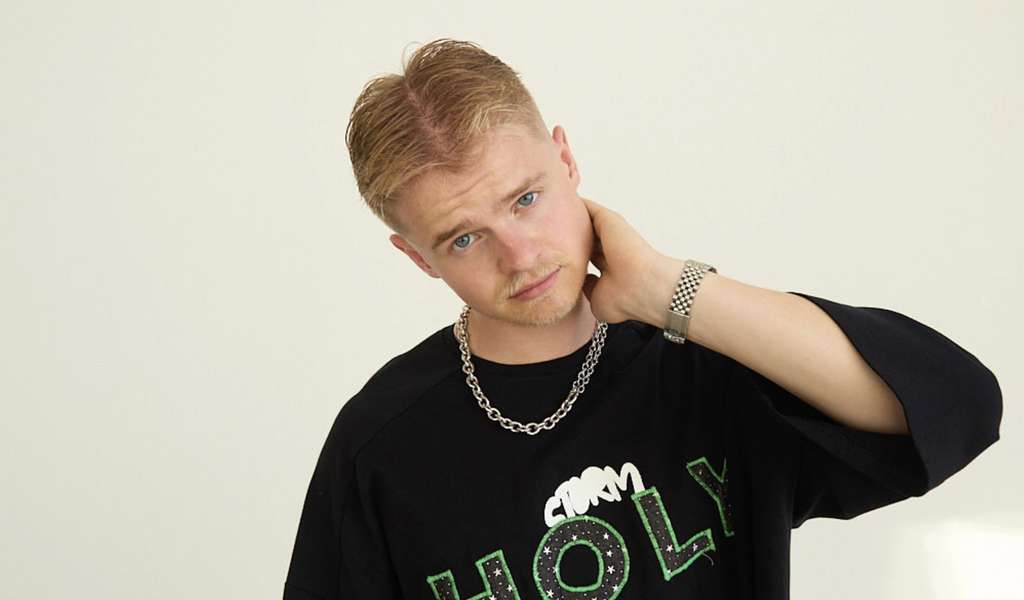
Nick Niclassen deserves a dedicated place in the Coexist story because his selection shows how the label can bring a new artist into its catalog through the music itself. He reached the final seven after a large first round, and his remix was selected after Brian had spent weeks comparing production choices and fit across the remaining entries.
For Nick, the release creates a clear connection to Coexist, as the remix is included in the full “Azur” deluxe edition. Listeners encounter his work beside Fejká’s original material and the commissioned interpretations, so the track is heard as part of a complete project rather than as a separate competition entry. That context gives the remix a permanent reference point and places his name inside a catalog with a defined audience.
His win also supports the label’s community claim in a practical way.
Open contests can easily become marketing exercises where producers contribute attention without receiving a meaningful route into the label, though this campaign ended with an entrant receiving an official release and direct editorial attention around the result. Nick’s selection confirms that an artist without a prior Coexist release could enter through a finished submission and earn a place on one of the label’s central projects.
There is also value in how the decision was made. The final group contained producers with different levels of experience and production approaches, and Nick was chosen because his version best matched Brian’s final criteria. Existing status did not decide the result, and the remix had to hold up after the field had been reduced several times.
The next question is whether this becomes the start of a longer relationship. The contest has already introduced Nick to Fejká’s audience and connected him directly with the label, though another remix or an original release would show how Coexist plans to develop artists after the first point of entry. Even without that next step confirmed, the “Azur” remix has already given Nick a formal role in one of Coexist’s busiest release periods.
The BOEM Festival Stage Takeover

Coexist’s event work became easier to define through its BOEM Festival stage takeover, which took place on Bogliasco Beach in Italy from June 26 through June 28. The lineup included Kawari, Sarapata, Fejká, Memum, Darkstates and Nsiriies, with a mix of live performances and DJ sets across the program.
The schedule started with aperitivo DJ sets at 7 p.m., then moved into live concerts from 11:30 p.m.
That structure closely matches the label’s interest in music that can move from a social listening setting into a later performance without changing its basic identity. It also gave the artists enough room to present different approaches, since a live set and a DJ set ask for different forms of preparation and interaction.

This stage takeover is a really interesting angle here as a label milestone because it moves Coexist beyond release credits and social posts. A curated stage requires the team to select artists who make sense together, coordinate the practical side of the event and present the label’s taste to people who may not already know the catalog. It turns the name into a public program, which is an important step for a project that describes itself as a community and event series.
The Italy event also widened the label’s geographic reach.
Coexist is closely tied to Fejká’s German background, though the Bogliasco Beach program placed the label in a different setting and before a mixed festival audience. The event gave the participating artists a shared context, and it showed how Coexist can support artists through programming even when they are not being introduced through an album campaign.

The Next Phase
Brian also identified a new Coexist release scheduled for July 3 as a natural publication point for this spotlight, which places the article inside an active run rather than after a quiet period. The timing follows the “Azur” deluxe edition and the BOEM stage takeover, so the label enters July with recent activity across recorded music and events.
The next phase of Coexist will be defined by how consistently the label develops names beyond Fejká. His project will remain central, though the label becomes easier to understand as an independent entity when other artists receive original releases and repeat appearances under the same name.
The “Azur” contest has already created one path into that structure, while the BOEM takeover shows another. A producer can enter through a remix and earn an official release, while another artist may enter through live programming and develop a relationship from there. Original releases from new artists would connect those routes and give the catalog a broader identity without changing the reason Coexist was founded.
What Coexist Has Established So Far

Coexist began because Fejká needed a home for music that crossed the line between ambient listening and club movement, and the label now has enough activity around it to operate beyond that original need. The albums provide continuity, while the remix campaign has opened the door to new producers and the event series has brought related artists together in public.
Nick Niclassen’s win is central to this period because it shows that the label is willing to review a large pool of submissions and commit to an official release with the producer it selects. The BOEM Festival takeover added a completely live milestone, while the July 3 release carries the label directly into its next campaign; and 2026 still has a whole lot of gas left in the tank for this label.
There are still areas that will define the next stage, especially the growth of the original-release roster and the way Coexist develops artists after their first appearance. Those questions are natural for a young independent label, and the recent activity offers a clear indication of how Brian is approaching them. He is building through finished music and direct selection, and those choices give Coexist a practical foundation for the artists it brings in next.

Will Vance is a professional music producer who has been involved in the industry for the better part of a decade and has been the managing editor at Magnetic Magazine since mid-2022. In that time period, he has published thousands of articles on music production, industry think pieces and educational articles about the music industry. Over the last decade as a professional music producer, Will Vance has also ran multiple successful and highly respected record labels in the industry, including Where The Heart Is Records as well as having launched a new label with a focus on community through Magnetic Magazine. When not running these labels or producing his own music, Vance is likely writing for other top industry sites like Waves or the Hyperbits Masterclass or working on his upcoming book on mindfulness in music production. On the rare chance he's not thinking about music production, he's probably running a game of Dungeons and Dragons with his friends which he has been the dungeon master for for many years.