The cover is one of those release-cycle details artists love to underestimate until the distributor deadline is suddenly a week away and the song still has no face.
The master is done, the pre-save is waiting, the social posts are half-written, and the artwork is still sitting somewhere between a vague mood board and a Canva tab that everyone knows is not quite working. For independent artists, that gap can slow down the whole release.

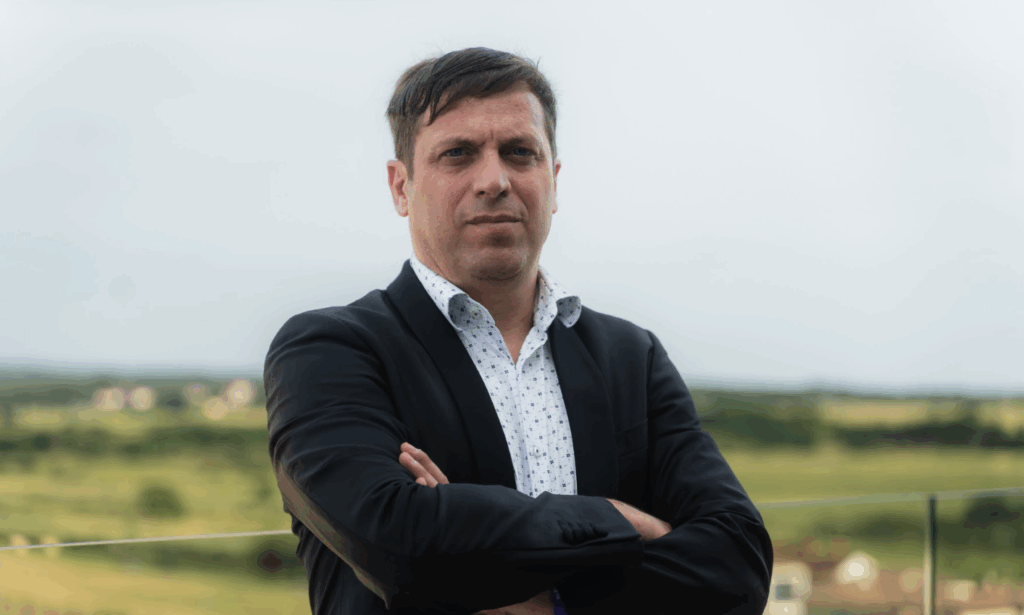
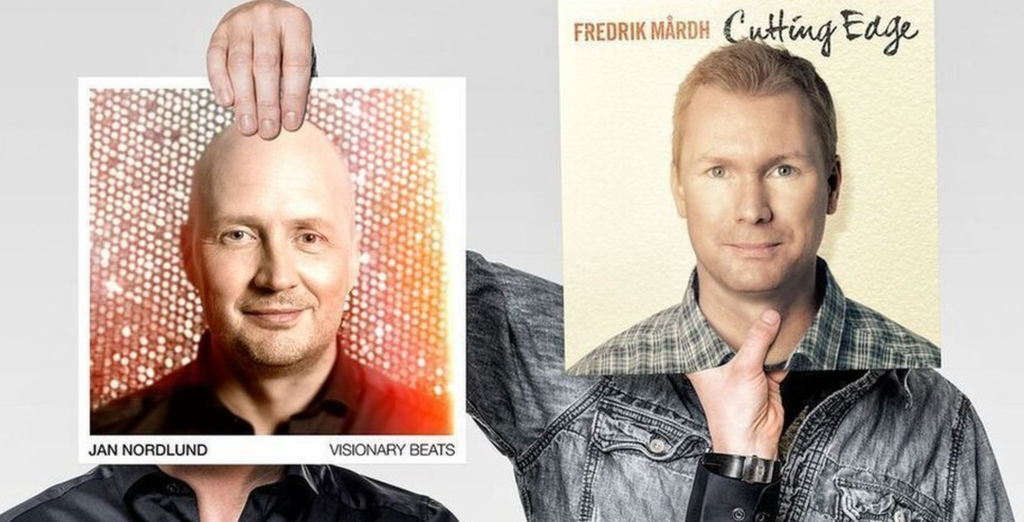
Cover Art Factory sits in the middle between doing everything yourself and waiting weeks for a full custom design process. Founded in Stockholm in 2014 by Jan Nordlund (pictured below) and Fredrik Mårdh, the company gives artists, labels, and music teams different routes depending on the release: instant artwork, designer-made covers tailored to the song, and fully custom work for projects that need something built from scratch.
That makes this more than a simple design-service spotlight.
Cover artwork is now part of the release machine: Spotify, Apple Music, YouTube, social posts, pre-save pages, distributor metadata, short-form video, ads, and whatever else the artist needs to ship that month.
In the conversation below, Jan covers where artists usually get stuck, why AI alone isn’t always enough, and the final checks every artist should make before sending a cover to distribution.
Q&A With Jan Nordlund Of Cover Art Factory
What usually prevents artists from finishing their cover artwork, and how often do they not know what they want?
Most artists have a vision of where they want to go, but find it difficult to turn that vision into a finished cover. They often know the feeling they want to convey; they just need help translating it into something visual. That’s where our designers come in.

Can you share an example where an artist’s original request changed once you understood the release better?
We’ve had several projects where listening to the music gave our designers a different perspective from the written brief. They suggested a direction that captured the release better, and the artist ended up happier with that approach.
It’s about understanding the intention behind the brief and building on it.
Where can artists use AI, and which design decisions still need a human touch?
AI can be useful for exploring ideas and creating or transforming imagery. Typography still benefits from a designer’s precise control over typefaces, spacing, placement and readability.
The same applies to image editing: combining AI with traditional techniques can work well, but someone still needs to judge what improves the artwork and what simply adds clutter. Generating an image and making a finished cover are different things.
What do artists misunderstand about the usage rights for their covers?
In our experience, this hasn’t been a recurring issue. We’ve delivered thousands of designs over the past ten years without encountering misunderstandings or dissatisfaction from artists or designers about usage rights.

What customer feedback has led to a concrete improvement in the product?
Feedback about turnaround times and communication has led us to introduce faster delivery options and make it easier for artists to communicate with their designer.
Those practical improvements help artists get from an idea to a finished cover more smoothly.
What should artists check before approving their artwork and sending it to a distributor?
Double-check the spelling of the artist name and release title, and make sure the information on the cover matches the release metadata. Also check that the artwork doesn’t include extra information that shouldn’t be there.
We include those checks as part of our process, but artists making their own covers can overlook them. Inconsistencies can cause delays or rejection during distribution.
Closing Thoughts From The Editor
The biggest takeaway here is that a finished cover is not the same thing as a generated image.
That feels obvious, but it is exactly where a lot of artists get stuck right now. AI can create interesting imagery quickly, and for many independent artists, that’s a real starting point. But a release cover still has to deal with typography, spacing, readability, artist name, title, metadata, platform rules, and whether the image actually belongs to the song. That is the part where design judgment still matters.
We touched on a similar idea in The Producer’s Role in an AI-Assisted Studio.
Faster software can help solve defined problems, but the artist still has to bring judgment to the final decision. Cover Art Factory applies that same logic to release artwork. AI can help start the visual conversation, but someone still has to decide what the cover should say and whether it says it clearly.
That also connects with How To Promote Your Music Without Posting Every Day, because artwork is one of the first things that can make an otherwise decent release feel unfinished. Artists often think promotion begins with ads, playlists, posts, or PR, but the basics still matter.
A good song with messy artwork, mismatched metadata, or a rushed visual identity starts the campaign at a disadvantage.
The distributor-check answer is probably the most practical part of the whole Q&A. Spelling, release title, artist name, and extra information sound boring until one of them delays the release. Independent artists tend to focus on the big creative decisions, but small errors that should have been caught before upload often slow down release cycles.
That is why Cover Art Factory’s middle ground is interesting.
It doesn’t argue that every artist needs a massive custom campaign. It also doesn’t pretend an instant image is always enough. It gives artists a few practical lanes, depending on time, budget, and how much the release needs visually.
For artists, the simplest lesson is this: do not leave the cover until the end and hope it somehow solves itself. Start with the feeling of the record, then make sure the final image is readable, accurate, platform-ready, and actually connected to the music. The cover may be one square, but it is often the first thing a stranger sees before deciding whether to listen.

Will Vance is a professional music producer who has been involved in the industry for the better part of a decade and has been the managing editor at Magnetic Magazine since mid-2022. In that time period, he has published thousands of articles on music production, industry think pieces and educational articles about the music industry. Over the last decade as a professional music producer, Will Vance has also ran multiple successful and highly respected record labels in the industry, including Where The Heart Is Records as well as having launched a new label with a focus on community through Magnetic Magazine. When not running these labels or producing his own music, Vance is likely writing for other top industry sites like Waves or the Hyperbits Masterclass or working on his upcoming book on mindfulness in music production. On the rare chance he's not thinking about music production, he's probably running a game of Dungeons and Dragons with his friends which he has been the dungeon master for for many years.