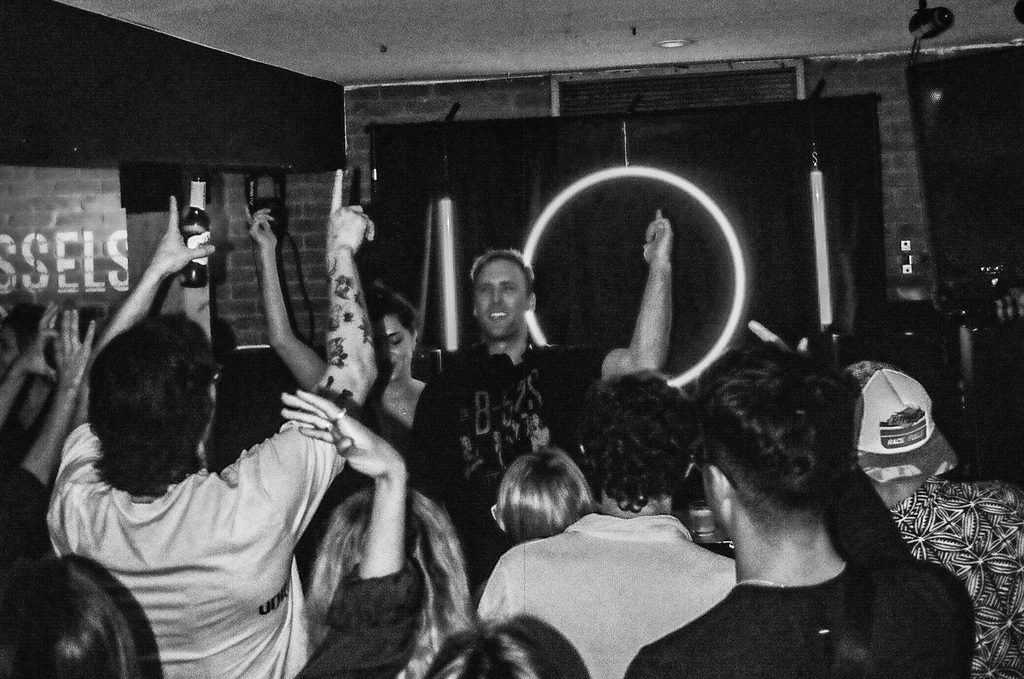
NAMM can look like a gear show from the outside, especially if all you see are launch videos, crowded booth photos, and the annual flood of “best new synths/controllers/interfaces” posts that hit the internet every January. But for DJs and electronic producers, the real reason to show up is usually less obvious and much more valuable. Itis a chance to get in the same room as the people building the gear and software that shape how records get made, sets get played, and entire workflows start changing before the rest of the market catches up.
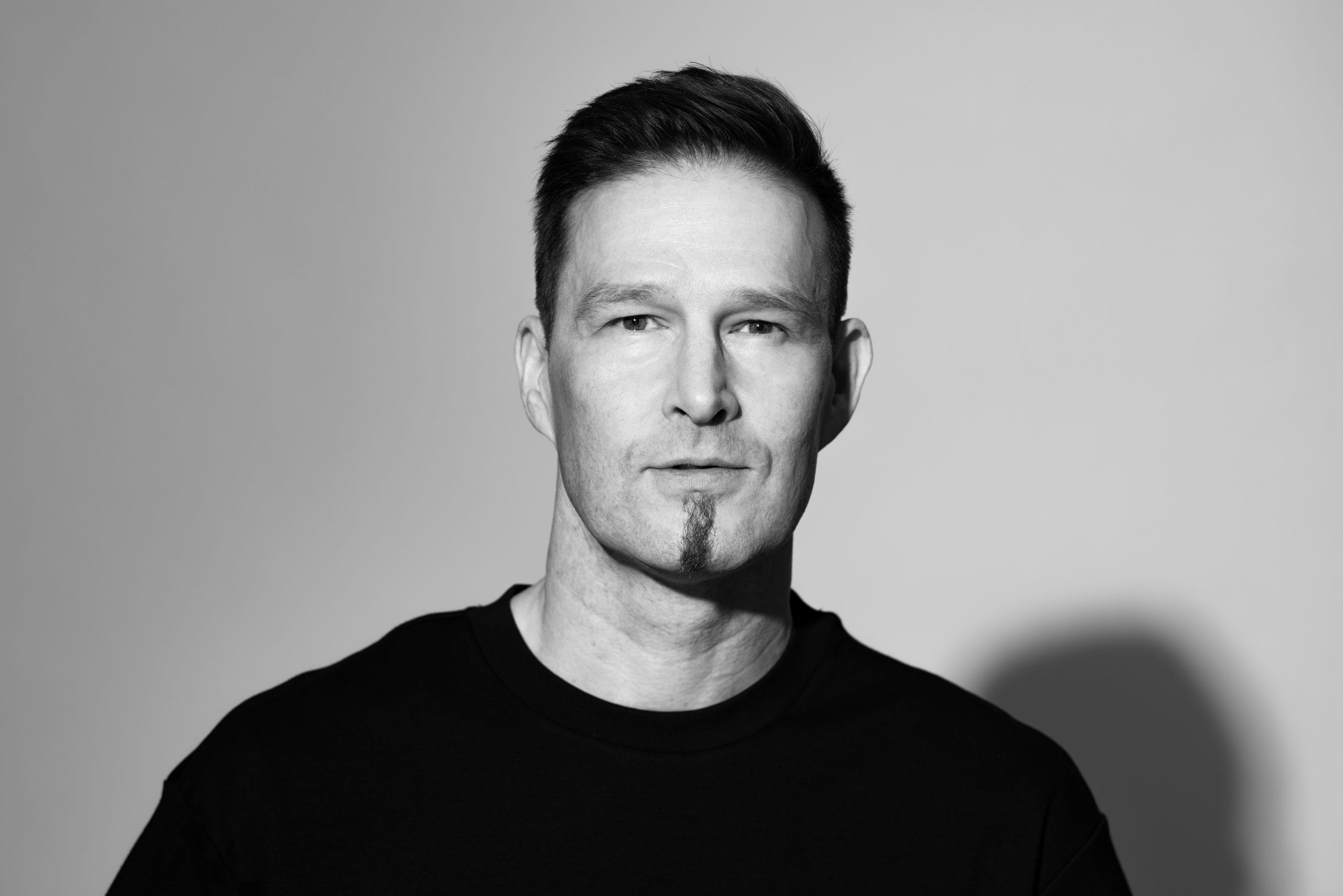
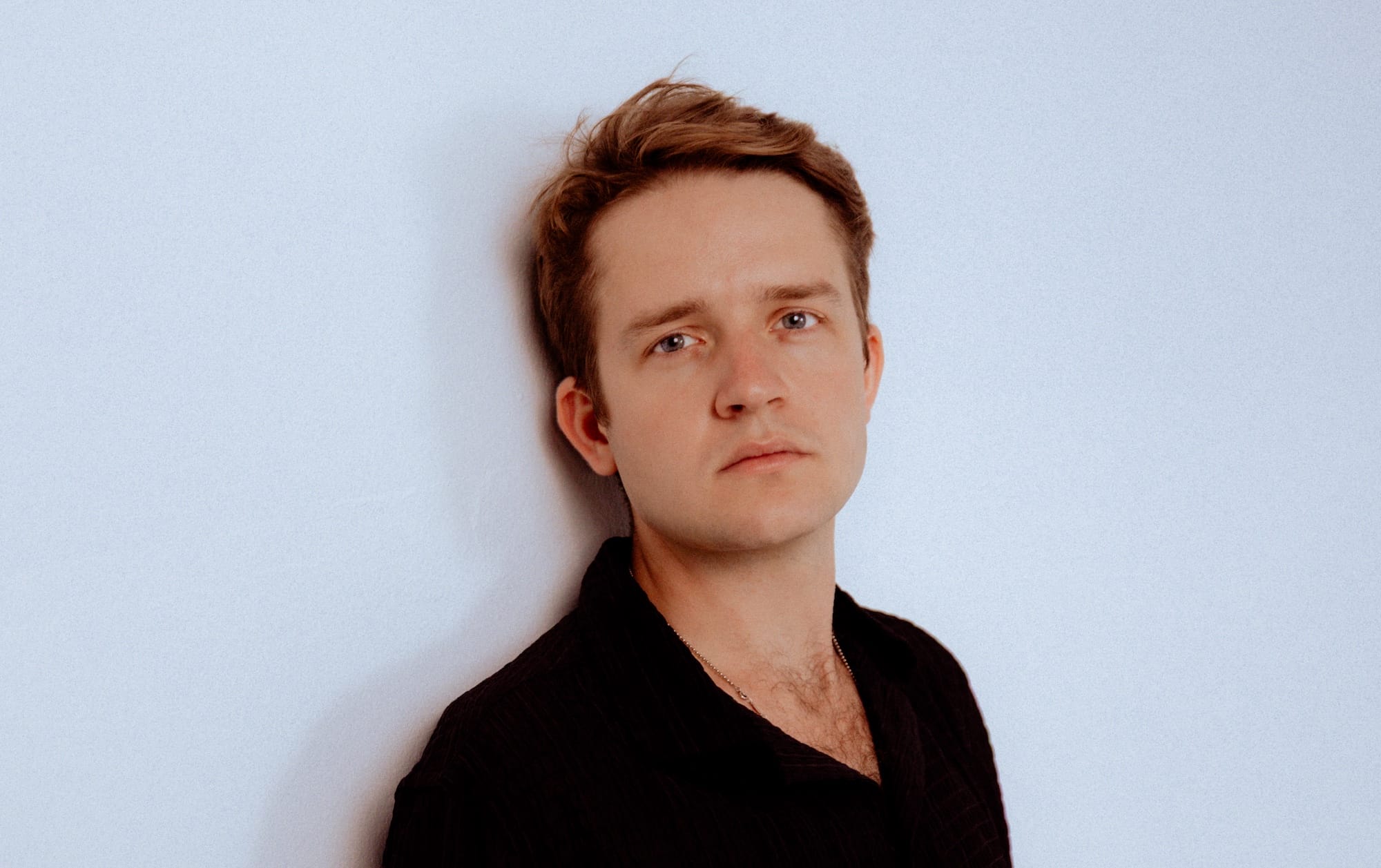
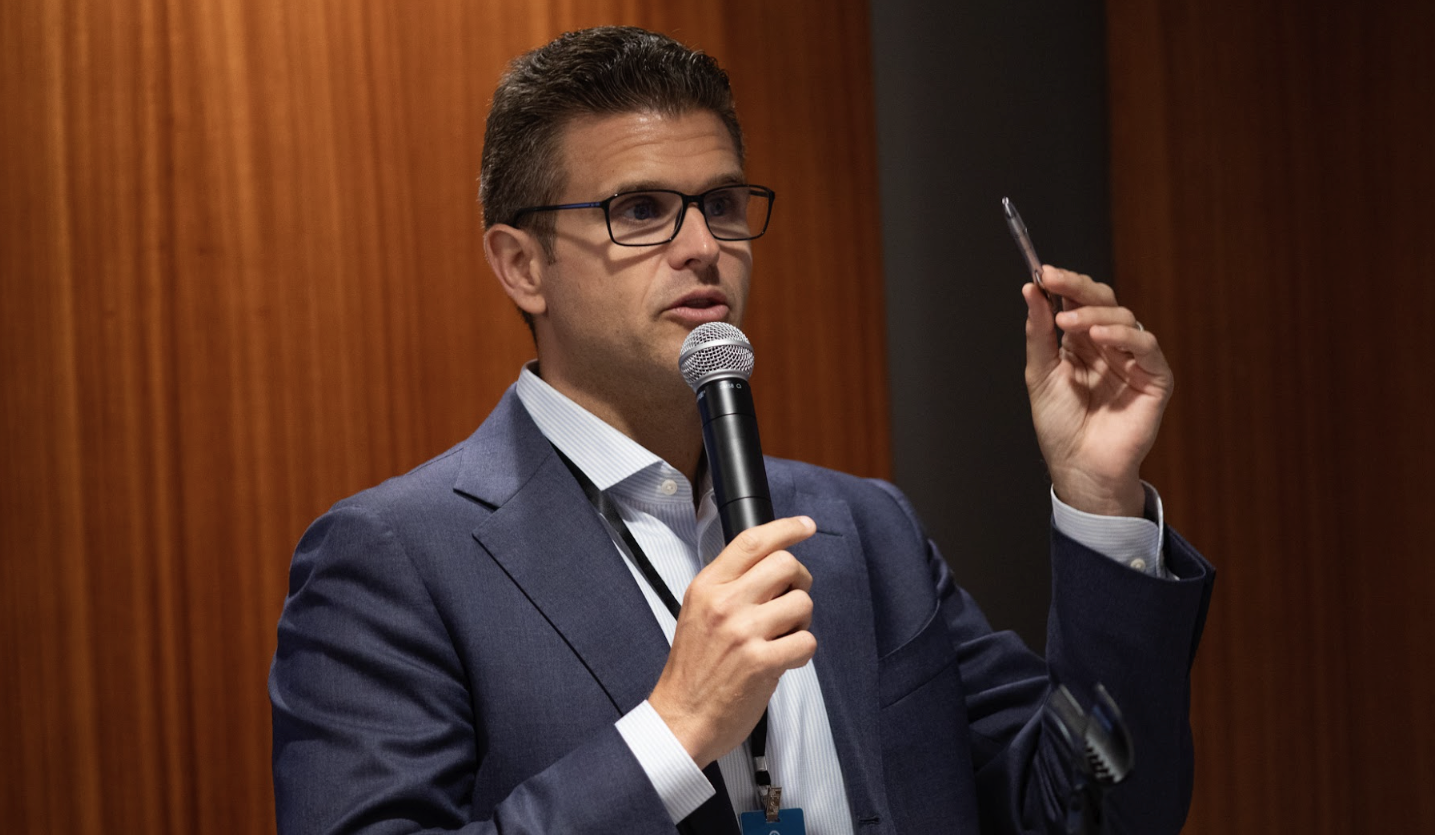
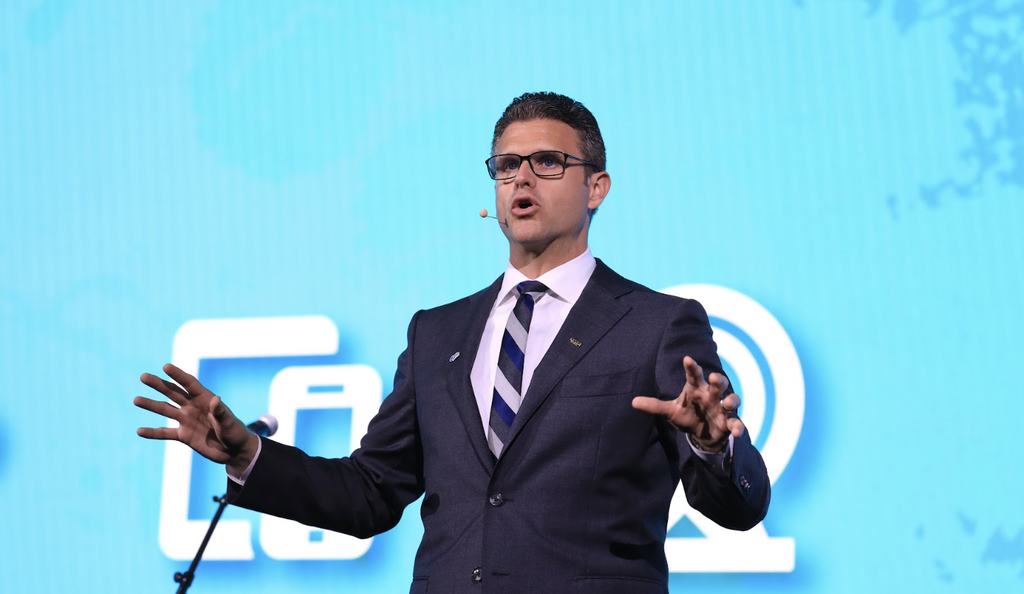
That’s what John Mlynczak (pictured above) seems most focused on heading into the 2027 NAMM Show.
As NAMM President and CEO, he isn’t talking about electronic musicians as a side audience the show needs to “include” to look modern, but instead is talking about DJs, producers, engineers, sound designers, educators, creators, and product teams as people who should talk to each other directly, because the person testing a controller on the show floor might be the same person whose feedback changes the next version. A producer is not just there to consume the future of music technology. In the best version of NAMM, they get a hand in shaping it.
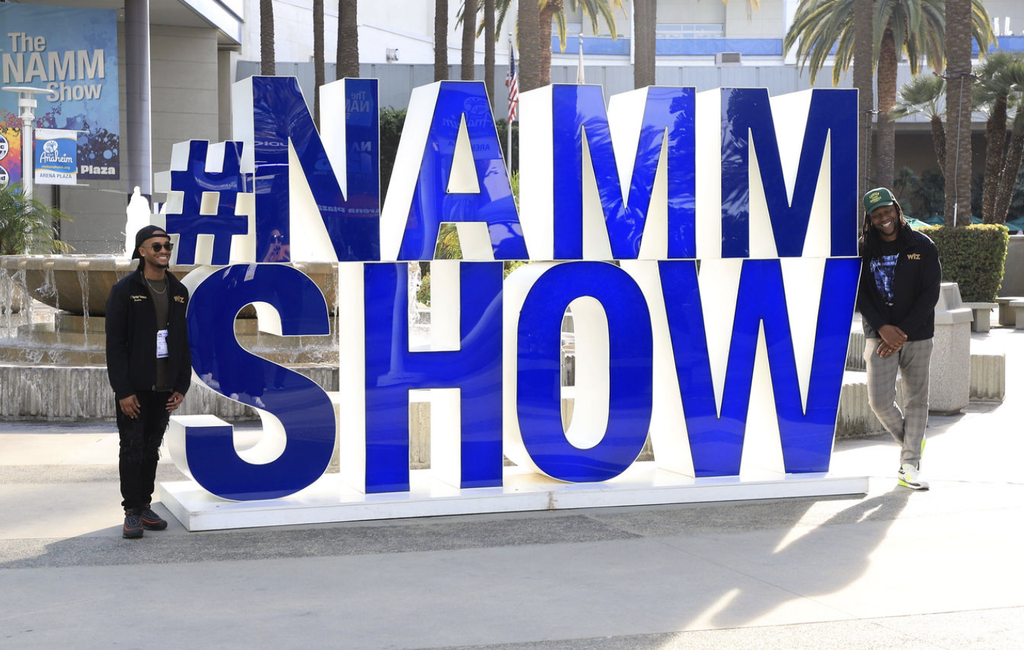
That is why this conversation feels relevant beyond the usual trade-show preview.
Electronic music no longer fits neatly into industry categories, and most working DJs and producers know that better than anyone. The same person might make music in Ableton, play a club set, teach online, run a label, build a content channel, design sounds, and try to figure out which piece of gear actually earns a place in the bag.
And so in our in depth discussion below, Mlynczak talks about how NAMM is trying to better understand that reality, why hands-on product discovery still matters, and how DJs and producers can use the show for more than just seeing what is new.
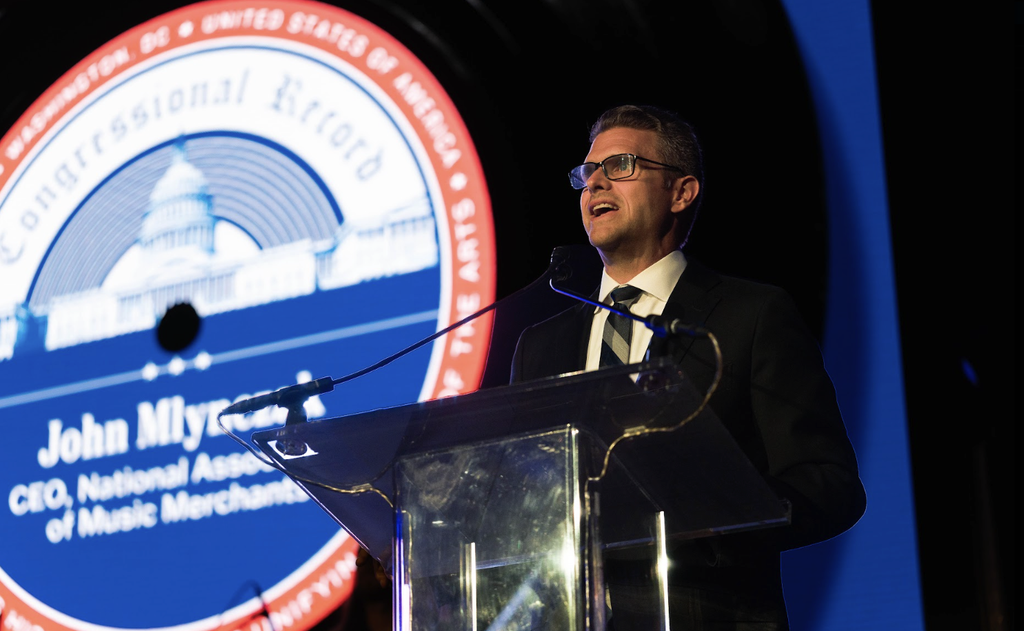
Interview With John Mlynczak
When you talk with DJs and electronic musicians about NAMM, what do they want from the show that you think the wider industry still misunderstands?
DJs and electronic musicians come to NAMM wanting an experience around the products, and a window into where their craft is headed next. The biggest misconception is that they’re only there to see what’s new. In reality, it’s about experiencing the products hands-on, understanding how those tools can push their craft forward, and connecting with other DJs and electronic musicians to learn from each other.
It’s also about the relationship with the people building those tools. When a producer or DJ sits down with an engineer or a product team at NAMM, that’s not a one-way transaction. It’s feedback that shapes what gets built next. The companies making these products rely on that direct input from the artists actually using them to create music.
Electronic music is a very practice-driven community, and a new piece of technology can change someone’s workflow, their performance, even the kind of music they’re able to imagine. The NAMM Show creates an environment where that discovery happens among the artists themselves, and between artists and the brands building their instruments. The product is part of that story, but the relationships built around it are the center. NAMM’s attendee model has also evolved to recognize a much broader range of roles, including producers, engineers and other creators.

What have you heard from someone in electronic music that made you reconsider how NAMM presents itself or plans the attendee experience?
One of the things we hear repeatedly is that electronic musicians don’t necessarily experience the industry in the same categories the industry has historically used to organize itself.
A producer might also be a DJ. A DJ might be a performer, educator, content creator, label owner or sound designer. Someone might move between hardware, software, live performance and studio production in the same afternoon.
That’s made us think much more about the attendee journey rather than simply halls, booths and sessions. Who are you? What are you trying to accomplish? Who do you need to meet, whether that’s a peer, a mentor or the team behind the gear you use every day? What do you need to learn? And how can we make those connections easier?
We actually expanded the ways attendees identify themselves because we wanted to understand those different roles more clearly and help exhibitors and attendees find one another. For many electronic musicians, the NAMM Show is the one time each year their whole community, and the companies building the tools they rely on, are in the same place at the same time. That’s where real creative ideas start to flow, around the craft and around the products that make it possible.
And it works both ways. The same attendee navigating that journey is often the one shaping what a brand builds next. Their reactions on the show floor, their questions in a session, their hands-on time with a new piece of gear all feed directly into a company’s roadmap.
When you invite an electronic artist to participate, how much opportunity do they have to shape what they present and how they present it?
At the NAMM Show, the artist has to have a voice in the experience.
If we’re asking someone to come to The NAMM Show and demonstrate how they make music, the most valuable thing they can give the audience isn’t a polished commercial. It’s insight into their process: how they think, how they solve problems, how they use technology and how they translate an idea into music.
We want artists to bring their authentic practice to the show. Sometimes that means a performance; sometimes it’s a demonstration, conversation, workshop or something that doesn’t fit neatly into a traditional format.
That authenticity matters to the brands in the room too. When an artist shows how they actually use a product, not just what it’s capable of, that’s valuable feedback for the companies building it, and it helps other attendees see real, practical ways to work with the tools in front of them. The attendees watching aren’t passive, either. Their questions and reactions in that room often shape how that gear evolves next. The more room we give artists to tell their own story, the more valuable the experience becomes for everyone: the attendee, the artist and the brand.
How do you choose artists whose contribution will help attendees understand a musical practice, including people who may have little name recognition outside their own scene?
Name recognition is one factor, but it can’t be the only factor.
We’re interested in people who can teach us something: artists who have developed a distinctive way of working, who represent an important community or who are pushing a musical practice forward.
Sometimes the person who can explain a new way of making music isn’t the person with the largest audience. It may be someone who is deeply influential inside a particular scene but isn’t yet widely known outside of it, and often exactly the kind of artist a brand needs to hear from to understand where its products should go next.
That’s an exciting path forward for The NAMM Show. We want the show to be a place where attendees can discover the next artist, the next technique, the next technology or the next idea before it becomes obvious to everyone else.
That spirit of discovery is part of what makes a global gathering valuable. One of the coolest things about The NAMM Show is that you never quite know who you’re going to meet or what you’re going to discover, and for one week a year, this entire community and the companies building their tools are in the same place to make those connections happen. The attendees who find that artist first are often the same people giving that brand the real-world feedback that shapes its next generation of products.

Looking five years ahead, which parts of the electronic music attendee experience do you most want to change, and what could people see happening sooner?
I would like the experience to feel much more personalized.
If you’re a DJ, producer, live electronic performer or sound designer, I want The NAMM Show to understand that identity and help you navigate the show around your interests: the people you should meet, the brands you should talk to, the education that’s relevant to you, the technologies you should explore and the communities you should connect with.
I also think we’re going to see more convergence between education, performance, technology and community. The boundaries between a product demonstration, a masterclass, a performance and a conversation are becoming less defined, and that convergence is where the real exchange happens between artists and the companies building their tools.
Some of that doesn’t require us to wait five years. We’re already moving in that direction through expanded training, longer-form summits, networking and more opportunities for artists and creators to participate across the show. Attendees want deeper experiences, not just more gear to look at, and they want the once-a-year chance to be in a room with their whole community and the brands that make their work possible. And it isn’t one-directional: the artists and attendees navigating that personalized experience are the ones feeding brands the real-time insight that drives what gets built next.
If a DJ who attends next year comes back five years later, what would you want them to point to as evidence that NAMM listened?
NAMM listens and evolves every single year. It doesn’t take five years to see that. You’d see it the very next time you walked the floor.
That’s actually what makes this question a little tricky to answer. If someone did wait five years to come back, they’d see massive improvement, and because we listen and evolve every year, that improvement compounds year after year. But they’d also have missed the opportunity to be part of it: four or five consecutive years of giving us and the brands they work with feedback, getting feedback in return, and growing alongside their community.
Think about what happens to the DJs and producers who come back every single year instead. They’re building relationships with the brands, working directly with the people designing the next generation of tools, and growing their network year over year. They’re part of driving the innovation and the trends, not just watching them happen from the sidelines.
So if someone does come back after five years away, I don’t want them to just notice what’s new. I want them to recognize that the people who showed up every year are ahead of them. They’ve built deeper relationships with the companies making their gear, had a real hand in shaping what got built, grown their own careers through the network they’ve built show after show, and moved their craft forward faster because of it.
That’s really the answer to the original question: we don’t want anyone to wait five years. We want people at the NAMM Show every year, because every year they’re not just attending. They’re helping shape the future of the craft alongside the brands that make it possible.

Closing Thoughts From The Editor
Mlynczak’s strongest point is that DJs and producers aren’t just attending NAMM to browse gear. That may be the surface-level version of the story, and sure, everybody wants to get their hands on the new controller, synth, interface, monitor system or production platform. But the real exchange is more interesting than that. The electronic music community uses gear hard, bends it into weird workflows, takes it into clubs, travels with it, breaks habits with it, and then gives brands the kind of feedback no spec sheet can predict.
That lines up with how we’ve approached NAMM from the producer side in our NAMM 2026 floor highlights.
The best part of walking that show is rarely just seeing the product. It is the five-minute conversation with the person who built it, the demo that shows why the workflow changed, or the accidental run-in with another producer who explains how they would use the same piece of gear completely differently.
The electronic music angle also matters because DJs and producers rarely fit neatly into one industry category anymore.
Someone can produce in Ableton in the morning, DJ that weekend, teach production on YouTube, design sounds for sample packs, mix records for friends, run a small label, and build a Patreon or Discord around it all. NAMM historically served stores, distributors, brands, educators, and buyers. The modern creator is more complicated, and Mlynczak seems aware that the show has to meet that complexity rather than ask everyone to simplify themselves for a badge category.
That connects with The Producer’s Role in an AI-Assisted Studio. That piece focused on keeping the producer’s judgment at the center as software gets faster and more capable. Mlynczak makes a similar point from the event side: technology moves culture forward only when the people making music are close enough to push back, ask questions, test ideas, and tell companies what the workflow really feels like.
His comment about artists not needing to deliver a polished commercial is important too.
A product demo can become sterile quickly when everyone tries to make the brand look perfect. But a producer showing how they actually use a machine, where it fits, where it gets weird, what it solves, and what they still wish it did better is much more valuable. That kind of session helps attendees learn, but it also helps the company understand the gap between a product’s intended use and how it actually works in musicians’ hands.
There is a risk in all of this, of course.
Personalization can become another layer of app noise if it is not handled with taste. Creator programming can become hollow if it only rewards the biggest audience. Product demos can become content bait if nobody is willing to talk about the hard parts of making music. But Mlynczak’s answers point to a better version: help attendees find the right people, let artists explain real practice, bring lesser-known scene leaders into the room, and make sure brands listen instead of just presenting.
That is probably the most important takeaway for DJs and electronic musicians thinking about NAMM. Showing up is not just about seeing what is new. It is about putting yourself in the loop before the next thing is finished. People who keep returning year after year aren’t just collecting lanyards and booth photos. They are building relationships with the teams making the products, learning faster because they are near the source, and giving feedback that can end up affecting what everybody else is using a year or two later.
So, yes, NAMM is still a gear show.
But for electronic music, it is becoming something more specific: a place where craft, products, education, creator culture, and direct feedback all get forced into the same building for a few days. That can be messy, overwhelming, and probably impossible to fully see in one pass. But it is also why the show still has a reason to matter. The floor is where the next workflow gets argued into existence before it becomes normal.

Will Vance is a professional music producer who has been involved in the industry for the better part of a decade and has been the managing editor at Magnetic Magazine since mid-2022. In that time period, he has published thousands of articles on music production, industry think pieces and educational articles about the music industry. Over the last decade as a professional music producer, Will Vance has also ran multiple successful and highly respected record labels in the industry, including Where The Heart Is Records as well as having launched a new label with a focus on community through Magnetic Magazine. When not running these labels or producing his own music, Vance is likely writing for other top industry sites like Waves or the Hyperbits Masterclass or working on his upcoming book on mindfulness in music production. On the rare chance he's not thinking about music production, he's probably running a game of Dungeons and Dragons with his friends which he has been the dungeon master for for many years.