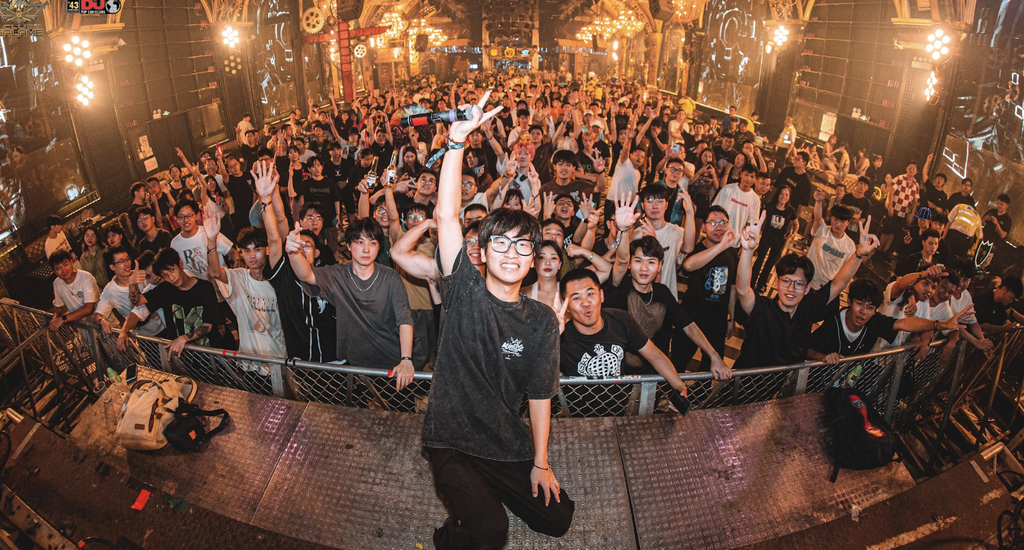
Anyone can make a local party look bigger than it is for one good weekend.
That part is not easy, but it is at least familiar: book a room, land the lineup, sell the story, hope the date does not get crushed by weather, competing events, bad timing, or some invisible shift in the crowd’s mood.
The harder question is what happens after it works. Does the promoter understand why it worked, or do they just repeat the same thing until the magic starts to leak out?
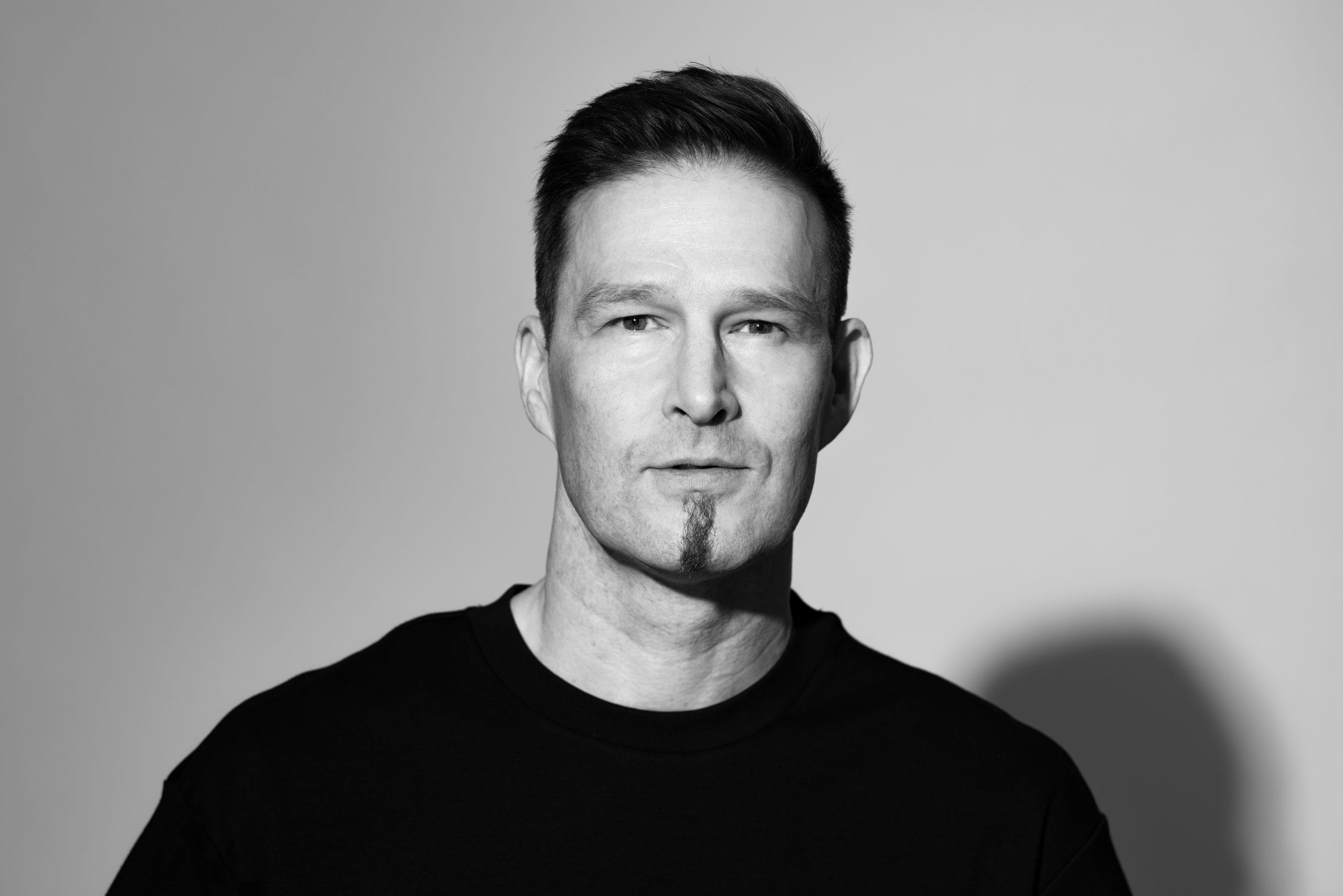
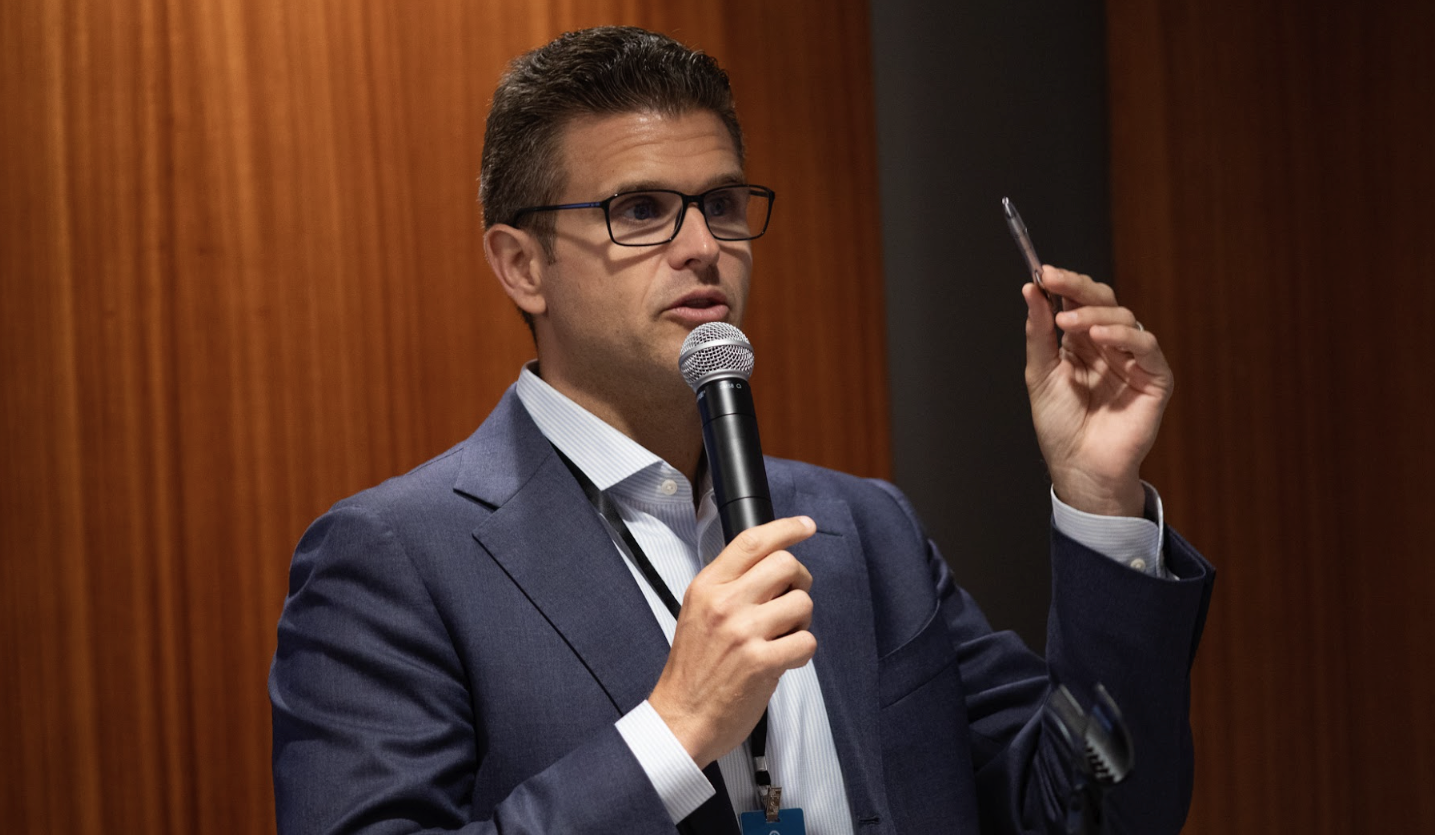
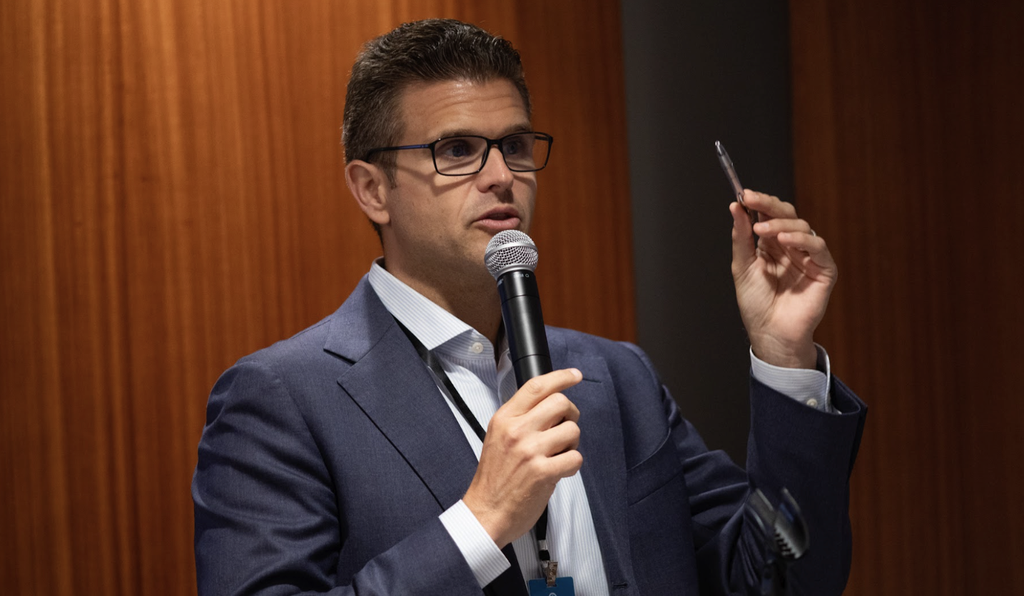
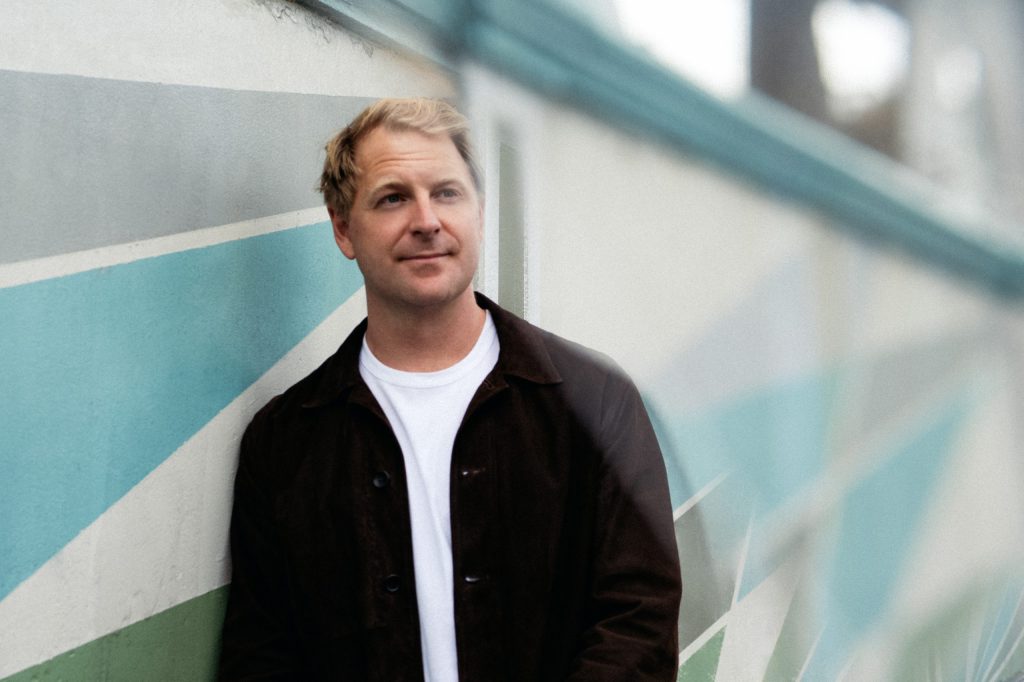
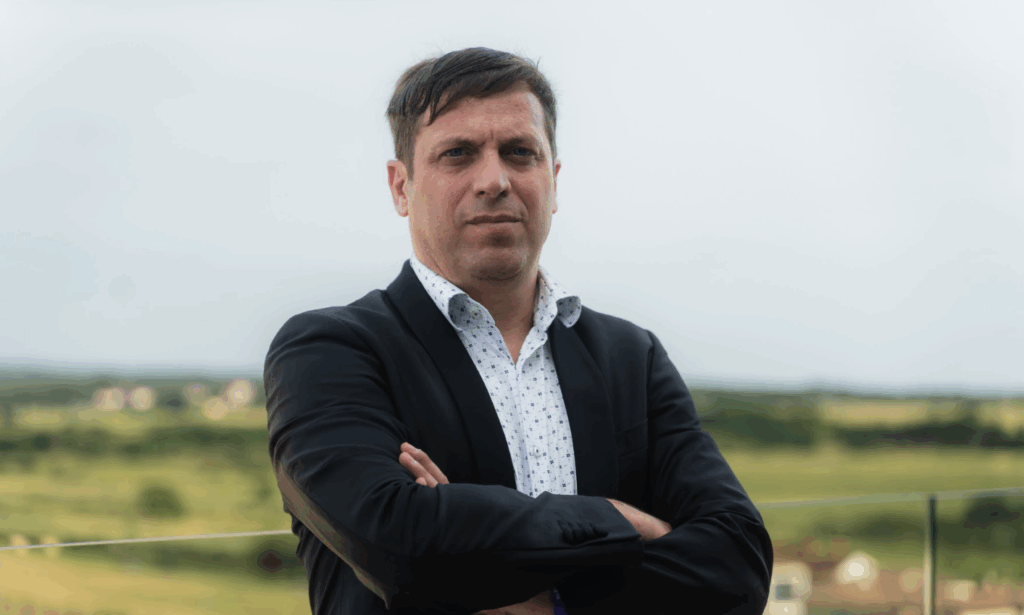
That is where Matthew Hoag’s (pictured above) perspective matters in the room.
He’s been on the artist side, the promoter side, the manager side, and the global-brand side of dance music, including time as Global Commercial Director at elrow during one of the brand’s biggest international growth periods. Now, with Interstellar.plus, he works more as an investor and advisor across live entertainment, music, technology, and creative-tech companies, so he looks less at one event in one city and more at the systems that let a cultural idea travel without becoming a replica of itself.
The conversation below is not really about throwing bigger parties.
It is about what separates real community from follower counts, why a first booking often depends on trust before numbers, how promoters and artists misunderstand each other, and why Hoag sees markets like MENA, India, and Southern Africa as places the wider industry still underestimates.
It also sits neatly next to the conversations we have been having recently around promoter models, artist branding, and the difference between a local moment and something built to travel.
Interview With Matthew Hoag

When an artist or their manager pitches you a show, what’s the first thing you check?
There are several elements that are important when booking an artist. The music would be the first one: what is the music selection the artist is proposing, and how deep he or she is diving into it.
Next to it is the mixing technique: how the changes from track to track are executed, how the equalizer is managed, etc. You need to understand the technical side of it. After that would come the ability to read the crowd and adapt the set to it.
Then is the time of the charisma: how charismatic the artist is. You may ask how to find all of these elements? A booker or curator needs to work as much as the artist, just in another field. There is a lot of research, discovery, and digging behind any decision. If you want to achieve quality, you need to invest time, energy, and goodwill to come to the desired outcome, and so does the artist, but also the curator.
What tells you they can bring the right crowd, not just followers on paper?
There is something that goes beyond the usual followers on paper, as you say it: the community.
After more than 25 years in this industry, you can easily understand if somebody has built a proper community around them. The artist’s name comes up in debates, friends of friends are mentioning the artist, he or she starts to play the right spots, etc.
There is a sort of magic happening that is hard to explain once things are done in the right way, and you can notice that there is somebody in the scene who is doing things right.
Having been both the artist-facing manager and the commercial decision-maker, what’s the biggest misconception each side has about the other?
Probably that being a promoter is easy, and that artistry doesn’t require incredibly hard work.
If you look at it from the human perspective and the business perspective, promoters are risking a lot in putting together shows. The level of stress they are under is huge. It is like a casino. You are betting a lot of money on a certain number of things: lineup, date, venue, collaborators, etc. It is a very risky job that has sunk many people’s careers and companies.
On the other hand, artists need to travel intensively. Flights over flights, hotels over hotels. It may be glamorous on the outside, but it is intensively tiring, and there are not only weekends. During the week, there is a lot going on: a label to be run, music to be made and found, agencies to maintain, press and media, etc.
It is incredibly rewarding, yes, but at the same time the price you pay is extremely high. Let’s not forget, only a handful of artists worldwide are living the dream, as well as only a handful of promoters run successful brands. It is complicated on both sides.
Why does that first booking usually come down to trust before it ever comes down to numbers?
Each of us needs somebody to believe in them. Each of us needs that somebody who gives them the opportunity.
In order to be able to give somebody this opportunity, what you need first is trust. That feeling that: okay, I’ll trust you, I trust God, that everything will be as it needs to be, even if the numbers now are not telling us the same story.
At the end of the day, it is about trust, always and forever. We just choose on which side we allocate it, either God or money. I prefer the first.

You’ve taken brands from a strong regional reputation to global operations. What do you need to watch out for when a brand tries to scale too fast?
There are a lot of different elements, however in the end the most important ones are the uniqueness of the brand, of the product. Is this another replica of what we can see in the market today? Which show elements are unique and we still haven’t seen in the market? How easily replicable are they?
You know, many times successful stories start without too much research and programming. They start from the necessity of innovation or from bedroom ideas. I know quite a lot of them.
The next one will be the vision the founder or the founding team has. How much they dare to dream big, how scared they are to build something unique, appealing, and global. There are many incredible brands that operate locally and not globally. Nothing wrong with this. If somebody’s goal is to entertain their regional crowd, more than great. But if you want to have a global brand, what you need is to have a huge vision and a unique product.
You’ve got big hopes for markets like MENA, India, and Southern Africa rather than the usual Western capitals. What are you seeing there that the industry is still underestimating?
Ultimately, entertainment is communication. You are providing platforms for people to have fun, to forget about their day-to-day challenges. This has been done in the regions you are mentioning for thousands of years, not in a similar way as in the West, but it is done.
Also, just because this has not been done like in the West, it doesn’t mean that it is not as good as there. On the contrary, one of the best moments of my professional career happened in the so-called emerging markets. By the way, many times they are more emerged than the so-called mature markets.
At the same time, they usually have an intensively rich cultural background that has not been contaminated so heavily by Western cultural imperialism. Of course, you have places that are more under this influence and places that are less, but for the majority, they were able to maintain their sovereignty, and this is refreshing and unique.
I’m a firm believer that a multipolar world is much more interesting than the non-multipolar one. Life is great because of its different colors. Having everything in black and white is not fun at all. We should be looking at these markets with respect and genuine interest to understand more, and we will be surprised how cool they are and how great their ecosystems are.
Closing Thoughts
The part of Hoag’s answer that feels the most honest is the casino line. Promoters know it, but artists do not always feel it until they have tried to put their own money on the table. Every show is a bet on timing, taste, venue, local relationships, the right date, the right price, the right story, and a crowd that may or may not behave the way the numbers said it would.
That does not mean promoters deserve sympathy by default, but it does mean the job is a lot more fragile than people outside the business usually want to admit.
That is why his answer about community hits harder than any metric talk would have.
Followers can be bought, inflated, inherited, or made temporarily useless by the wrong market. Community is harder to fake. It shows up when an artist’s name starts moving in conversations, when the right people keep mentioning them without being prompted, and when the bookings begin to feel like they are emerging from the scene instead of being forced into it. That same tension sits under our piece on how Lantern House is challenging the one-night promoter model, where the real question was not simply how to throw a better party, but how to build a format that gives people a reason to keep returning.
That connects cleanly with Darin Epsilon’s interview on branding beyond the gimmick. Darin’s point was that identity needs to come from a real point of view, not a costume. Hoag is saying something adjacent from the booking and business side. A brand that scales too fast without a unique product or real vision becomes easy to replicate, and once it becomes easy to replicate, the market starts treating it like any other interchangeable night.
The scale conversation is where this gets most interesting. A local brand can be excellent without ever needing to go global. Hoag is careful about that, and it is an important distinction. Not every promoter needs to build the next elrow, and not every scene benefits when its best ideas are ripped out of the room and sold back as a touring package. But if the goal is global, then the product has to be unique enough to travel and flexible enough to survive the trip.
We have seen a smaller, more local version of that same issue in The Secret Grove Collective’s work in Oregon’s club scene. That piece was not about global expansion, but it was about the local mechanics that make a scene feel less passive: curation, consistency, audience education, and a promoter understanding what the room needs before the room can articulate it. Hoag is talking at a much larger scale, but the foundation is still similar. The crowd has to believe the people programming the night know what they are doing.
His comments about MENA, India, and Southern Africa are worth sitting with because they push against the lazy version of “emerging market” language. Hoag is not talking about these regions like blank spaces waiting for Western nightlife to arrive and fix them.
He is saying the entertainment traditions are already there, the cultural background is often richer than outsiders understand, and the industry needs to approach those ecosystems with respect instead of assuming the Western model is the finished version of the future.
The trust answer is probably the one operators will either love or argue with. Hoag says the first booking often comes down to trust before numbers, and he frames that almost spiritually. Some people will hear that and think it is too romantic for a business that can bankrupt people quickly. But the practical version is hard to deny: every meaningful early booking involves somebody believing before the proof is complete. The question is whether that trust is informed by taste, work, research, and instinct, or whether it is just gambling dressed up as vision.
That is where Hoag’s experience matters.
He is not dismissing risk because he has never carried it. He is saying the risk never disappears, even at higher levels. It only becomes more expensive, more complex, and more dependent on whether the people involved understand the difference between momentum and noise.
The bigger takeaway is that scaling in nightlife is not only a business problem.
It is a cultural one.
You have to know what cannot be copied, what should not be copied, and what has to change from market to market without losing the original reason people cared. Hoag’s answers keep circling back to that same idea: the artist has to work, the curator has to work, the promoter has to risk, the brand has to mean something, and the next growth market deserves respect before it deserves a strategy deck.

Will Vance is a professional music producer who has been involved in the industry for the better part of a decade and has been the managing editor at Magnetic Magazine since mid-2022. In that time period, he has published thousands of articles on music production, industry think pieces and educational articles about the music industry. Over the last decade as a professional music producer, Will Vance has also ran multiple successful and highly respected record labels in the industry, including Where The Heart Is Records as well as having launched a new label with a focus on community through Magnetic Magazine. When not running these labels or producing his own music, Vance is likely writing for other top industry sites like Waves or the Hyperbits Masterclass or working on his upcoming book on mindfulness in music production. On the rare chance he's not thinking about music production, he's probably running a game of Dungeons and Dragons with his friends which he has been the dungeon master for for many years.