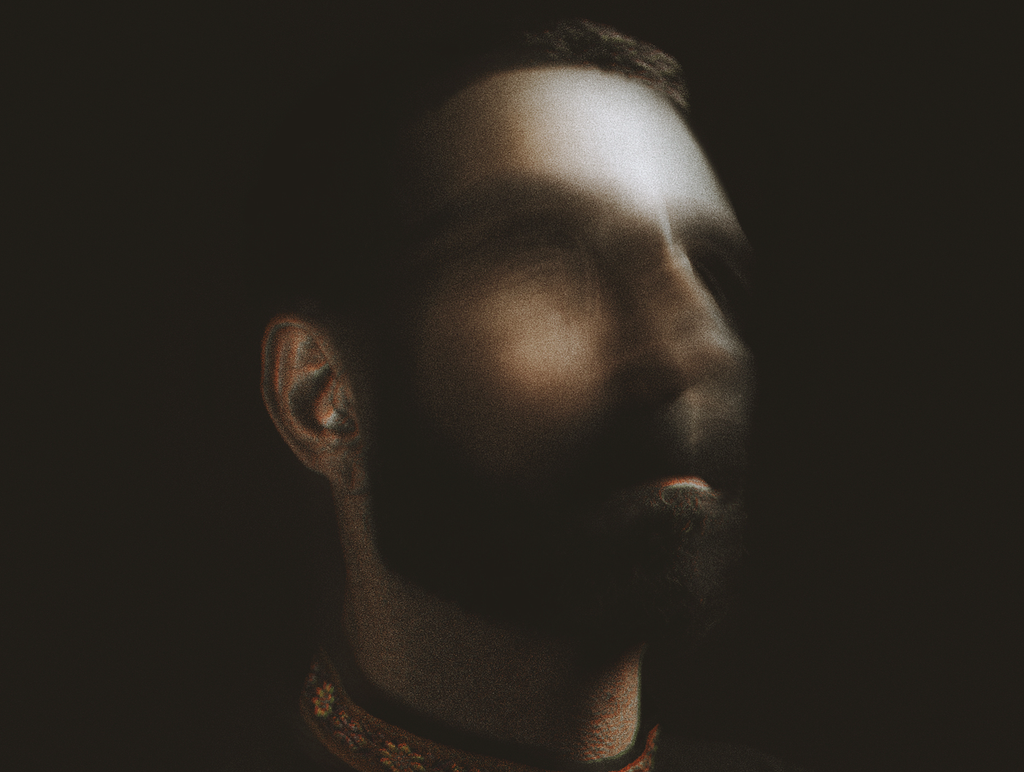
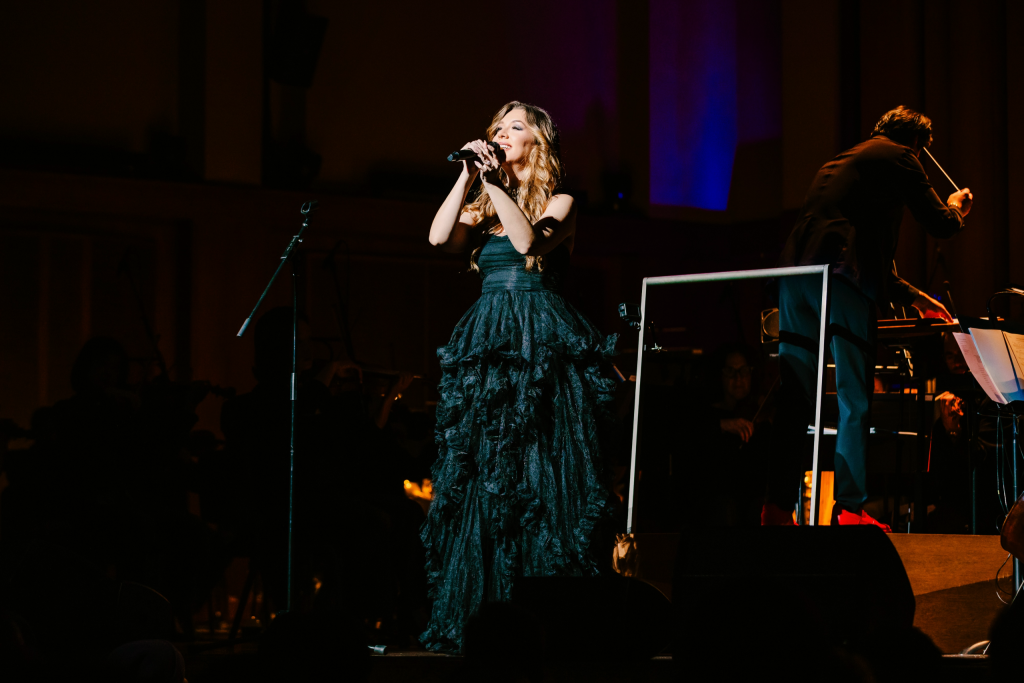
Nick Niclassen’s (@nickniclassen_) remix of Fejká’s “Azur,” which was recently released alongside industry legends like Max Cooper and Chris Luno, works so well because it came from a pretty authentic place, even from its earliest sketches. Fejká had already been part of his listening life for years, and “Hiraeth” was one of those records he kept coming back to when he was low. So when the “Azur” stems were released, he downloaded them partly because he wanted to understand how the track was built, and partly because remix contests are among the few external prompts that actually help him finish music.
What’s useful about his answer is that the winning version didn’t come from forcing the first idea through. He wrote a chord progression around one part of Johansson’s vocal, realized it wasn’t doing much for him, deleted it, and started again from a different section. That second pass became the breakdown, and once the chords clicked, the remix started making sense fast enough that he listened back to the first version dozens of times the next day and still liked it.

The interview gets into that process, but it also opens up a broader conversation about pressure, taste, and building an artist project without letting outside noise steer the whole thing.
Nick is also helping build Krüsch, an event concept that sold 600 tickets on its first run and 850 for their second date at the Fabrik in Hamburg four months later, so he is seeing both sides of the equation right now: the private work of figuring out his sound and the public work of creating rooms that people want to come back to.
Interview With Nick Niclassen

You have spoken about external pressure quietly steering you away from what you felt. Where was that pressure coming from as an artist?
I used to believe that my music had to be mainstream to succeed. But I have realized that what matters most to me is creating music that has personal meaning and reflects my own story.
The only thing I can truly control is making the best music I am capable of. Whether it resonates with a wider audience is out of my hands.
The music industry is incredibly competitive. You are expected to be unique while still sounding familiar enough to appeal to the masses. Instead of chasing that balance, I want to focus on creating music that has meaning for me and feels authentic to who I am.

What made you enter Fejká’s “Azur” remix contest?
Fejká’s music has been part of my life for many years. His track “Hiraeth” is one of those songs I have often returned to whenever I was feeling down.
When I saw that he was hosting a competition, I downloaded the stems out of curiosity. I wanted to see how one of his productions was put together and see what I could create with it.
I have also taken part in several remix competitions before and have always found them to be a great way to learn. Having a clear deadline helps me actually finish projects.

Which element from the original recording gave you the clearest starting point for your version?
I initially wrote a chord progression for the first part of Johanson‘s vocal, but I just could not get it to a point where it truly moved me. In the end, I deleted everything and shifted my focus to what eventually became the breakdown, using a different section of the vocal instead.
From there, I wrote a new chord progression, and everything started to fall into place naturally. The next day, I listened to that first version at least 50 times, and I still genuinely enjoyed it, which felt like a good sign that I was onto something.
How do you make slower electronic music work in a club while protecting the pace and mood that drew you to the idea?
Honestly, I do not yet. At the moment, I am not performing my own music.
Right now, I am focused on building a larger catalog of tracks and, in the long run, creating a full live set. I do not want to rush the process. I want to make sure I create the right setting and bring it to the right audience once the time is right.

Your first Krüsch event sold 600 tickets, then the Fabrik date sold 850 four months later. What did you learn from that growth?
Krüsch has taught us that external factors can have a huge impact on ticket sales, and many of them are simply out of our control.
Whether we are playing in front of 300 or 850 people, our goal is always the same: to create an event where people can expect a warm, welcoming atmosphere with attention to detail.
Even as our events have grown, we have intentionally designed them to feel intimate through our choice of venues and the overall setting.
You are developing your artist project while helping build Krüsch. Which area needs the most attention over the coming year?
I think both aspects complement each other and are a great source of joy for me.
Overall, I believe my main focus should be on creating music that reconnects me with why I started making music in the first place. Rather than trying to meet industry standards, I want to focus on what has always drawn me to music and create from that place.


Will Vance is a professional music producer who has been involved in the industry for the better part of a decade and has been the managing editor at Magnetic Magazine since mid-2022. In that time period, he has published thousands of articles on music production, industry think pieces and educational articles about the music industry. Over the last decade as a professional music producer, Will Vance has also ran multiple successful and highly respected record labels in the industry, including Where The Heart Is Records as well as having launched a new label with a focus on community through Magnetic Magazine. When not running these labels or producing his own music, Vance is likely writing for other top industry sites like Waves or the Hyperbits Masterclass or working on his upcoming book on mindfulness in music production. On the rare chance he's not thinking about music production, he's probably running a game of Dungeons and Dragons with his friends which he has been the dungeon master for for many years.






![How It Was Made: Lang Father i(Junkyard Dog) [Welofi]](https://magneticmag.com/wp-content/uploads/2026/10/Press-Pic_2-1024x576.jpg)