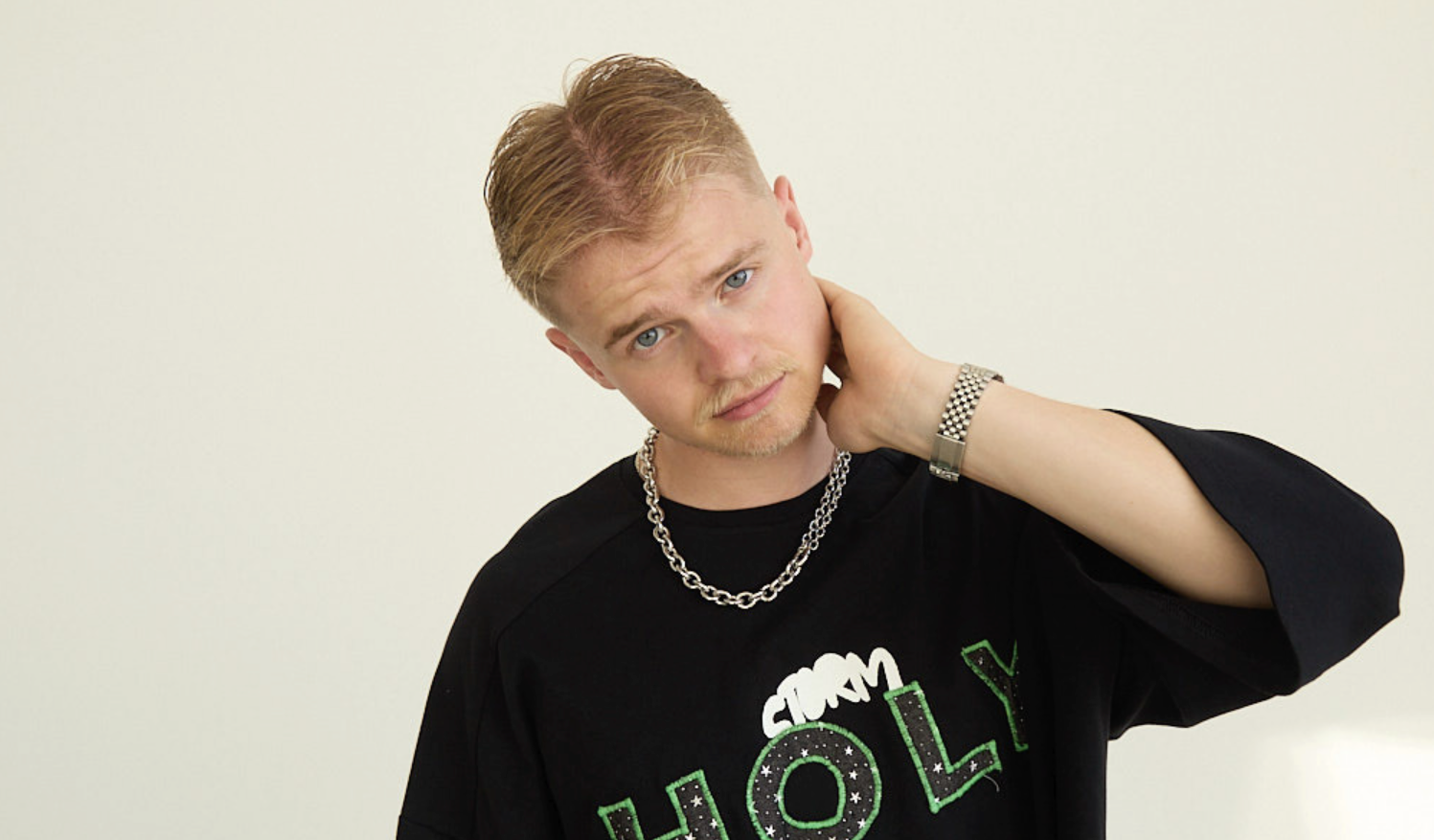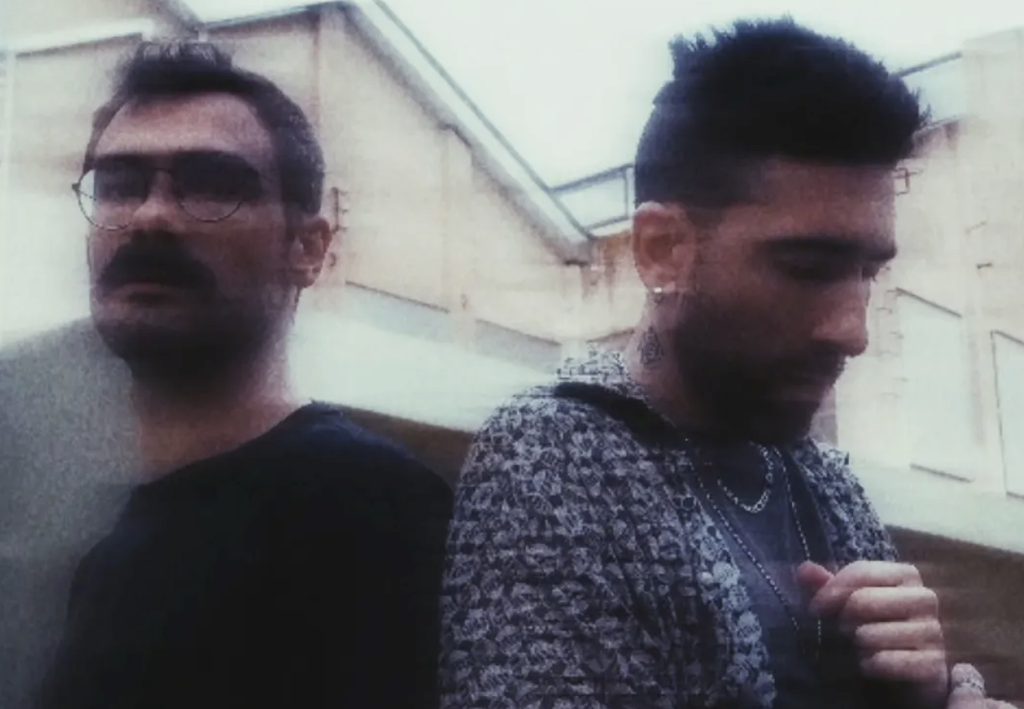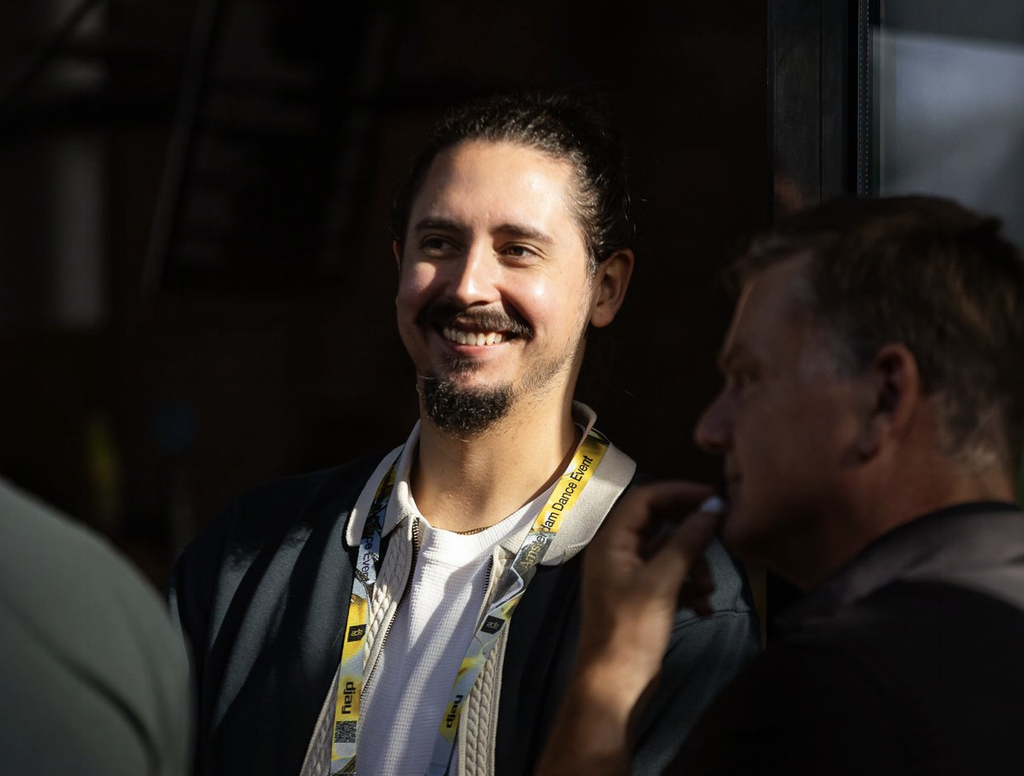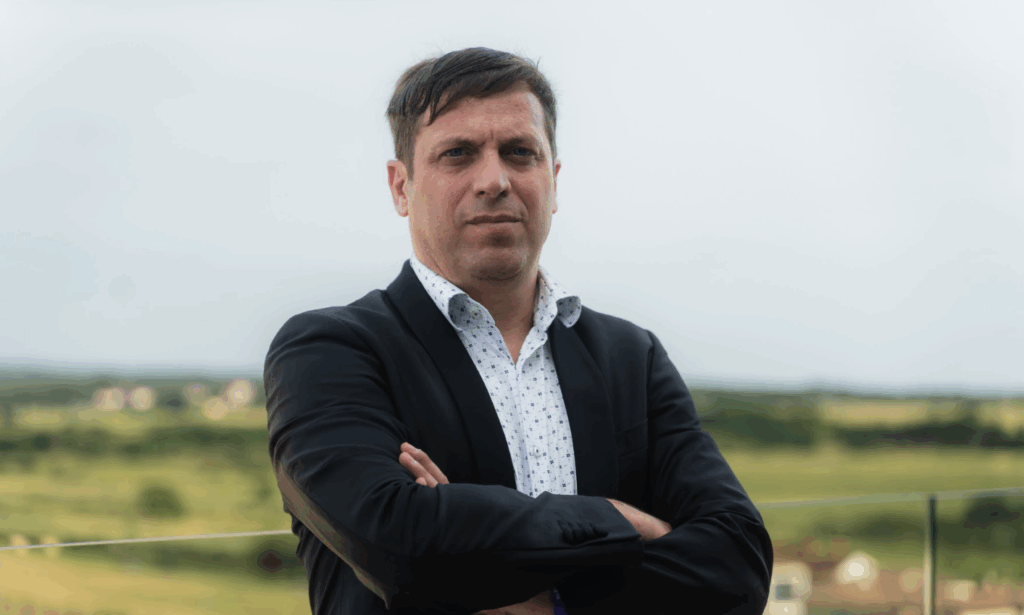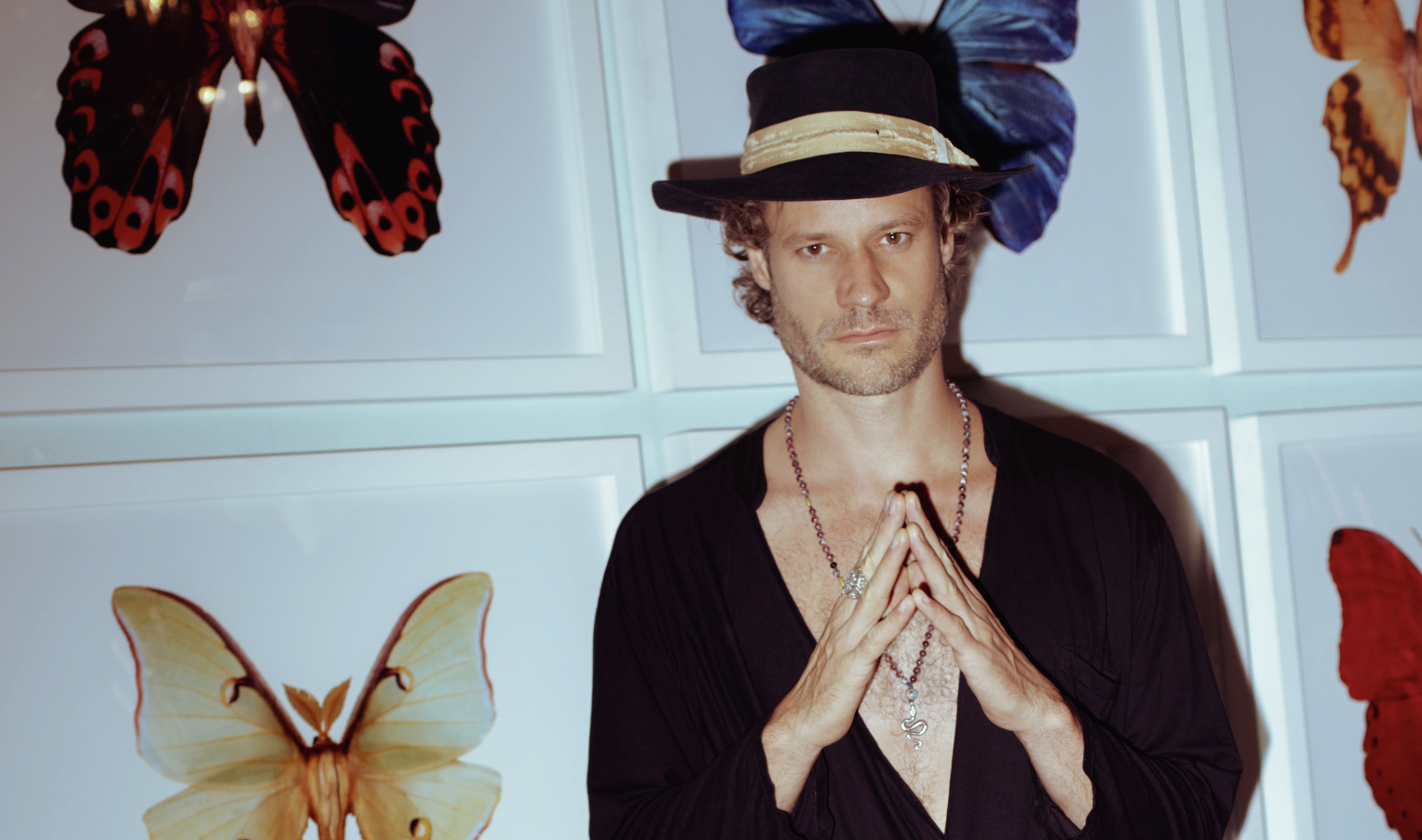
There is a real difference between releasing music and building a place for it to live.
Allen Hulsey (@allenhulsey) has released records through labels like Katermukke, Einmusika, Pipe & Pochet, and Elektron, so Fables didn’t have to be the kind of album that existed only because no one else would touch it. More interestingly, he had options and still decided the first full album needed its own container.
That container is ABAQ, a new record label and event series built around the album, its remixes, and the live community Hulsey wants to build around the music. That makes sense for an artist whose work has always had a physical side.
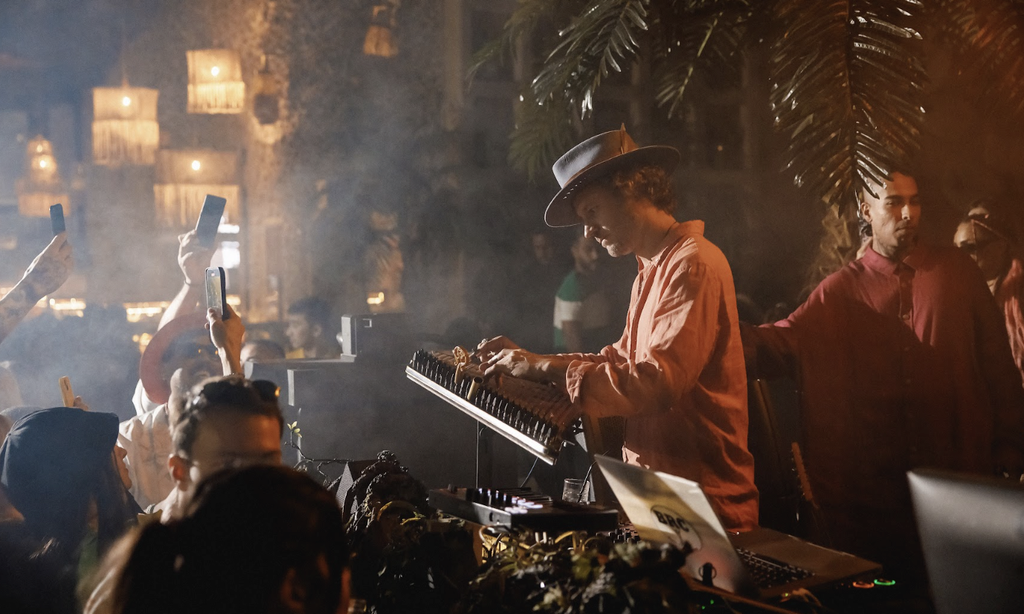
He is a singer, multi-instrumentalist, live performer, MIDI-guitar player, and improviser whose sets move through vocals, ethnic instruments, looping, Ableton Live, and a stage presence that doesn’t translate cleanly into a streaming link alone.
That is why Fables being available on vinyl matters here. It is not only a format choice. It points to the larger decision behind the project: keeping the rights, controlling the visual and musical world, building the remix cycle properly, and tying the release to events where people can experience the music.
In the in depth discussion below, Hulsey talks about launching ABAQ, choosing the final 11 songs from a much larger body of work, honoring Nico Stojan through the “Erase” remix, and why the real measure of the label may be what happens in the room rather than what happens on a dashboard.
Interview With Allen Hulsey

You’ve released music on labels including Katermukke and Einmusika, so you already had established outlets for your records. What did you want to do with “Fables” that convinced you to start ABAQ and release it yourself?
For me, it was important to release the music on my own terms and follow my own artistic vision. Releasing on other labels can be great, but I felt that retaining the rights and having full artistic control were important for my first full album release.
It also made sense because I knew very early in the process that I wanted to release it on vinyl, so I was able to expedite that process as soon as the tracks were mastered.
Starting a label and an event series adds a lot of work alongside writing and performing. What convinced you to launch them together, and which responsibilities have taken the most adjustment so far?
I have always felt that labels and event series go best hand in hand. The events allow me to highlight other artists and create unique opportunities for collaboration and community building.
There is a lot of responsibility that comes with it, but ultimately, the in-person events are part of what makes it more tangible and rewarding.
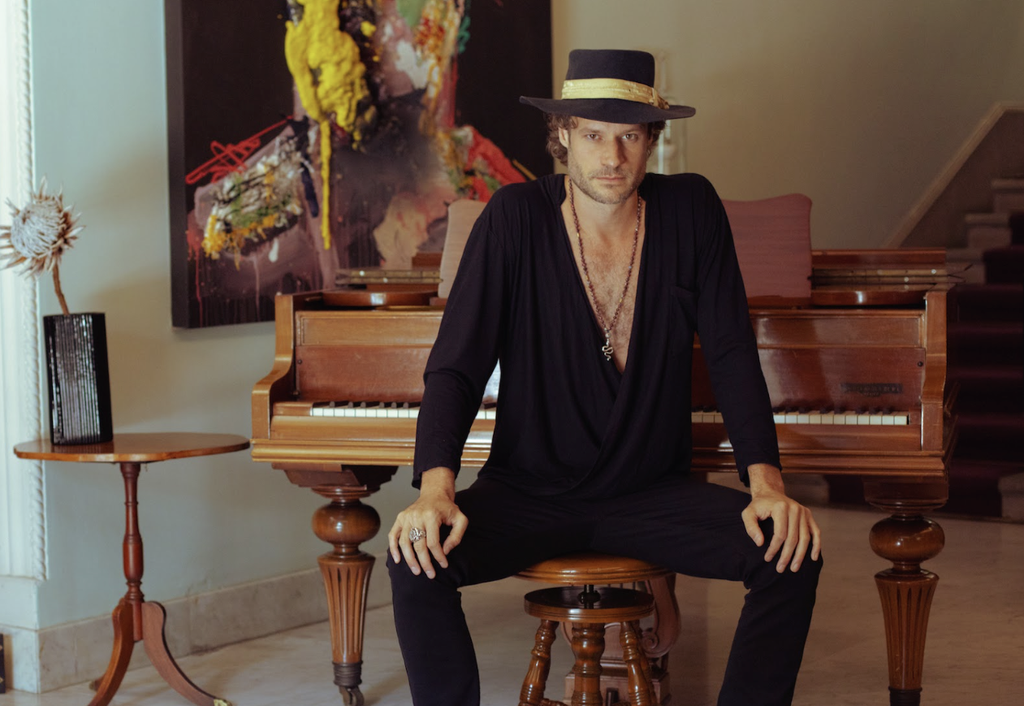
What made these 11 songs an album for you? Was there a point when you started making decisions for the complete record instead of treating each track as a separate release?
I actually had maybe 25 tracks from a certain season of writing and production. I always knew that they would end up as an album, but I was not 100% sure of the order when I started out.
I knew that I wanted them to have a cohesive sound, but I was also ready to have some tracks that stood out stylistically while still being held under the same umbrella.
In the end, I was very happy when I found the final lineup and decided which songs made the cut.
Did any songs on “Fables” change after you played them live? If so, what did you notice while performing them that you had missed in the studio?
I have definitely made some edits for certain club or festival settings, and I like to switch things up as much for myself as for the audience.
I have also released five remixes from this album so far and intend to release remixes of the remaining tracks in the upcoming months.
The remix of “Erase” is particularly special to me since it was done by Nico Stojan and Tooker. My dear brother Nico tragically passed away this summer, so I have included that track in nearly all of my sets as a tribute to him.

How will you judge whether the label and events are working after the first year? Beyond sales and attendance, what would convince you that artists and listeners want to keep participating?
My main feedback loop is the events and the in-person reactions to the music. I’m not really chasing numbers or validation from the scene as much as I’m looking for a unique and tangible impact on my community.
To me, it is a real blessing to be able to release the music I love, and I’m super grateful for all the feedback and plays we get from fans as well as other DJs.
Once “Fables” is out digitally, what comes next for ABAQ, and which part of that plan are you ready to share now?
The next step will be to release the remixes, along with several other EPs from live artists who inspire me and are making waves in the scene.
We will also launch “ABAQ Passage,” a unique, interactive, experiential event, this coming spring.
Closing Thoughts
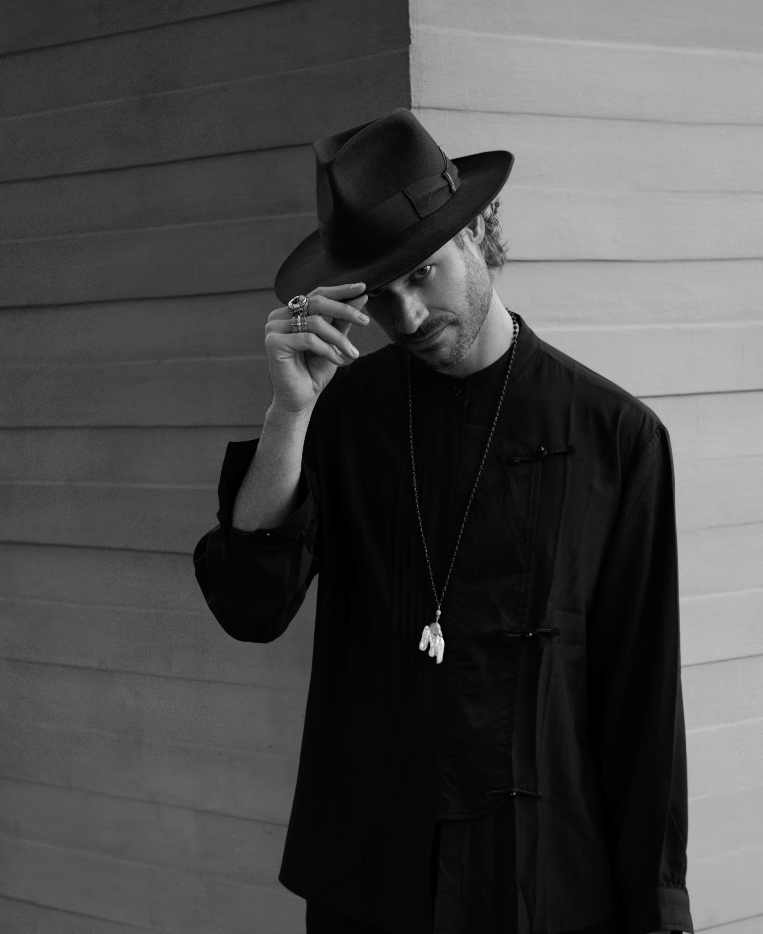
The most useful thing in Hulsey’s answers is that he does not treat independence like a slogan. He is not starting ABAQ because releasing music elsewhere failed. He is starting it because Fables needed a different kind of ownership. The rights mattered. The vinyl timeline mattered. The remix cycle mattered. The events mattered. The whole thing needed to move as one project, not as a set of tracks handed off into someone else’s schedule.
The label-and-event decision is the key.
A label gives the music a home, but events give the music a body. That matters for Hulsey because his work is already performance-based. When the live set includes vocals, MIDI guitar, ethnic instruments, looping, and improvisation, the audience is not only hearing a finished file.
They are watching the music get rebuilt in real time. ABAQ gives that side of the work somewhere to land.
That is why the event feedback loop makes sense.
Hulsey says he is not chasing validation from the scene so much as looking for impact in the community around him. That can sound soft until you remember that independent labels often live or die by whether people feel a reason to return. But if the people in the room don’t feel it, the brand never becomes more than a logo.
There is a line here to Tooker’s recent interview on keeping the human reason in the record. Tooker talked about music, technology, and the human intention behind the process, while Hulsey is talking about ownership, community, and live experience. Different angle, same larger point: the system around the record should serve the reason the music exists in the first place.
The Nico Stojan connection adds a deeper emotional note to the story. Hulsey speaks about the “Erase” remix with Tooker and Nico as something he now carries into nearly every set as a tribute. That changes how the remix functions. It is no longer only part of the album campaign or another club version in the rollout. It becomes a way of keeping someone present through the music, night after night.
That also connects with our How It Was Made feature on David Mayer, Nico Stojan, and Tooker’s “I Am”. That story was about creative trust, shared space, and letting music emerge without forcing the outcome too early. Hulsey’s Fables world feels aligned with that spirit, especially when he talks about having 25 tracks from one creative season and waiting until the final 11 found their shape.
The album decision is worth paying attention to. Hulsey did not start with a perfectly mapped-out tracklist. He had a season of work, a large group of songs, and a sense that they belonged under the same umbrella. That is usually how albums feel more honest anyway. The shape reveals itself after the material has had enough time to argue with itself.
The same idea applies to ABAQ.
The label is not fully proven yet, and that is fine. The first year will show him what works: which events connect, which artists fit the world, which remixes extend the album properly, and whether “ABAQ Passage” can turn the concept into something people want to physically enter. But the foundation is already clear enough.
ABAQ is Hulsey choosing to build the room around the music instead of waiting for someone else to build it for him.

Will Vance is a professional music producer who has been involved in the industry for the better part of a decade and has been the managing editor at Magnetic Magazine since mid-2022. In that time period, he has published thousands of articles on music production, industry think pieces and educational articles about the music industry. Over the last decade as a professional music producer, Will Vance has also ran multiple successful and highly respected record labels in the industry, including Where The Heart Is Records as well as having launched a new label with a focus on community through Magnetic Magazine. When not running these labels or producing his own music, Vance is likely writing for other top industry sites like Waves or the Hyperbits Masterclass or working on his upcoming book on mindfulness in music production. On the rare chance he's not thinking about music production, he's probably running a game of Dungeons and Dragons with his friends which he has been the dungeon master for for many years.