Electronic music has become very good at proving its economic scale.
Festivals can count tickets, cities can count hotel nights, governments can count nighttime spend, and the industry can point to the jobs, tourism, sponsorship, and venue revenue that follow when dance music becomes a serious commercial force. That data is real, and it has helped nightlife argue for itself in rooms where culture alone can get treated like a soft claim.
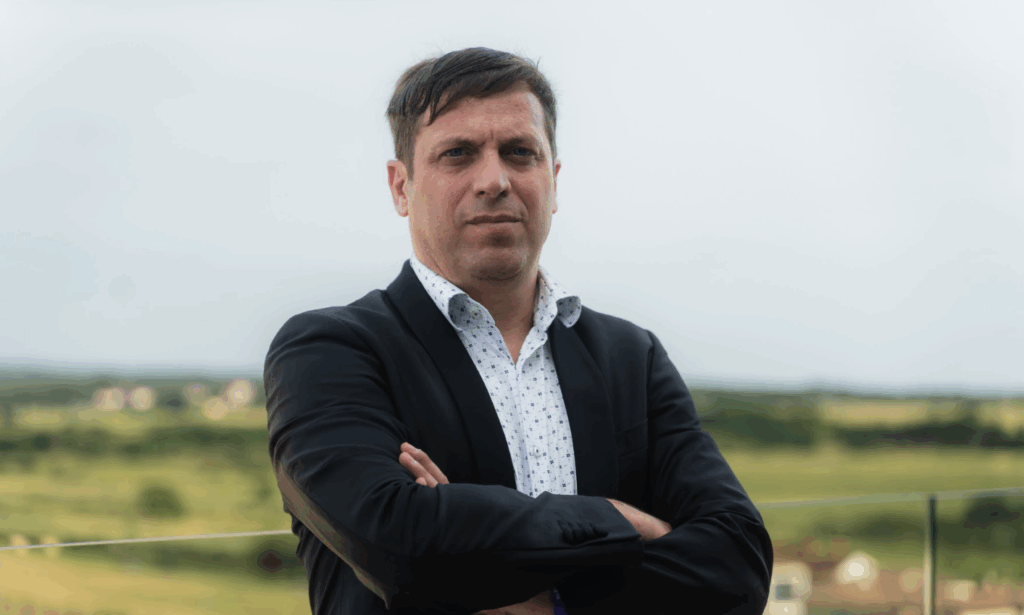
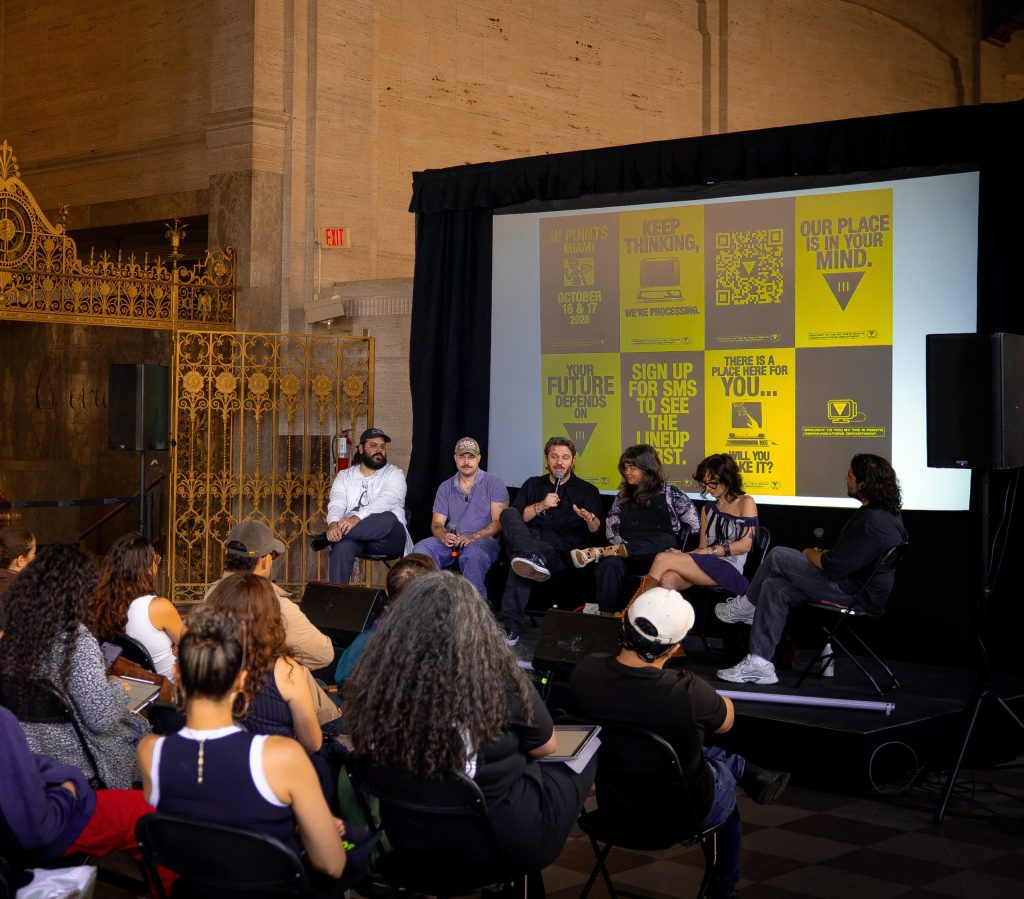
The harder question is what all of that growth is sitting on and there is no better person to tackle that nuanced question than Danny Houtkamp, Head of Brand Strategy at ADE (pictured above). A city can have a busy event calendar and still lose rehearsal rooms, small venues, late-night safety, young artists, experimental promoters, informal collectives, and the strange low-margin spaces where scenes usually begin.
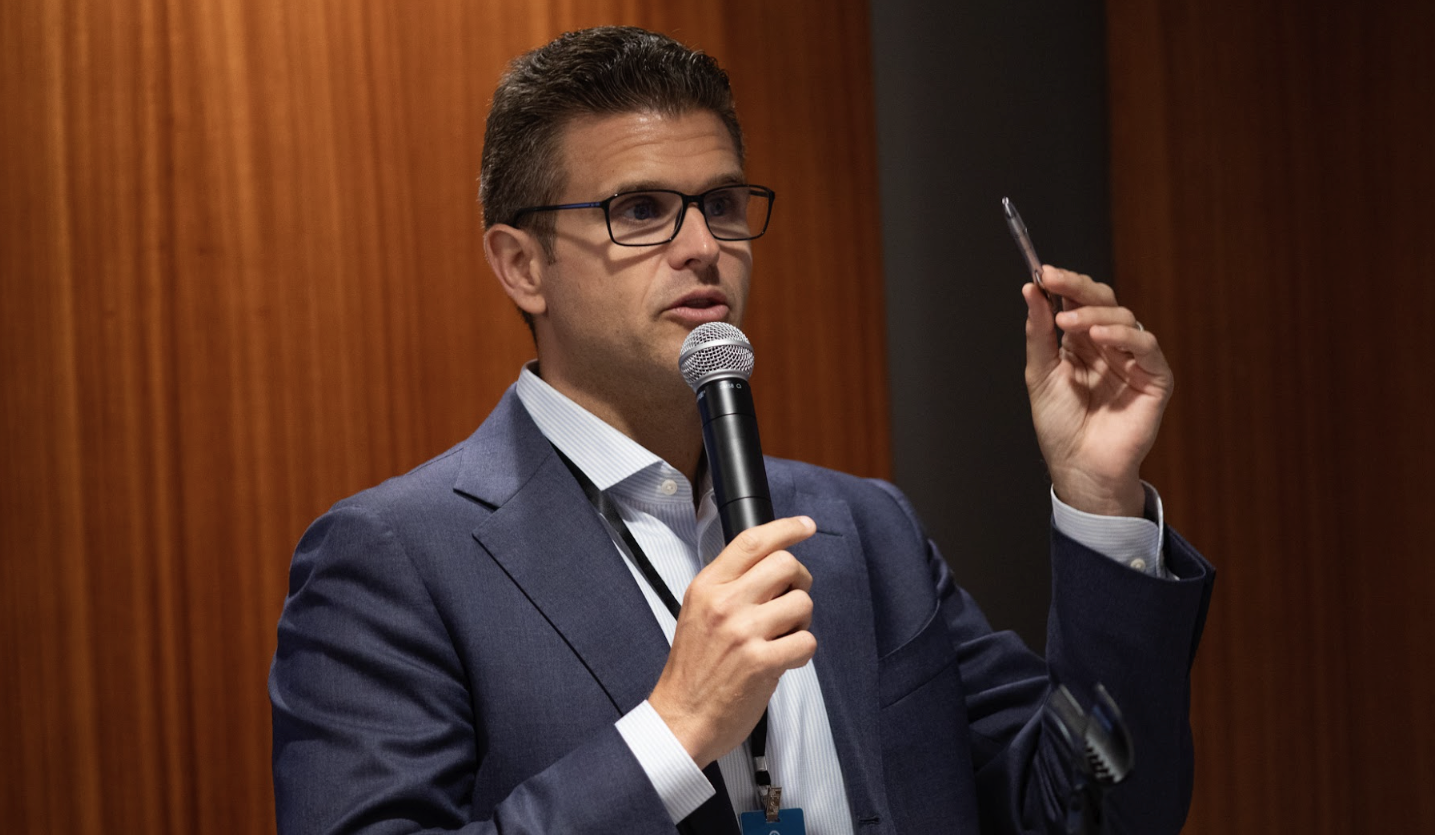
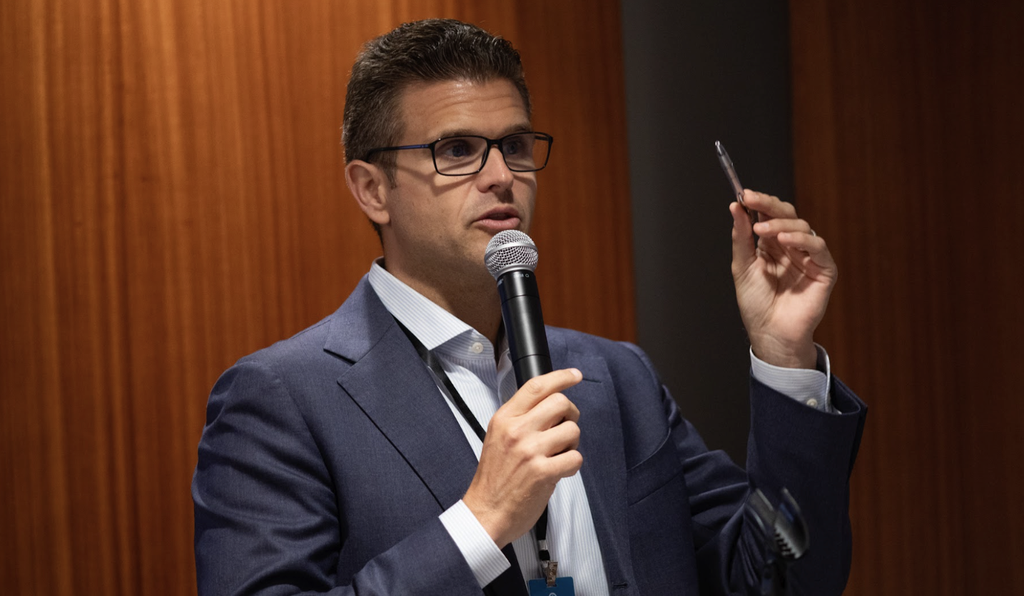
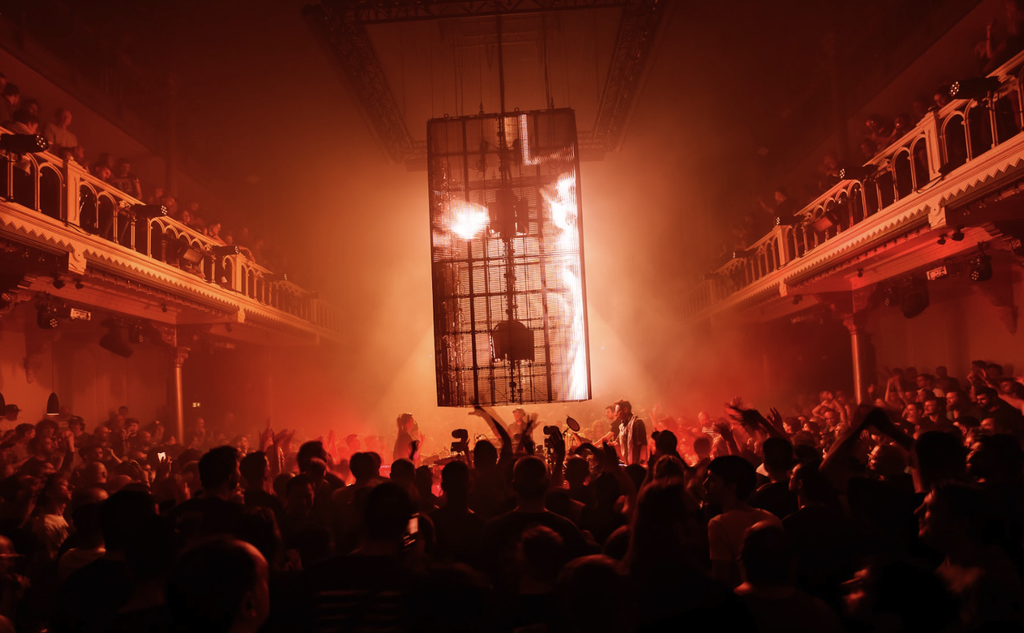
That is the gap Amsterdam Dance Event and VibeLab are trying to put numbers and language around with the Nighttime Culture Index, a new public measure of nighttime cultural vitality launching at ADE Pro during the event’s 30th anniversary edition and we recently sat down with Houtkamp (pictured below) to pick his brain about.
The first edition looks at six cities across six continents: Amsterdam, Lagos, New York, São Paulo, Seoul, and Sydney. The Index is not being framed as another economic impact study, which is the more interesting part. It asks whether nighttime culture is diverse, livable, supported, safe, sustainable, creatively active, and connected to the people who make it happen after dark.
In our discussion below, ADE talks about why commercial growth and grassroots culture need to strengthen each other, why nightlife has been easier to price than to understand, and what the Index could teach a global conference about its own relationship with the city around it.
Interview With Danny Houtkamp

ADE has said there is no business without culture. Where do you see the clearest disconnect between the commercial growth of electronic music and the health of the communities supporting it?
I don’t necessarily see it as a disconnect. It’s easy to pit big-scale music against the underground, but the reality is much more interdependent. Commercial scale pays artist fees at a higher level, finances ambitious productions, and potentially gives sounds that originated in the underground a global stage.
But if commercial growth doesn’t go hand in hand with reinvesting in grassroots communities, physical spaces, nurturing talent, etc., the rich culture eventually runs dry. When you look at vibrant scenes, the health of the community and commercial success should amplify each other. Reinvesting in the culture is such an essential part of the dynamic, so indeed there is no sustainable music business without it.
Governments have measured the nighttime economy for years. Why has the cultural side remained largely undocumented until now?
Measuring the flow of economics is straightforward, but measuring cultural impact is so nuanced and complicated. So inevitably, for a long time, nightlife policy has been viewed through just that first lens.
The intangible value of how nightlife fosters things like social cohesion, creative development, and community identity doesn’t fit a purely quantitative approach. That’s why we teamed up with VibeLab to launch the Nighttime Culture Index this year across six continents, with hopes of expanding each upcoming year. We’re aiming to bring a standardized, public measure of cultural vitality to the table, to show and understand the value of the night.
How are you defining “nighttime culture” without limiting it to licensed venues, ticketed events, or established institutions?
The research is set up across six dimensions of cultural vitality: Diversity & Representation, Creative Ecology, Space & Infrastructure, Community & Belonging, Policy & Civic Health, and Sustainability & Environment.
And since we’re also covering regions where established institutions are not developed in the same way as in our commercial markets, it’s important to look at questions such as how easy it is for an experimental, unlicensed collective to find a stage, how safe communities feel gathering after midnight, and whether young talent has places to experiment. In the framework, we’re looking at qualitative indicators that can’t all be captured in the established paths.
ADE is marking its 30th anniversary. Looking back, where has the event misunderstood or overlooked the relationship between industry growth and local nighttime culture?
I don’t know if the event has misunderstood that relationship. ADE started as a conference on the edge between business and culture, so the dynamic between the two has been part of our identity throughout. The festival did see periods of very rapid growth and international interest from major promoters, so figuring out how to balance the local scenes and the large-scale events, and support both effectively, will always remain a learning process.

When the Index launches in October, what finding could lead ADE to change how it plans its conference, festival programme, or work with Amsterdam?
Just as an example, what I’m particularly interested in is the parallels and differences between international regions. We have been ramping up ADE’s cultural exchange programs with developing music markets like Nigeria and Brazil rather than established markets where the cultural and economic footprint would be much closer to Amsterdam’s.
That’s why we aimed to include them in this first edition, to learn more about what exchanging knowledge, talent, culture, etc., could mean for our mutual development.
Closing Thoughts
The strongest part of the Nighttime Culture Index is that it refuses to treat nightlife as only a revenue stream.
That does not mean money is irrelevant, because everyone who has ever worked near clubs, festivals, venues, or artist fees knows how quickly culture becomes fragile when the economics collapse. The better argument is that money alone gives an incomplete picture of whether a scene is healthy.
That connects naturally with my interview with UNLOCKED founder Sonny Hall on why large-format venues need more flexible operating models. Hall was talking about infrastructure from the operator side, while ADE and VibeLab are looking at the larger civic and cultural layer around the night. Both conversations ask what has to exist around the music so the music can keep happening.
Save My Gig also has an obvious line to booth-level preparation and the hidden systems behind DJ performance. Save My Gig is focused on the technical problems that can derail one performance, while the Nighttime Culture Index is looking at the larger conditions that shape whole scenes.
In both cases, the visible moment on the floor depends on systems most people do not notice until they fail.
That also sits beside BIIA’s interview on techno, community, and the social side of club culture.
BIIA spoke about the need for connection inside a scene, while the Nighttime Culture Index is trying to measure the conditions that make that connection possible. Safety after midnight, representation, access to space, young talent development, and the ability of experimental collectives to find a stage are not soft concerns. They decide what kind of culture can exist.
The risk, of course, is that measurement can make culture feel neater than it is.
Nightlife is messy by nature, and some of the most important parts of a scene are informal, fragile, undocumented, or deliberately resistant to institutional language. ADE and VibeLab seem aware of that, which is why the local coordinator layer matters. A dashboard built without local trust would only reproduce the same blind spots it claims to solve.
The broader takeaway is that the Nighttime Culture Index is arriving at a moment when electronic music has less trouble proving its commercial importance than proving the health of the ecosystems beneath it. Big stages, global brands, and international conference rooms can all point to growth, but the next question is harder: who gets to gather, who gets heard, who gets protected, who gets priced out, who gets a first stage, and who is still there once the economic story has moved on.
ADE’s 30th anniversary is a fitting place to ask that, because a culture this large now needs better ways to see the ground it stands on.

Will Vance is a professional music producer who has been involved in the industry for the better part of a decade and has been the managing editor at Magnetic Magazine since mid-2022. In that time period, he has published thousands of articles on music production, industry think pieces and educational articles about the music industry. Over the last decade as a professional music producer, Will Vance has also ran multiple successful and highly respected record labels in the industry, including Where The Heart Is Records as well as having launched a new label with a focus on community through Magnetic Magazine. When not running these labels or producing his own music, Vance is likely writing for other top industry sites like Waves or the Hyperbits Masterclass or working on his upcoming book on mindfulness in music production. On the rare chance he's not thinking about music production, he's probably running a game of Dungeons and Dragons with his friends which he has been the dungeon master for for many years.