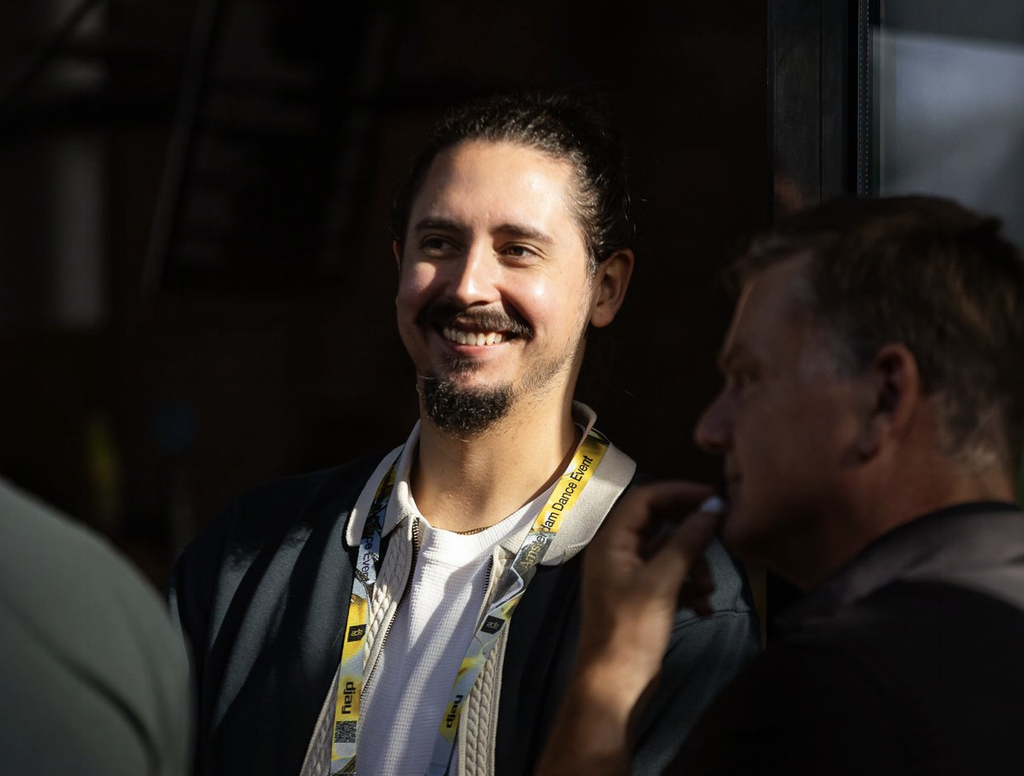
We spoke to 10 Music Supervisors – to better understand the impact of Sync on the industry in 2026
As a musician or a person, working with musicians – very little, is a sure thing. Every promotional avenue, every strategy, every rollout or moment of success – is fleeting, delicate or doesn’t quite deliver what you hoped it might. Getting your music played on the radio, won’t guarantee your album sells. Going viral on TikTok, won’t guarantee people show up to your tour. So artists and labels find themselves scrambling for something that, I guess, actually works…
SYNC.. Might be the only aspect of the music industry that, pretty much everyone involved agrees – makes a difference.
For the uninitiated.. A sync placement, is an umbrella term for placing music in a film, game, advert, TV series, podcast or indeed any kind of media placement which requires a licence. In order for this to happen, rightsholders (Labels, Publishers, songwriters and artists) all get paid a fee, as well as receiving backend royalties. Beyond the financial side of this partnership, there’s a huge marketing benefit coming from a strong sync placement. We recently spoke to Laurie Lee from Wednesday MGMT and Harrison Jones from The Other Songs – Both quoted a sync placement as the key moment that changed the direction of their album campaign.
So, who’s responsible for the funnel, when Hollywood, EA Sports, Netflix or.. any other streaming platform – come calling and want that song in their new film or series? Who walks the line between the film and entertainment industry, while also having a huge impact on the music world?
Music Supervisor – is one of the more elusive but creative roles in the music industry. They represent film studios, advertising agencies, creative teams or just – anyone who wants to use music in their media output. The music supervisor is responsible for procuring a licence from the label (or artists) to use a song – which can involve anything from a simple email, through to tracking down family members and clearing 100 year old samples. It’s an intricate job that requires a very strong knowledge of rights clearance and also – access to a wealth of music libraries to find just the right tune for that moment..
The value of making yourself visible to music supervisors, can be stratospheric. So, why do so few artists and labels actually know how to work with them?
There seems to be a knowledge gap. We reached out to some of the most exciting, creative and talented sync teams from across the globe – to find out how artists can start to build a legitimate sync catalogue, and take advantage of the plethora of Sync opportunties out there in 2026..
We speak to the teams behind some of the biggest sync deals of the last 10 years, including the epic “Nothing beats a Jet2 Holiday” – Jess Glynne collab. There’s some incredible nuggets of information in here..
Never judge a book by the cover, but always judge a person by their record collection. Music moves people, defines eras and personalities, sells products and fills the screen.
For anyone with no absolutely no clue.. how would you describe your role?
I suggest, find, curate and add audio to moving pictures. This could be a search and clearance of a commercial track, reworking or remaking a commercial track in a new style complementary to the visual content, composing & producing a bespoke/original composition, producing sound design & sound effects and crucially – making sure the audio sounds great; don’t forget or underprice or under estimate the mix.
What’s the Lehman’s version you tell your family at Christmas?
I make music and sell it for money.
Tell us a little about Gas is Music – How are you guys different in the marketplace, any specialities or areas you focus on?
As an established audio agency (TV, film & advertising) we all offer the same function(s), the differentiate comes from the service and the love; process and care, passion and ownership of each and every project and the project makers.
GAS™ Music compose as musicians, as consumers and as fans. I’ve been grounded in the phrases:
Never judge a book by the cover, but always judge a person by their record collection. Music moves people, defines eras and personalities, sells products and fills the screen.
Besides the obvious financial upsides.. Can you give any examples of how a SYNC placement, has truly impacted a song or artists trajectory?
Tough question based upon the changes of the last 10-15 years, the majority of music being stock or production library as for commercial music 80% plus of all syncs are heritage music and heritage music is treated as financial stock, and hence expensive, but viewed by brands & creatives as beneficial for ‘attention grabbing’. Take Kate Bush and ‘running up the hill’, seen as a ‘sync success’, but a 40-year-old track??? We worked on Gillette’s Best a man can get, Tom Grennan being the voice, whilst not catapulting him into stardom, it has helped his profile. Key point here, Tom Grennan being involved and working well with the brand.
At Gas is Music – Is your main focus on finding rightsholders, or bespoke compositions? Or finding soundalikes? What’s the main pain point of your day..
GAS is a music agency, so we’re looking for or speaking to clients who both understand the ‘power of audio’ and appreciate the basic fact that their visual content needs audio. You cannot simply ‘slap some music on and hope it sticks’, the pairing of audio to picture is deeply personal; brand to buyer, singer to hearer, harmony to emotion, the picture has to communicate with the audience, and the best way to do this is through feeling: audio id pre-rational, it connects emotionally – so use it.
Do you or your team have a set process for finding new music, artists or composers?
We all have decent record collections, and our ears are open; great music finds a way! We start each day with a team call and more often than not the phrase; “have you heard…..” drops in.
If you can.. leave us with one crucial tip for artists looking to land their first sync placement..
“We were set up to resist the lack of female and gender minority talent in the composition for media space, as when you drill down into the stats they’re pretty appalling with less that 10% of music producers being female and similar levels for songwriters. “
For anyone with no clue.. how would you describe your role? What’s the Lehman’s version you tell your family at Christmas?
I describe music supervisors as the people who help makers of content (directors, producers, creatives) get the perfect soundtrack for their projects, working with labels, publishers, artists, composers to either source music and license it or make original music. We’re the people operating in that middle space that helps it all connect together and covers things from creative/curation, legal/copyrights and budgets/processes.
Tell us a little about RESISTER – How are you guys different in the marketplace, any specialities or areas you focus on?
RESISTER is a full service music agency operating across Advertising, Film, TV, Games, Audiobooks and anything else that might need music. We were set up to resist the lack of female and gender minority talent in the composition for media space, as when you drill down into the stats they’re pretty appalling with less that 10% of music producers being female and similar levels for songwriters. So when it comes to working with talent, our mission is front and centre guiding us on what we do, ensuring better representation in this space. As far as what projects/areas we specialise, we do a bit of everything which provides some nice variety. One day it’s a feature, another it’s commercials. We’ve done some audiobook projects recently including the recent full cast Harry Potter series which is a new area in the market but an area we are continuing to do more of.
Besides the obvious financial upsides.. Can you give any examples of how a SYNC placement, has truly impacted a song or artists trajectory?
We do a lot of work with emerging talent in the bespoke space, some recent projects included campaigns in the form of music videos working with emerging talent. Whilst there was the obvious financial gain for the talent which might pay for their next album, we also exposed the talent to working with some of the leading music video director’s in the game, helping build connections with songwriters and producers and generally more of a taste of what’s to come further along in their career. Giving artists their first big sync/brand partnership experiences and seeing how delighted they are when they’re all over the country on billboards is always nice to see.
At RESISTER – Is your main focus on finding rightsholders, or bespoke compositions? Or finding soundalikes? What’s the main pain point of your day..
Our day to day really depends on what projects are on the go, and is generally a big mix between music supervision projects, where we are helping find and source the right music and then clearing it (for Adveritsing, Film, Tv etc.) or production jobs where we are helping making the right songs / supervising the score for projects. It’s a good mix of creative work and then all the process/production elements that make up the job + finding time to reach out to new clients and build relationships.
Do you or your team have a set process for finding new music, artists or composers?
For finding new music, we’re fortunate to be sent a lot of unreleased and forthcoming music from labels and publishers, and we’re really tapped into that network, so there’s a lot arriving in our inbox each morning to listen to and catalogue. However music discover also needs to be proactive so we are constantly searching for music new and old, thinking how it could work in a sync context and adding to banks of playlists for a future job.
For talent, we have a submissions email that you can find on our website which we do eventually work our way through all the submissions adding to our large roster of composers, artists, vocalists. But when we get a job in we treat each job uniquely and a&r for the right talent, ensuring we’re working with authentic voices.
If you can.. leave us with one crucial tip for artists looking to land their first sync placement..
I’d say a combination of focussing on the craft and ensuring your music is as good as possible (which goes without saying), but then understanding how the sync world works – what campaigns or TV shows is your music likely to be synced in and then working out who you need to get your music to, supervisors or sync reps for example
“Most musicians I know just want to make enough money so they can keep making music. What keeps them making it is the collaboration and the craft. Sync funds both“
For anyone with absolutely no clue.. how would you describe your role? What’s the Lehman’s version you tell your family at Christmas?
The very short version: we clear and make music for audiovisual projects. The longer version is best explained at Christmas, actually, because everyone waits for the John Lewis ad, and everyone’s curious what music they went with. Paper crowns, gas fire, nan halfway through the brandy pudding, Shrek 3 pausing for the ad break. The room goes quiet for a heartbreaking cover of some song you half remember. That’s the moment we point at the telly and say: that. That’s the job.
But of course a lot has to happen before those 30 seconds exist. It starts with the search for the right song that fits the script and mood. Once the song is found we have to clear the rights with all parties involved in making the song, this can be one person who wrote and recorded the song, or 13 people who wrote it and one artist performing it. We get quotes from labels and publishers, and negotiate the terms and fee. It’s important that everyone involved in the creation of that song approves the usage. The final step is making sure all the paperwork is in place. It’s quite a bit of admin, as well as detective work.
If the original master doesn’t work or won’t clear, we create a cover version. We recently worked on Clarks’ Back To School campaign where their creative team built a campaign around the track ‘Jump’ by Kris Kross and changed the lyrics of the song to fit their campaign. We handled the production of the cover by rebuilding the samples used in the original master, and then recording the kids starring in the ad at Real World Studios.
Some projects require a bespoke track, which is also something we specialise in, so we compose and produce a piece of music specifically for a client.
Tell us a little about Finders Keepers – How are you guys different in the marketplace, any specialities or areas you focus on?
Our superpower is that we are a very small team covering a lot of ground. It’s two of us, me and Ted. I have spent over 15 years in the music industry, working for publishers and labels in Germany, Sweden and the UK. Ted is a songwriter, producer and artist, first signed at 19, he was named as Zane Lowe’s next hype, and called a Todd Rundgren like genius by the Guardian. So you get two people who have spent their entire working lives making music and working with music. We cover the industry side as much as the music side, and that’s the difference.
When we say we offer music supervision, licensing, bespoke music and sound design under one roof, we mean it literally. Our house is basically a studio; guitars, drum kits, synthesisers, a piano, a lap steel.
And we’re in Bath, which has a great creative scene and is twenty minutes from Bristol and its extraordinary music heritage. There aren’t many music companies here, which I think sets us apart too.
Besides the obvious financial upsides.. Can you give any examples of how a SYNC placement, has truly impacted a song or artists trajectory?
Sync can carve out career paths for musicians at a time when no one really knows how to break through and build a sustainable career. And the financial part matters more than people admit, because artist development deals don’t really exist anymore. Nobody is paying you to get good. But if sync starts working, it gives an artist time to grow and develop their craft. At BMG, I worked with writers and artists who recouped their deals through sync, and recouping is really just another word for freedom.
There are a lot of good examples of sync impacting a song’s visibility – Kate Bush ‘Running up the hill’ reached a new, younger audience thanks to Stranger Things, same as ‘Africa’ by Toto, a band that I was obsessed with as a teenager. The Dandy Warhols reached global momentum thanks to a Vodafone ad.
Most musicians I know just want to make enough money so they can keep making music. What keeps them making it is the collaboration and the craft. Sync funds both, which is why credit where it’s due to the brands and productions who invest in music and who take the risk.
At Finders Keepers – Is your main focus on finding rights holders, or bespoke compositions? Or finding soundalikes? What’s the main pain point of your day..
It varies by project, and we pride ourselves on covering pretty much all of it. Most of the time clients have a pretty good idea of what they want, usually because they put a temp track on a project. If that song then isn’t clearable for some reason, that’s when things get tricky. When we clear commercial music we rely heavily on rights owners having good relationships with their artists, writers, managers and estates, which is not something we can control from the outside.
A bespoke composition feels more intimate, because every creative conversation is between the client and us. There is no label or publisher involved.
The biggest pain points are tight deadlines and paperwork. Clearing music can take a while because there are usually multiple parties to manage.
Do you or your team have a set process for finding new music, artists or composers?
There isn’t a set process. A lot of music comes to us from labels, publishers and artists directly. Beyond that we just listen, constantly. We go to gigs and like eclectic venues (shout out the Bell in Bath and Strange Brew in Bristol). We surround ourselves with other creatives. We have met musicians on trains on the way to gigs and through creatives working in other industries.
To any artist I would say keep gigging, keep sending those emails (short and sweet, with one good link). Don’t be discouraged if there’s no reply straight away. I’m right there with you; we do a lot of outreach and cold emailing ourselves, we get rejected daily, but you never know, it might just land with the right person on the day they need something.
If you can.. leave us with one crucial tip for artists looking to land their first sync placement..
Don’t chase trends. Make the music you believe in. And make sure your meta data is in order and there are no uncleared samples.
LIZ WILLIAMS – LWMS
Photo credit: Kellie French Studio @kelliefrenchstudio
“What I find most interesting is the symbiotic relationship between the music and the story. When it works, the song can give the film something extra, while the film gives the song a completely new audience and cultural context. “
For anyone with no absolutely no clue.. how would you describe your role? What’s the Lehman’s version you tell your family at Christmas?
I’ve thought about and practised this little nutshell for years! The simplest explanation I’ve arrived at is: I find the perfect music, or the right people to create it, for TV, advertising and film — and then handle everything that needs to happen to get it legally and creatively over the line.
Tell us a little about LWMS – How are you guys different in the marketplace, any specialities or areas you focus on?
LWMS sits at the intersection of music, psychology and creative thinking – looking at music not simply as something that accompanies a piece of work, but as something that can fundamentally shape how an audience experiences it.
Our speciality is understanding how rhythm, tone, harmony, texture and musical familiarity can influence emotion, attention and perception, and translating that into creative solutions. That might mean developing music from the earliest stages of a brief, finding the right existing track, or shaping a re-record.
I have a particular interest in the science and psychology of sound, so we’re especially drawn to projects where music can communicate something beyond the obvious — shifting perspective, creating meaning or making an idea land in a more considered and impactful way.
Besides the obvious financial upsides.. Can you give any examples of how a SYNC placement has truly impacted a song or artist’s trajectory?
It really depends on how the music is used. There are so many different ways a sync can change the trajectory of a song or artist.
Sometimes a track is created specifically for a campaign or series and becomes intrinsically connected to that piece of storytelling. Sometimes an older song is completely resurfaced — Running Up That Hill through Stranger Things being the obvious example. Or you have something like Feist’s 1234, which gained enormous visibility through Apple.
What I find most interesting is the symbiotic relationship between the music and the story. When it works, the song can give the film something extra, while the film gives the song a completely new audience and cultural context. At its best, the energy behind the track and the story or brand can become much bigger than either one was independently.
At LWMS – Is your main focus on finding rightsholders, or bespoke compositions? Or finding soundalikes? What’s the main pain point of your day..
All of the above — and usually a few things we didn’t see coming!
There are certainly periods where similar themes emerge in the work we’re getting, but it changes constantly. One day we’re hunting down a particularly elusive rightsholder, the next we’re developing a bespoke composition, and the next we’re trying to recreate the magic of a very specific musical reference without actually copying it.
There really is no “normal” in this line of work, which is probably what keeps us on our toes and keeps it interesting
Do you or your team have a set process for finding new music, artists or composers?
We explore pretty much every possible route to finding new talent: networking events, social media, recommendations from our existing network, composer agents, labels, publishers, music communities… you name it, we’re probably looking there.
A lot of the best discoveries still come through people, though. Someone recommending an artist whose work they’ve just heard, or being introduced to a composer who has a completely different way of thinking. We’re always looking for new talent and are very open to collaborating with people we haven’t worked with before.
If you can.. leave us with one crucial tip for artists looking to land their first sync placement..
Think about where your music could live. Understand the kinds of brands, films and storytelling you’d genuinely love to have your music associated with, and listen to what they’re already using. What do they gravitate towards? Where would your music fit naturally, and what makes it distinctive enough to bring something new?
Also, give people options. Alternate versions, instrumentals, stems and different edits can make a piece of music dramatically more useful when someone is trying to make it work against picture.
And finally, don’t underestimate the value of working with people who know the sync world. Expertise, relationships and knowing who to put the right piece of music in front of are a huge part of this industry. You don’t necessarily need to try to land every sync yourself.
“Make it as easy as possible for someone to licence your music! Clear metadata, accurate contact information, and an understanding of who controls the rights makes a huge difference“
For anyone with no clue.. how would you describe your role? What’s the Lehman’s version you tell your family at Christmas?
A music supervisor helps connect music with storytelling. Whether it’s working with a director looking for the perfect song to elevate a scene, assisting an editor to source the best tracks for a film trailer or working ‘on camera’ with musicians, we help find the music, negotiate the rights, manage any practical elements and make sure everything is cleared correctly. A big part of the job is bringing together the creative and commercial sides of the industry, making sure great music can be used while ensuring everyone is fairly paid.
Tell us a little about ThinkSync – How are you guys different in the marketplace, any specialities or areas you focus on?
I set up ThinkSync Music around 20 years ago and we work across film, television and trailers, supporting projects from the earliest creative conversations through to final delivery. We handle everything from music searches and commissioning pieces through to rights clearance and licensing, giving productions a single point of contact for both the creative and practical aspects of using music. Our aim is to make the process as smooth and collaborative as possible, while always finding the best musical solution for the project. Our team includes Georgia Mae Bromley and Oscar Roberts as Music Coordinators and Claire Munro who handles our licensing.
Besides the obvious financial upsides.. Can you give any examples of how a SYNC placement, has truly impacted a song or artists trajectory?
A great sync can completely change the trajectory of a song. The right placement can introduce music to a huge new audience overnight, particularly when it accompanies a memorable scene or campaign that resonates with viewers. We’ work across all genres around the world -sourcing re-worked older classics for trailers through to supporting emerging artists to gain a level of exposure that’s difficult to achieve through streaming alone. At its best, sync helps create an emotional connection between an audience and a piece of music, hopefully leading people to seek out the artist long after they’ve seen the film, programme, or trailer.
At Think Sync – Is your main focus on finding rightsholders, or bespoke compositions? Or finding soundalikes? What’s the main pain point of your day..
Every project is entirely different with completely varied needs. Some days we’re tracking down rightsholders, some days we’re searching for budget-friendly alternatives, and others we’re commissioning bespoke music to meet a creative brief. The biggest challenge is usually the clearance process itself. Rights can be split across multiple parties, approvals can take time, and deadlines rarely align with how quickly clearances move. A large part of the job is keeping people informed and finding solutions when timing becomes critical.
Do you or your team have a set process for finding new music, artists or composers?
We’re constantly looking for new music from a variety of sources. That includes platforms such as DISCO, but just as importantly, the relationships we’ve built with sync agents, managers, labels, publishers and composer agents over the years. We spend a lot of time listening, researching, and staying connected to what’s emerging, often discovering artists long before they reach a wider audience.
If you can.. leave us with one crucial tip for artists looking to land their first sync placement..
Make it as easy as possible for someone to licence your music! Clear metadata, accurate contact information, and an understanding of who controls the rights makes a huge difference. Supervisors often work to very tight deadlines, so a brilliant track that can be cleared quickly will usually have a much better chance of being placed than one that comes with obstacles or uncleared samples.
10 years ago we were approached to licence Hold My Hand by Jess Glynne for Jet2 Holidays. Need we say more? Now unanimously recognized as the Jet2 theme, and the song going viral in the realest sense..
For anyone with no clue.. how would you describe your role? What’s the Lehman’s version you tell your family at Christmas?
We create, source and clear music to match to visuals. This can range from finding the perfect song for an advertising campaign, selecting music to make a TV show scene pop or creating a bespoke track to be scored to picture.
Tell us a little about Ricall – How are you guys different in the marketplace, any specialities or areas you focus on?We pride ourselves on leaving no creative stone unturned on every project – encouraging our clients to think about music differently and reach for the unexpected. Whether the brief calls for an emerging artist, an iconic legacy act or an opportunity to create something bespoke, we want the quest for the right music to feel like a true collaboration between all stakeholders. It’s about the conversation as much as the end result!
As well as a keen sense of current music trends and major artist metrics, we love to dig deep for obscure musical gems that may surprise the audience. Check out our One Rare Track blog – https://ricallmusic.com/one-rare-track/
Besides the obvious financial upsides.. Can you give any examples of how a SYNC placement, has truly impacted a song or artists trajectory?
10 years ago we were approached to licence Hold My Hand by Jess Glynne for Jet2 Holidays. Need we say more? Now unanimously recognized as the Jet2 theme, and the song going viral in the realest sense, it was named No.1 TikTok song of the year in 2025, with fans chanting the actual VO of the ad at Jess Glynn concerts.
– We developed a bespoke piece for Samsung Galaxy Buds Pro – for the music we collaboarated with the super talented Tom Excell (Nubiyan Twist, Onipa) and vcoalist Ego Ella May. They recently developed the music into a full commercial track which they now perform live!
Check out the full track here: Nubiyan Twist – Free
At Ricall – Is your main focus on finding rightsholders, or bespoke compositions? Or finding soundalikes? What’s the main pain point of your day..
The main focus is working on music briefs for creative producers of any visual content, exploring both existing tracks and bepsoke routes that fit both brief and budget – then securing the rights through negotiations based on long-term relationships with rights holders.
Do you or your team have a set process for finding new music, artists or composers?
We liaise with a vast range of rights holders as well as reviewing music submissions, following other exciting work through different music publications and going to gigs of course! We’re music junkies after all.
If you can.. leave us with one crucial tip for artists looking to land their first sync placement..
Get your music out there,anyway you can, we are regularly sent links that interest our clients.
“Then you’ve got something like Sophie Ellis-Bextor’s Murder on the Dancefloor in Saltburn, which shows the impact sync can have in a completely different way. That was a song that was over 20 years old and suddenly it was being introduced to a whole new generation. It went back to number two in the UK and gave Sophie her first ever US Hot 100 entry.”
For anyone with no absolutely no clue.. how would you describe your role? What’s the Lehman’s version you tell your family at Christmas?
I work with production teams to decide what music they’re going to use across television, film and advertising projects. That can mean developing the overall music strategy, finding tracks that connect with a particular audience or work for a specific scene, advising on what we can realistically achieve within the budget, or commissioning a composer to create something bespoke.
Sometimes the director or creative team already knows exactly what they want and my job is to make that happen, and other times I’m starting with a completely open brief and searching for the right piece of music.
Then there’s the rights and production side – researching who owns the music, negotiating with rights holders, managing budgets and approvals, working with composers and ultimately making sure everything is properly cleared for delivery.
So I suppose the simplest version is that I’m the person sitting between the creative team and the music industry, working out how we actually make the music they want happen – and occasionally being the person who has to tell them they can’t afford their favourite song!
Tell us a little about your company name – How are you guys different in the marketplace, any specialities or areas you focus on?
I’m an independent Music Supervisor and I’ve been working in the music industry for over ten years now, mainly in the sync space. Before going freelance I was in house at ITV Studios and then TikTok.
I’ve worked a lot in reality and entertainment TV, and I suppose more broadly at that intersection of music and popular culture, where the creative music choices can have a real impact – whether that’s something like Love Island or the campaigns I worked on at TikTok.
I think my speciality is probably adaptability. I’ve worked across such an array of projects, from television and brand campaigns to working on my first films this year. Every project is slightly different, which is probably what I enjoy about it, and I’m excited to see what’s next!
Besides the obvious financial upsides.. Can you give any examples of how a SYNC placement, has truly impacted a song or artists trajectory?
There are some really good recent examples of this. G Flip’s Bed on Fire is one I love – the song had already been out for around nine months when it was used in Off Campus, and it just completely exploded afterwards. Their Spotify listenership went up by around 230%, and G Flip has spoken about the track going from around one million to over 13 million streams.
Then you’ve got something like Sophie Ellis-Bextor’s Murder on the Dancefloor in Saltburn, which shows the impact sync can have in a completely different way. That was a song that was over 20 years old and suddenly it was being introduced to a whole new generation. It went back to number two in the UK and gave Sophie her first ever US Hot 100 entry.
I think they’re two really good examples of how the value of sync can go so far beyond the initial fee. It can completely change the trajectory of a new release or give an older song an entirely new life.
At your company name – Is your main focus on finding rightsholders, or bespoke compositions? Or finding soundalikes? What’s the main pain point of your day..
It really depends on the project! It can be as straightforward as clearing one commercial track for an advert, or hundreds for a television show, which involves a lot of rights research and paperwork. I also spend a lot of time finding production music alternatives to commercial tracks. Ultimately, it’s about finding the best solution for the project and the budget.
The biggest pain point is probably when everyone has completely fallen in love with a song that costs £200k and the music budget is £10k!
A huge part of the job is balancing the creative ambition with what’s actually possible. Sometimes that means negotiating really hard to make something work, and sometimes it’s about going back creatively and finding another track that gives you the same feeling without feeling like a compromise.
Rights can also get surprisingly complicated. A song might seem like a straightforward clearance until you discover there are multiple publishers, a rogue sample, or somebody who simply isn’t going to approve it. So there’s definitely quite a lot of detective work involved!
Do you or your team have a set process for finding new music, artists or composers?
I wouldn’t say I have one set process. I’m constantly getting music sent to me by labels, publishers and artists, and I’ll use platforms like Spotify and DISCO, but I also find music just through being a music fan and through friends – going to gigs, festivals, following new releases and seeing what people are talking about.
A lot of the time the creative team may already have an idea in place, so it’s about helping bring that idea to life. If I’m working to a specific brief, I’ll often go directly to people I trust too. Over the years you learn which label or publisher contacts really understand what you’re looking for, and that’s incredibly useful when you’ve got a very specific brief and not much time.
If you can.. leave us with one crucial tip for artists looking to land their first sync placement..
Make it as easy as possible for someone to use your music. Make sure your rights are clean and you know exactly who controls your master and publishing, have instrumentals ready, and make sure your music is properly registered with the relevant rights organisations – for example PRS and PPL in the UK.
If you’re pitching music, be really clear about what you’re pitching and don’t send your entire back catalogue! Make it easy for someone to search your music with really clear metadata – genre, mood, tempo, lyrical themes, whether there’s an instrumental available etc. Music supervisors are often searching against really specific briefs and working very quickly, so all of that genuinely helps.
And ultimately, don’t let the admin be the reason a great song can’t be used!
How to define success as an artist in a metric-driven industry – Read here