You can spend an entire afternoon experimenting with sampled instruments, vocal recordings, and different rhythmic patterns, but there’s a point where working with another musician can give you an understanding of the music that you wouldn’t necessarily arrive at on your own. I think that’s particularly important when producers are working with musical traditions they didn’t grow up performing, because there’s a considerable difference between recognizing the sound of an instrument and understanding how it’s typically played.
The phrasing, the relationship between musicians, and the circumstances in which certain styles are performed can influence decisions that aren’t always obvious when you’re working alone in a DAW. And while modern production tools make it possible to experiment with an enormous collection of instruments and recordings, they don’t automatically provide the personal experience associated with those musical traditions.
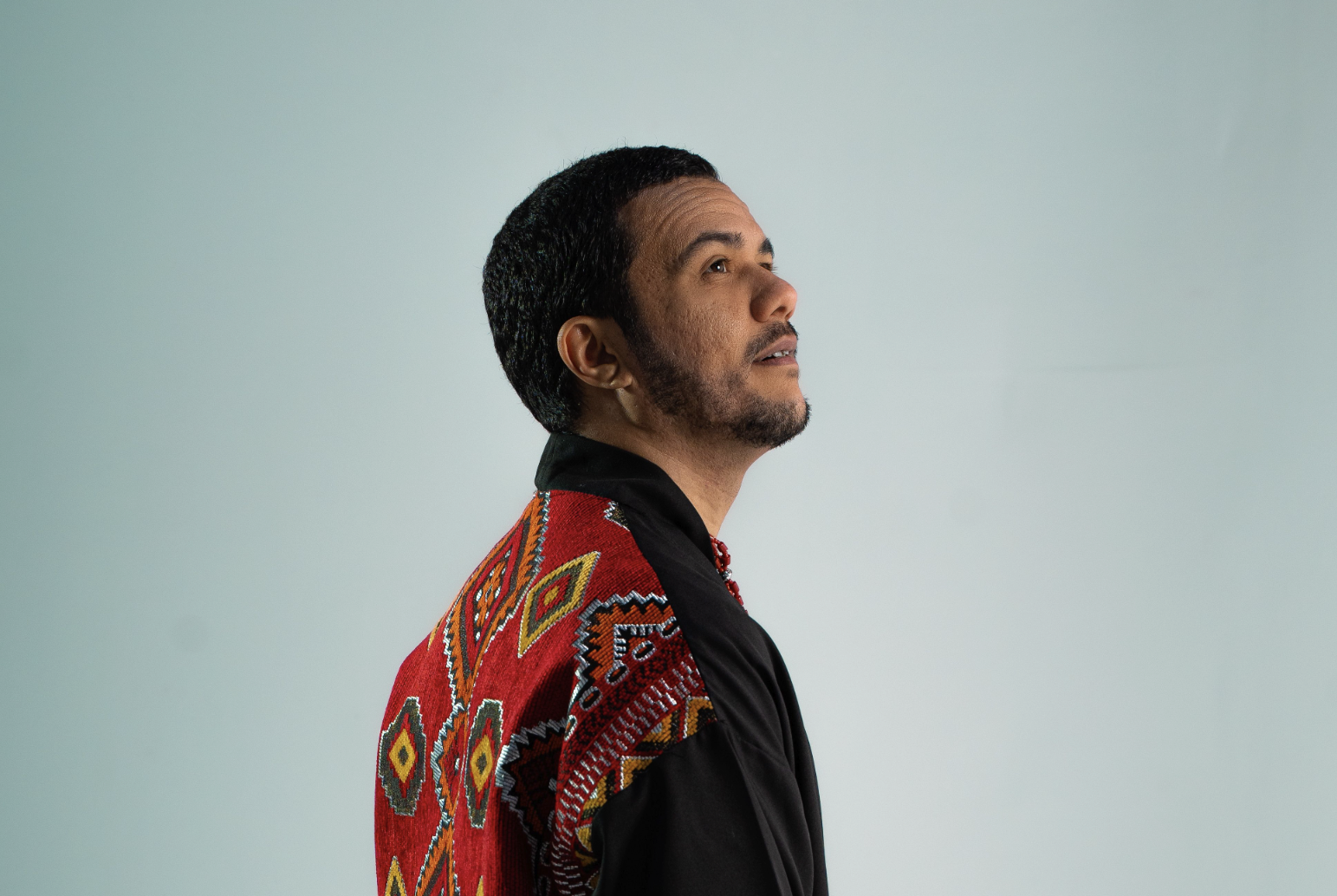
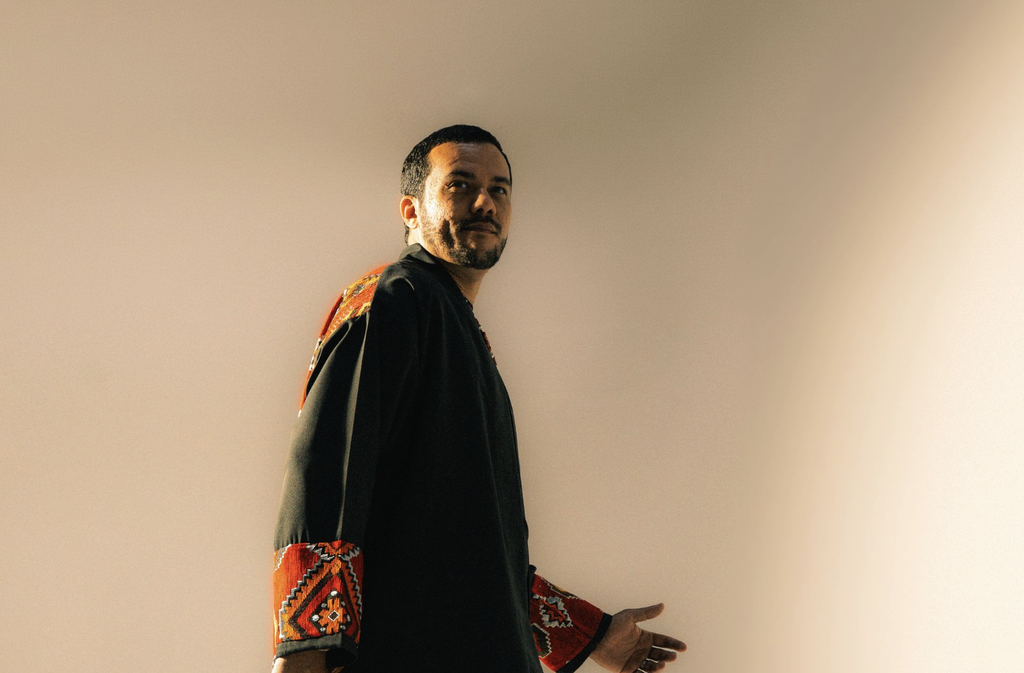
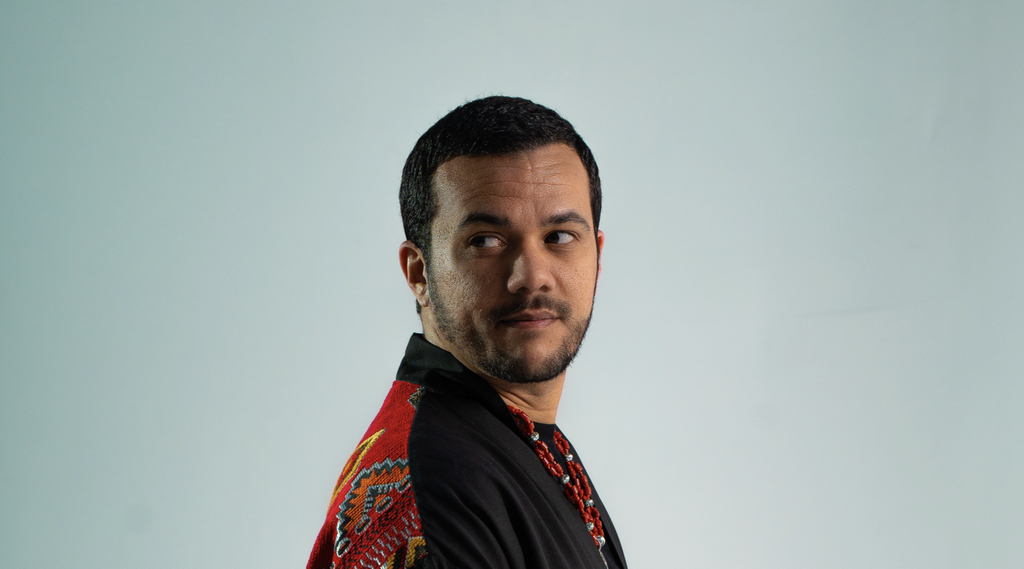
Moroccan DJ and producer Omary (@omaryofficiel) explores that relationship throughout Tourat, his second studio album, released October 23, 2026, through his Ostowana imprint.
The title translates to “heritage” in Arabic, which gives you a pretty good indication of what he wanted to accomplish across its twelve tracks. Drawing from the Moroccan and Arabic music he grew up listening to, Omary worked with musicians including Khalid Elhamri, Yasser Radif, Aziz Ozouss, Salah Fafah, and his father, Abdo Omary, to bring traditional instruments, vocal performances, and regional musical influences into his electronic productions.
The album covers everything from the beldi music of Errachidia and Gnaoua traditions to Amazigh influences and Arab tarab, with the individual recordings representing particular places, memories, and people who have influenced him throughout his life.
What interested me about this conversation was how directly Omary connects those musical relationships to the decisions he makes as a producer. He talks about why another person can hear something that might escape your attention after spending several hours with a track, how he determines whether outside feedback actually improves a composition, and why trust matters when you’re collaborating with musicians who have different backgrounds.
Given how much of Tourat involves working with musicians whose contributions are associated with particular traditions and communities, I think that perspective is particularly relevant to understanding how the album came together.
Interview With Omary
What does another person bring to a session that software cannot give you?
Another person brings feeling, experience and a different way of hearing music. Software can give you many options, but it does not have a life, memories or a personal connection to the music.
For me, this is very important when I work with Moroccan music. A musician who has grown up with a certain rhythm or voice can feel it in a way that software never will.
How does another set of ears change the shape of a track?
Sometimes I spend too much time with a track and become too close to it. Another person can listen with fresh ears and immediately hear what is missing or what is too much.
They might tell me that a part needs more space, that an arrangement is too busy or that the strongest moment has not arrived yet. Sometimes their opinion changes the track completely. Sometimes it simply confirms what I was already feeling.
Outside input can sharpen a track or dilute it. How do you tell the difference?
I ask myself one simple question: does this idea bring the track closer to its soul, or does it just add something?
If the suggestion makes the track more honest and more connected to its original feeling, I keep it. If it takes the music away from its identity just to make it more commercial or more complicated, I leave it.
Where do trust and communication show up in the finished music?
Trust allows people to speak honestly. You can say, “I don’t feel this part,” or suggest a different direction without creating a problem.
When there is good communication, every person can bring something real to the track. You can feel that in the final music. It does not sound forced; it sounds like a real conversation between people.
Why should artists keep building real creative relationships as automated tools improve?
I use technology and I know how useful it can be, but technology cannot replace human relationships. Tools can make the work faster and give us many possibilities, but people bring emotion, memory, culture and real life.
A real collaborator can surprise you, challenge you and help you discover something you would not have found alone. For me, music is not only about making a sound. It is about sharing something with another person and creating a connection that people can feel.
Final Thoughts From The Editor
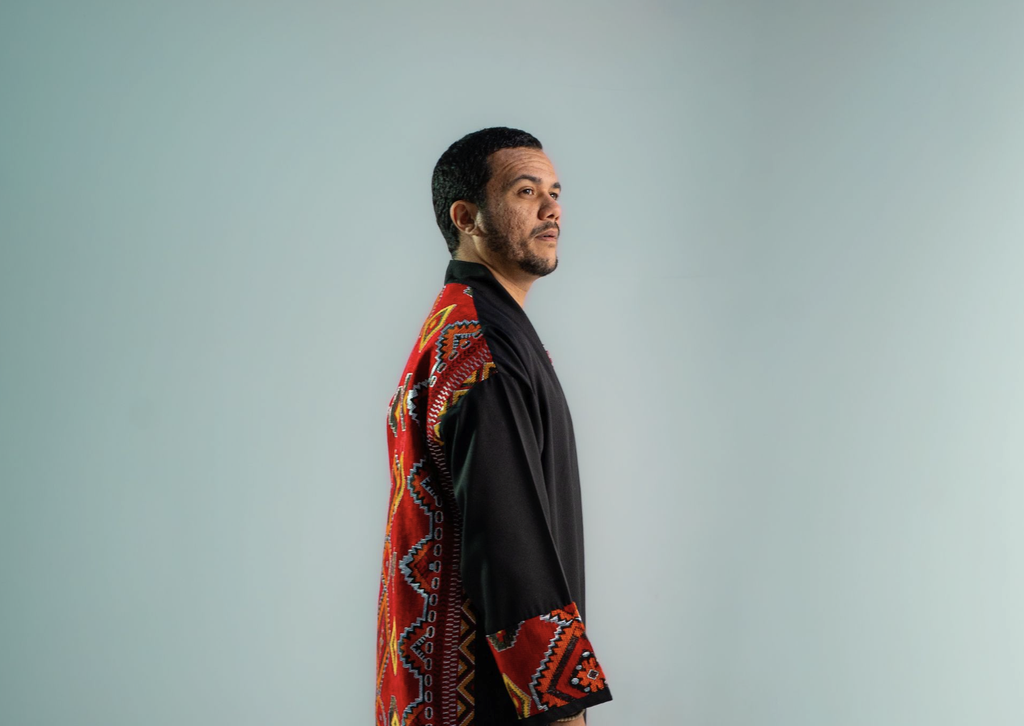
The thing I found particularly interesting about Omary’s answers was how much importance he places on the experiences that another musician brings into a recording session. I think producers sometimes approach collaboration primarily as a way to access a skill they don’t personally possess, whether that’s recording a vocal, playing an instrument, or improving an arrangement. There’s nothing wrong with that, and plenty of successful recordings depend on bringing in specialists to handle particular responsibilities.
But Omary seems interested in something more specific, particularly when the musician involved has grown up performing a style of music and understands details that somebody encountering it through recordings might not recognize.
That distinction becomes particularly important on Tourat, where the cultural background of the contributing musicians is directly connected to what the album is trying to communicate.
It reminded me of our feature on Parallelle’s work with Moroccan Gnawa musicians in Essaouira. That project involved the electronic duo working with Maalem Omar Hayat and his musicians, bringing Gnawa performance into a recording project associated with Morocco’s Atlantic coast. I think there’s an interesting connection because the people participating in these recordings are contributing their knowledge of musical traditions, rather than simply providing sounds for an electronic producer to manipulate.
On Tourat, that idea becomes particularly personal through “Diwane,” where Omary works with his father alongside violinist Salah Fafah. It’s difficult to imagine a better example of why a musician’s history can matter to the finished recording, especially when the album itself is concerned with the musical heritage Omary inherited while growing up.
I also appreciated his explanation of how outside feedback can improve a track without necessarily adding anything to it. He describes reaching a point where he’s spent so much time working on a recording that another person can identify problems he no longer notices, whether that’s an arrangement that’s become too complicated or a musical section that needs additional space.
We explored a similar question in my interview with Monkey Safari about twenty years of making music together, where Lars and Sven discussed how their differences in taste affect the decisions they make in the studio. One of their examples involved returning to an unfinished idea after one member recognized something the other hadn’t initially considered worth developing. I think that’s one of the better reasons to maintain relationships with other producers, because somebody else’s contribution can be as simple as recognizing that an existing idea deserves further attention.
There’s also something worth considering about the way traditional instruments function within electronic arrangements. In our feature on PALLADIAN’s “Jacaranda”, we discussed how Juan Pablo Delgado’s guitar and charango contribute recognizable melodic phrases rather than functioning exclusively as background elements. I think that distinction applies to what Omary describes with Tourat, particularly because the album incorporates musical forms that have established histories and performance conventions of their own. If you’re going to involve musicians associated with those traditions, it seems reasonable to give their contributions an identifiable musical purpose instead of reducing them to another layer in the arrangement.
That doesn’t mean the electronic production needs to become secondary, but it does require some consideration of how the individual performances relate to the complete composition.
And I think that’s what makes Omary’s perspective worth paying attention to. He clearly recognizes the advantages of technology, and he doesn’t suggest that producers should abandon the equipment and software they depend on to make music. His concern is that becoming more efficient shouldn’t discourage artists from developing relationships with musicians who can contribute experiences, ideas, and musical knowledge they wouldn’t otherwise encounter. Tourat gives that argument some context through its collaborations, particularly the recordings associated with Moroccan regional traditions and the contribution from his father.
For producers working with acoustic instruments, regional musical styles, or collaborators from different backgrounds, I think there’s an important lesson in allowing those relationships to influence the music rather than treating every contribution as something that needs to conform to an arrangement you’ve already decided to make.

Will Vance is a professional music producer who has been involved in the industry for the better part of a decade and has been the managing editor at Magnetic Magazine since mid-2022. In that time period, he has published thousands of articles on music production, industry think pieces and educational articles about the music industry. Over the last decade as a professional music producer, Will Vance has also ran multiple successful and highly respected record labels in the industry, including Where The Heart Is Records as well as having launched a new label with a focus on community through Magnetic Magazine. When not running these labels or producing his own music, Vance is likely writing for other top industry sites like Waves or the Hyperbits Masterclass or working on his upcoming book on mindfulness in music production. On the rare chance he's not thinking about music production, he's probably running a game of Dungeons and Dragons with his friends which he has been the dungeon master for for many years.