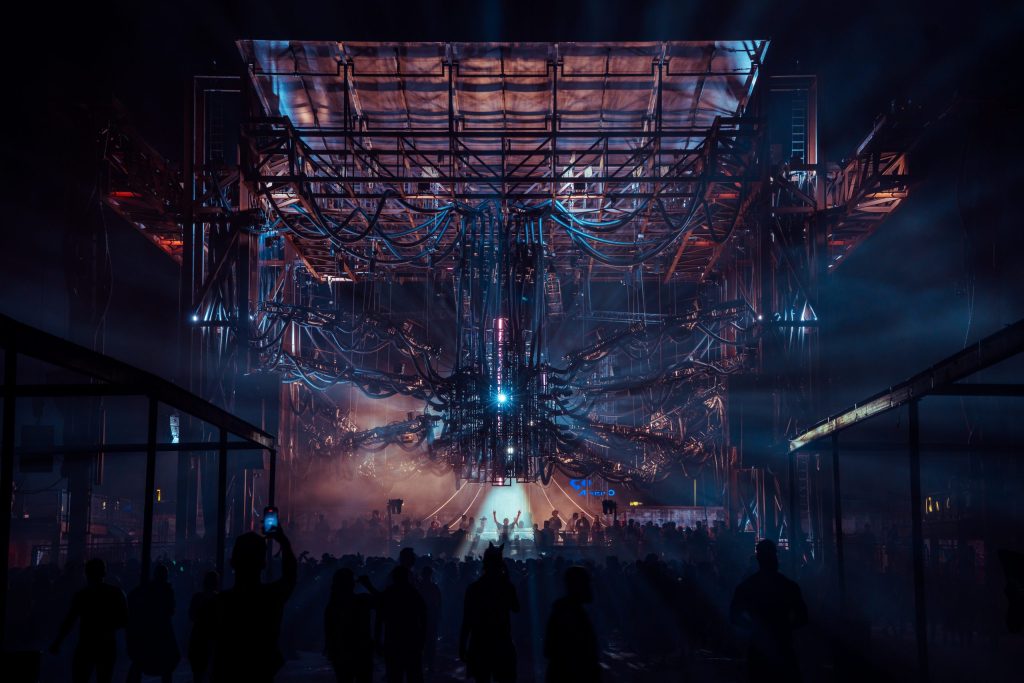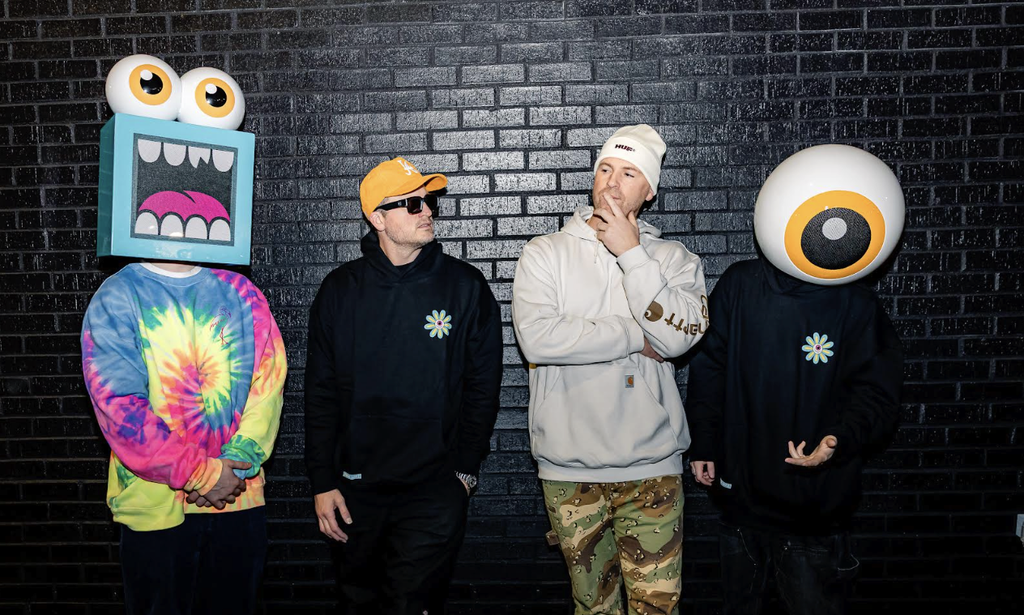
I think one of the stranger things about being a DJ today is how much of the job has very little to do with actually making or playing music. You can spend months working on a record, developing a particular sound, and getting it signed to a label you’ve wanted to release on for years, only to spend the next several weeks thinking about social media clips, promotional photography, and how the whole thing will look on Instagram.
I understand why these things have become part of building an artist career, especially when so much music discovery happens through social platforms, but I also think there’s a legitimate question about how much attention they deserve.
At some point, you have to consider whether all that work is helping people discover your music or simply making you better at promoting yourself.
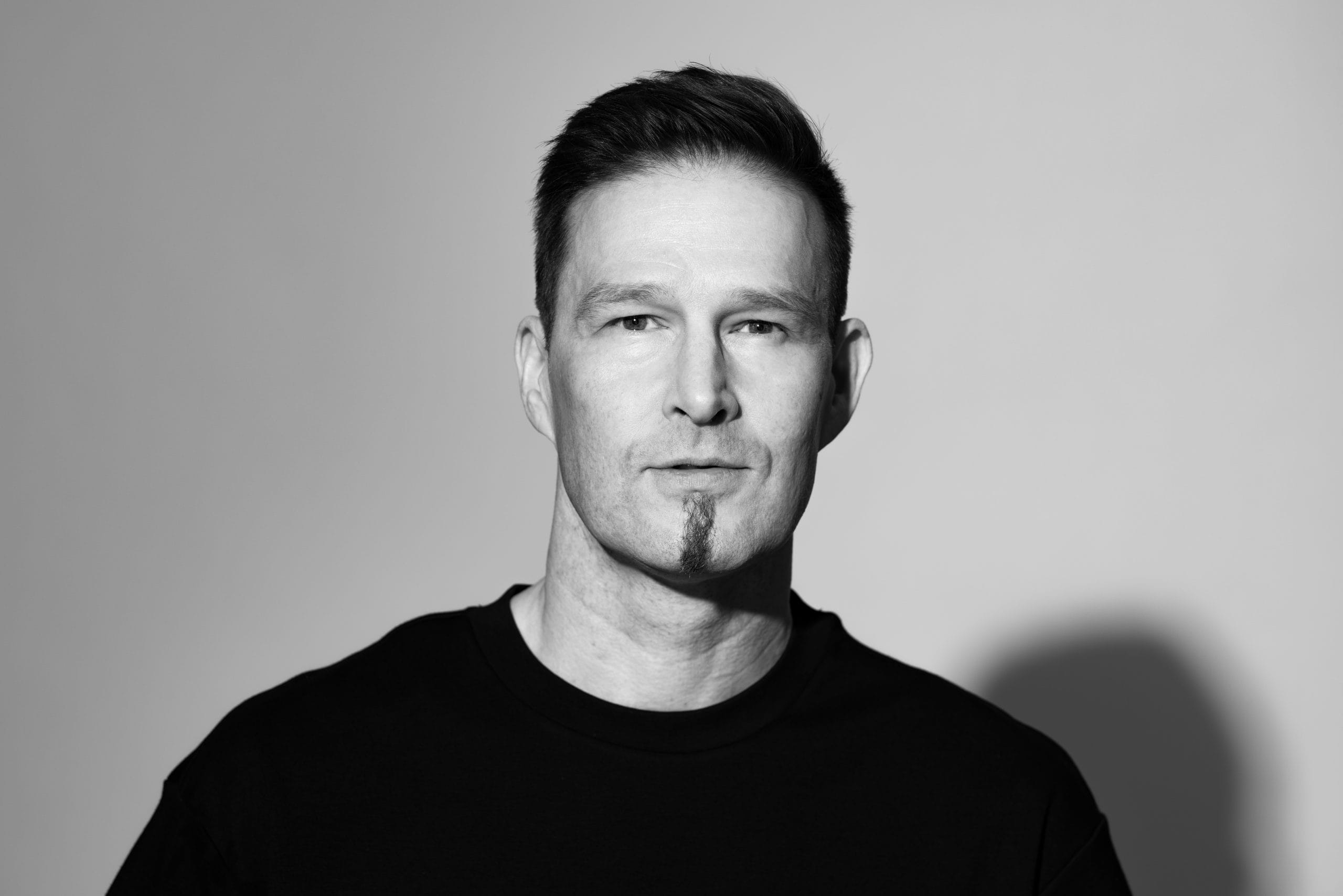
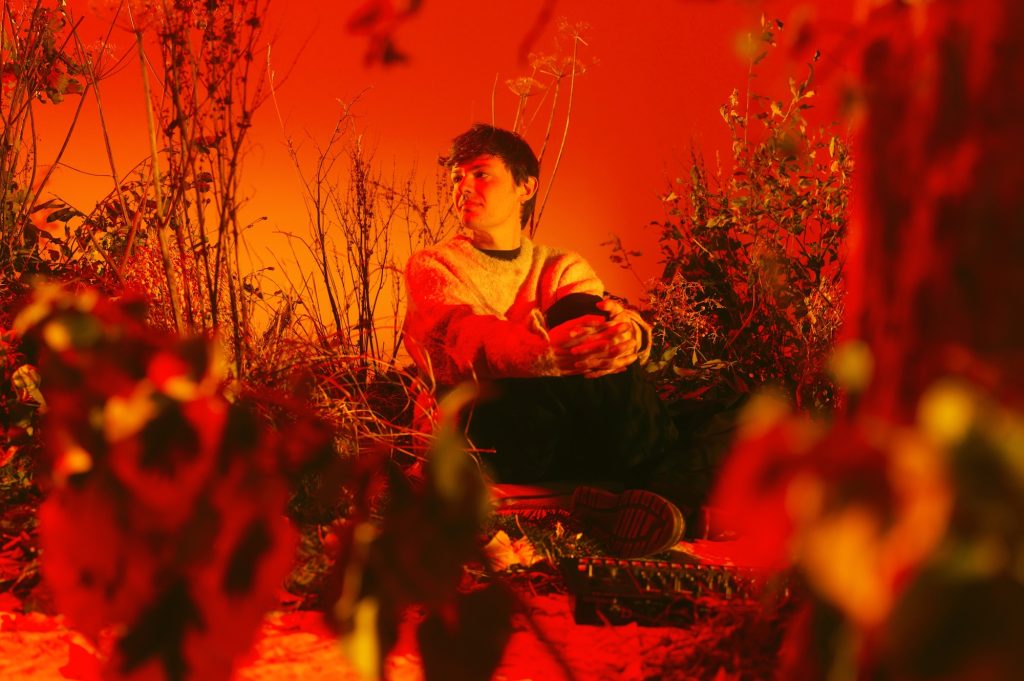
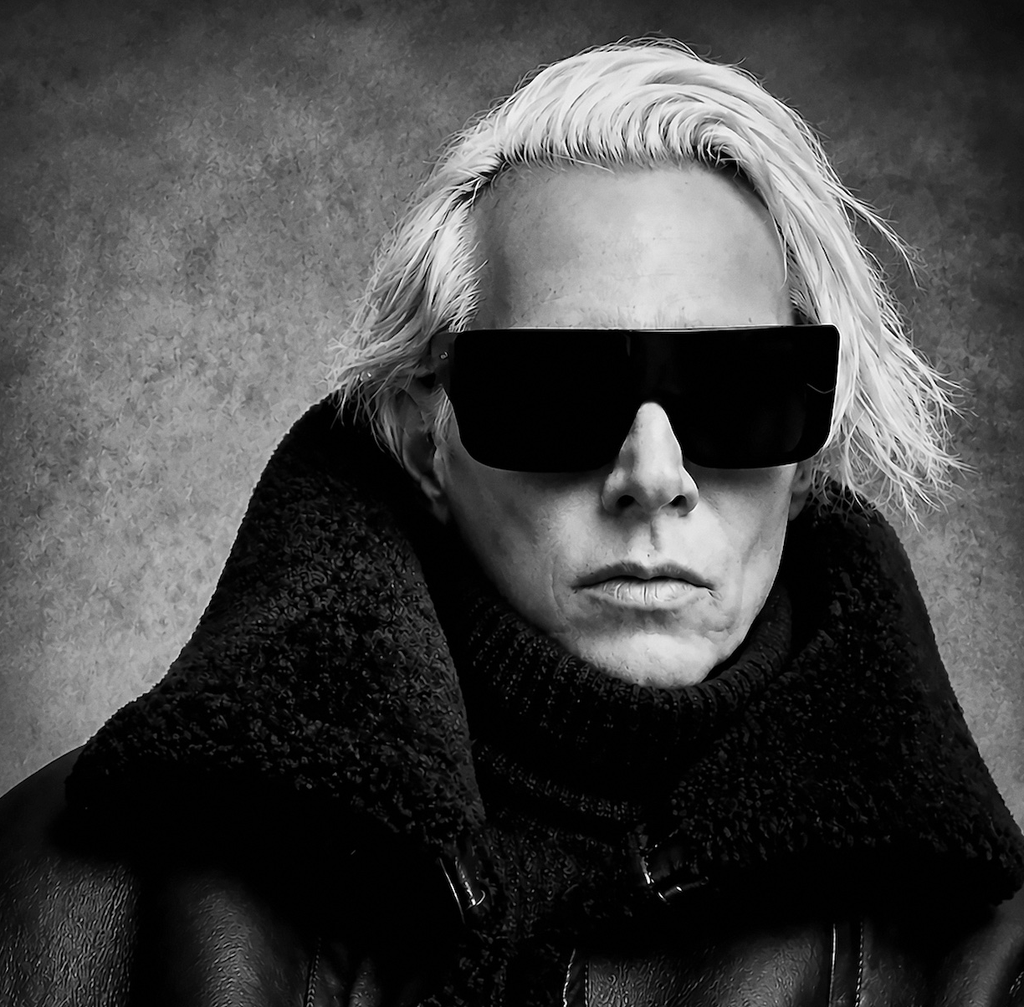
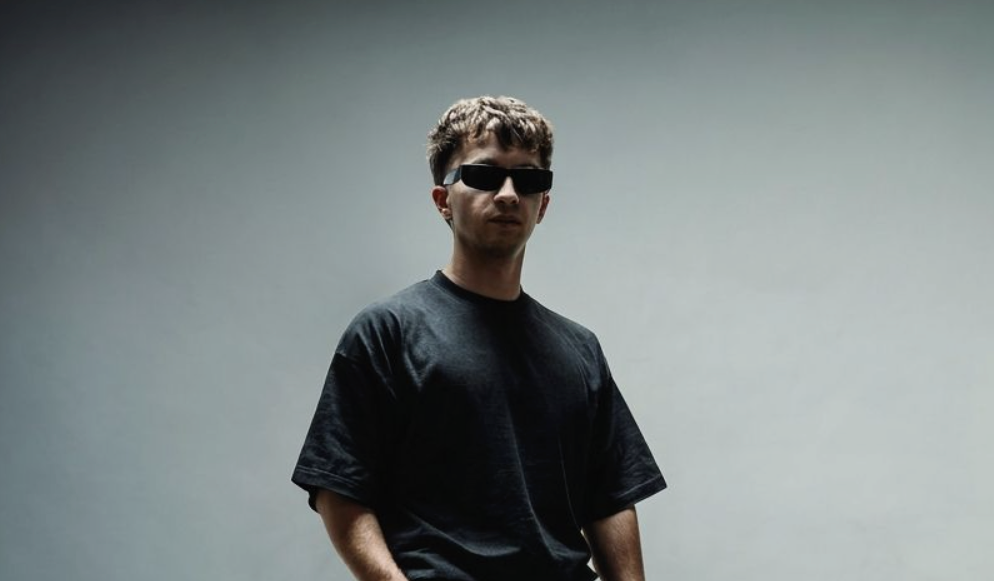
Italian DJ and producer ATLAC (@atlacmusic) has been developing his career through a series of releases on labels including Desolat, Metamorfosi Records, and Hottrax, along with support from artists such as Joseph Capriati, Dennis Cruz, and Wade. His recent collaboration with Cloonee and Yandel on “Movimiento,” released through Hellbent Records and Universal Music Latino, introduced his production to an additional audience, while his latest two-track EP, Little Closer, arrived October 30, 2026, on Ilario Alicante’s Sound D’Elite imprint.
The release features “Little Closer” and “Vibrate,” two tech house productions centered on percussion and bass, with the former using a rolling low-end pattern and the latter introducing heavier drums and tightly programmed claps. It’s another addition to ATLAC’s growing catalog and comes at a point when his music is receiving attention from established names in the club circuit.
What interested me about this conversation was how ATLAC thinks about the relationship between that growing visibility and the music responsible for it. We talked about the pressure to maintain a recognizable visual identity, why he sometimes feels that an artist’s online presentation receives too much attention, and how producers can develop their own aesthetic without simply following whatever happens to be popular.
He doesn’t dismiss social media or suggest that DJs should abandon the promotional side of their careers, which I appreciate because that would be a fairly unrealistic position for somebody working in the industry today. Instead, his answers raise a question about where artists should be spending their time and whether the increasing emphasis on presentation is beginning to affect what audiences actually value.
Listen to ATLAC’s Little Closer EP on Beatport
Interview With ATLAC
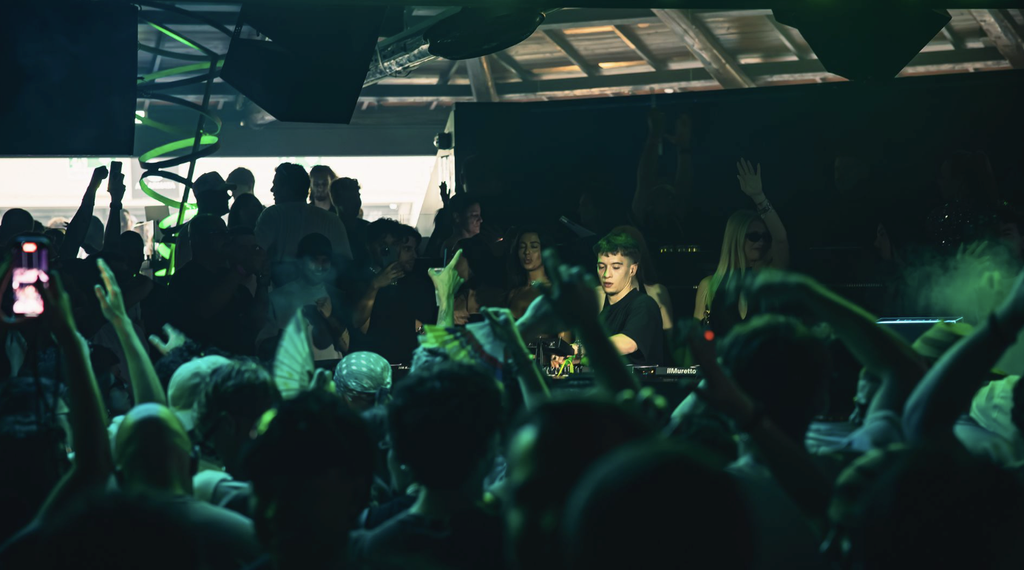
What role do you think visuals and design play in how people perceive a DJ today?
Today, visuals and design are very important aspects of the industry.
Social media is basically your business card, so I think it’s completely normal to put time and energy into taking care of these elements as well. However, I strongly believe that music should always come first, and everything else should revolve around it. If you don’t put the same care and attention into your music, I don’t think you can go very far in the long run.
Have you ever felt like your online aesthetic mattered more than your latest release?
Absolutely, I feel this more and more often. On one hand, I understand how important it is to be marketable and have a strong visual appeal, but when the focus becomes more about that than the music itself, it can be disappointing. I’m definitely not one of those people who wants to get rid of social media and go back to the ’90s (I didn’t even experience those years haha, social media really took off when I was around 14 or 15).
But at the same time, I wouldn’t want us to reach a point where, in the next few years, the cover matters more than the book.
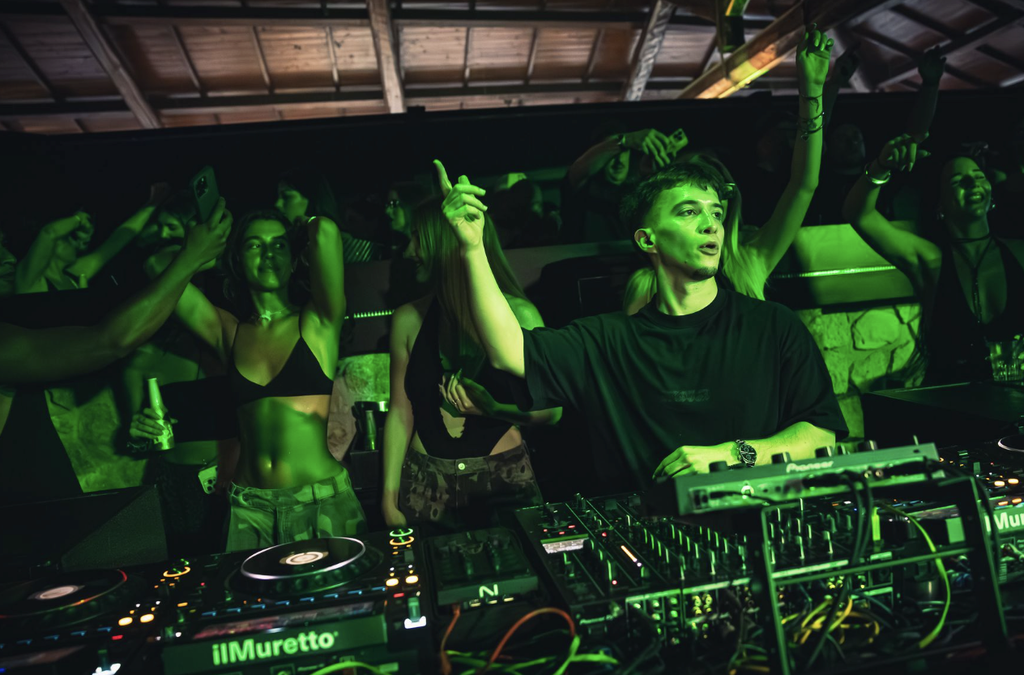
How do you keep the visuals aligned with the music, without turning it into marketing fluff?
I think the most important thing is to always stay real and develop your own way of communicating on social media. The visuals should feel like an extension of the music, rather than something created just for marketing purposes.
Most importantly, you shouldn’t give more importance to the marketing than to the track you’re actually promoting, otherwise people might end up being more fascinated by the visuals than by the music itself.
What’s the cost of always having to look polished, curated, or “on brand”?
I know I might sound repetitive, but I think the main issue is always the same: the risk of making this the most important thing to focus your time, energy and resources on. Of course, taking care of your image is important, but it shouldn’t come at the expense of the music. Otherwise, you can easily lose sight of what really matters.
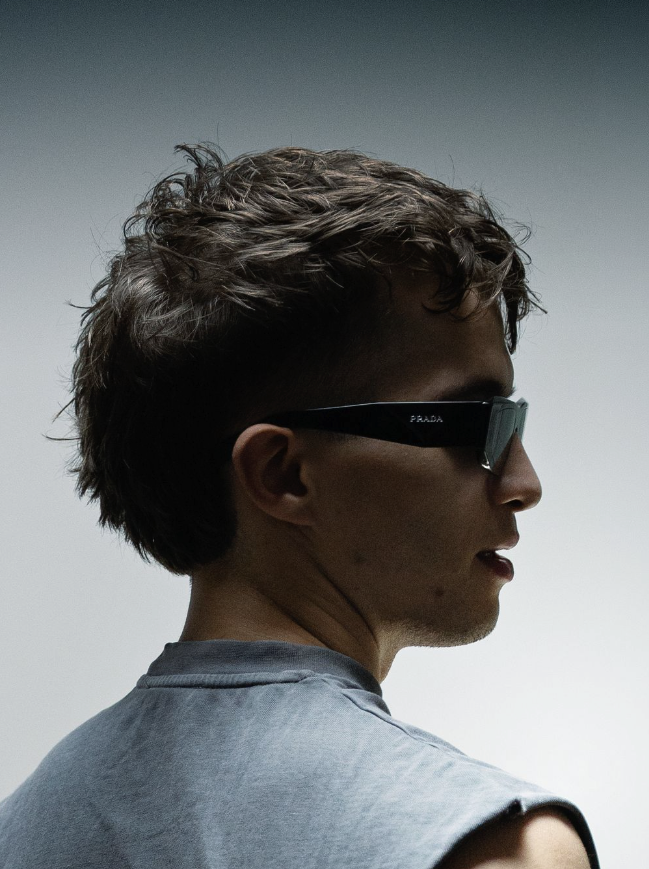
What do you think is the difference between taste and trend when it comes to visuals?
Just like with music, you can create something great, but that doesn’t mean everyone will appreciate it. I think taste is very personal, while trends are something that people tend to follow because they are popular at a certain moment. For me, having your own taste matters more than simply following what is trending.
Where do you think the aesthetic obsession is heading next?
I hope that one day things will change and people will care more about the substance of things.
I think we’re already at a point where appearance can sometimes become more important than what’s behind it. Hopefully, in the future, people will start looking beyond the aesthetics and give more value to the music, the creativity and the actual work behind an artist.
Final Thoughts From The Editor
The thing I kept coming back to in ATLAC’s answers was his concern about how much time and attention artists are expected to devote to their visual presentation. I think that’s a particularly interesting question because social media has become such a normal part of promoting electronic music that we rarely stop to consider what artists are sacrificing to maintain it.
If you’re an independent producer responsible for writing records, managing your own releases, preparing DJ sets, and maintaining an active online presence, you only have so many hours for each of those responsibilities.
I’ve experienced this through my own production and label work, and I think the difficult part is that promotional activity often gives you immediate feedback through views, comments, and engagement, while the value of spending another afternoon improving a record can be harder to measure.
I also appreciated his comments about developing personal taste instead of following whatever happens to be popular, because I think that idea applies to visual presentation in much the same way it applies to production. When an artist sees a particular style of artwork, clothing, photography, or social media content working for somebody else, there’s an understandable temptation to adopt a similar approach. But copying an established visual style doesn’t necessarily help audiences understand anything specific about your own project.
We discussed a related concern in my interview with Jamie Unknown about avoiding manufactured artist identities, where he explained that developing a recognizable musical identity takes time and that he prefers concentrating on the records he genuinely enjoys making. I think the same patience is worth applying to visual presentation, particularly when an artist is still figuring out which parts of their personality and musical interests they actually want to communicate publicly.
There’s also a difference between using visual content to document something worthwhile and deliberately creating situations because they might perform well online. I thought about this during my conversation with Richie Blacker about filming DJ sets and preserving the experience of a club night, where he talked about how hard it is to communicate an entire performance through a short social media clip.
Blacker explained that he concentrates on the people attending his sets rather than selecting records based on whether a particular moment might generate online attention. ATLAC is approaching the subject from the perspective of an artist’s wider presentation, but I think there’s a connection between the two positions. A recording or performance should have its own musical purpose, and the promotional material associated with it can help people discover what happened without becoming the reason it happened in the first place.
And I think that’s probably the most important thing producers can take from ATLAC’s interview.
There’s nothing inherently wrong with spending time on photography, artwork, social content, or a recognizable visual identity, especially when those things help audiences understand the music and the person behind it. The problem arises when maintaining that presentation begins consuming the time and attention that would otherwise go toward the actual creative work.
ATLAC is releasing music on established labels, collaborating with recognized artists, and developing his career during a period when online visibility is part of nearly every promotional campaign. His perspective is a helpful reminder that those opportunities should give producers more reasons to focus on making music they believe in, even as the surrounding business increasingly encourages them to focus on how everything looks.

Will Vance is a professional music producer who has been involved in the industry for the better part of a decade and has been the managing editor at Magnetic Magazine since mid-2022. In that time period, he has published thousands of articles on music production, industry think pieces and educational articles about the music industry. Over the last decade as a professional music producer, Will Vance has also ran multiple successful and highly respected record labels in the industry, including Where The Heart Is Records as well as having launched a new label with a focus on community through Magnetic Magazine. When not running these labels or producing his own music, Vance is likely writing for other top industry sites like Waves or the Hyperbits Masterclass or working on his upcoming book on mindfulness in music production. On the rare chance he's not thinking about music production, he's probably running a game of Dungeons and Dragons with his friends which he has been the dungeon master for for many years.