I’ve always found it interesting how much attention artists give to the visual presentation of their music, particularly when they’re trying to establish a recognizable identity. You can spend months developing a record, refining the arrangement, and deciding exactly how you want it to sound, only to begin thinking about the artwork once the music is finished.
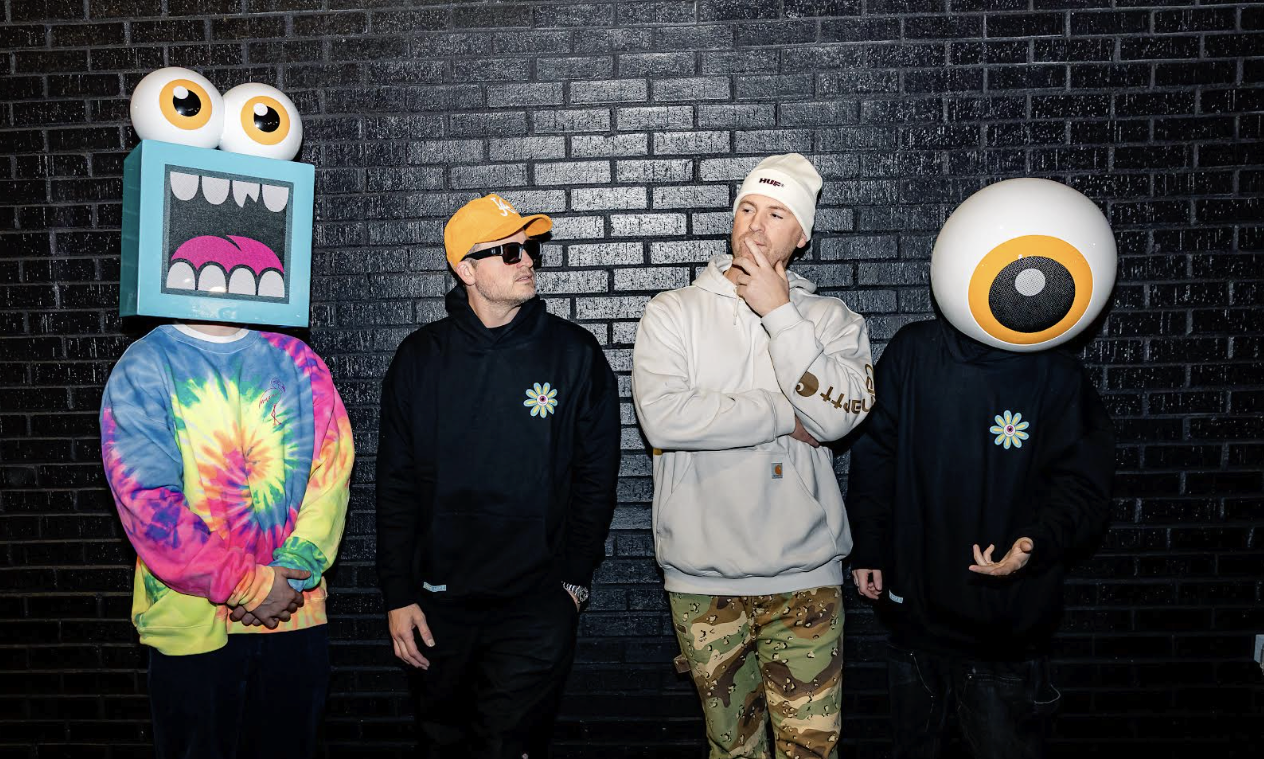
There’s nothing necessarily wrong with that approach, but I think there’s an argument for involving visual artists much earlier in the process, especially when their work can influence the creative decisions being made in the studio. It becomes particularly interesting when the artist behind the visuals also produces the music, which is exactly what Jayceeoh and Greg Mike are doing with their new project, LOUDWERX.
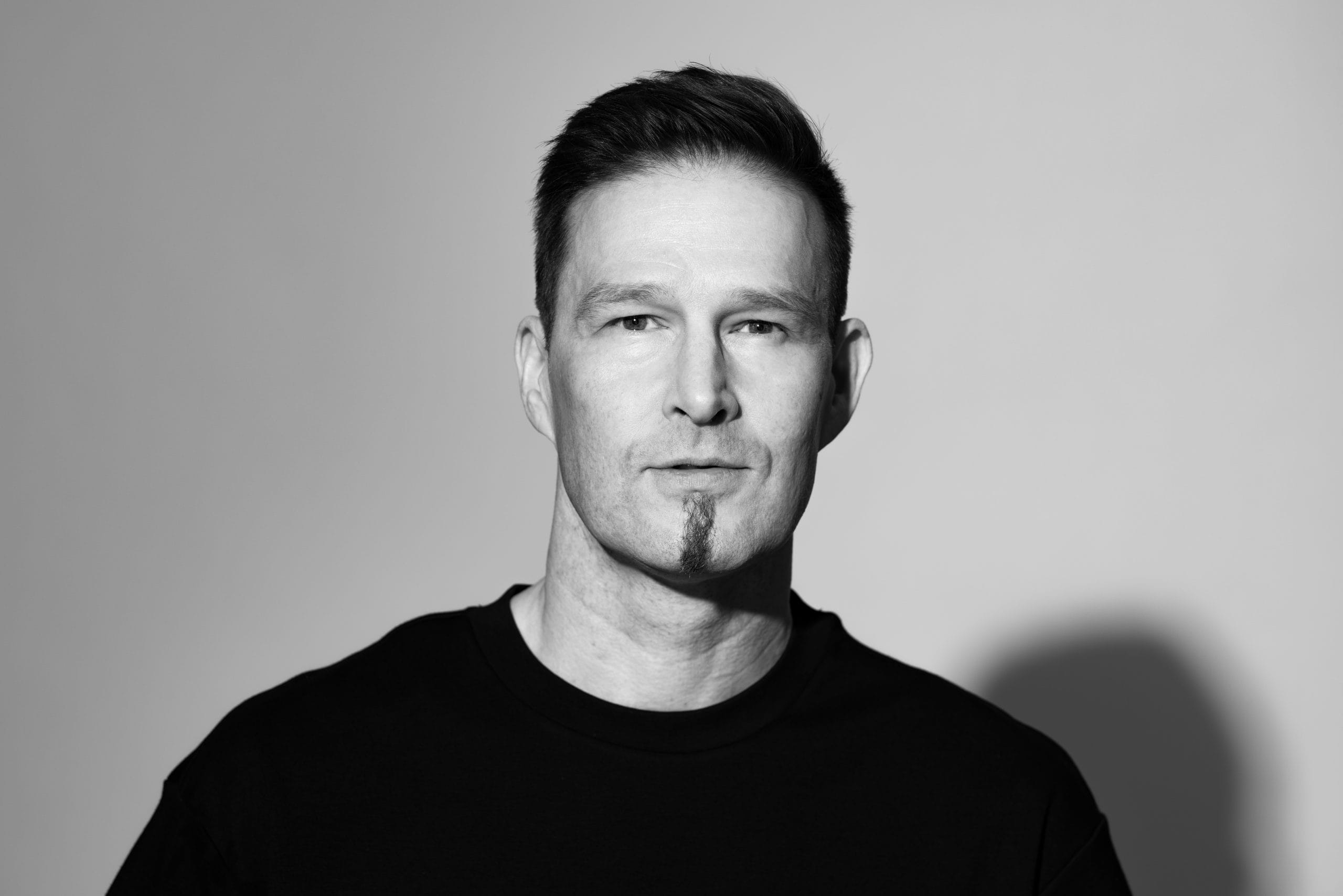
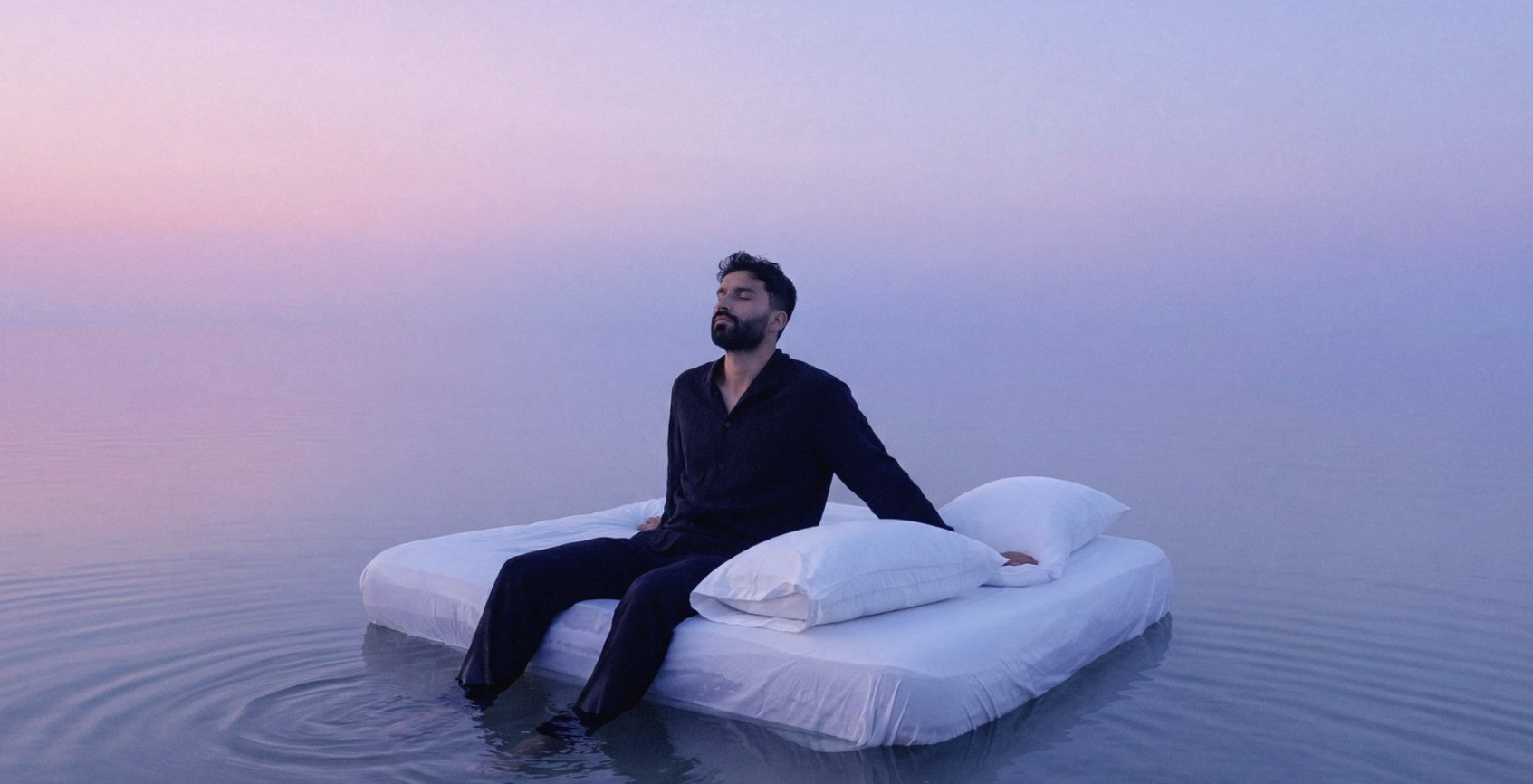
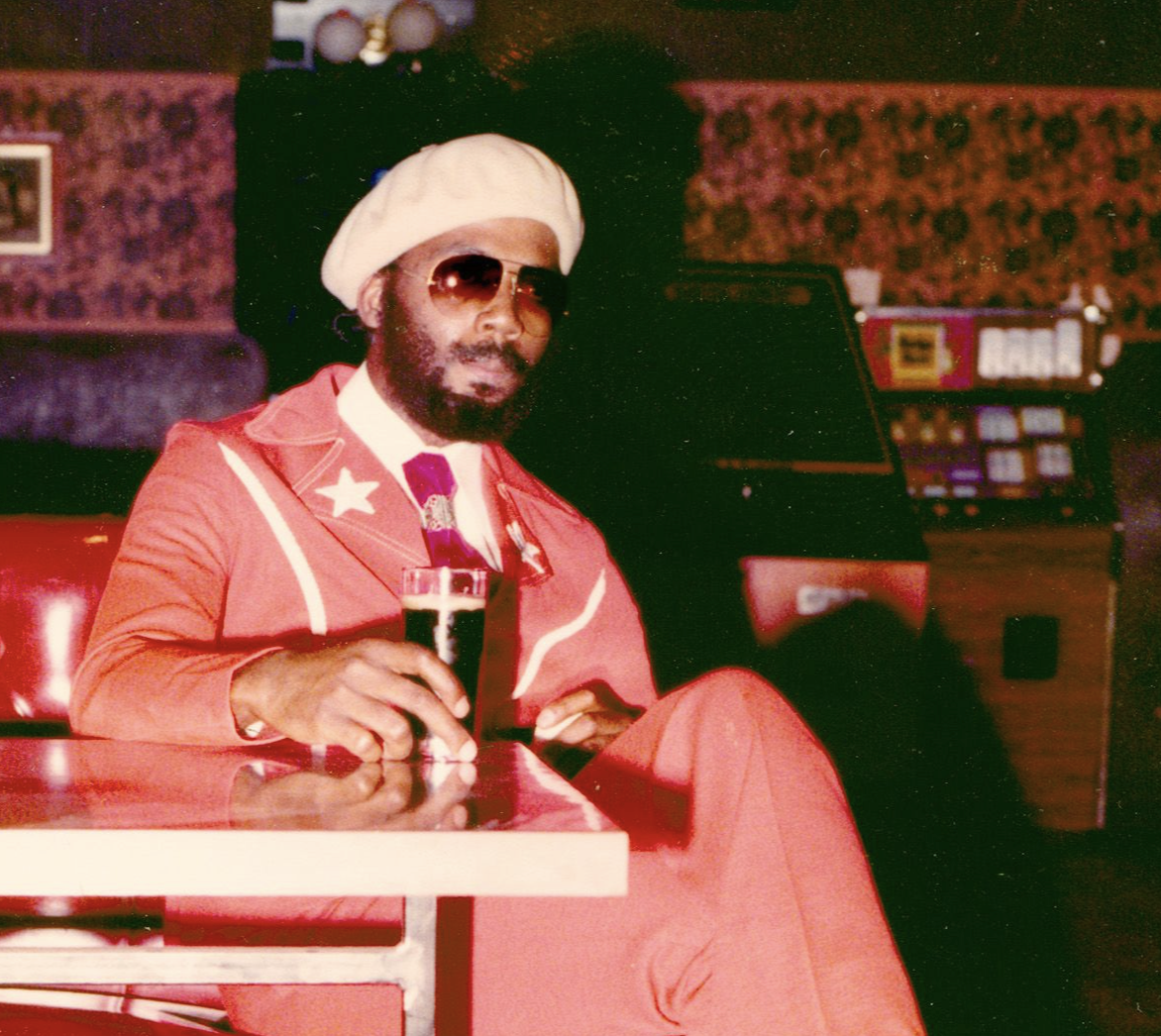
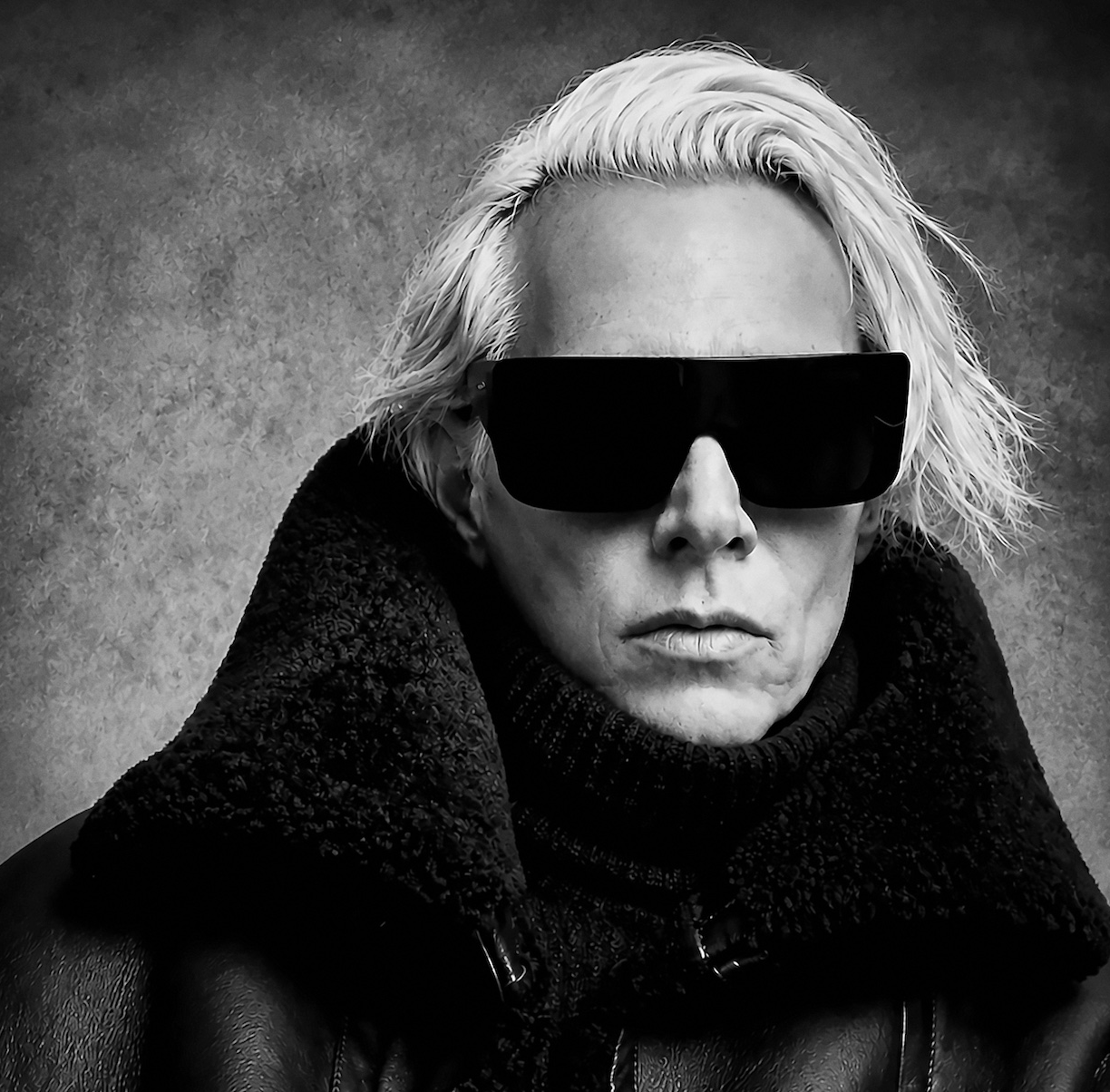
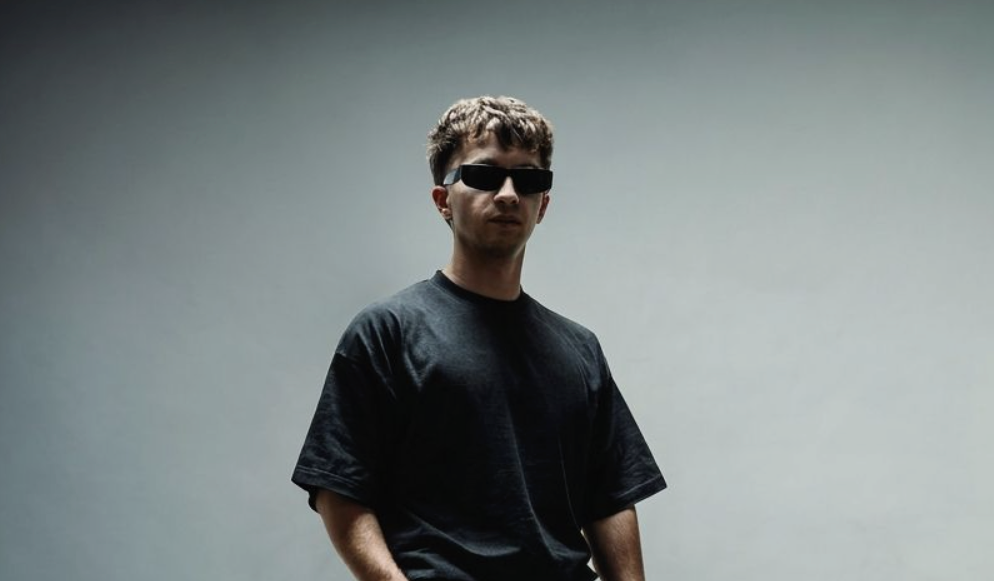
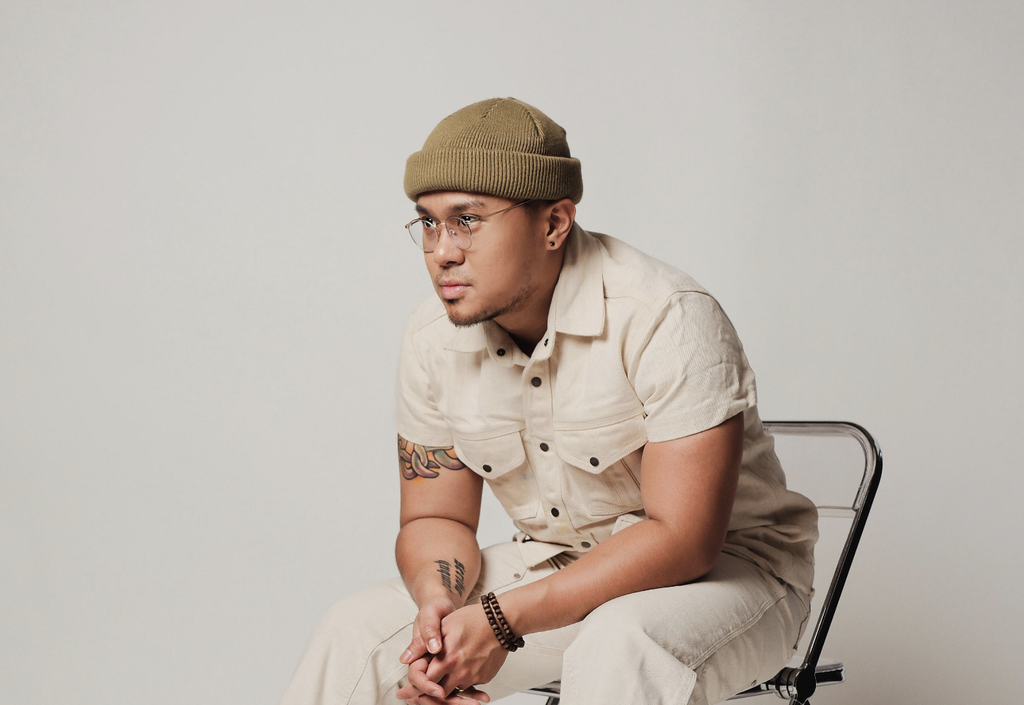
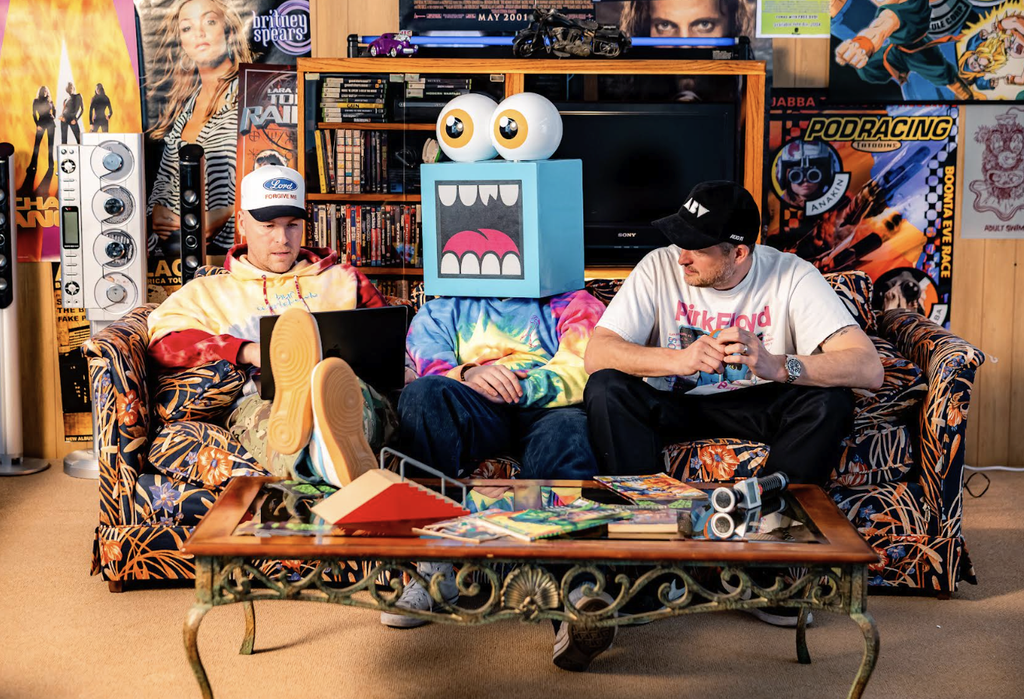
LOUDWERX (@loudwerx) brings together DJ and producer Jayceeoh, known for his work alongside Redman as 1000volts, and Atlanta-based visual artist Greg Mike, whose characters, murals, and installations have appeared through projects including ABV Gallery and the OuterSpace Project. Their debut single, “Bass Go Boom,” arrived October 30 through Artist Influence, featuring Magic & Bird, the hip-hop duo of Andy Mineo and Wordsplayed.
What interested me about LOUDWERX was how much history already existed between its founders before they decided to establish it as a proper artist project. Jayceeoh and Greg Mike initially connected while one was DJing and the other was painting a live mural, eventually developing a series of thirty-minute mixes accompanied by original artwork before considering what they could accomplish together on a larger scale.
We talked about how those early collaborations developed into LOUDWERX, why Jayceeoh wanted the project to sound different from his previous work with Redman, and how the production of “Bass Go Boom” changed once the contributing artists became involved.
There’s also an interesting discussion about using familiar samples without making records that sound interchangeable, and why Jayceeoh doesn’t believe the visual components of LOUDWERX should necessarily take a secondary role to the music.
Interview With LOUDWERX
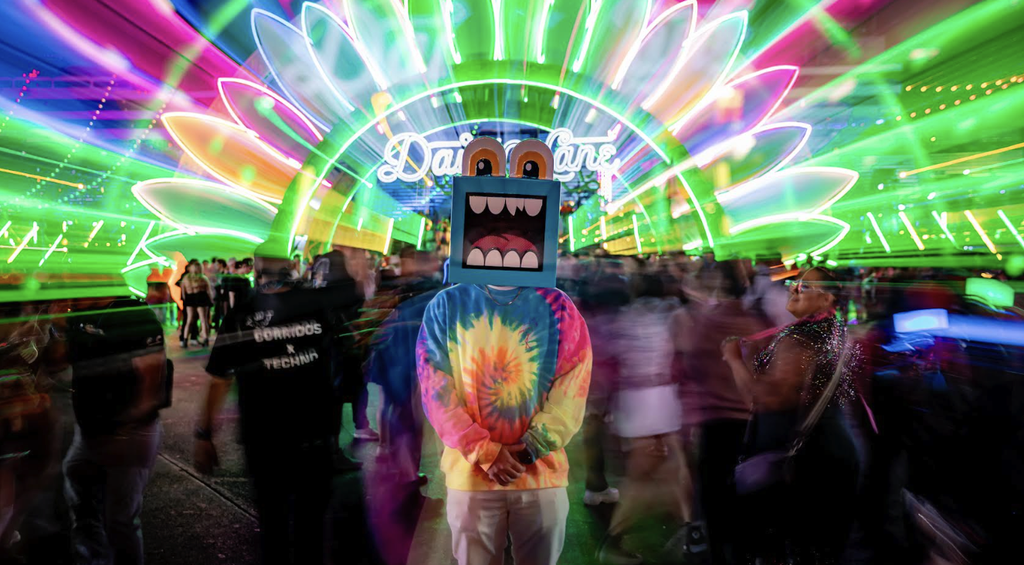
1. LOUDWERX brings together your decades of experience as a DJ, producer, and artist with Greg Mike’s distinctive artistic vision and creative talents. How did your shared passion for music and art evolve into a full-fledged artist project and creative universe?
I met Greg Mike about five or six years ago at an event where he was painting a live mural and I was performing. We instantly connected over our shared passion for music, art, and creativity in general. I was already a fan of his work, and once we started hanging out, we realized we really saw eye to eye creatively.
Not long after, we came up with the idea for a mixtape series called The LOUDMIX. We ended up releasing three volumes, each a 30-minute mix packed with crazy remixes, edits, mashups, and original production, with Greg creating custom artwork for each one. It was an awesome starting point for us, both as friends and collaborators.
Eventually, Greg brought up a really good point. He was like, “The mixes are cool, but how do we turn this into something bigger? How do we build something that can grow into its own creative world?”
He told me he’d always dreamed of bringing his characters to life through music and asked if I’d be interested in building something like that together. I was immediately in.
From there, I started producing records and experimenting with different sounds and styles, trying to figure out what this world should actually sound like. We went back and forth creatively, building out the music and visuals together until we started finding an energy and identity that felt right.
Originally, the project was called Larry Loud, centered around one of Greg’s signature characters. It was more of a masked, mysterious concept where my involvement was intentionally behind the scenes. But as things developed, we realized there was a much bigger opportunity in putting ourselves at the center of it and building an entire universe around us.
That’s really when LOUDWERX started taking shape.
We wanted to create something where the animated world and the real world could constantly cross over. Greg’s characters exist within this larger universe, but so do we, through the original music, live performances, art installations, and immersive experiences. We’re essentially blurring the lines between music, art, animation, and reality.
And what’s exciting is that it’s become much bigger than just my production and Greg’s artwork. We’re building an entire creative ecosystem with a growing network of collaborators we call THE LOUD FRIENDS: vocalists, producers, musicians, and artists who all help bring this world to life.
Greg is also producing music and DJing alongside me, while continuing to expand the visual universe. We’re both involved in shaping the music, the creative direction, and the bigger picture of what LOUDWERX can become.
Ultimately, that’s what made us realize this needed to be a real artist project rather than just a series of collaborations. We weren’t interested in simply putting music to artwork or artwork to music. We saw an opportunity to build something where the music, the art, the characters, and the experiences all feed into each other, creating a world that can keep growing and evolving in ways we’re only beginning to explore.
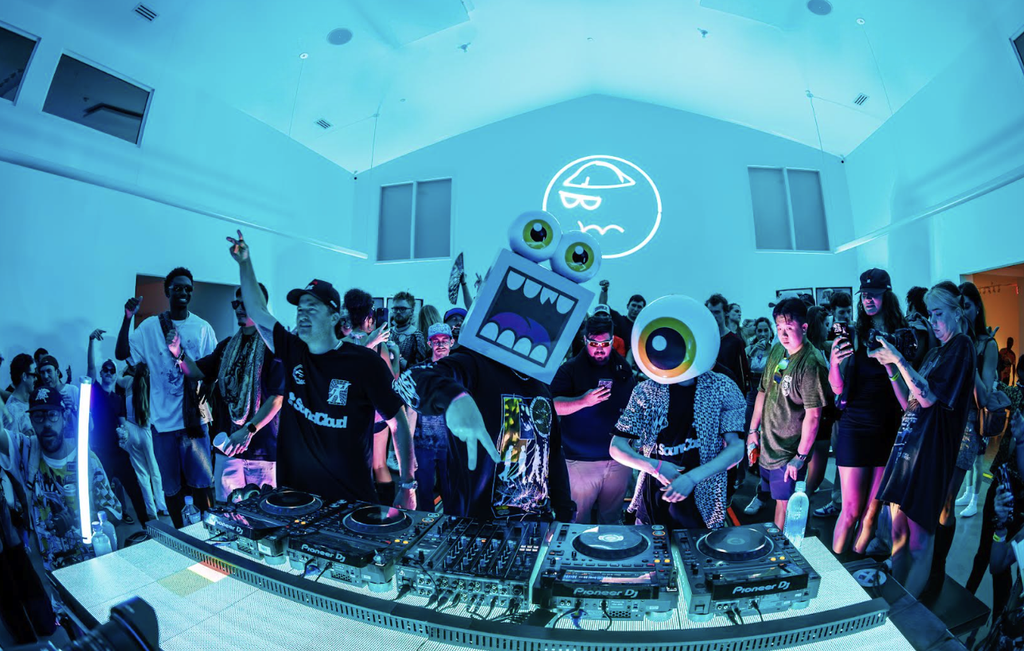
2. What did the earliest version of the production contain, and which parts survived into the final master?
This record actually started with my boy Taxxi, formerly known as Party Thieves, who’s now living out in Australia. He had been cooking up some ideas and sent me a few different records he was working on.
One of them immediately caught my attention. It had this really cool bassline and an overall vibe that I felt had a lot of potential.
I could hear where I wanted to take it right away. I started stripping certain things back, enhancing other elements, and built the record out around the parts that I felt really made the record work.
The bassline and that initial energy were really the foundation. I knew there was something there that could hit on an underground level but still be accessible to a much wider audience.
After working on the record a bit we had a session with Andy Mineo and Wordplayed aka Magic&Bird in Atlanta. We went through a bunch of records and they immediately picked this one out of the bunch.
The original idea gave us that foundation, and from there it was really about shaping the production into something that felt like LOUDWERX.
3. How does producing for LOUDWERX differ from your solo work and your records with Redman as 1000volts?
My approach to LOUDWERX is almost the polar opposite of what I was doing with 1000volts.
With 1000volts, the whole concept was bringing an iconic rapper like Redman into the electronic music world through heavy bass music, which was really where I was at musically at the time.
That project was super high-octane, aggressive, in-your-face, face-melting energy. It was dark, heavy, and designed to hit you as hard as possible.
LOUDWERX is a completely different feeling.
We’re going for something much more house-forward, feel-good, and colorful. Nothing too aggressive, but definitely nothing too soft either. We still want the records to hit hard and have that energy, but in a way that connects with a wider audience.
I think the visual world plays a big part in that too. 1000volts was dark and intense, while Greg’s artwork is bright, colorful, playful, and full of life. We wanted the music to reflect that same energy.
With my solo Jayceeoh project, I’ve explored so many different sounds over the years, from hip-hop and turntablism to trap and bass music. LOUDWERX gives me an opportunity to bring all that experience into something that feels fresh and has its own identity.
At the end of the day, I always want to make records that go off in a club or at a festival. I just want people smiling and having a good time while they’re losing their minds to it.
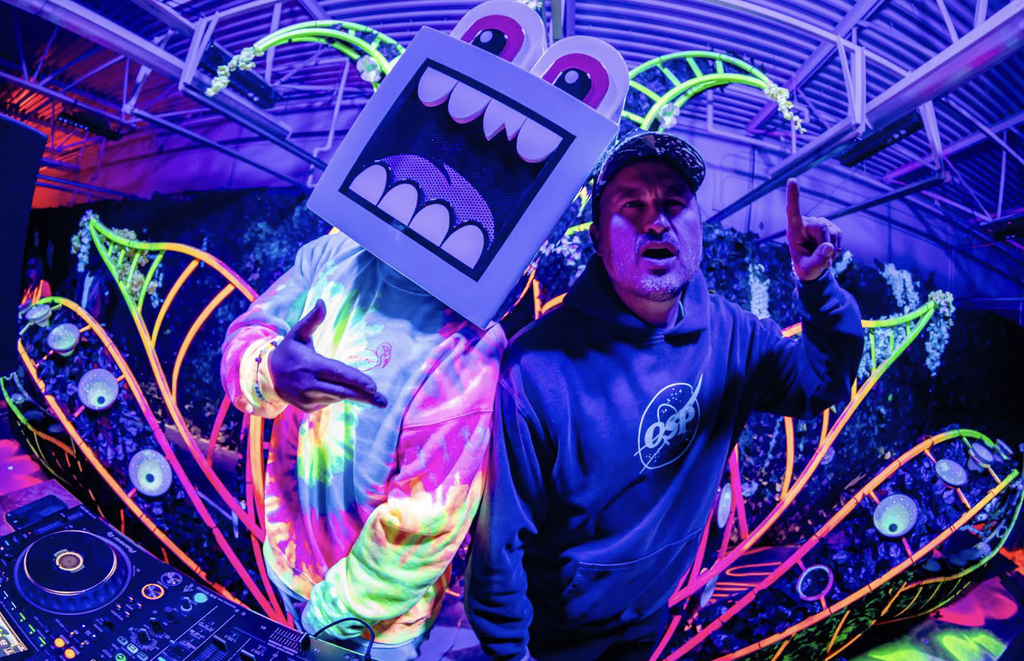
4. What should producers consider before using the same currently popular samples that may already appear across hundreds of releases?
For me, sampling has always been about how you flip it.
Obviously, there are certain samples, vocals, and loops that get used over and over again, but a lot of times there’s a reason for that. They’re really good!
I don’t necessarily think using a sample that’s already been used is a bad thing. Sometimes that familiarity can actually work in your favor. People hear something and immediately have that feeling of, “Wait, I think I’ve heard this before,” and there’s already a connection to the record.
But the important part is what you actually do with it.
How are you manipulating it? How are you incorporating it into your production? What are you doing that makes it yours?
Anybody can drag a sample into a session and build a beat around it. But if you really want to stand out, you have to find a way to flip it that hasn’t been done before.
That’s where your identity as a producer comes through.
I think the best producers can take something familiar and turn it into something that feels completely new. That’s always been the magic of sampling to me.
5. As LOUDWERX expands into animation, installations, merchandise, and performances, how will you keep the music central to the project?
I think the cool thing about LOUDWERX is that all of these things are naturally connected. They’re not separate pieces we’re trying to force together.
At the core of the project is this idea of “SOUND YOU CAN SEE.”
The music inspires the artwork, the artwork inspires the music, and then the animations, installations, merchandise, and live experiences bring everything together.
It’s all feeding into itself.
I’ve actually been surrounded by visual art my entire life. My whole family is made up of visual artists. I was a graffiti writer before I fell in love with DJing, and I think that’s a big reason Greg and I connected on such a deep level creatively from the beginning.
I’ve always looked at music as something that can create a feeling, an environment, or even an entire world. And now we’re literally building that world.
The music is the soundtrack to everything we’re creating. The artwork, characters, animations, and merchandise are how that music comes to life visually. And the live shows and experiences are where people actually get to step inside it.
So I don’t necessarily look at it as trying to keep the music more important than everything else. I think every part is equally important, and each one makes the others stronger.
We want someone to hear a LOUDWERX record and immediately connect it to a certain feeling, a visual, or an experience. And we want someone who discovers Greg’s artwork or one of our characters to eventually find their way into the music.
That’s really the vision behind LOUDWERX.
We’re not just building a music project. We’re building an entire world that people can become part of.
Final Thoughts From The Editor
The thing I found most interesting about Jayceeoh’s answers was his explanation that LOUDWERX changed considerably once he and Greg Mike stopped thinking about the artwork and the music as separate responsibilities. I think artists sometimes approach the visual side of their careers as something that needs to support an already established musical identity, which can work perfectly well when the creative direction is clear.
But Jayceeoh describes a situation where the collaboration itself helped determine what the music should sound like, particularly as they moved away from the earlier Larry Loud concept and began developing LOUDWERX around their own personalities and creative interests. That distinction matters because the artwork wasn’t simply commissioned to represent a finished record. The people behind the music and visuals helped decide what the project would become.
I was reminded of our interview with Modal Nodes about developing a bass music identity, where the duo discussed the relationship between their masked presentation, original music, custom visuals, and the larger creative direction behind the project. One interesting thing about that conversation was how deliberately they approached the relationship between those elements, rather than assuming recognizable artwork would automatically create an identifiable artist project.
Jayceeoh and Greg Mike seem to be considering a similar question from a different position, particularly because Greg already has an established collection of characters and a history of producing work for galleries and public spaces. The decision to move away from the original masked Larry Loud concept suggests they wanted audiences to recognize the people behind the project while keeping the fictional characters as part of its presentation.
I also appreciated Jayceeoh’s comments about sampling because I think they connect to the same broader question about creative identity. He doesn’t seem especially concerned with whether another producer has already used a particular sample, provided the person using it has made enough decisions to give the finished record an identifiable character.
In our conversation with Yolanda Be Cool about the sampling process behind “We No Speak Americano”, the duo discussed selecting existing recordings, experimenting with them in Ableton, and deciding whether the resulting arrangement worked within their own musical preferences. Jayceeoh describes something similar when he talks about manipulating familiar material rather than assuming the original sample determines the finished production. I think that’s relevant to LOUDWERX because the project already incorporates recognizable influences from house, hip-hop, and electronic music, but the decisions made by its collaborators will determine how those influences appear in the finished records.
What I would take from this conversation is that artists can benefit from considering the relationship between their music and visual presentation much earlier than they might ordinarily do.
LOUDWERX offers an interesting example: the project began through an existing friendship, developed through a series of DJ mixes, and eventually became an opportunity for Jayceeoh and Greg Mike to work together on music, character design, animation, and live performances. There’s still plenty to learn about how those ideas will develop as they release more records, and the project’s success will ultimately depend on whether the individual components are worth people’s attention.
But I think the process they’ve described is worth considering, particularly for musicians who want to collaborate with visual artists in a way that gives those artists some influence over the creative decisions being made.
If the relationship is established early enough, the result can reflect the interests and abilities of everyone involved rather than asking one person to interpret somebody else’s finished work.

Will Vance is a professional music producer who has been involved in the industry for the better part of a decade and has been the managing editor at Magnetic Magazine since mid-2022. In that time period, he has published thousands of articles on music production, industry think pieces and educational articles about the music industry. Over the last decade as a professional music producer, Will Vance has also ran multiple successful and highly respected record labels in the industry, including Where The Heart Is Records as well as having launched a new label with a focus on community through Magnetic Magazine. When not running these labels or producing his own music, Vance is likely writing for other top industry sites like Waves or the Hyperbits Masterclass or working on his upcoming book on mindfulness in music production. On the rare chance he's not thinking about music production, he's probably running a game of Dungeons and Dragons with his friends which he has been the dungeon master for for many years.