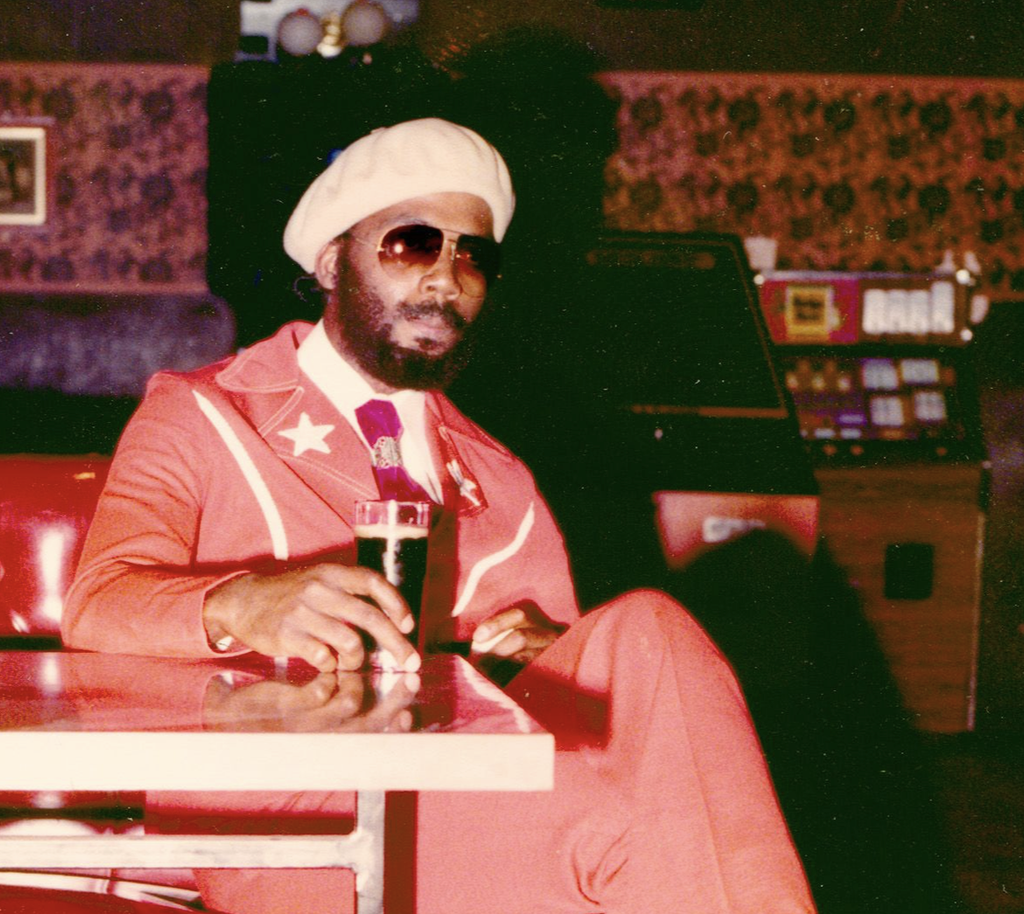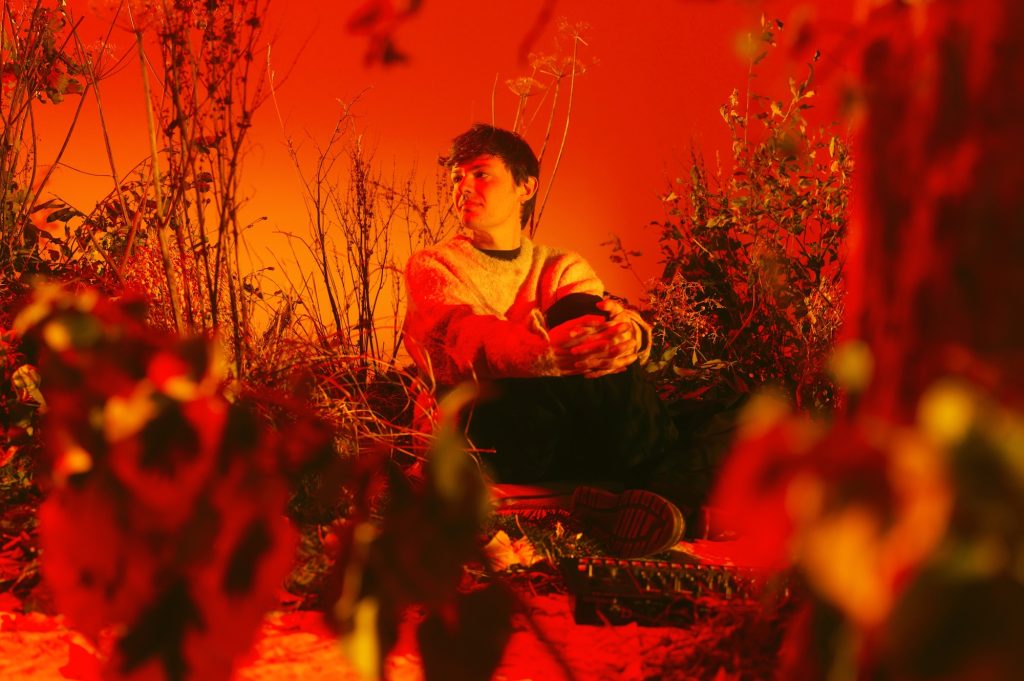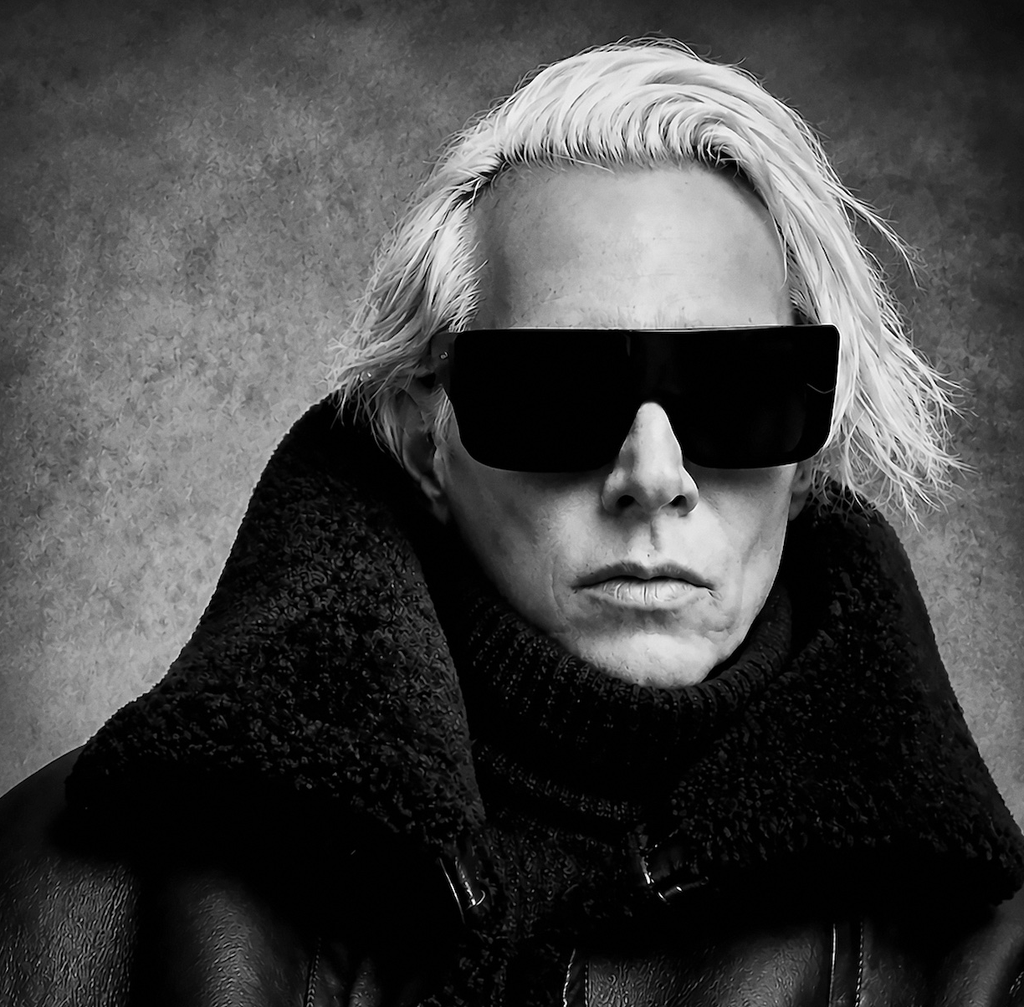
Most artist-first platforms sound great until the money gets specific. Then the language usually gets softer, the percentages get harder to follow, and the artist is left trying to work out how much of the release actually comes back to the person who made it. Outboard Music is trying to make that part less vague.
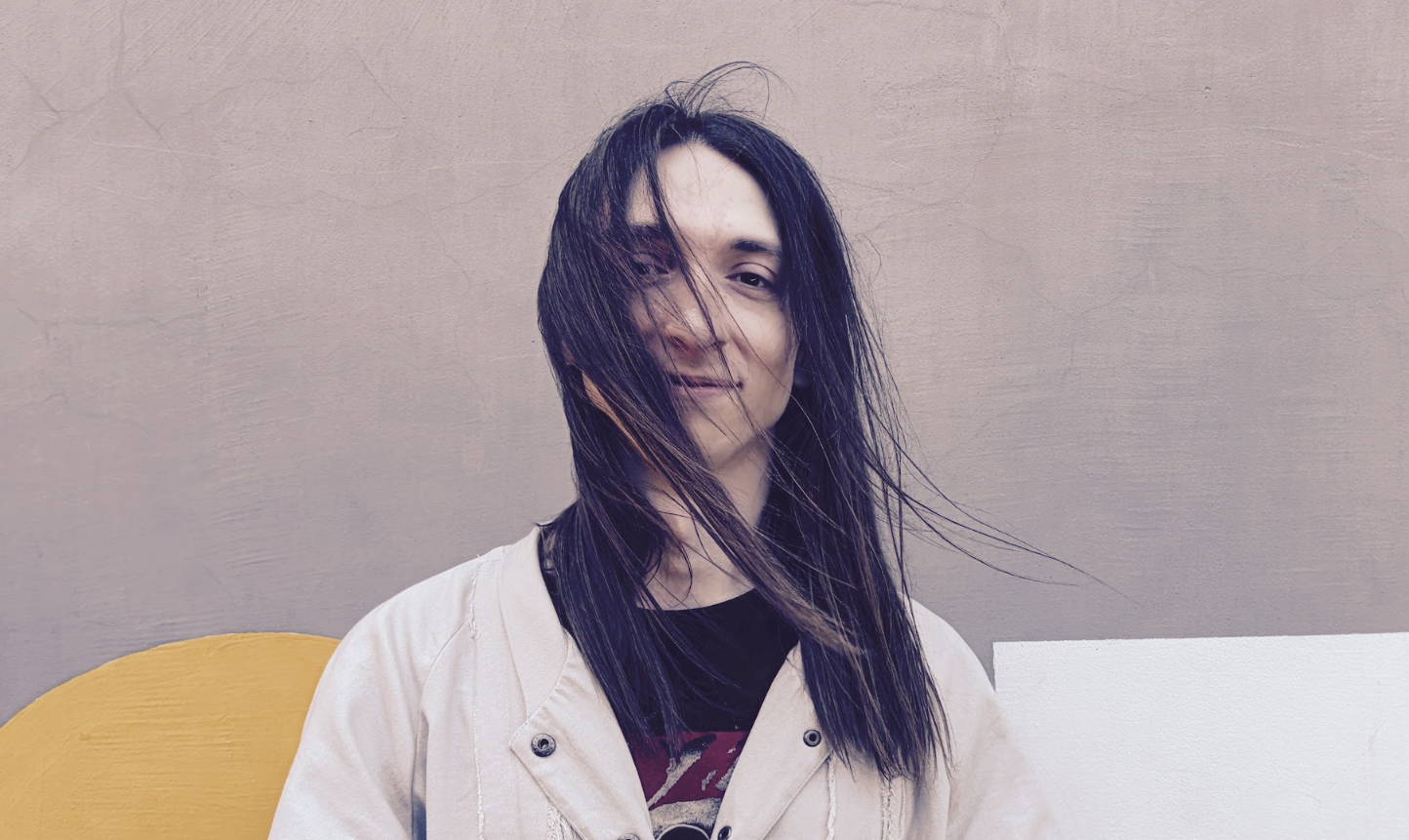
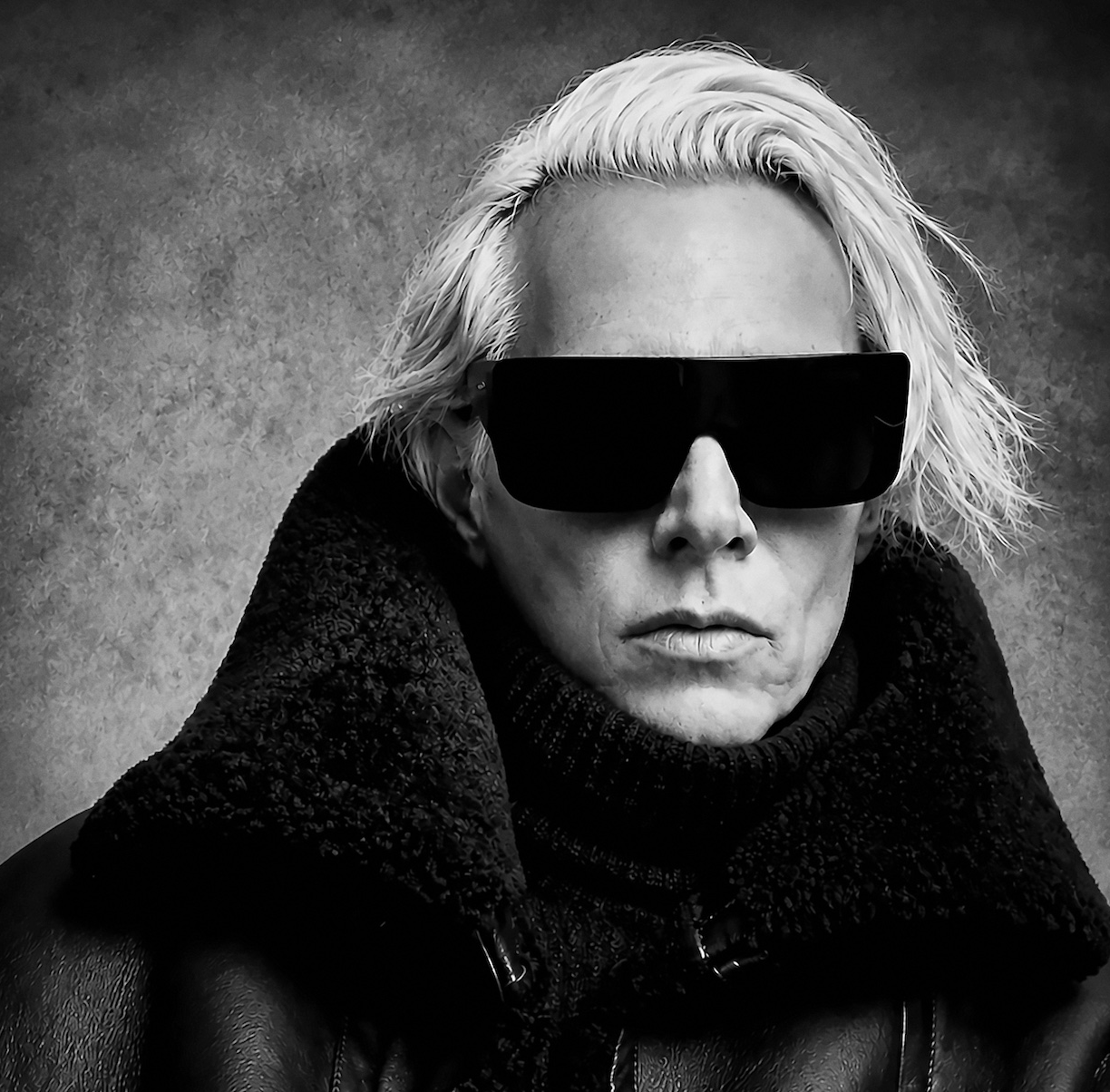
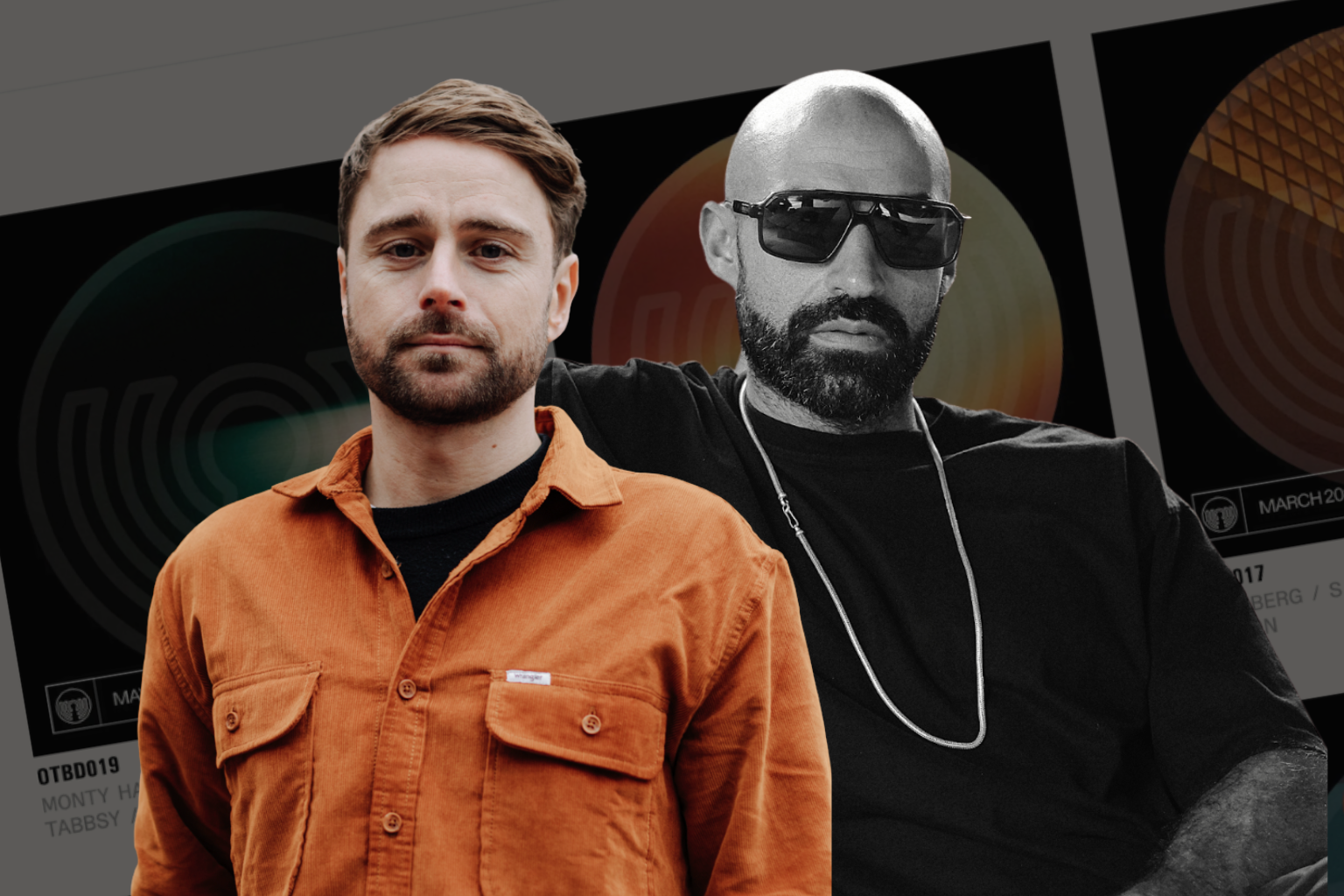
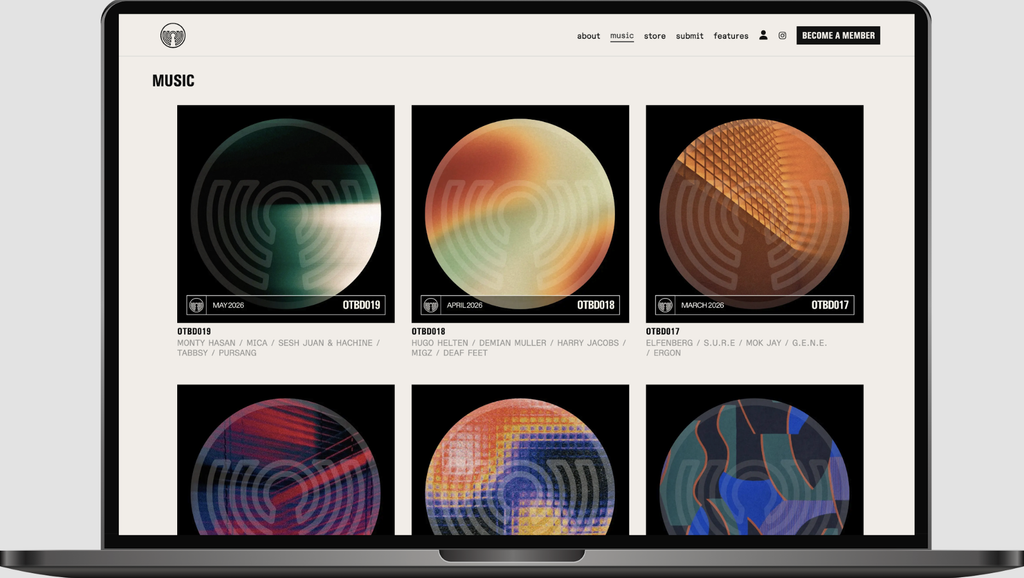
Founded by Adam Wise and Rory Cordery, Outboard sits somewhere between a label, a subscription platform, and a curated underground music store.
The idea is simple enough to explain without dressing it up: every month, Outboard releases a small batch of curated tracks from established names and lesser-known producers, gives subscribers access to that music, and splits the month’s release revenue evenly between the artists and the platform. After that first release month, the artist keeps all back-catalog sales. sets a new precedent in the music industry, one which artists have been yearning for. In the Outboard Music ecosystem, artists retain full ownership of their productions and keep most of the profits from all sales.
This shifts away from unsustainable systems and introduces a first-of-its-kind model designed to give artists what they truly deserve, and a breath of fresh air to cover for me as a writer and with a new commission structure giving artists 100% of the payouts, there was no better time than to sit with them for a discussion
That model is what Outboard calls “Equalising the Underground,” and the phrase works because it is not only about discovering tracks. It is about trying to reduce the gap between artists with leverage and artists who may be just as good but have less industry machinery around them.
In the Q&A below, Adam and Rory explain how the idea started during the pandemic, how the subscription works, what artists retain, and what they want Outboard to prove beyond being another music platform with better branding.
Q&A With Outboard Music
What happened in your own lives as DJs and producers that made you decide to build Outboard?
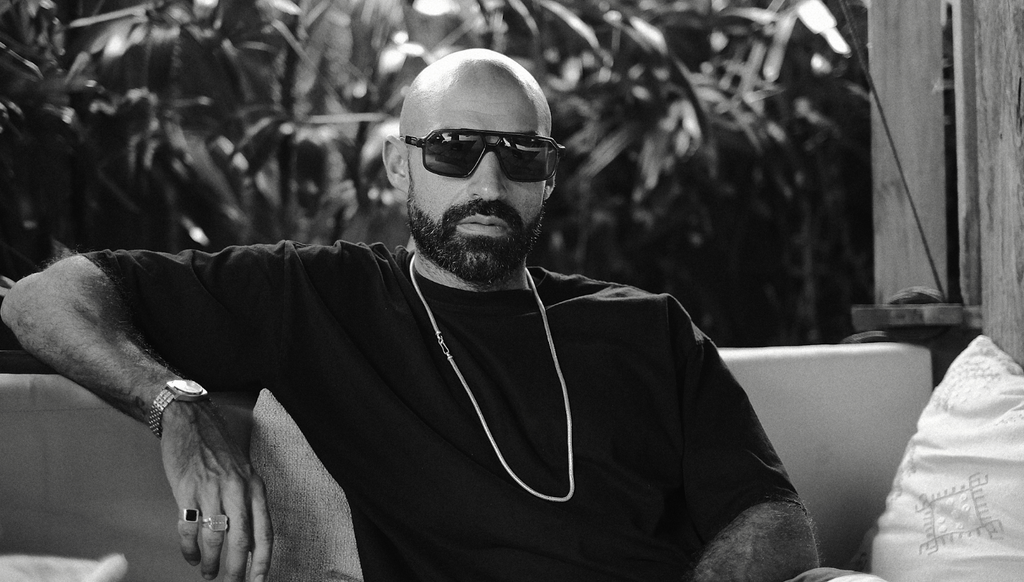
Adam: From a producer’s perspective, I’ve had a few releases over the years under various aliases, where after the release you just never hear back from the label. We pride ourselves on really personal comms with our family of artists. From the DJ side of things, previously working in the events industry for over a decade, mostly festivals and nightlife – from production to stage managing to booking artists and liaising with agents etc., one of my personal disgruntlements was always the vast disparity between the fees of ‘bigger names’ and lesser knowns, who often times are just as talented (more so on some occasions?) than those being paid many tens of thousands for essentially the same job. It’s been our mission from the beginning to create something as accessible, fair, transparent, and supportive as possible. This is how we coined what we are referring to as ‘Equalising the Underground’.
Artists no matter how established or unknown, all get paid the same from the release. The more established artists that we have released so far were more than happy to leverage their clout to bring the next artists up. Artists who are not into this are not artists we wish to work with, as it’s not what Outboard is about, it’s about leaving ego’s at the door and contributing to something bigger than the sum of its individual parts.
Rory: As a DJ, promoter and event producer over the years, collaboration has been a big element in creating special experiences which has ultimately led to formulating lifelong friendships through working together with people of a similar creative persuasion. I’ve always found great joy in platforming newer artists, or getting people involved who may have little experience in events or the music industry by providing opportunities for people to either perform or just get involved from a logistics and operations side of things working in events. I think it can be frustrating for anybody starting out to get a shot at playing or getting to showcase their talents and it’s something we’ve both been pretty set on whether that be from running a small booking agency together for about 6 years, producing my own club events or working in the more corporate side of events. This project has been an extension of that collaborative essence and ultimately to establish a new ecosystem for electronic music producers to work together in partnership to build something meaningful at a time when the industry has become a very hard place for artists to thrive.
It’s no secret that releasing music is a labour of love and when you take out all of the fees that are involved whether that be the label cut, the distribution costs, platform fees and cost of mastering, it leaves very little in the pot at the end of this for the artist and the end of release journey. Our mission has always been to create an offering that is as cost neutral to the artist, whilst providing a selection of tracks that is of great value to our members.
Was there a particular release or payment that prompted the first serious conversation?
Adam: The earliest origins of the conception of Outboard were not a particular release or payment, rather the global “P word” that shocked industries across the board. Rory and I were living together in Indonesia and with me losing work as a graphic designer and Rory primarily as a DJ, the extra time on our hands allowed for numerous kitchen table conversations to unfold – the state of the world, of the changes within the music industry, streaming, etc. – and one such conversation about starting a project that could withstand even a global economic downturn.
Apparently even during that time, vinyl record sales were on the rise. After some research and intuition we arrived at the conclusion that evening that during an extended crisis and lockdowns etc, people would continue to make, buy, and sell music online.
The brainstorm then expanded to the seemingly unprecedented: “what if we made it as cheap as possible for members?!” and “what if we split everything completely evenly… no one’s doing that” and so on.
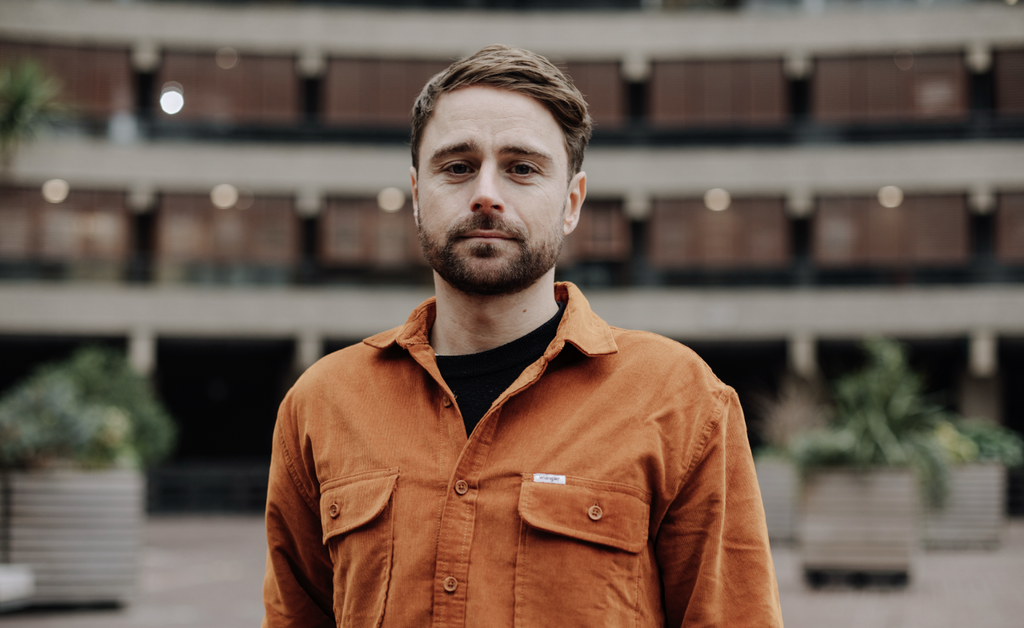
Rory: Adam and I have often lived by the mantra “we rise by lifting others” and Outboard came about as an extension of that from a series of discussions around the pandemic. The big question was what we could do to provide earning opportunities for DJ/Producers who were currently out of pocket as the live element of gigging and touring had been taken away from a number of our peers, myself included. That paired with the revelation of how much artists actually take home from releasing their work through conventional methods where there are so many deductibles along the way (labels who take a cut and via platforms who also take a huge chunk of the profits from sales too). We were frustrated with the disparity and that it just didn’t seem fair that musicians and producers who soundtrack our lives were getting a raw deal after putting so much love into their work.
At this time, we could see that people were still actively buying music through stats and figures we’d assessed through a previous project that we were working on that was more focussed around physical sales of vinyl records. So, it was an encouraging sign that even though the events world had shut down, people were still buying music. The launch of initiatives such as Bandcamp Fridays was also a good inspiration – a people-powered movement to put more money directly into the producers pockets, so we set off down a path of discussions on how we could create a model to do something similar that would lead to a bit more of a sustainable pathway in uncertain times; then, now and in the future.
For someone encountering Outboard for the first time, what does a subscription include today, and how does the money reach the people making the music?
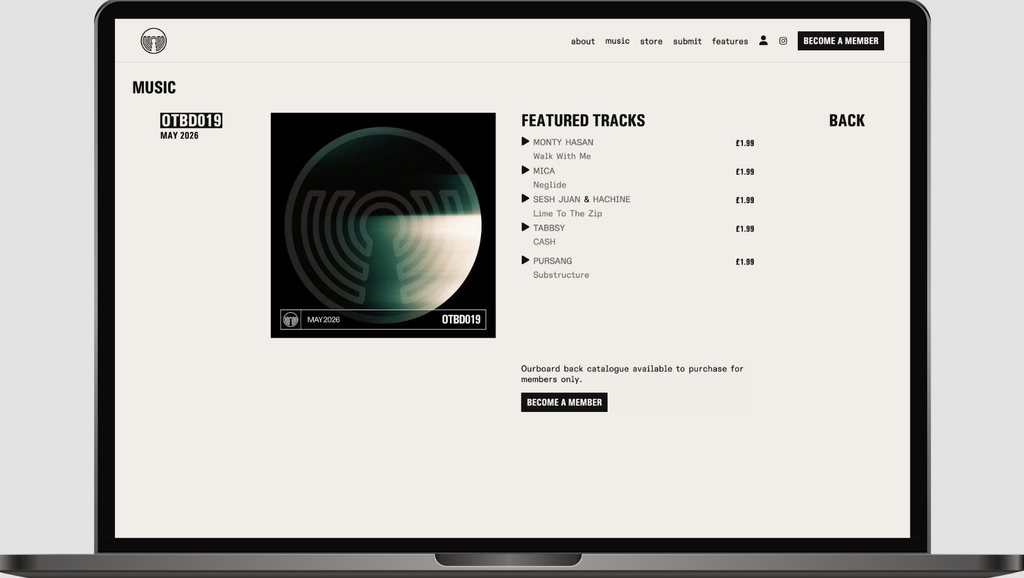
Adam: The model and process is straightforward. On the 1st of each month, Outboard releases 5 original tracks, from 5 artists. For only GBP 3.99 per month (roughly USD 5.20 at the time of writing this), members get exclusive access to download these tracks (not available anywhere else).
Members also have access to the back catalogue of Outboard releases, where tracks are available for purchase at GBP 1.99 each. Artists get all of this revenue, Outboard doesn’t take a cut. At the close of each month, a report is sent out to the artists with the transparent stats, member count, revenue, and their take. We then pay them individually. Outboard is something of a hybrid between a label and a ‘platform’, in that we curate and deal personally with the artists; it’s not a user-generated/direct-to-consumer type model like Bandcamp or others.
The curation and release format is that of a traditional label, whilst the membership model is the ‘platform’ element.
Rory: It’s a curated stack of tracks released each month from established and newer, lesser known artists from within the House, Techno and Electronic music scene. Each month members are given 5 tokens as part of their membership which can be used to purchase tracks from the Outboard collection. Our model is a full, transparent profit share split of that month’s takings between the 5 releasing artists and one share to the platform. This means that everybody gets paid the same, regardless of status, follower count or how long they’ve been in the game. The idea is that through collaboration and using each individual’s platforms, we can create space and pave the way for the next generation of artists by providing decent payouts as we grow.
Once the release month is over, the profit split is calculated. Any sales after that 100% goes to the artist. In addition to our exclusive releases, we also have given releasing artists a portal where they can upload music that might already be available on other platforms too, however we offer one of the best commission rates on the market, giving 100% to the artist from these sales (Beatport take 40% and Bandcamp is 10-15% depending on sales volume).
Artists retain ownership of their productions. What permissions does Outboard need to sell the music, and what choices remain with the artist if they want to release it elsewhere or leave the platform?
Adam: Outboard has exclusive distribution rights for two years. After that the artist has full ownership again. The rights are also just for digital, meaning that should a label come along and offer the artist the opportunity to press the record to a vinyl compilation for example, we support them in that opportunity and they are free to go for it. We’ve really tried to make this the platform that is on the artists’ side, and will help to nurture their creative freedom, development and careers wherever we can. Our entire M.O. is collaboration, not competition. It’s not a case of us and them, label and artist, it’s all of us – together.
Rory: We aren’t into tying artists into deals that they can’t get out of. This was something that we were very clear on from the inception of Outboard. We have a limited exclusivity deal on digital sales of the tracks we sign and host, which is for two years. The main reason for only having a limited exclusivity period is because, unlike most labels, we believe that artists should retain ownership of their work. The exclusivity period is simply a tool to help promote and generate income for the artists by attracting people to become members and ultimately benefitting the sales of their tracks via our platform as well as others releasing alongside them.
In your founders’ statement, you pledge to support projects for the next generation of producers after reaching subscriber milestones. What are those milestones, and how will you decide where the money goes?
Adam: At present we are not quite there yet as the platform is still in its infancy in the grand scheme of things – so there are no concrete plans here. That said, the fullest expression of that idea would be to, for example, set up studios in developing areas, music workshops and/or masterclasses, supporting charitable endeavours who are working with children in music, and things of that nature.
The plan is to make this a collaborative effort and decision, with our artists and members being part of that conversation – voting, contributing ideas, and a real collective energy of how best to use a portion of company profit to give back to music in whichever way might be most culturally/ industry-appropriate at that given time.
Rory: Our bigger goal for Outboard would be to provide an array of support for emerging artists.
We haven’t fully dialled in what this looks like at present as we are still growing, however as Adam has already mentioned, the smaller version of the vision would be to invest a portion of our profits to charities that are already doing great work in this field.
The larger vision being creating funded bricks-and-mortar studios that would host workshops and training camps for people from lower socio-economic backgrounds to arm them with the tools for getting into music production and navigating the industry.
If we revisit this conversation in a year, what evidence would you want to show that Outboard has improved an artist’s ability to keep making music?
Adam: This time next year, we will have released another 60 original tracks from 60 artists (actually, more: early next year we will roll out new add-on genre bundles, this is very exciting, so stay tuned). We will be producing more content of value to artists – production webinars, free guides, courses, and always on the hunt to spotlight talented, lesser known producers.
Rory: Our focus has always been to build on our current musical offering and expand into other genres of music, so this is a key area of focus for us. We are also looking at hosting some club events as well as panel talks/industry discussions to help move the conversation forward about how to tackle the issue of artist remuneration and to provide more opportunities for those looking to release their music while managing the everyday struggles of paying the bills in a climate where the cost of living is increasing. Fundamentally, our main focus is to keep shining a spotlight and continuing the conversation on the issues surrounding artist pay, while providing high-quality track bundles for our members that come at a reasonable price point.
Closing Thoughts From The Editor
The most useful thing about Outboard is that the model is easy to argue with because it is specific. Five tracks a month. Equal split between that month’s releasing artists and the platform. Back-catalog sales going fully to the artist. A 95/5 artist-store split. Two years of digital exclusivity, with ownership retained by the artist. Those details matter because the music industry loves to talk about fairness until the paperwork starts.
That is why Outboard feels like a good brand spotlight for our readers.
Producers do not need another motivational paragraph about how the underground deserves better. They need better mechanisms. They need places where release economics are not hidden behind vague language, where smaller artists can sit next to more established names without the entire system bending toward status, and where the platform’s incentives are visible enough to be understood.
That connects with Soundplate’s interview on turning clicks into fans.
Soundplate’s angle was more about marketing pathways, fan journeys, and converting attention into something useful. Outboard’s angle is more transactional and release-focused, but the underlying problem is similar: independent artists cannot survive on passive discovery alone. The system around the music has to give people a reason to participate.
The equal-pay piece is the real philosophical core. In most music ecosystems, established names naturally pull more value because they already have an audience, influence, and leverage. Outboard’s bet is that those names can help pull newer artists upward instead.
That only works if the established artists actually believe in the model, and the founders say the ones they want to work with are the ones willing to use their clout that way.
There is also a practical comparison to the conversation around Groover and music discovery. Groover is trying to make feedback and tastemaker access more transparent for artists. Outboard is trying to make release access and artist compensation more transparent. They are not solving the same problem, but they are both responding to the same independent-artist reality: too many steps in the chain are unclear, underpaid, or too dependent on who already knows whom.
The strongest answer in the Q&A may be the one about evidence a year from now. Outboard does not only want to say the model feels fair. It wants to point to another 60 original tracks, more artists paid, new genre bundles, education, guides, webinars, events, panels, and continued public pressure around artist remuneration. That is the right metric for a platform like this. The pitch is only useful if it keeps turning into releases, payments, relationships, and opportunities.
For artists, the simplest takeaway is that release infrastructure is part of the creative life now.
Outboard is building a smaller, cleaner, more intentional chain around underground electronic music. That does not mean one platform solves the economics of the entire scene. It does mean the terms are worth looking at, because that’s where most of the story usually hides. Outboard is putting its argument in the model itself: if the underground is going to keep producing the music everyone else feeds on, then the people making that music need a fairer way to keep going.

Will Vance is a professional music producer who has been involved in the industry for the better part of a decade and has been the managing editor at Magnetic Magazine since mid-2022. In that time period, he has published thousands of articles on music production, industry think pieces and educational articles about the music industry. Over the last decade as a professional music producer, Will Vance has also ran multiple successful and highly respected record labels in the industry, including Where The Heart Is Records as well as having launched a new label with a focus on community through Magnetic Magazine. When not running these labels or producing his own music, Vance is likely writing for other top industry sites like Waves or the Hyperbits Masterclass or working on his upcoming book on mindfulness in music production. On the rare chance he's not thinking about music production, he's probably running a game of Dungeons and Dragons with his friends which he has been the dungeon master for for many years.