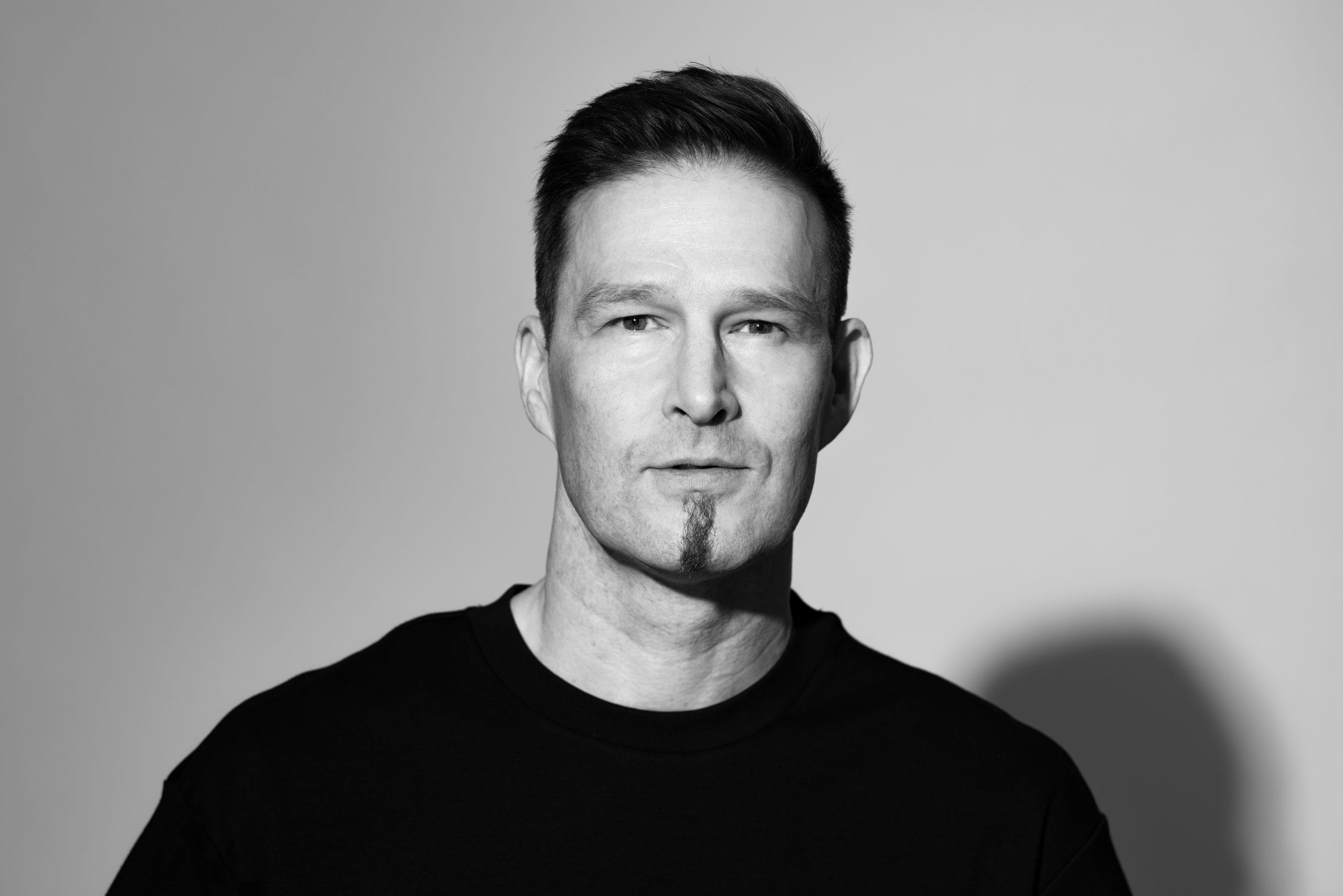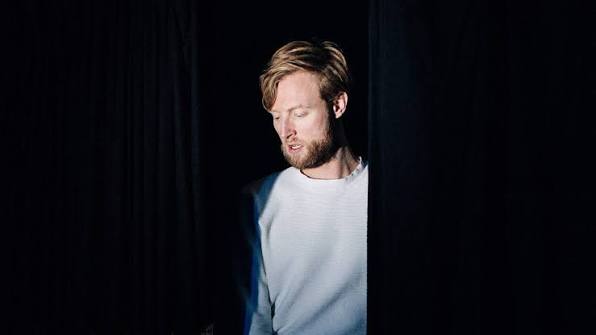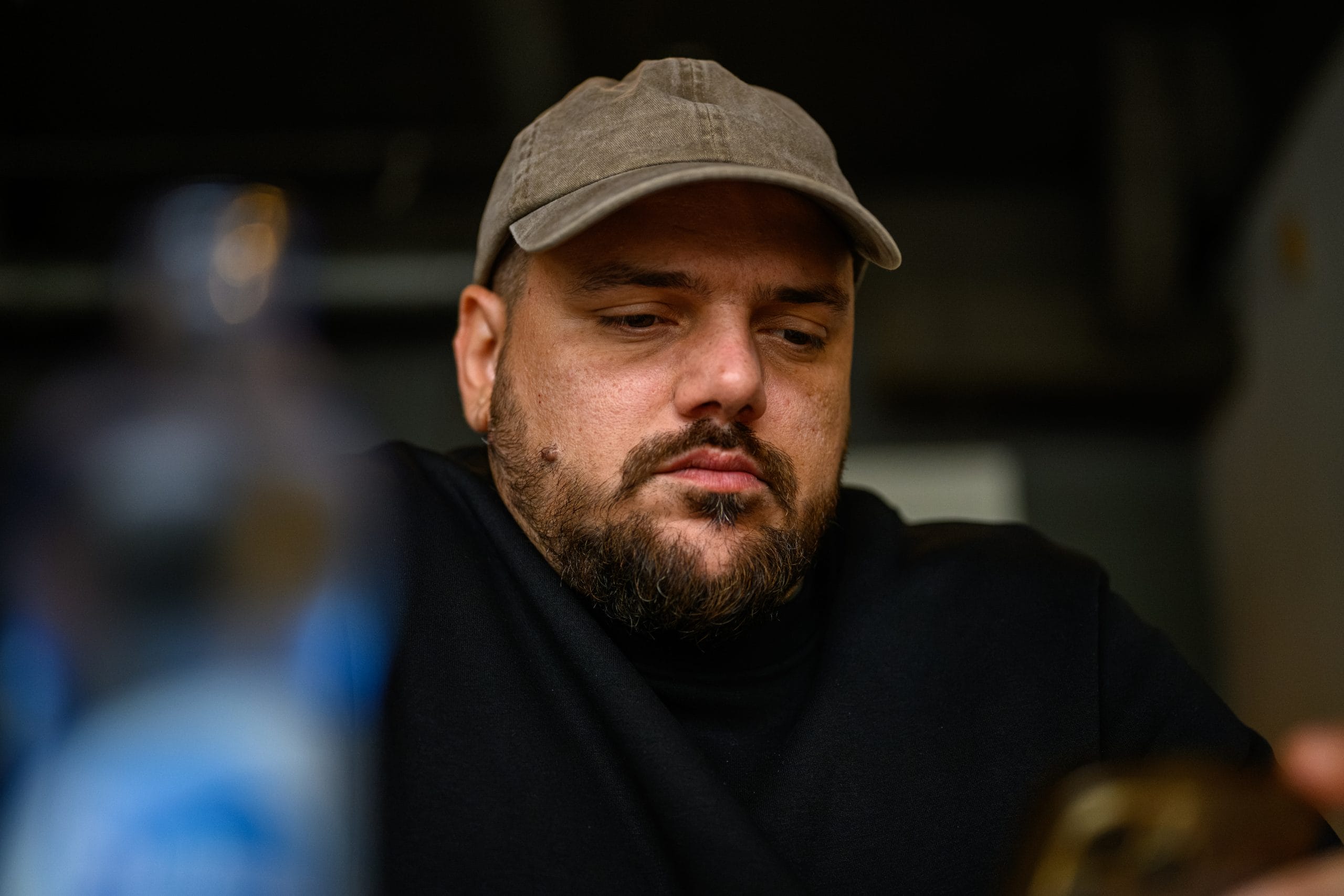
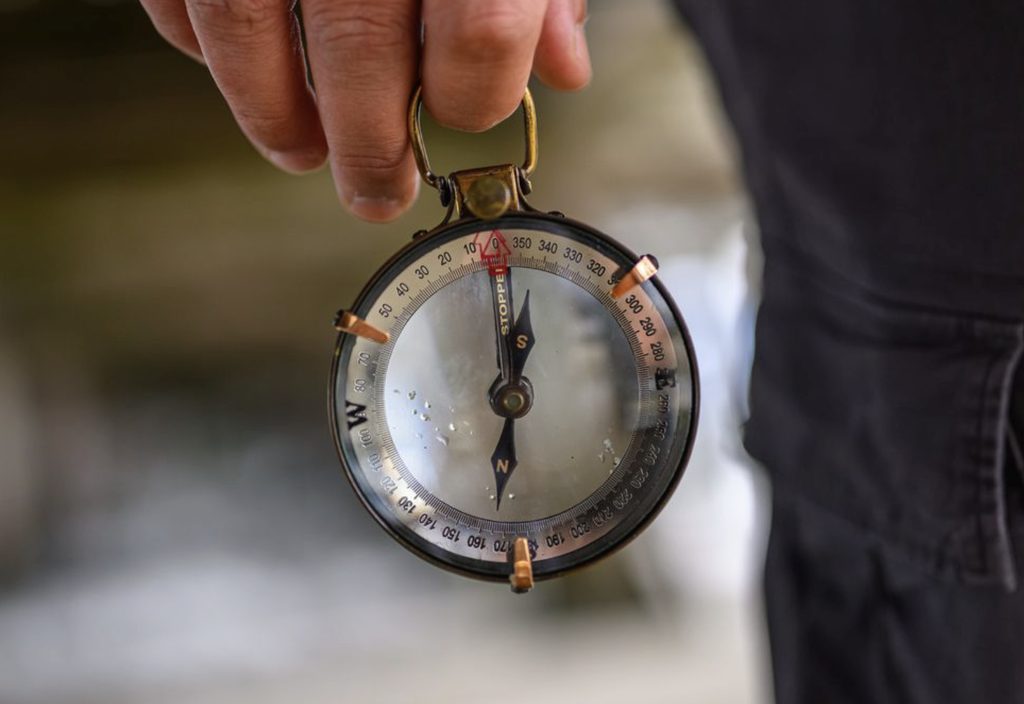
Nihil Young’s (@nihilyoung) Compass is built around the kind of personal material AI cannot fake with any real conviction.
Released August 14 on Zerothree, the debut album pulls from the day he met his wife, the birth of his daughter, the death of his father, and the private emotional terrain that turns a body of work into more than a folder of finished tracks. The album features collaborations with Rowland Giles, Leo Wood, Lasada, Jordan Arts, FRDRK, Adriana Stone, TYGR TYGR, and others, but the emotional center is still Nihil himself.
That context gives this interview a sharper edge than another broad conversation about AI in music. Nihil is not talking about artificial intelligence as a novelty, a shortcut, or a harmless productivity layer. He is talking about the psychological pressure it places on producers who already compare themselves to other artists online, the danger of conflating finish with purpose, and the fragile early stage of a song before it knows what it wants to become.
Compass gives him a real case study for that argument.
These songs needed time because the memories behind them needed time. In the interview below, Nihil talks about why rough ideas deserve protection, why polish is becoming easier to fake, and why a living artistic process still depends on the one thing no model can generate: a life.
Interview With Nihil Young
For producers already comparing themselves to others online, how does AI affect confidence?
It shouldn’t. Most AI tracks still sound goofy, full of artifacts, and half-assed. They’re not competition, they’re slop. And even when you’re looking at “human” releases, most of the time you’re comparing yourself to actual teams of producers, mix engineers, and mastering engineers carefully hidden in the credits. You’re doing this all by yourself. That changes the math. Comparing yourself to other humans is already a trap.
Comparing yourself to a whole production team, or worse, to a generated track that falls apart the second you listen closely, is just ridiculous. The algorithm will always produce something faster and cleaner on the surface, but it has no stakes, no fear, no private reason to exist.
Confidence comes from knowing why you make music, not from measuring yourself against something that doesn’t even have a soul.

Early ideas for a project like Compass are often rough. How should artists treat that vulnerable stage when polished AI output is always only a click away?
Protect that roughness like it’s sacred.
The first sketches for Compass were messy, emotional, sometimes barely held together. That was the part that actually mattered. AI can spit out something shiny (or shittily shiny) in seconds, but it can’t give you the feeling that made you start the track in the first place. The rough stage is where the real material lives, the unfinished thoughts, the half-formed emotions, the things you don’t fully understand yet.
Don’t rush to “finish” what still needs to breathe. If you clean it up too early, you kill the thing that made it worth making.
Some tracks sound polished without saying much. How can artists avoid mistaking polish for purpose?
Ask yourself one hard question: if I strip away the perfect mix, the expensive plugins, the AI-assisted BS, is there still something left that feels true? On Compass I kept coming back to that test. Polish is easy and getting easier every month. Purpose is harder, and it’s the only thing that lasts. A track can sound expensive, modern, and professionally finished, and still say absolutely nothing.
The danger is falling in love with the surface and forgetting to ask whether the track actually needed to exist.
How can producers stay patient with unfinished work, the kind that eventually became the personal stories on Compass, when finished-sounding material is so easy to generate with AI?
Remind yourself that the unfinished stage is where the real writing happens.
The songs about my daughter, about losing my father, those needed time. They needed me to sit with the discomfort instead of resolving it too quickly. AI can hand you a complete-sounding track today, but it can’t give you the version of yourself that only appears after weeks or months of living with an idea. AI most certainly can’t give you a life of memories, emotions and experience. Patience isn’t a romantic idea, it’s practical. The work that matters almost always feels incomplete for longer than is comfortable.
That discomfort is part of the process, not a problem to be solved with a prompt.
What perspective would help artists who feel discouraged by AI’s ability to imitate parts of the process?
AI can imitate sound, structure, even a surface-level emotion.
What it cannot touch is the living process Jung called individuation: the long, often painful work of becoming who you actually are. That process is not a style or a prompt. It is the confrontation with your own Shadow, the integration of the parts of yourself you would rather keep hidden, the slow conversation with the unconscious that only happens when you stay with the work long enough for it to change you.
Compass exists because of things no model has ever lived: the day I met my wife, the birth of my daughter, the death of my father. Those experiences do not sit in a dataset. They sit in the body, in the nervous system, in the private mythology every person carries.
Jung would say that is the difference between a symbol that is alive and one that is merely copied. One comes from the Self. The other is a clever mask.
Hayao Miyazaki once said, looking at early AI animation, that it was “an insult to life itself.” I understand the anger in that sentence. When something tries to reproduce the appearance of feeling without ever having felt, it cheapens the very thing that makes art necessary. The danger is not that AI will replace us. The danger is that we start believing the imitation is enough, and stop doing the harder work of becoming real.
Your story and your soul are still the one thing that cannot be generated. Everything else is surface.
Closing Thoughts From The Editor

Nihil’s answers work because he refuses to treat the AI question as a clean technical debate. He is talking about confidence, comparison, grief, family, unfinished ideas, and the private emotional pressure that sits under a serious album. That is a better lens for Compass than the usual “human versus machine” binary. The issue is not whether tools can create impressive surfaces. The issue is whether the surface has anything underneath it.
That also connects with my earlier interview with Nihil Young on tension, algorithms, and his premiere of “Out Of Control”. In that conversation, he was already pushing against the way platforms flatten risk and reward predictable movement. Compass turns that argument inward. The threat is no longer only that the feed shapes what gets heard. It is that the artist starts carrying the feed into the studio and judging the first sketch before it has had time to reveal itself.
There is a clean line from this interview to my article on Nihil Young and James De Torres linking rhythmic roots on “NGL”, where the track pointed toward Compass by showing how personality can survive inside a polished progressive record. “NGL” had enough control for the floor, but it still carried the feeling of two artists bringing different histories into the same room.
That is the version of polish worth defending. Not polish as a mask. Polish as the final shape of something that already has a pulse.
The wider AI conversation has also been moving in this direction across Magnetic. In Kenji Takashima’s interview on why the creative process still counts in the AI era, the important question was whether the artist remains changed by the act of making the work. In Paul Leonard-Morgan’s interview on Watson, AI, and protecting the creative process, the warning was less about speed itself than about mistaking a finished-sounding result for a real musical decision. Nihil pushes both ideas into more personal territory.
If a song is tied to a daughter, a father, a wife, a memory, or a grief that still has teeth, no generated shortcut can carry the same cost.
That is why the rough-sketch argument may be the most important part of the interview. Early ideas are easy to disrespect because they often sound small, awkward, or incomplete. Nihil argues that this is exactly when they need protection. The rough stage is where the artist is still close to the original feeling, before technique starts negotiating with taste and before outside comparison starts turning the song into something safer. On an album like Compass, that unfinished phase is not a problem. It is where the album’s meaning begins.
The best read of Compass is that it does not argue against technology as much as it argues for authorship. The album can be melodic, polished, collaborative, and technically detailed without giving up the human mess that made it necessary. Nihil’s position is severe, but it is not empty provocation.
He is defending the part of music that comes from living long enough, losing enough, loving enough, and sitting with an idea long enough for it to become more than output. That is still the part no prompt can touch.

Will Vance is a professional music producer who has been involved in the industry for the better part of a decade and has been the managing editor at Magnetic Magazine since mid-2022. In that time period, he has published thousands of articles on music production, industry think pieces and educational articles about the music industry. Over the last decade as a professional music producer, Will Vance has also ran multiple successful and highly respected record labels in the industry, including Where The Heart Is Records as well as having launched a new label with a focus on community through Magnetic Magazine. When not running these labels or producing his own music, Vance is likely writing for other top industry sites like Waves or the Hyperbits Masterclass or working on his upcoming book on mindfulness in music production. On the rare chance he's not thinking about music production, he's probably running a game of Dungeons and Dragons with his friends which he has been the dungeon master for for many years.