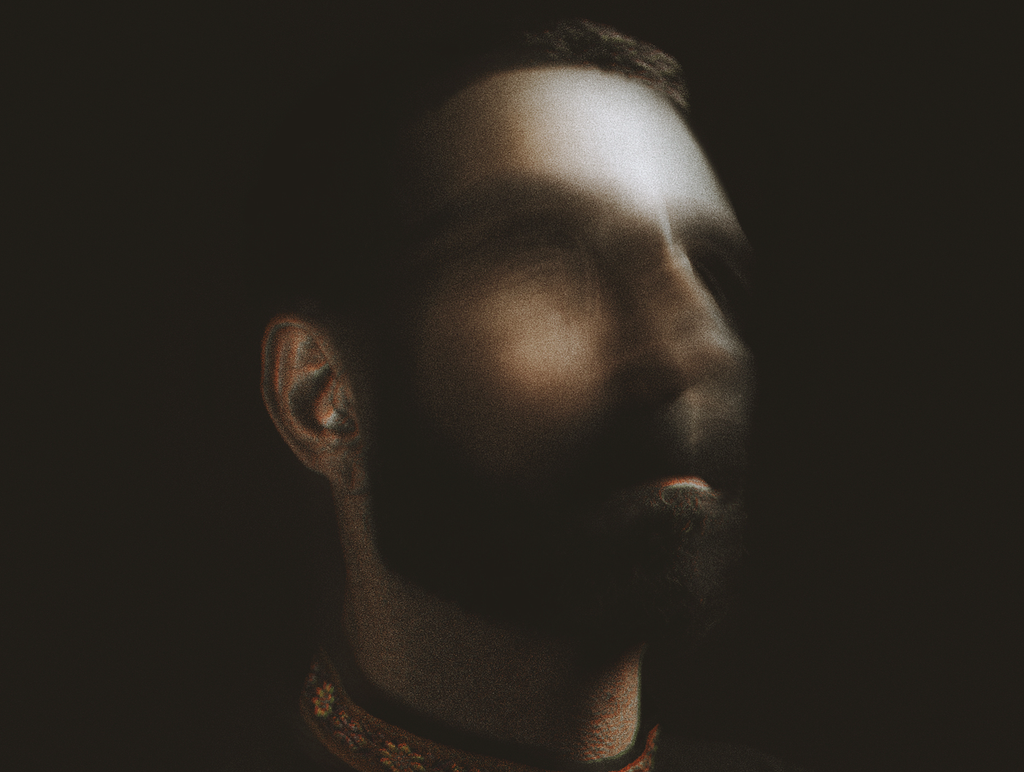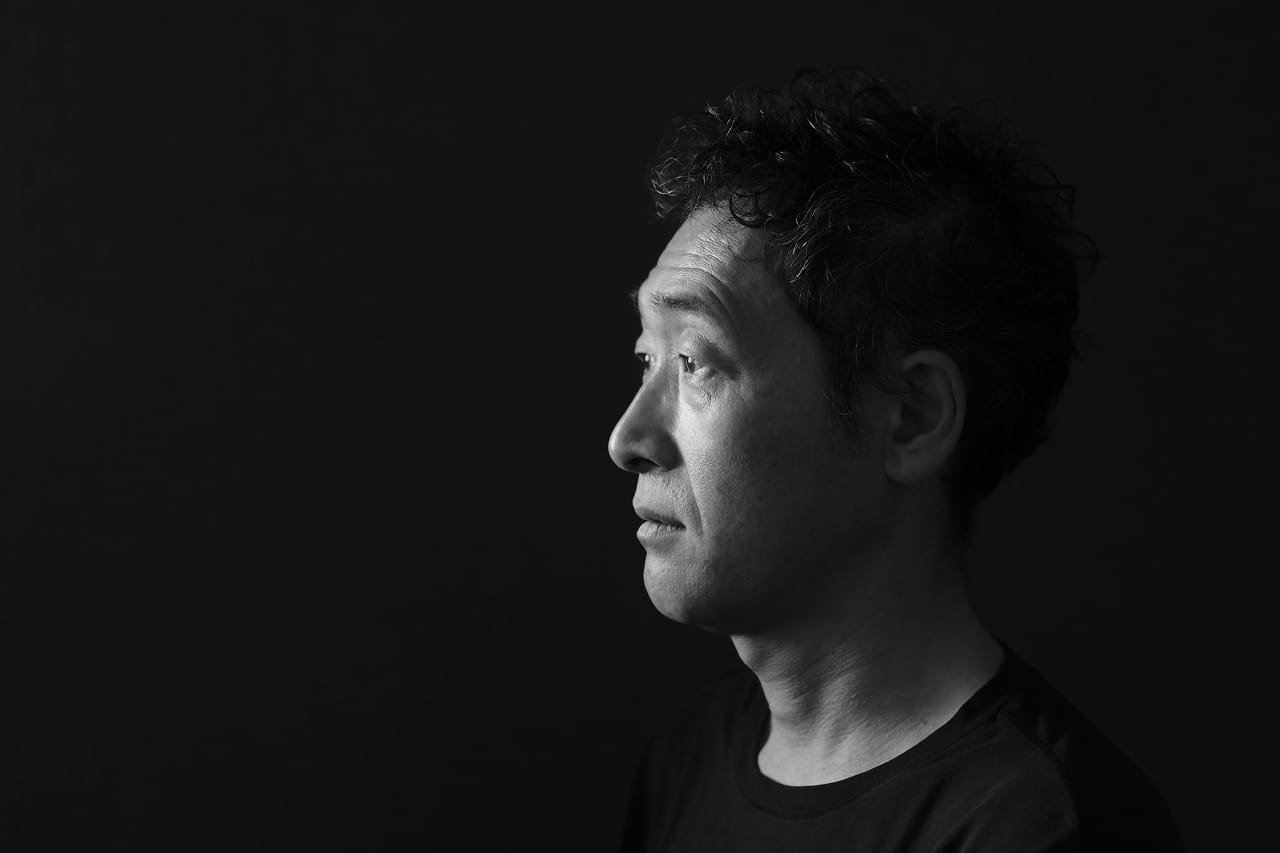
Kenji Takashima’s (@kenjitakashima) “Meteor” drops on Pole Folder’s Reworck label, and the release adds another chapter to a career that traces back to the Japanese dance music scene of the 1990s. Takashima began making music in 1993 after being influenced by his brother Hideo Takashima, also known as Masalatek, and by DJs such as Ko Kimura, Junior Vasquez, and Frankie Knuckles. His first single, “COMBAT!,” was released in 1999 through Ko Kimura’s FUTIC RECORDINGS TOKYO, setting up a long run across techno, house, progressive, and electro.
“Meteor” also carries a personal link to Takashima’s past.
Snag The Release On Beatport Here
Years earlier, Pole Folder remixed one of his releases on FUTIC RECORDINGS TOKYO, and Takashima has continued to respect his work as a DJ, producer, and label head. When “Meteor” was finished, Pole Folder was the first person Takashima wanted to hear it, and the track eventually found a home on Reworck as catalog RW61. That kind of direct musical connection sits at the center of this interview, especially as Takashima reflects on why private creation still matters in an era shaped by AI tools, online polish, and faster production workflows.
In the conversation below, Takashima talks about making music by hand, the value of getting stuck, the overlap between music and photography, and the lessons producers learn by building a track themselves. His answers do not reject modern tools outright, since he mentions using online tutorials and even asking AI for help with certain production questions.
The deeper point is that the process still teaches him something, and that feeling of discovery keeps the work personal even as technology keeps changing.
Interview With Kenji Takashima
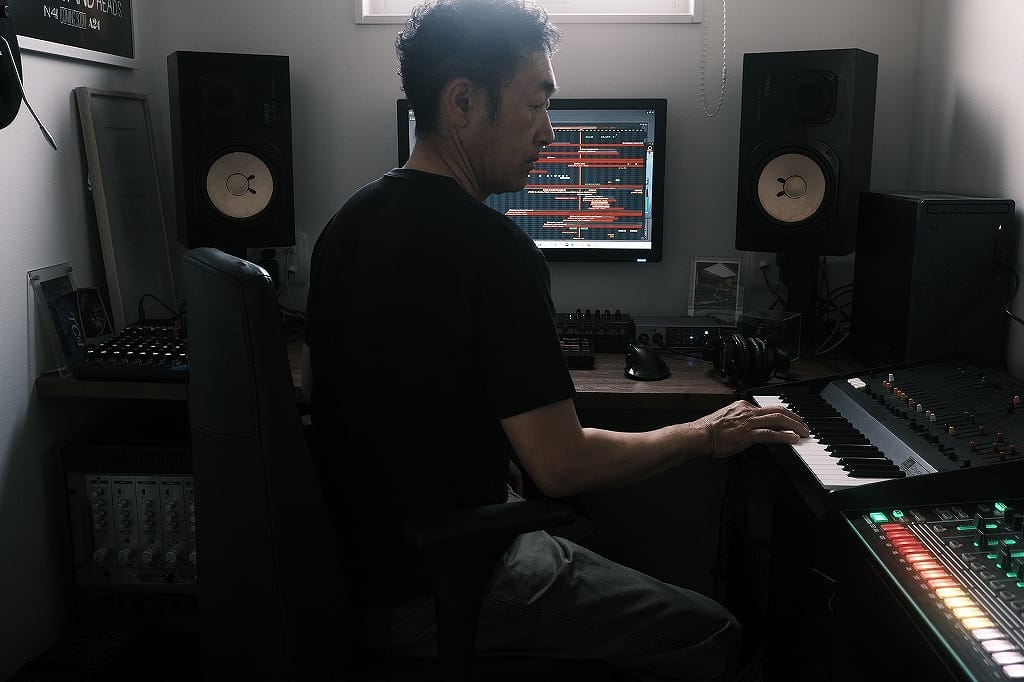
In an era where AI can generate highly polished tracks with ease, why do you still find value in creating music by hand?
Inspiration can come from anything: film scenes, photographs, scenery, a book title, or even another artist’s track. Once I start building a piece by layering drums, ambience, melodies, and small textures, a unique scene begins to unfold. It becomes a place only I can see.
Of course, the process is not always smooth. There is always a moment where I hit a wall and lose sight of which direction will lead me to the right scenery.
When that happens, I often go outside with my camera. Walking, breathing fresh air, and pressing the shutter helps reset my mind. Music and photography share something in common: framing colors and form within a limited space. They have supported my mental balance for years.
Once I get past that wall, the direction of the track becomes clear all at once. When the theme and scenery inside the music finally take shape, the sense of accomplishment is something only an artist who has gone through countless steps can feel.
That is why creating by hand still has value.
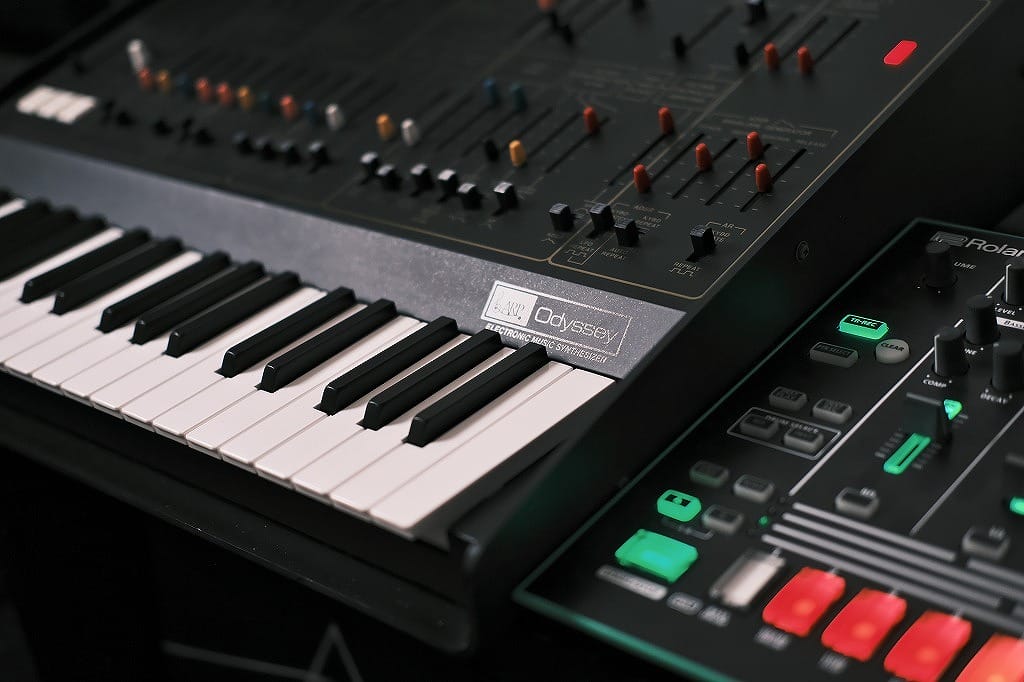
What do producers learn from building a track themselves instead of accessing a finished file?
When I am working on a track, I often try too many ideas and end up with something messy. So I learn to subtract, to remove what is not necessary. I also try new plugins when I need fresh inspiration.
I have been producing since the ’90s, and I still discover something new every time I make a track. There are so many helpful videos online now, and sometimes I even ask AI how to use certain tools.
The production process itself is a constant learning experience.
The internet tends to reward polished releases. What benefits do artists gain by keeping their creative process private?
The process can be lonely, and keeping it private allows me to focus on making something that will truly reach someone.
I have been fortunate to work with many labels over the years, releasing solo tracks and remixes. Repeating that cycle made me realize I wanted to be more proactive and create more of my own music, rather than respond to requests.
The first track born from that mindset is “Meteor,” which will be released on Pole Folder’s label, Reworck. When I finished it, he was the first person I wanted to hear it.
Years ago, when I released a track on Ko Kimura’s label FUTIC RECORDINGS TOKYO, Pole Folder did a remix for the project. He is still active at the top level, and I have always respected him.
So I took a chance and sent him the track. I would have been happy to have him play it as a DJ, so I never expected it to lead to a release.
Keeping the process private lets me focus on that kind of pure, direct musical connection.
Even if a track never gets released, how can the act of creating music still benefit an artist?
To be honest, I have mostly been working on commissioned projects lately, so I have not had many unreleased tracks. Every creative process teaches me something new, and that always leads to the next piece.
Even an unreleased track reflects who I was at that moment. It is like photography. There are many shots I never post on Instagram, and I still feel attached to them because they capture a real moment and feeling.
There is no difference in their emotional value.
What advice would you give to new producers who feel discouraged by the rapid evolution of creative tools?
We are living in a time when listeners cannot always tell the difference between a track you struggled to make and one generated by AI. That means the bar for quality is higher than before.
Compared to the days when we only had hardware synths and samplers, today’s creative environment, with the internet, social media, YouTube, and even AI you can ask questions to, is actually a lucky era.
My own production environment has changed with the times, and one thing has never changed: I still enjoy the process itself.
I hope everyone continues to push the scene forward together.

Will Vance is a professional music producer who has been involved in the industry for the better part of a decade and has been the managing editor at Magnetic Magazine since mid-2022. In that time period, he has published thousands of articles on music production, industry think pieces and educational articles about the music industry. Over the last decade as a professional music producer, Will Vance has also ran multiple successful and highly respected record labels in the industry, including Where The Heart Is Records as well as having launched a new label with a focus on community through Magnetic Magazine. When not running these labels or producing his own music, Vance is likely writing for other top industry sites like Waves or the Hyperbits Masterclass or working on his upcoming book on mindfulness in music production. On the rare chance he's not thinking about music production, he's probably running a game of Dungeons and Dragons with his friends which he has been the dungeon master for for many years.







![How It Was Made: Lang Father i(Junkyard Dog) [Welofi]](https://magneticmag.com/wp-content/uploads/2026/10/Press-Pic_2-1024x576.jpg)