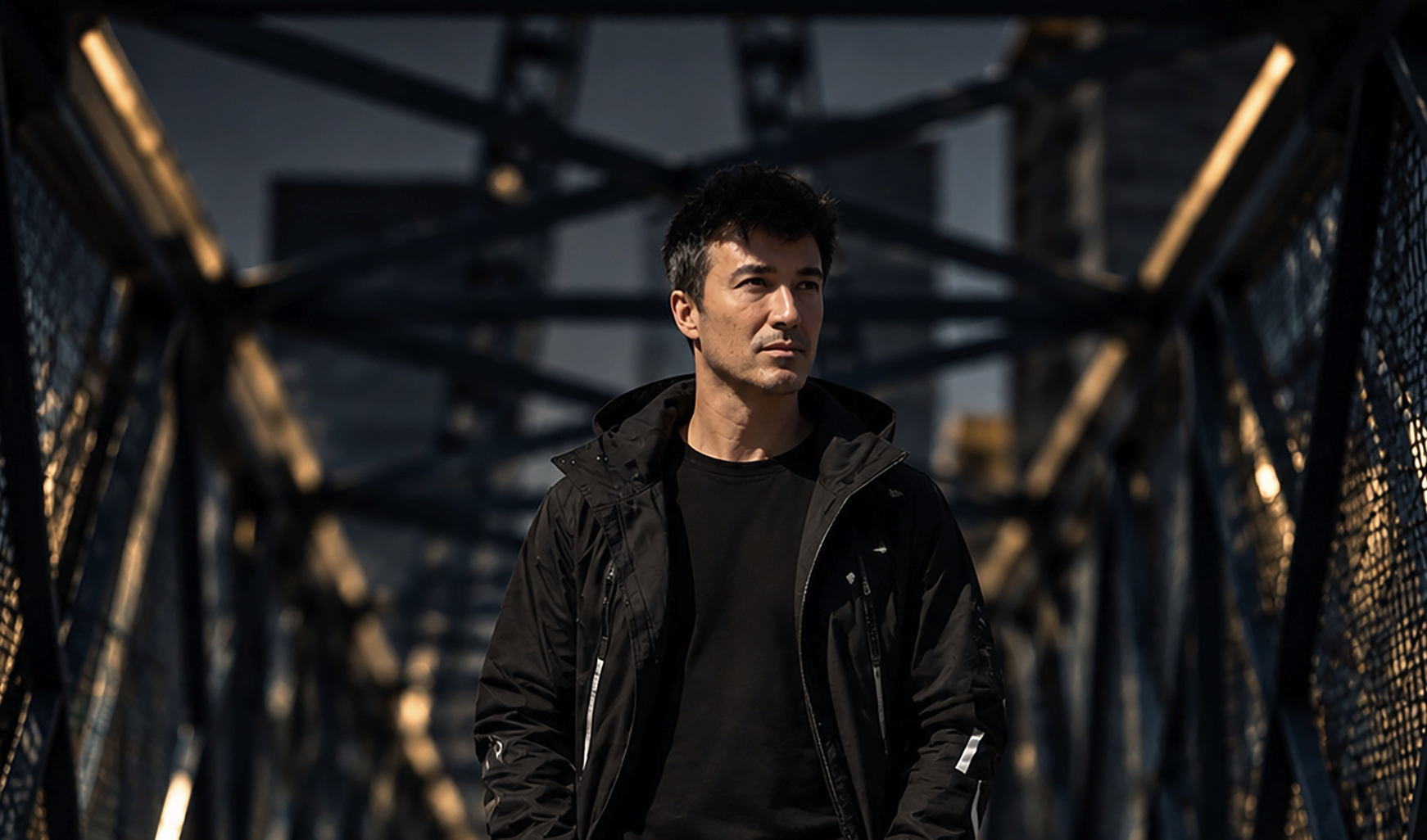
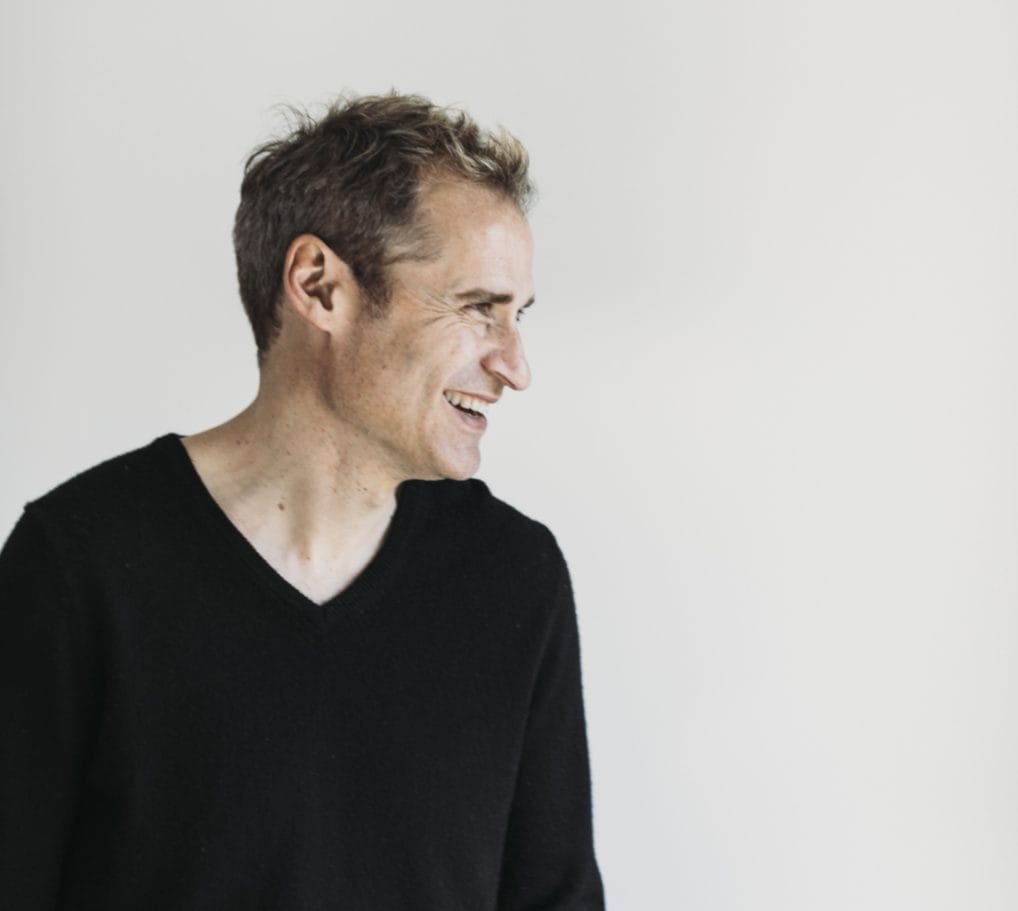
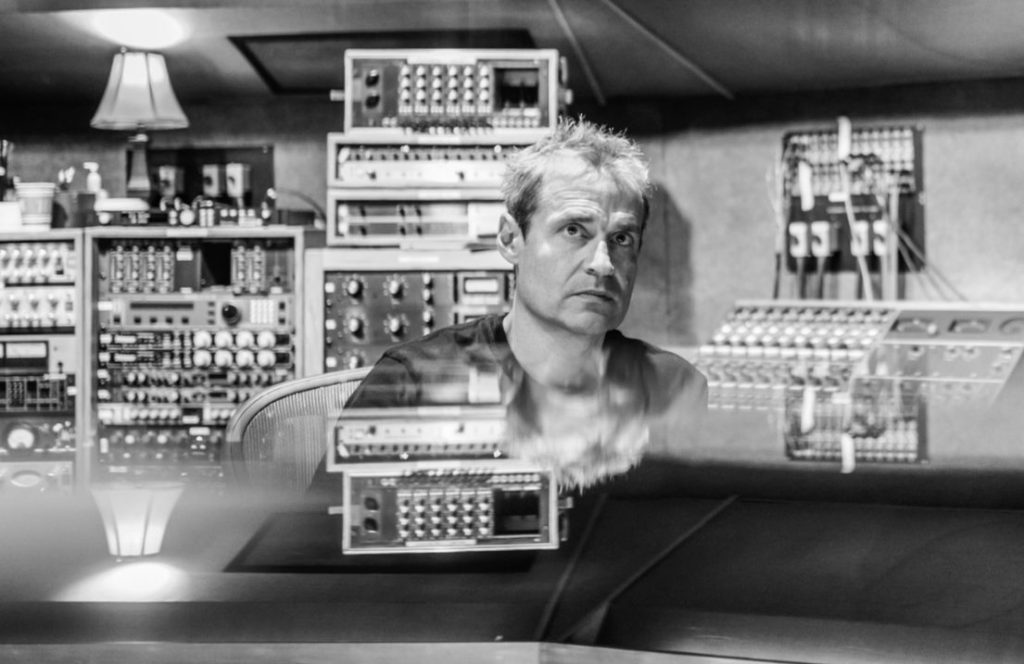
Paul Leonard-Morgan has spent much of his career moving between orchestra, electronics, film, television, games, and concert music, so the score for Watson fits neatly into the way he already thinks about composition. Released through Lakeshore Records, the Watson: Seasons 1 & 2 soundtrack follows a modern version of Dr. John Watson as he returns to medicine after Sherlock Holmes’s death, treating rare conditions while his old connection to Moriarty continues to pull him back toward investigation.
That mix of medical drama and mystery gives Leonard-Morgan plenty of space to work with tension, momentum, and character without leaning on one fixed genre. Across 28 tracks, the score moves through pursuit, discovery, danger, and loss, while keeping the music close to the series’ investigative structure.
His wider background helps here as well.
Alongside screen work including Dredd, Limitless, Cyberpunk 2077, and several collaborations with Philip Glass, Leonard-Morgan has also worked with artists such as Mogwai, Belle and Sebastian, and Snow Patrol.
The discussion we had with him below moves away from the score itself and into a broader question about modern music production: what happens when tools make polished results easier and faster to achieve? Leonard-Morgan is less concerned with AI replacing composers than he is with artists confusing speed with substance. His answers keep returning to melody, taste, and the patience required to reject an idea that sounds finished before it is actually saying anything.
Interview With Paul Leonard-Morgan
Since AI entered the creative conversation, how has the pressure around speed and output changed for artists?
I do not think AI has affected speed and output for artists, particularly with regard to film music. We are contractually forbidden by the studios from using samples or anything created by AI.
That said, I am looking forward to the day when it is able to help with parts of the process, such as chopping up, creatively splicing, and messing around with beats, along with some of the more mundane work.
Anything that can help speed up the workflow and allow me to focus on the creative side is a good thing. I think it becomes a slippery slope when you use it to create original music.
When polished ideas can appear quickly, how should producers think about the value of time spent in the studio?
When ideas can sound polished so easily, it is important to think about the substance of a track.
Whether I am working with a band, a soundtrack, or a classical piece, these production tools have enabled us to achieve so much very quickly. Often, though, that comes at the expense of the creative vision itself.
Melodies and hooks get lost in the process when everything sounds so good straight out of the box. People start focusing on production values immediately instead of the core of the track.
For me, time spent in the studio is about the creative part. Things sound different when you are creating in a studio space, and my head moves into a different creative state.

In a faster creative culture, what should artists protect first: attention, taste, patience, or direction?
You have to look after your taste first, though that comes from having patience.
Putting down the first idea, producing it, and sending it off is very easy to do, though that does not mean it is going to be your best idea. You need the patience to try things and the courage to throw them away.
When John Barry was writing the Bond soundtracks and wanted a reversed orchestra, he would have to write the part backward, record the orchestra, then have the players sit there while someone spliced the tape to reverse it. Imagine if he had got it wrong.
Now you can try something like that in Pro Tools and experiment easily. Putting thought into how you want the music to sound, and into the creative idea itself, remains incredibly important.

What helps producers stay grounded when every tool is built to speed things up?
You have to breathe. It is about fun and collaboration.
There is so much stress out there, with labels hurrying people to get music finished, though that misses the point. You have to stay focused on the tracks themselves.
You need to breathe, listen to the music, feel the atmosphere, and become absorbed in it. I have a rule that when we are in the creative process, all phones are off and there are no clocks on the wall.
That time is the most important part. When you are constantly being pulled into the frantic pace of social media, studio hourly rates, and everything surrounding the session, it is not going to help you create.

Faster access to ideas sounds useful. Why can it also make artists feel behind?
Faster access is great. When you are worried about where the next big thing is coming from, or whether technology is leaving you behind, it can make you feel behind as an artist too.
I have so little time to keep up with trends, new software, and plugins, and that used to concern me. Now I realize they are simply part of the process.
It is not going to define me as an artist if I do not know where the next stutter plugin is coming from. As long as I have enough tools to help me create, I am good with it.

Will Vance is a professional music producer who has been involved in the industry for the better part of a decade and has been the managing editor at Magnetic Magazine since mid-2022. In that time period, he has published thousands of articles on music production, industry think pieces and educational articles about the music industry. Over the last decade as a professional music producer, Will Vance has also ran multiple successful and highly respected record labels in the industry, including Where The Heart Is Records as well as having launched a new label with a focus on community through Magnetic Magazine. When not running these labels or producing his own music, Vance is likely writing for other top industry sites like Waves or the Hyperbits Masterclass or working on his upcoming book on mindfulness in music production. On the rare chance he's not thinking about music production, he's probably running a game of Dungeons and Dragons with his friends which he has been the dungeon master for for many years.