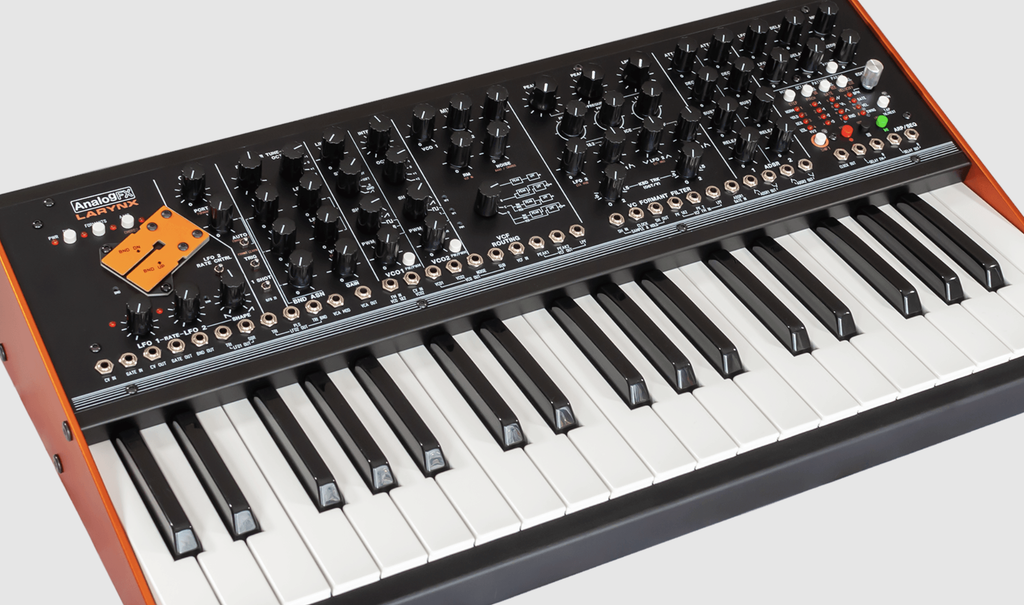
Dutch producer Feiertag (@feiertag_music) has always had an interest in the space between live instrumentation and electronic production, and his latest single, “Something I Shouldn’t Be,” brings those two sides of his sound together in a particularly interesting way. Released September 23 via Omni Youth, the track began with a breakbeat and an unexpected discovery while experimenting with a vocal sample from Dutch artist FEMI.
That initial idea eventually developed into a record influenced by the atmospheric electronics of Burial and the warmer, melodic production associated with Caribou.
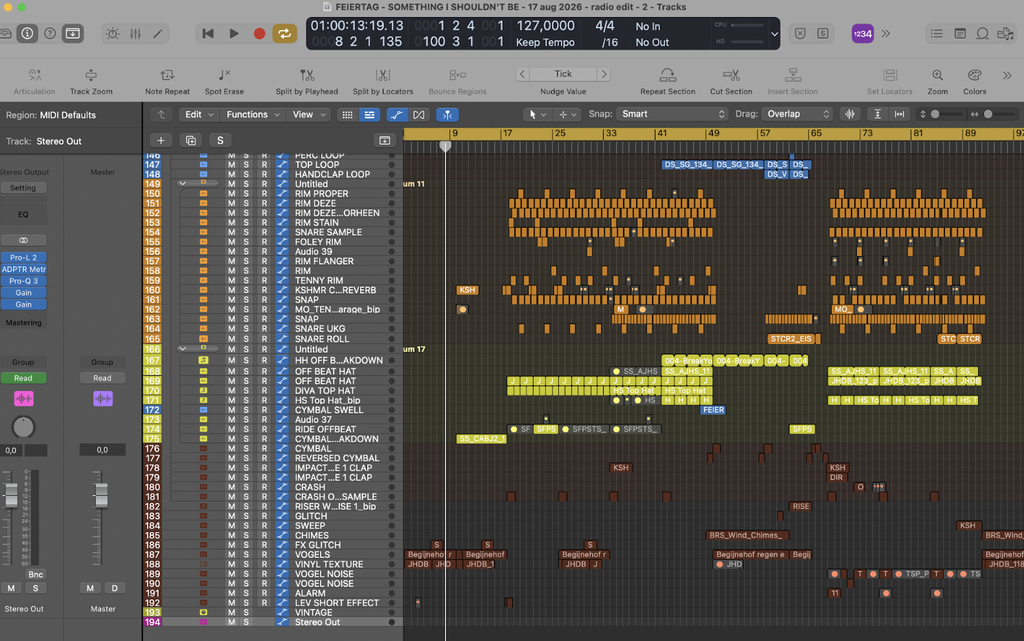
Much of the track came together by experimenting with existing sounds rather than starting with a finished arrangement in mind.
Feiertag used Serato Sample to isolate FEMI’s vocals, speeding them up and pitching them down until a few notes worked with the drums he had already programmed. From there, Diva provided the main synth sound, Synplant introduced an additional layer beneath the lead, and live percussion recordings brought some of the human timing and character that Feiertag regularly incorporates into his productions.
The technical details are particularly interesting because several of the defining sounds came from relatively small decisions. A pitch-wheel automation gives the main synth its characteristic glide, a short room reverb transforms recorded toms into something reminiscent of Burial, and sample manipulation becomes a recurring part of the writing process.
Below, Feiertag explains how he produced “Something I Shouldn’t Be” and shares some of the techniques he uses to give electronic productions a more personal character.
Diva by u-he

Diva by u-He is a versatile virtual analog synth with a warm, powerful sound and yet that analog-style character that I’m looking for. It’s easy to
Funny enough, the preset is called ‘Howl’, which I think was part of SynthHacker’s ‘Pulse’ pack, probably my favourite preset pack. ‘Howl’ might be a wink to the Elderbrook x Tourist song, but I’m not 100% sure, either way, I just loved the plucky sound. One thing I like to do, to get that wobbly glide (as shown in the screenshot), is automate the pitch wheel so that at the start of every first bar (of the 4bar pattern), it begins at -12 semitones. For the rest, the bus channel processing is pretty straightforward: I love using FabFilter Pro-Q 3 for dynamic EQ and removing some of the mid frequencies, combined with a bit of OTT, FabFilter’s C2 compressor, and of course, Nicky Romero’s Kickstart 2.

Diva is definitely my go-to synth for warm and uplifting electronic tracks, and I always find myself tweaking the cutoff filter to shape the sound and make it sit better in the groove. A little trick I’ve picked up is using the ‘Top Hat’ preset from Diva’s own percussive presets, which is great for shaping the length of hi-hats by playing around with the Decay. It’s a simple thing, but adjusting the decay gives you a lot of control over how tight or open the hats feel, which can make a surprisingly big difference to the groove.
Serato Sample / Vocal Sample Processing

Serato Sample is a sample-chopping plugin designed to quickly find, chop, pitch, and manipulate samples in a very intuitive way. One of the most useful features, in my opinion, is that you can immediately mute or unmute individual stems, which makes it really easy to isolate certain elements and work with them separately. But what I think is most impressive is the quality of its pitch-shifting, as the original character of a sample stays surprisingly intact even when you move it quite far from its original pitch. Serato is either the first or the second plugin I open haha.
For this track, I sampled the vocals of an amazing singer called FEMI, who I’ve been following for a while and whose music I really love. I loaded her track into Serato Sample and turned the vocal into an acapella so I could freely chop and play around with it. The beat for ‘Something I Shouldn’t Be’ was already there, but then I had a bit of a happy accident when I played the first few sample notes with the acapella sped up 2x and pitched down. Those first notes immediately clicked with the beat, and from there I started building the vocal parts around that idea.
A good tip is to collect some really interesting samples, tracks, acapellas, loops, etc. and just throw them into Serato Sample without overthinking it. I often start by playing them at 2x speed or much slower, while randomly muting and unmuting the stems, just to increase the chance of stumbling across a happy accident. And when it comes to vocals, I’m still a big fan of Soundtoys’ ‘AlterBoy’; if it starts producing weird artefacts, try setting the formant to -1.3, bouncing it, and then doing another -1.3 on the bounced version, you can keep repeating this until you get the sound you’re after. And then add a bit of Shimmer 🙂
The Drums
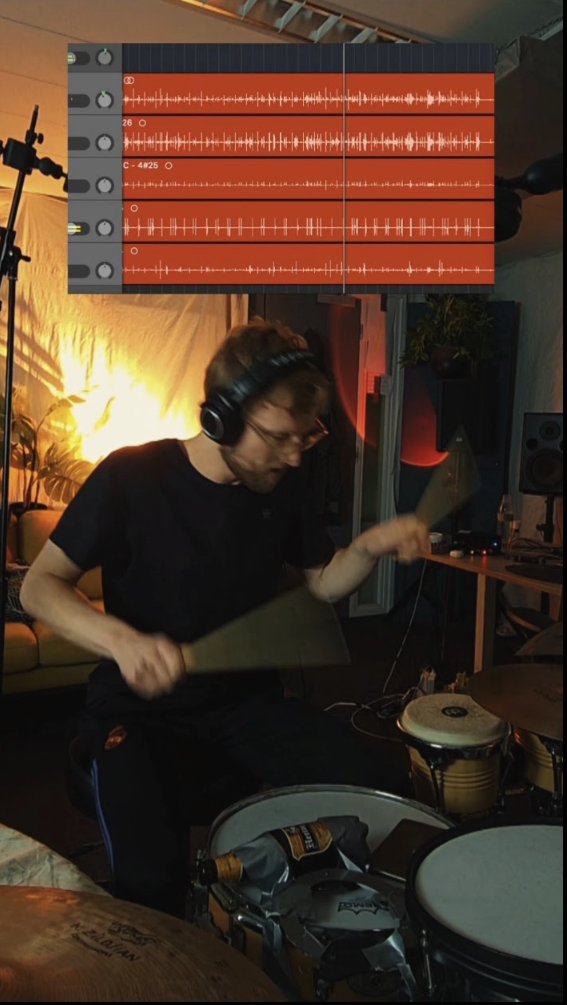
I use live drum elements in almost all of my tracks, whether it’s bits of live percussion, bongos, loose snare hits, ride cymbals or other little recordings. I have a background in drums, so bringing real, slightly imperfect elements into my productions has always been a big part of how I try to create a more unique sound. I really like the contrast between programmed electronic drums and these organic, human elements.
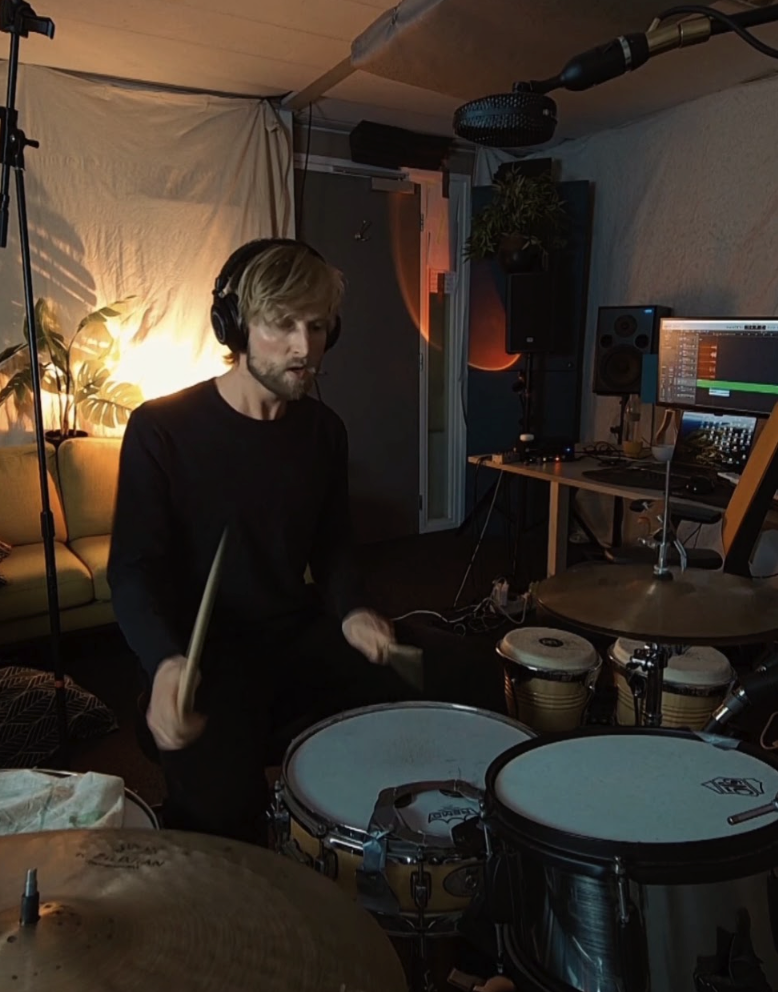
‘Something I Shouldn’t Be’ also has a few of these live elements, including some almost 80s, Phil Collins-style tom fills, which I recorded with a stereo pair of Coles microphones. One little trick I used on those toms was sending them to a bus with Valhalla Room, using the ‘Sulaco’ preset, which gives you a really short room reverb and very quickly creates that kind of Burial-esque atmosphere. I love using these kinds of small live recordings because they can completely change the character of an otherwise programmed drum groove. Sometimes you barely notice them, but you definitely miss them when they’re gone.
If you don’t play an instrument, I’d definitely encourage you to look for other unique sounds that can become part of your own sonic identity, like field recordings or random bits of percussion. I don’t play guitar either, but I love sampling guitar parts, and even better, re-sampling them and turning them into something completely different. I do the same thing with drums all the time, and I think taking something real and then mangling it into your own sound can be a great way to avoid everything sounding like another preset or sample pack.
Synplant
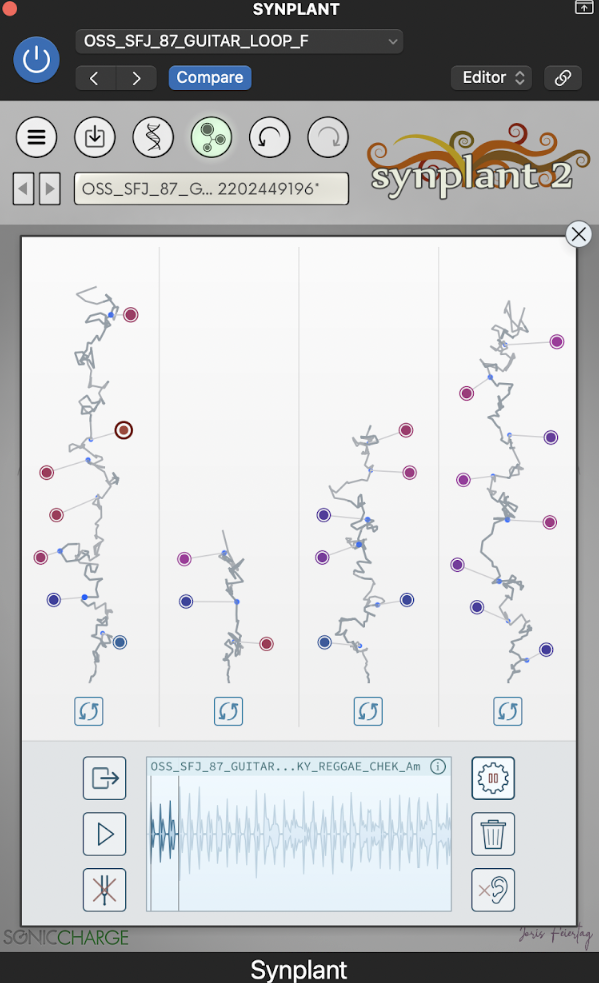
Synplant is a synth that’s really built around experimentation and happy accidents, rather than just dialing in a sound from scratch. One of its coolest features is that you can actually feed it samples (in my case mostly stuff like kalimbas etc), which it then uses as the starting point for creating something completely new. You can also explore different variations of a sound by moving around its branches, which makes the whole process feel very organic and unpredictable. It’s one of those plugins where you can start with an idea, but quite often end up somewhere completely different, in a good way.

For ‘Something I Shouldn’t Be’, I mainly used Synplant to double the main lead synth, adding a slightly more unusual layer underneath the original sound. I often do this with Synplant because it can give a familiar lead a bit more character and edge without completely changing what makes the original sound work. In this case, I was looking for something that would complement the lead rather than take it over, and Synplant was perfect for that. I didn’t really know exactly what I was going to get, which is kind of the fun of using it.
I’d especially recommend Synplant if you’re making melodic house or electronic music, where you can sometimes come across the same polished lead sounds over and over again. Try using it to create a random layer underneath your main synth, or feed it an organic sample like a harp, hang drum or kalimba and see what it comes up with. It’s a great way to add a bit of personality and edge to otherwise familiar sounds, and I think the best results often come from not trying to control it too much/
Quick Tips And Hot Takes From Feiertag
Hot Take #1
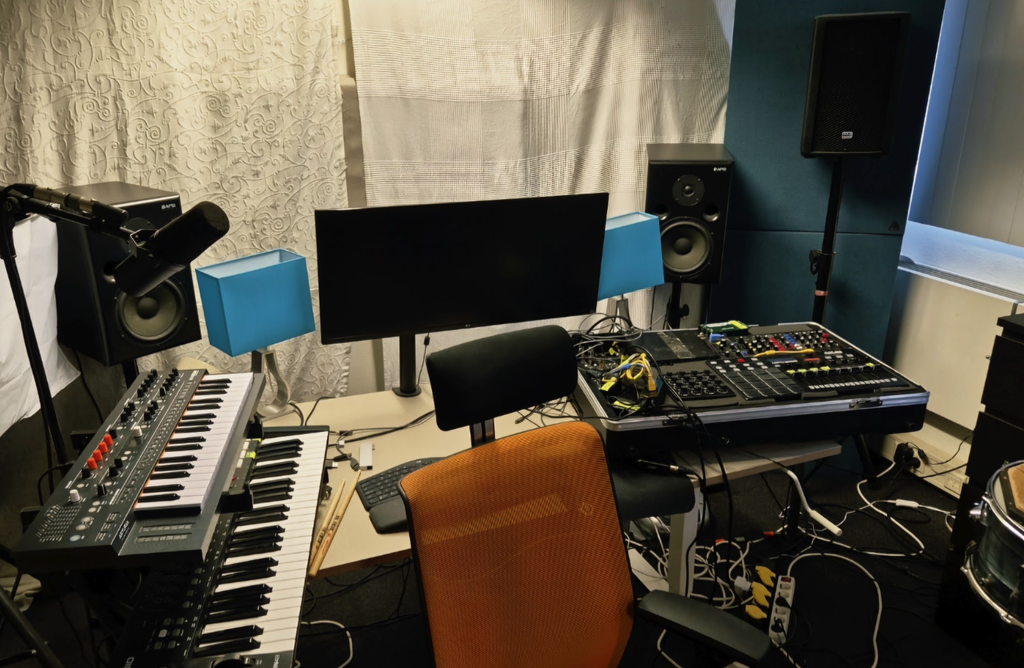
For me, the most interesting part of electronic music is often where the organic and electronic meet. Little imperfections, human timing and unexpected sounds can give a track a feeling that you simply can’t get from everything being perfectly clean and quantised.

Hot Take #2
Don’t get too caught up in the mix, yes, it’s important, but the right sample choice, atmosphere and overall vibe can matter so much more. Sometimes finding the perfect sound will do more for your track than obsessing over a 1 dB cut in the low-mids.
Hot Take #3
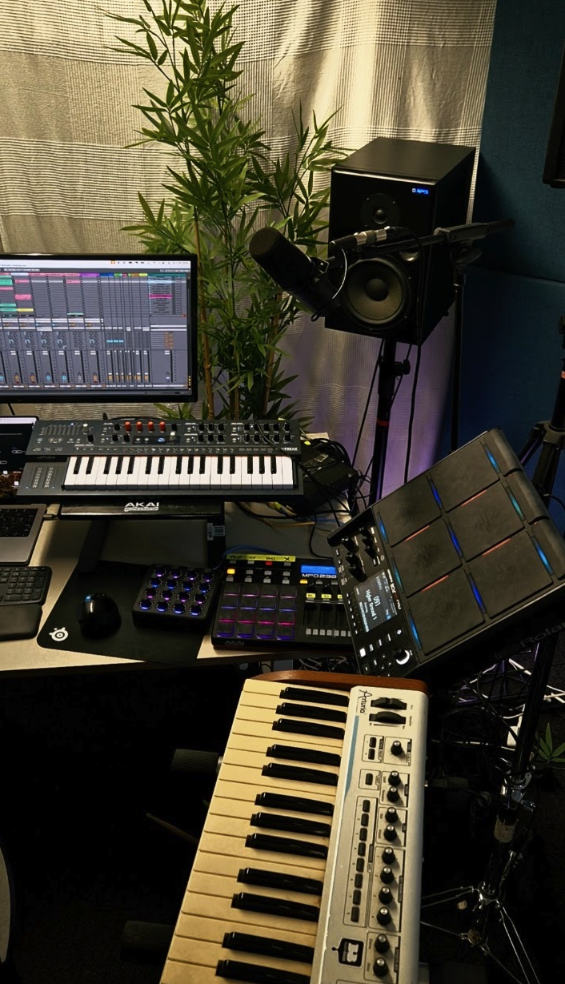
I think we’re living in a time where finding your own voice and sound is more important than ever, especially with the rapid development of AI. Whether it’s through an instrument, your own voice, or field recordings, I think artists should focus on creating sounds that feel uniquely theirs.


Will Vance is a professional music producer who has been involved in the industry for the better part of a decade and has been the managing editor at Magnetic Magazine since mid-2022. In that time period, he has published thousands of articles on music production, industry think pieces and educational articles about the music industry. Over the last decade as a professional music producer, Will Vance has also ran multiple successful and highly respected record labels in the industry, including Where The Heart Is Records as well as having launched a new label with a focus on community through Magnetic Magazine. When not running these labels or producing his own music, Vance is likely writing for other top industry sites like Waves or the Hyperbits Masterclass or working on his upcoming book on mindfulness in music production. On the rare chance he's not thinking about music production, he's probably running a game of Dungeons and Dragons with his friends which he has been the dungeon master for for many years.