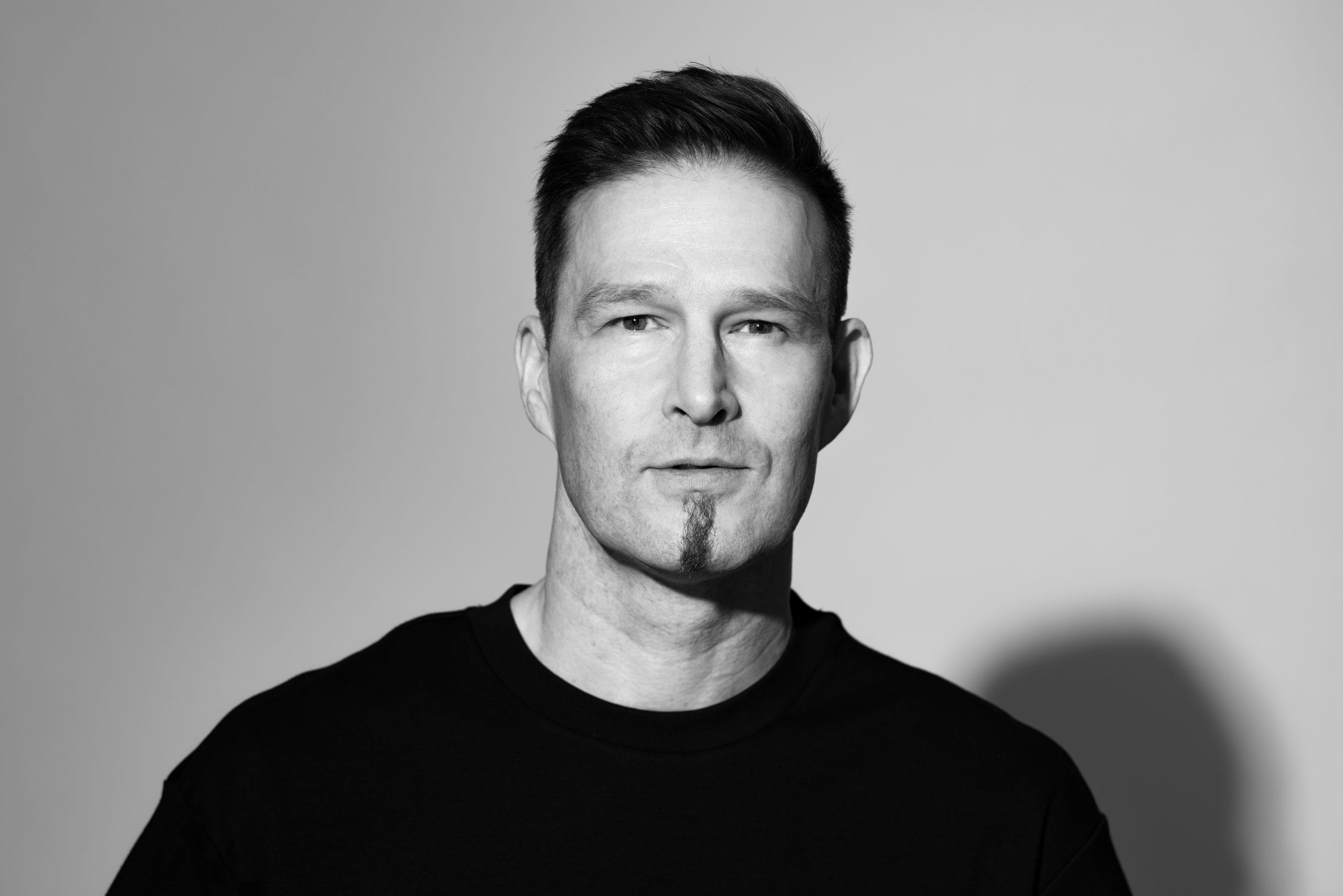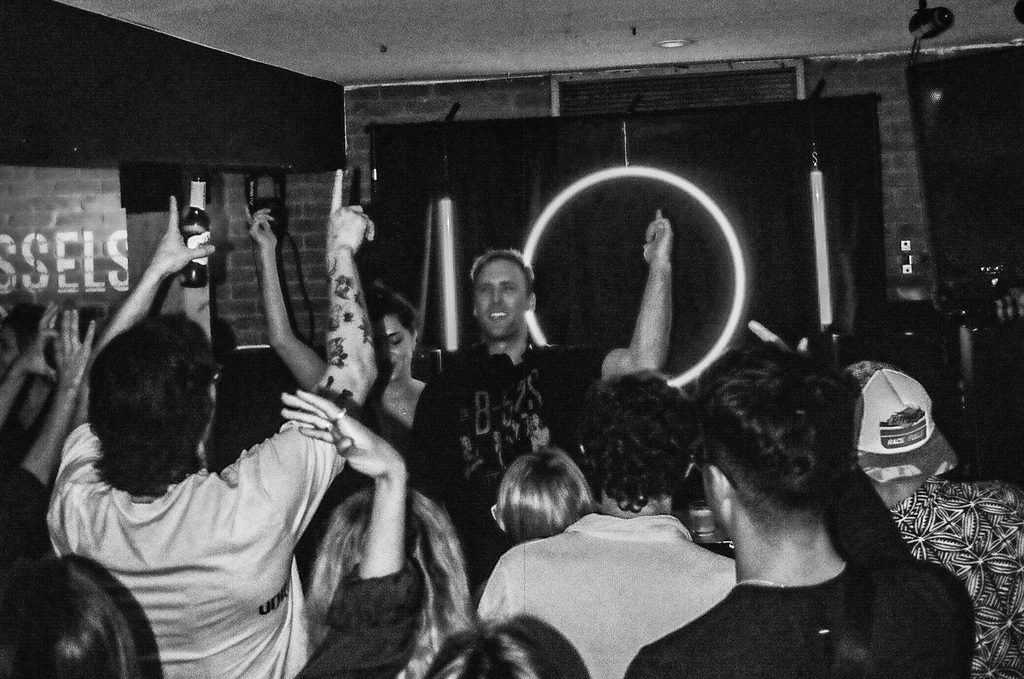
Some of the best ideas in electronic music come together when you’re away from the studio, and for Polish producer Linds (@linds_muzik) , the defining melody of his latest single, “Destiny,” came during a five-hour train ride from Warsaw to Berlin. While traveling to a show, he overheard a melody faintly playing from another passenger’s headphones, which sparked the initial inspiration for a track that would eventually become his debut release on A State of Trance.
By the time he reached Berlin, he had already completed the first demo, and later that evening, he tested it in front of a crowd at Lokschuppen Club.
Released October 2, “Destiny” takes inspiration from the uplifting trance records of the 1990s, particularly classics like Three Drives’ “Greece 2000,” while incorporating the production techniques and energy associated with modern trance. For Linds, who has spent nearly nine years producing music, the release marks a personal milestone, especially given how much the A State of Trance brand has shaped his musical development.
The track also explores a more melodic side of his production style, with the lead and evolving chord progression carrying much of the arrangement’s emotional character.
What’s interesting about the production is how much Linds accomplishes with relatively straightforward techniques. Nexus provides the main melody, Arturia’s Jup-8000 V handles the driving upper bassline, and much of the arrangement’s emotional development comes from filter automation, carefully placed chords, and the relationship between the kick and bass. Rather than building elaborate processing chains, he focuses on selecting sounds that already work and making smaller adjustments to how they interact.
Below, Linds explains how he produced “Destiny,” including the synths, mixing techniques, and arrangement decisions behind the release.
Main Melody With Nexus
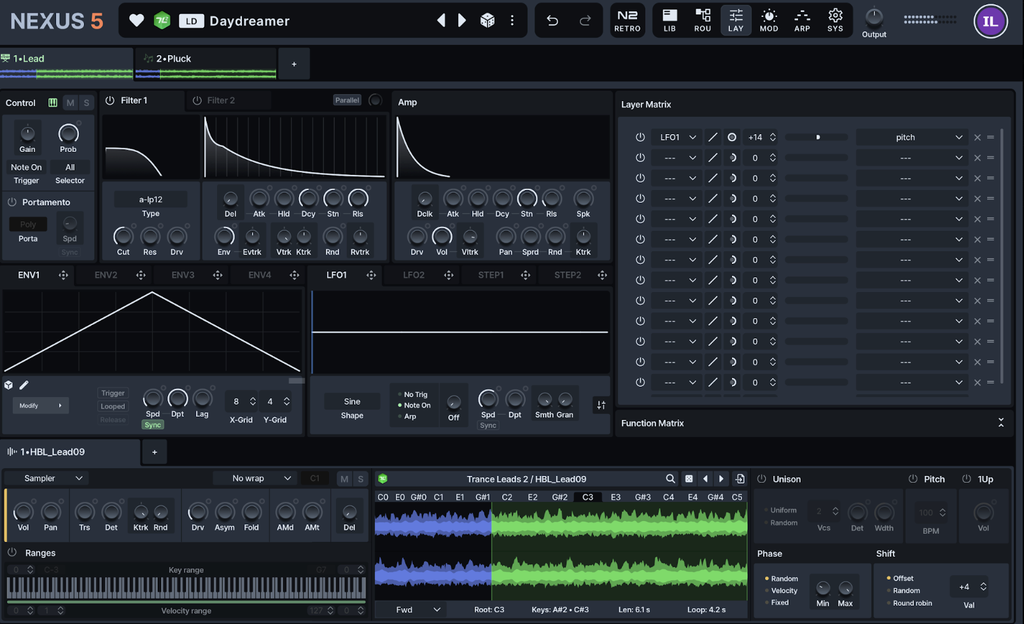
Nexus is a software synthesizer from reFX with a huge library of ready-to-use presets. It offers a wide range of sounds, from leads and basses to pads and arpeggios. You can shape those sounds using filters, envelopes and built-in effects. What I love about it for trance is that a few small tweaks are often enough to get a preset sounding right for the track.
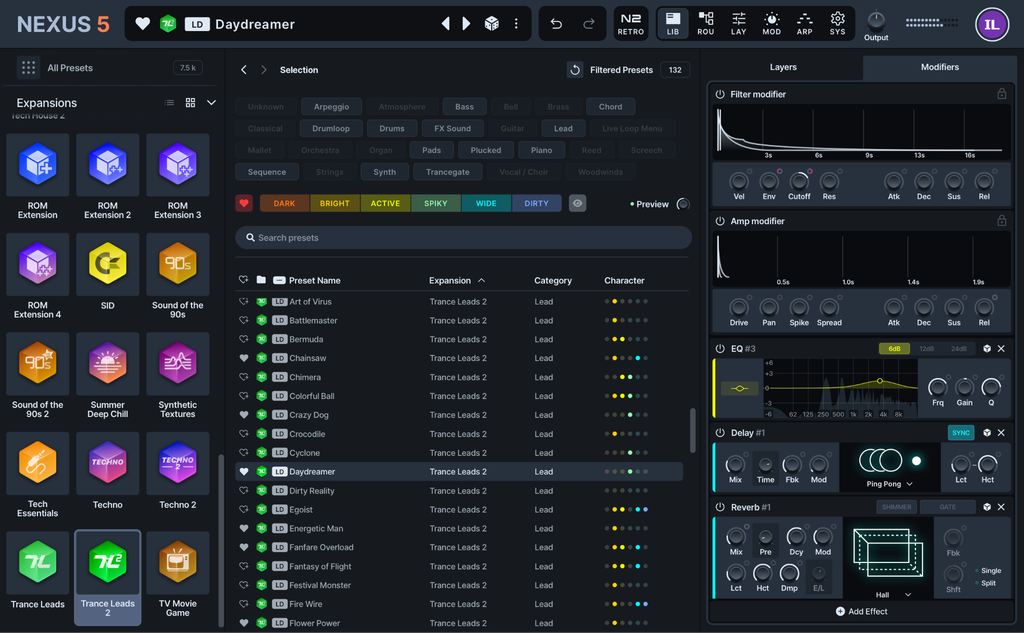
On “Destiny,” I used Nexus for the main lead, starting with a preset from the Trance Leads 2 expansion. A lot of the movement comes from automating the filter cutoff, which makes the lead evolve throughout the track. I also automated the reverb before the drops to build tension and create a sense of space. I kept the processing after Nexus very simple, using just EQ and sidechain. The sound was already close to what I wanted, so most of the work was about how it developed within the arrangement.
For other producers making trance, I’d recommend finding a preset that captures the feeling of your melody and then shaping it to fit your track. Cutoff automation is a great way to give a lead movement and make the same melody feel different across sections. Automating the reverb before a drop can also help build anticipation. One thing I’ve learned with Nexus is that you don’t always need a long effects chain—a strong preset and a few well-chosen adjustments can go a long way.
Jup-8000 V – Driving Top Bassline
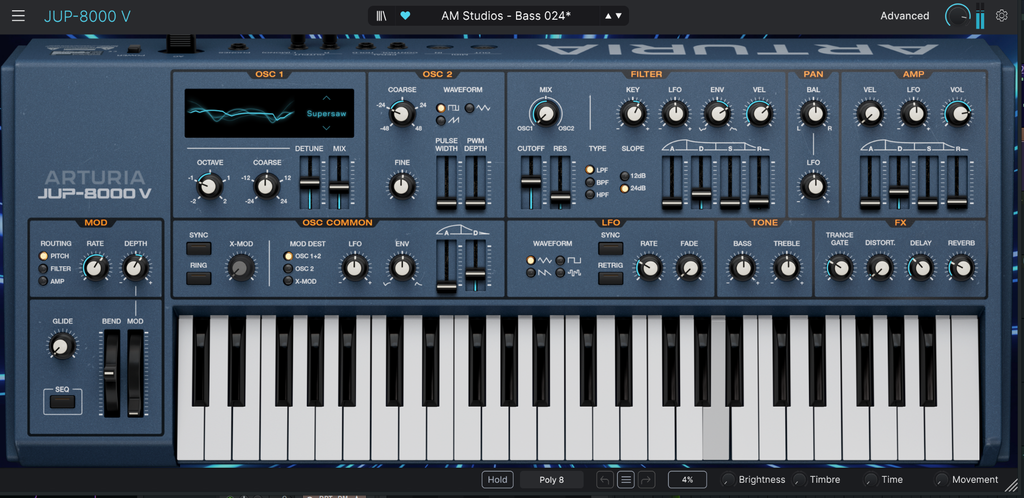
Jup-8000 V is Arturia’s software recreation of the Roland JP-8000, featuring its characteristic supersaw oscillator. It’s a great synth for trance, with a sound that immediately brings that classic feeling to mind. I love its oldschool character, which is exactly what I look for when making this kind of music. Although I used it for bass on this track, it’s also a synth I’d recommend exploring for trance leads and pads.
On “Destiny,” I used a preset from Allan Morrow Studios for the bassline. It has a bouncy character that helps drive the track forward and keeps the energy moving underneath the main melody. I barely changed the patch because it already had the sound and feel I was looking for. The processing was minimal: EQ, saturation and sidechain. I wanted to keep that oldschool character while making the bass fit with the kick and the rest of the track.
For producers making trance, I’d recommend exploring Jup-8000 V if you love that oldschool sound. A good bass preset can be a strong starting point, especially when you focus on the rhythm and how it works with the kick. My approach on this track was to keep the processing simple and let the sound do its job. Sometimes a bouncy pattern and a sound that fits are enough to give a track the drive it needs.
Chord Progression in the 2nd Breakdown
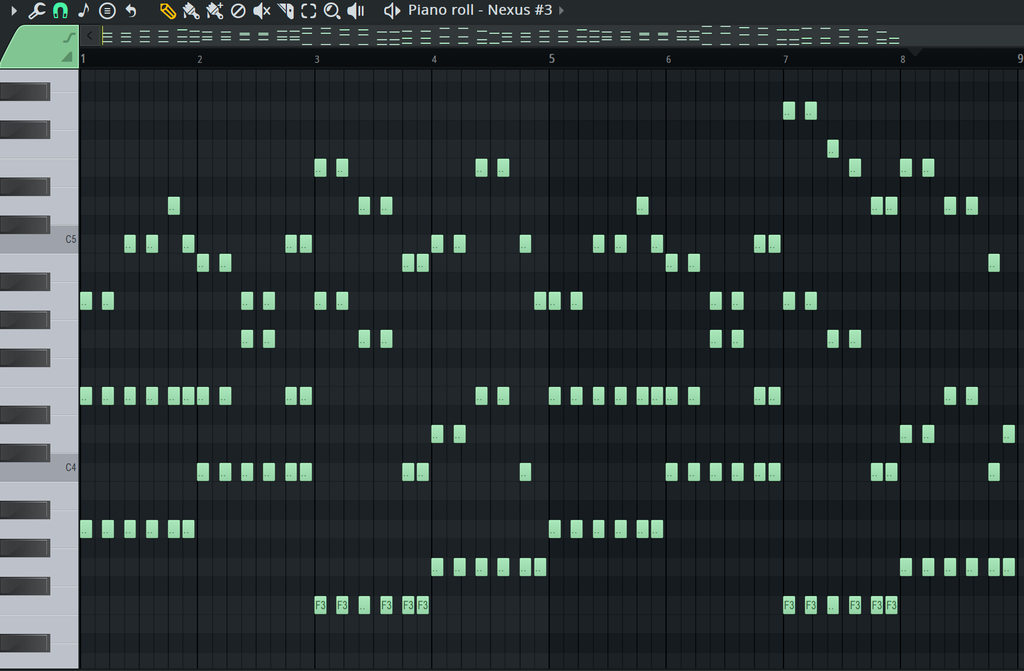
For this part of the track, I wanted to focus on the chord progression itself. Chords can bring so much emotion to a track through the harmony and the way they move from one to another. Here, the progression has a very oldschool trance feeling, creating a sense of nostalgia. That combination of energy and emotion is something I love about trance.
In the second breakdown of “Destiny,” I introduced these chords to bring out a different emotional side of the track. After the energy of the main lead, I wanted to create a more reflective moment. To me, the progression has that nostalgic feeling I associate with classic trance. It helps the second breakdown stand out and creates a memorable moment of its own. There’s no lead melody playing in this section—it’s just the chords carrying the emotion.
For other trance producers, I’d recommend exploring how much emotion you can create with a chord progression on its own. Try different chord changes and listen to how they affect the mood of the track. Giving the lead a break can also make its return feel more powerful. Sometimes letting the chords take over is enough to create one of the most emotional moments in the arrangement.
Kick and Bass BUS Processing
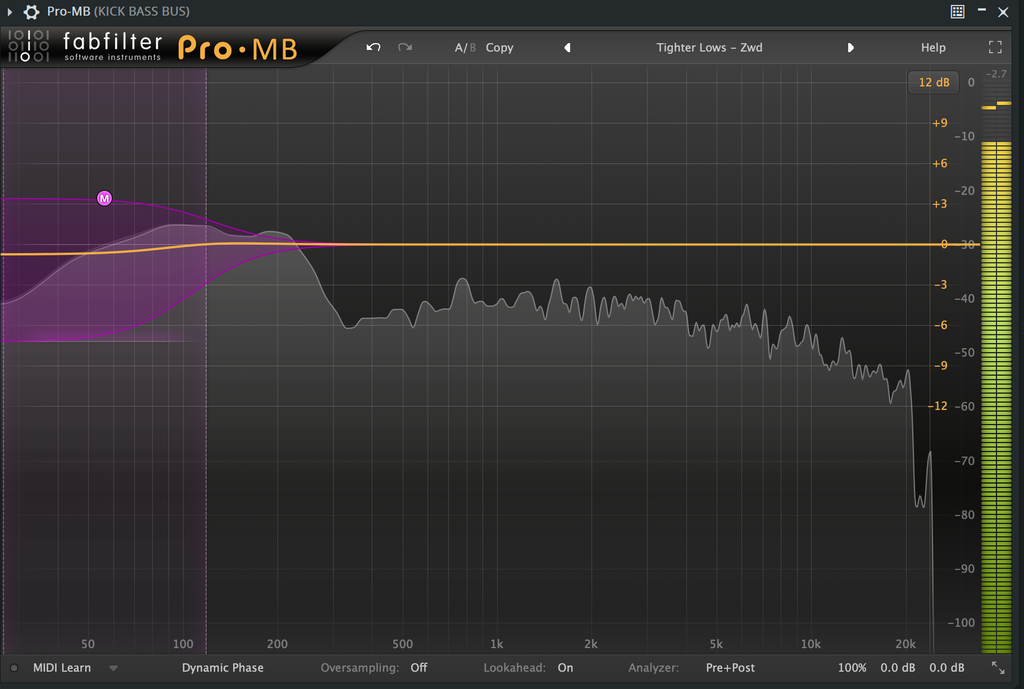
Kick and bass bus processing is about shaping those two elements together so they feel like one solid foundation. Multiband compression lets you control the sub frequencies separately from the rest of the sound. A Pultec-style EQ is also useful for shaping the kick with its classic low-end trick: boosting and attenuating the low band at the same frequency setting. Because the boost and cut curves are different, they don’t simply cancel each other out, allowing you to add weight while tightening the low end.
On “Destiny,” I used multiband compression on the kick and bass bus, focusing on the sub frequencies to glue the two elements together. I wanted the low end to feel consistent while keeping the bounce of the bassline. On the kick itself, I used the Pultec low-end trick to shape its weight and punch. I also layered a short top kick over the main kick’s transient to give the attack more definition. That’s something I sometimes do when the kick needs to cut through more clearly, and it worked well on this track.
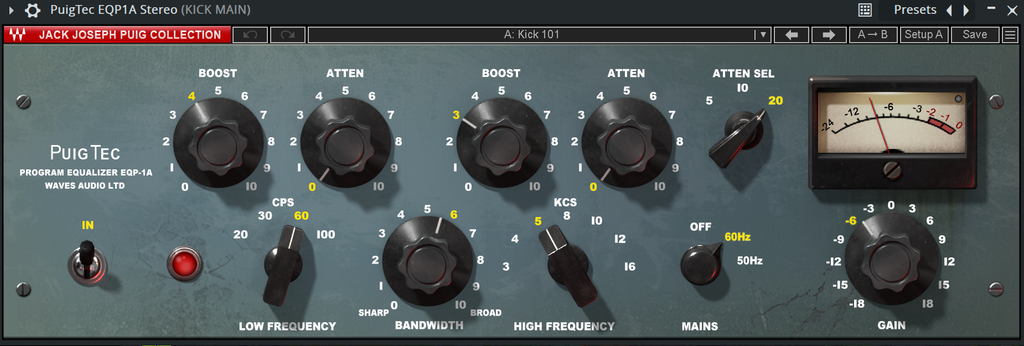
For trance producers, I’d recommend listening to the kick and bass together when making decisions about the low end. Try using subtle compression on the sub band, and listen carefully to whether it improves the consistency without losing the groove. The Pultec trick is worth experimenting with when you want more weight from the kick while keeping the low end controlled. If the attack still needs more definition, a short top-kick layer can help—just pay attention to its timing and phase so it reinforces the main kick.
Quick Fire Hot Takes on the Scene + Production
Hot Take #1
Trance needs more melodies you remember the next morning. The biggest drop in the world means nothing if the track doesn’t stay with you.
Hot Take #2
Using presets doesn’t make you less of a producer. Knowing what a track needs is a bigger skill than making every sound from scratch.

Hot Take #3
Artists should pay more attention to what makes them recognisable. If your music and content could belong to anyone, give people a reason to remember you.
Hot Take #4
Your favourite synth won’t write a great melody for you. I’d rather have one plugin and a strong idea than a hundred plugins and no direction.
Hot Take #5
A classic vocal over a harder kick isn’t automatically a fresh idea. Nostalgia works best when you bring something of yourself into it.

Will Vance is a professional music producer who has been involved in the industry for the better part of a decade and has been the managing editor at Magnetic Magazine since mid-2022. In that time period, he has published thousands of articles on music production, industry think pieces and educational articles about the music industry. Over the last decade as a professional music producer, Will Vance has also ran multiple successful and highly respected record labels in the industry, including Where The Heart Is Records as well as having launched a new label with a focus on community through Magnetic Magazine. When not running these labels or producing his own music, Vance is likely writing for other top industry sites like Waves or the Hyperbits Masterclass or working on his upcoming book on mindfulness in music production. On the rare chance he's not thinking about music production, he's probably running a game of Dungeons and Dragons with his friends which he has been the dungeon master for for many years.