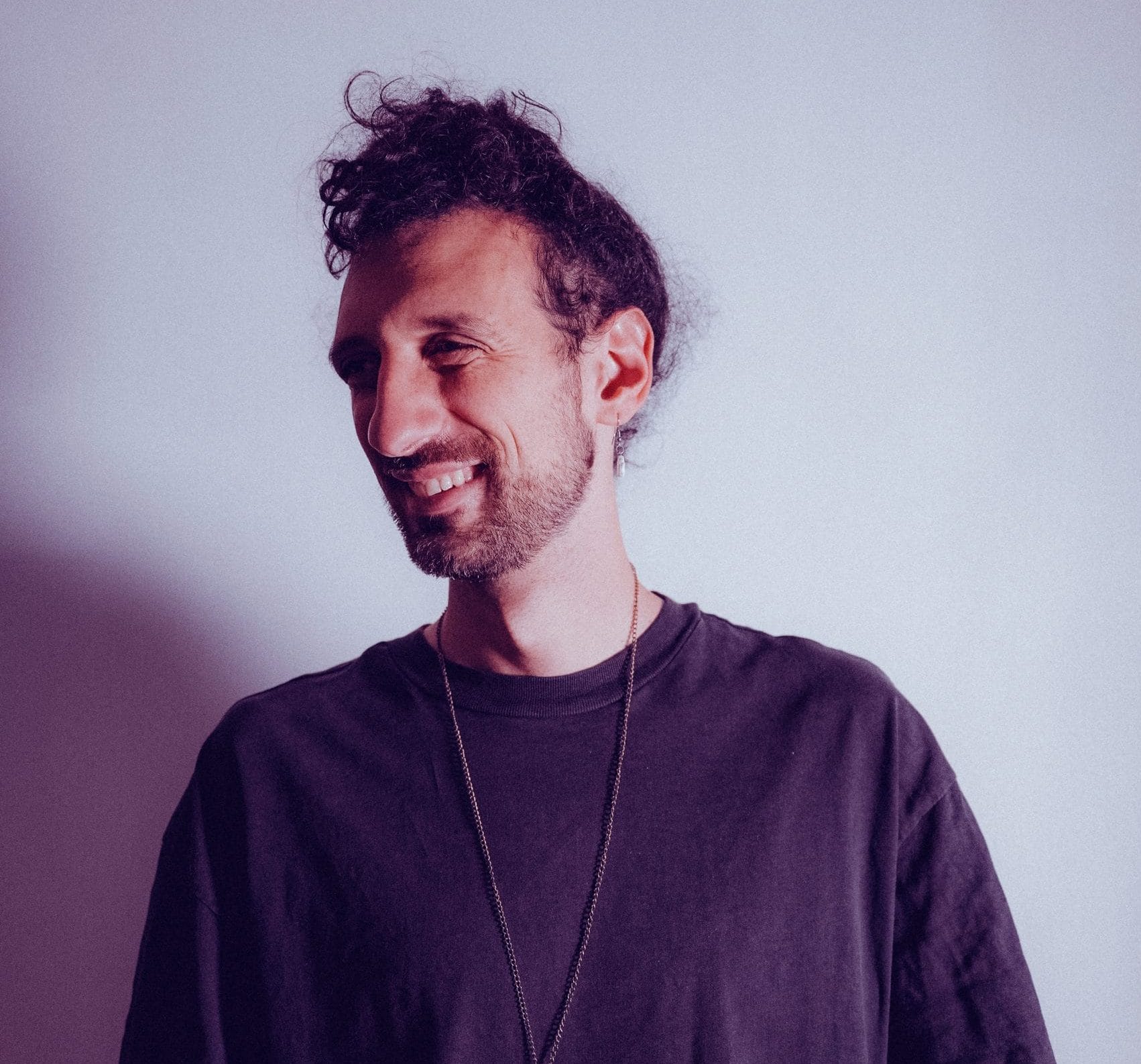
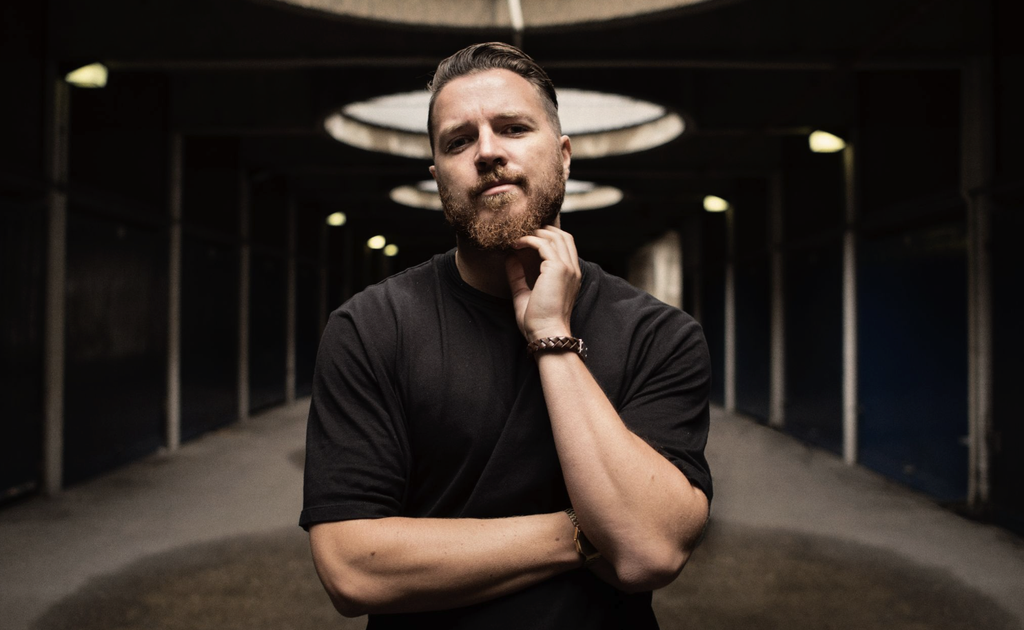
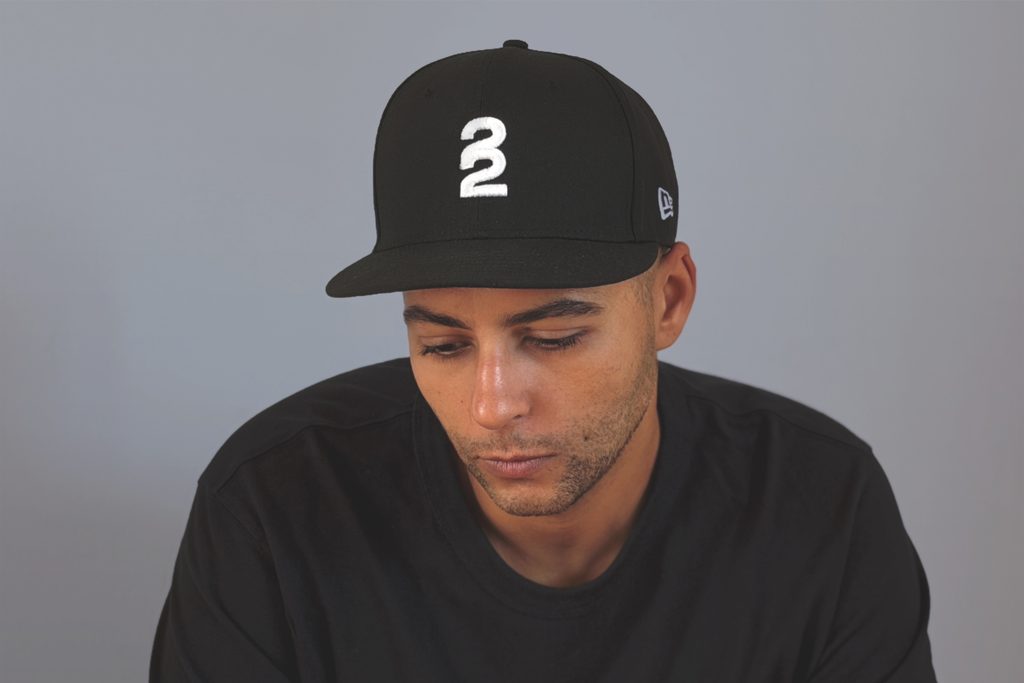
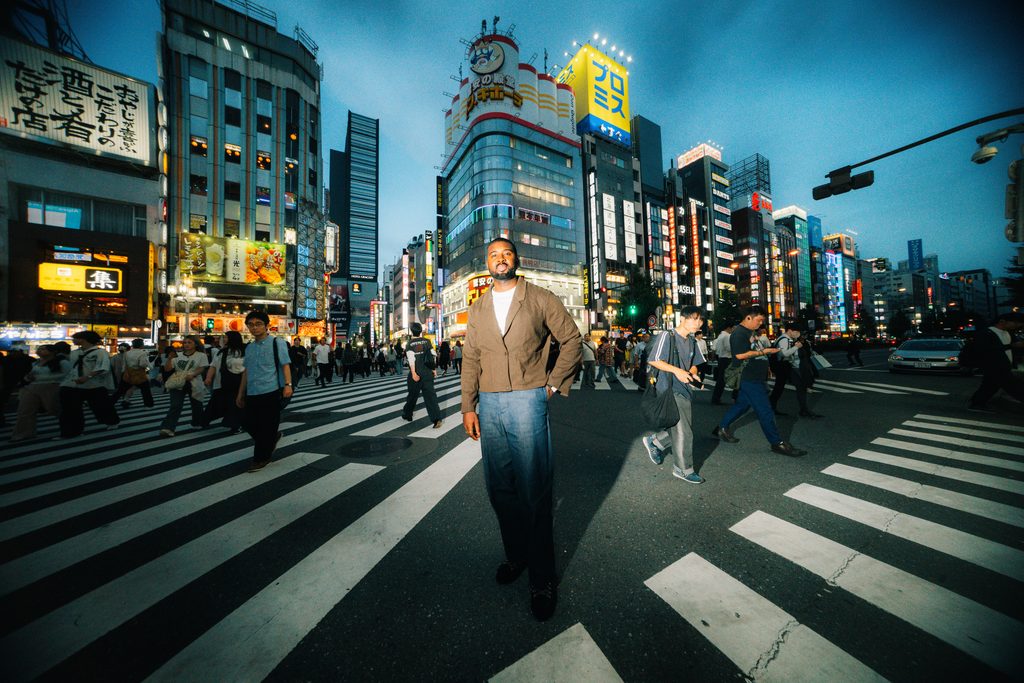
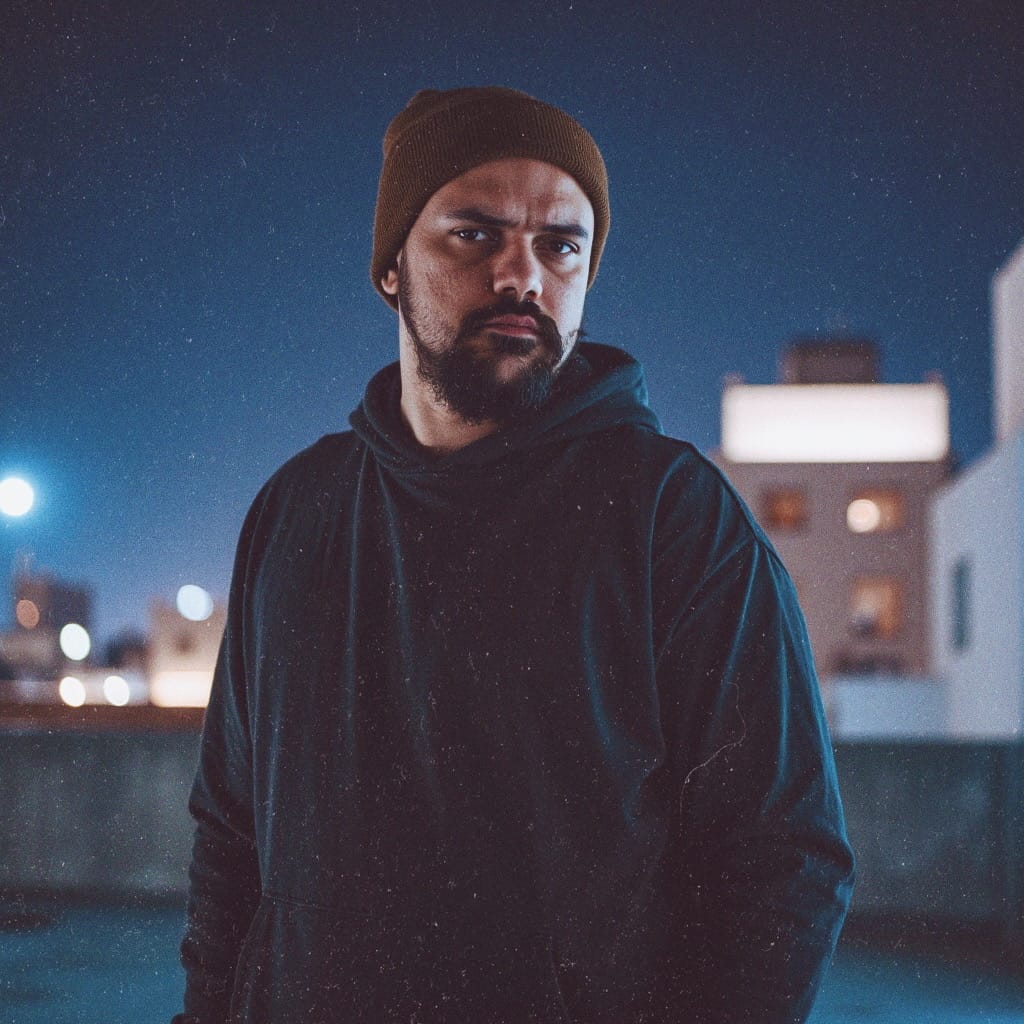
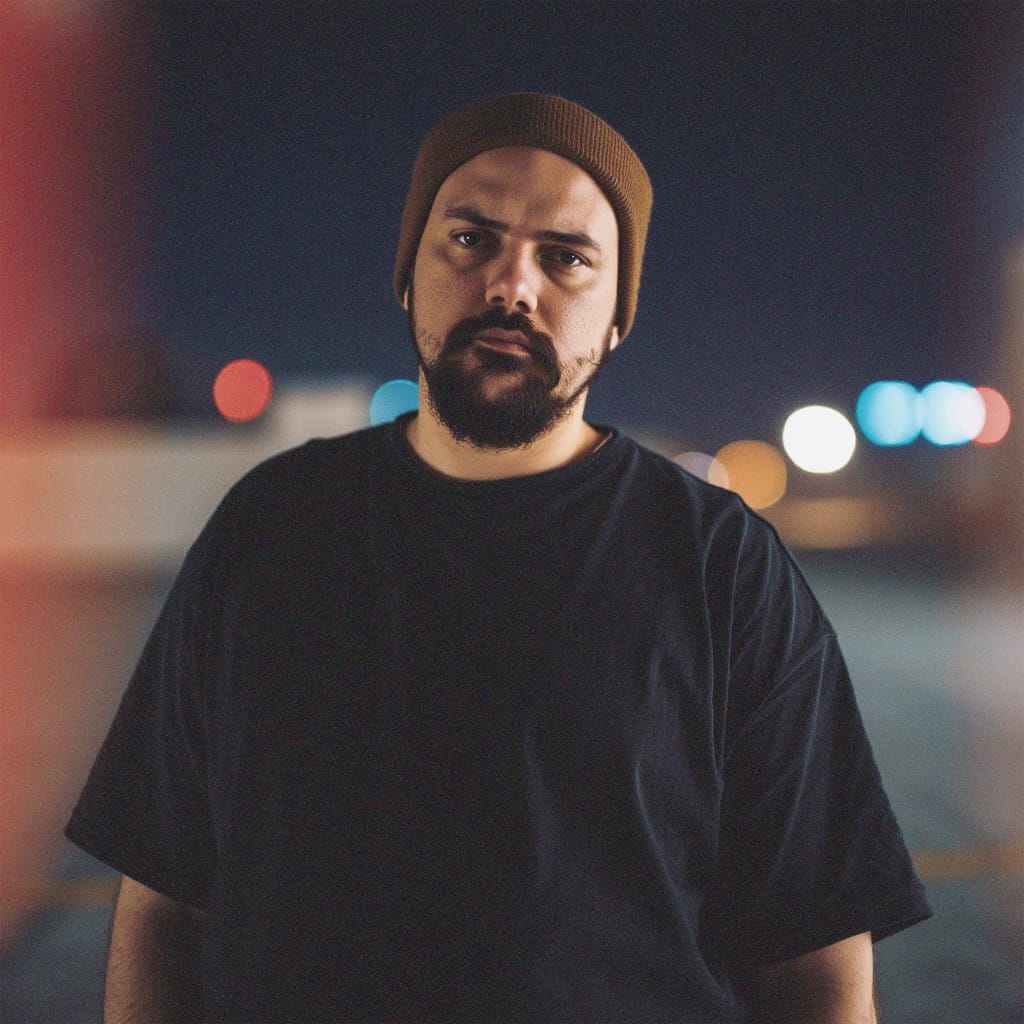
Nihil Young has a long track record of pushing toward sharper edges in melodic techno, and his new single Out of Control continues that direction with intent. The track arrives with a level of personality that comes from years of dialing in a sound built around impact, precision, and a clear point of view. Premiering it early gives space to highlight the attitude behind the record before it hits platforms on December 12.
The release also anchors a broader conversation about algorithms, risk, and the pressure to conform to streaming expectations. Nihil Young has watched the culture shift toward smoother structures and predictable moments, and he speaks directly about how that environment affects taste, discovery, and performance. His answers track the mentality that shaped Out of Control and the way he approaches the studio today.
The interview that follows focuses on curiosity, tension, and instinct. It highlights how he keeps his sets sharp, how he avoids creative drift, and how he continues to find value in music that refuses to flatten itself into the feed. Out of Control reflects that stance and the premiere sets the tone for the next phase of his work.
Interview With Nihil Young
Do you think algorithms reward music that is safe, familiar, or predictable, and what does that do to the culture?
Yeah. It is already turning things into a dystopian audio blur. Everything starts to sound like generative stock music or a YouTube ad. Algorithms are built to push what already performs, so they favor familiar drops, predictable builds, and hooks that do not interrupt anyone’s scrolling. No friction, no risk.
When that becomes the creative environment, originality ends up buried. New artists feel they have to mimic whatever went viral last week just to get a foot in the door. Labels stop trusting instinct and start following spreadsheets. Back when I started Frequenza, we were chasing ideas, not playlist approval. Now you have to actively fight to avoid blending into the feed.
In the long run, you lose the rawness that made dance music powerful in the first place. If everything is optimized, where does discovery live? Where do accidents happen? That edge is what shaped genres. Without it, music becomes content, not expression.
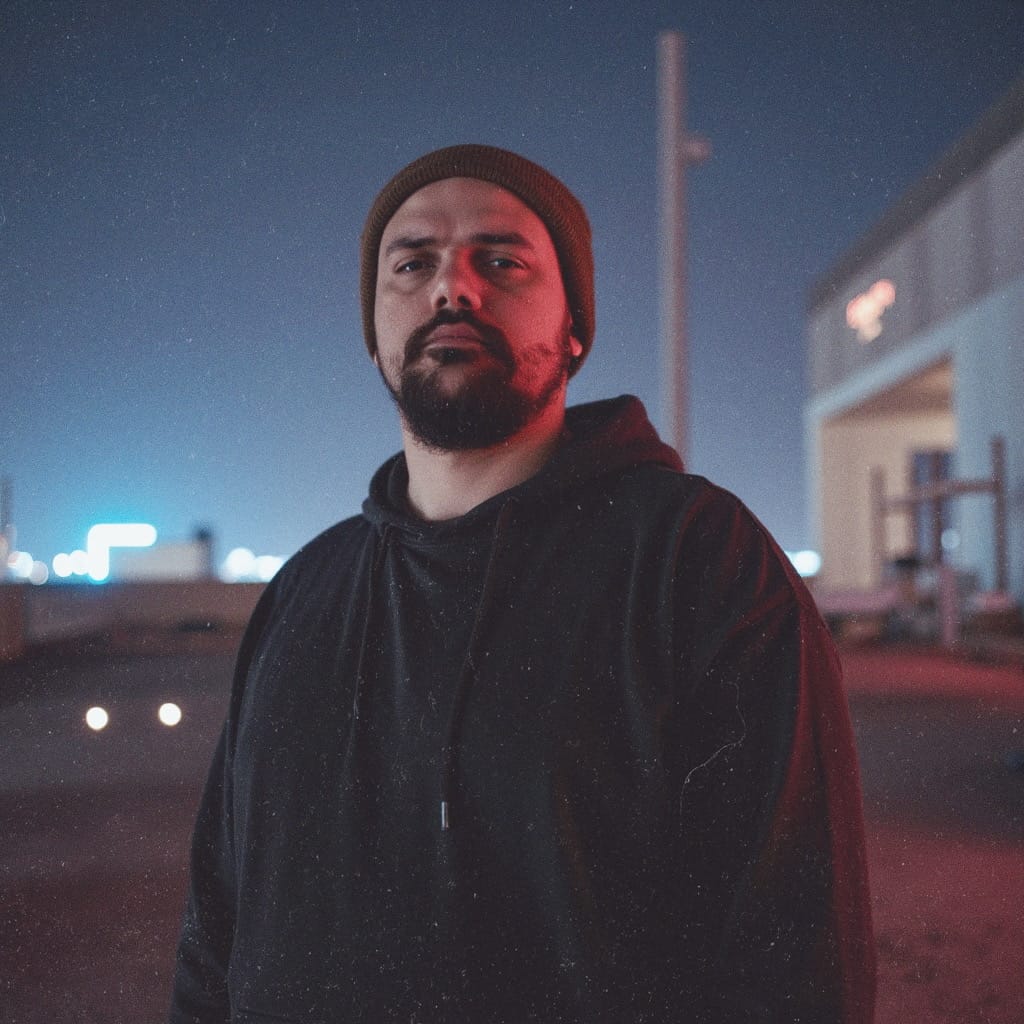
Have you ever felt your taste drift toward what is smooth or pleasant because streaming promotes it?
No. If anything it made me go the opposite direction. I am not here to be shaped by recommendation pages. I have avoided a lot of trend waves, including the Afro house boom, not because I disliked it but because it did not feel like mine. If you listen through my catalog you can hear that I always followed what hit me emotionally, even when it was gritty, weird, or too melancholic for the algorithm.
I came into this from hip hop and turntablism, then into electronic through people who took risks. I never wanted music to be easy listening background. I want texture, tension, emotion. If something blows up too fast, I usually get suspicious and look for the things happening three layers underneath.
My listeners know that. They are not with me for the polished feed-friendly version of dance music. They are there for the feeling.
Do you still look for music that challenges you?
I try. Time is tighter, but the desire is still there. Digging now just takes more intention. There is a lot of noise and algorithms keep feeding you more of what you already heard, so you have to go off-grid to find something that actually twists your ear a bit. Vinyl shops, small forums, forgotten Bandcamp corners, labels that do not care about virality.
Sometimes it feels like every angle has been tried, but there is always a new collision of mood and structure waiting. That is how I am approaching the album I have coming. Not trying to reinvent everything, just trying to say something that feels true and not recycled.
Curiosity keeps the connection alive. Without it, you start repeating yourself.
How do you keep surprise and tension in your sets when so much music is made to blend?
I love a clean mix, but not when it becomes beige. I like throwing in something the room does not expect. A switch from progressive into heavier techno, or a track with a strange synth line that lifts everything without blowing it out.
I pick tracks that do not behave like wallpaper. Deep cuts from my own roster, weird percussion, synth lines that stretch out a feeling instead of smoothing it. It is not about chaos. It is about a shift that tells people to look up, listen again, feel something.
If it lands, the room explodes. If it does not, I pivot. That push and pull is the difference between a night and an experience.
What is the emotional risk of only playing what algorithms expect you to play?
You slowly disconnect from your own instinct. You start playing for approval instead of curiosity. I have seen talented people fade out because they kept chasing what they thought the feed wanted and ended up bored with themselves.
Music stops moving you when every decision is optimized. It becomes safe, and safe eventually becomes numb.
Taking a risk, even a small one, keeps everything alive. You feel it, the crowd feels it, and suddenly the room has a pulse again.
Have you ever played a track that felt completely unpredictable but changed the night?
Absolutely. Phil Kieran’s Skyhook 1 is one of those. It does not follow the usual logic, and that is exactly why it works. I have dropped it in sets that were flowing calmly and suddenly the entire room changed temperature. Everyone woke up.
Those are the moments that remind me why I do this. You cannot predict them or design them in a data dashboard. They just happen, and they make the night.

Name a track you love that would never appear in Discover Weekly, and why that matters.
Honestly, the fact that I had to search what Discover Weekly is tells you how disconnected I am from that world. There are so many tracks I love that are not playlist material. Early Booka Shade, raw techno cuts that were built for the floor, not for mood algorithms.
Those tracks hit differently because you had to find them. No one served them to you. They are not clean or curated or optimized. They stay with you because they feel earned.
That is the core of why I still do this. Music should not be fed to you like an ad. You should want to dig for something that changes you.

Will Vance is a professional music producer who has been involved in the industry for the better part of a decade and has been the managing editor at Magnetic Magazine since mid-2022. In that time period, he has published thousands of articles on music production, industry think pieces and educational articles about the music industry. Over the last decade as a professional music producer, Will Vance has also ran multiple successful and highly respected record labels in the industry, including Where The Heart Is Records as well as having launched a new label with a focus on community through Magnetic Magazine. When not running these labels or producing his own music, Vance is likely writing for other top industry sites like Waves or the Hyperbits Masterclass or working on his upcoming book on mindfulness in music production. On the rare chance he's not thinking about music production, he's probably running a game of Dungeons and Dragons with his friends which he has been the dungeon master for for many years.