AI makes the wrong comparison easier than ever…
A producer can now sit with a rough loop, open a feed, hear someone else’s finished record, then watch a tool generate something polished in seconds, and suddenly the early stage of their own work starts to look weaker than it actually is. Omari’s answer to that pressure is fairly direct: if the whole point is to compete on speed or volume, the artist has probably already lost the thread.
That feels like the right lens for Pressure Loop, his new collaborative EP with Le Modo on Damian Lazarus’ Rebellion. The title track is built around a hypnotic
Shepard tone and tightly wound percussion, while “That’s Right” moves with a punchier vocal-led groove.
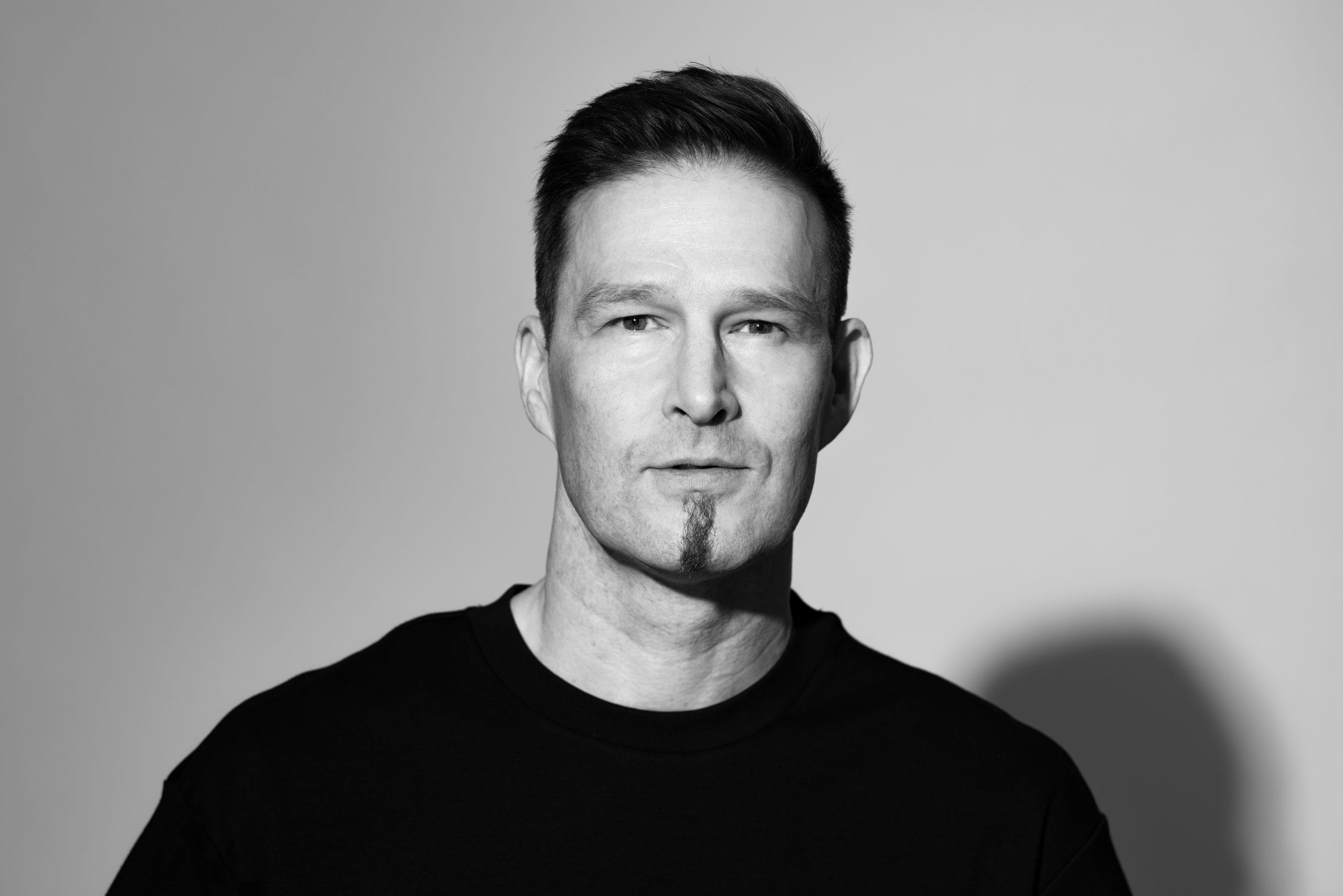
The release brings together Omari’s (@omari.co.uk) UK-rooted language of garage, hip-hop, disco, rolling percussion, heavy basslines and vocal hooks with Le Modo’s Detroit-influenced, rhythm-first approach, giving the EP a sense of pressure that comes from shared movement rather than overworked perfection.
The interview below turns that release context toward a wider production question: how do artists stay patient when AI can imitate parts of the process, and how do they protect the rough stage long enough for something personal to appear? Omari is not dismissing AI as useless, but he is clear about what it cannot replace. The process still matters. The rough idea still matters.
The days when nothing quite lands still matter. If an artist falls in love with the act of making music, the finished track becomes more than proof of output. It becomes the result of having stayed with the work long enough for taste to develop.
Interview With Omari

For producers already comparing themselves to others online, how does AI affect confidence?
It’s easy to see others who are far ahead, or utilizing AI to try and get ahead, and be disheartened, but if you’re creating to compete, you’re already losing. AI is allowing producers to churn out more ideas and more finished tracks, but to be an artist it takes more than that.
For producers, I’d say creating your own unique style and putting focus on enjoying the process will always get you further. AI can’t replace the hard work at any stage.
Early ideas are often rough. How should artists treat that stage when polished AI output is always nearby?
The early idea stage is often the best stage of creation. You’re less bound by restrictions and get the opportunity to really test out ideas and push boundaries. This is where all the best ideas and tracks come from.
Treat this stage as your chance to further your skills, and you could end up with something that will surprise you. By skipping this, you’re skipping essential learning opportunities that’ll only harm you going forward.

Some tracks sound polished without saying much. How can artists avoid mistaking polish for purpose?
Some tracks sound super polished and complete, but ultimately they don’t resonate with people because there’s no feeling or emotion conveyed by it. For me, if I think back to all the tracks that have really impacted me on the dancefloor, they’re often raw or unpolished, but the message or vibe that they’re trying to create comes through. That’s what we should be looking for as artists.
How can producers stay patient with unfinished work when finished-sounding material is easy to generate?
Unfinished work is all part of the journey.
Sometimes you just don’t have the creative spark with a project, and there’s nothing wrong with that. You can go days, weeks, even months without an idea that materializes, but ultimately sticking with it and pushing yourself will lead to a better final product. It’s a classic case of quality over quantity.

What perspective would help artists who feel discouraged by AI’s ability to imitate parts of the process?
For me, if you fall in love with the process of creating, you’re already winning and nothing can take that from you. If you enjoy being in the studio or just sitting on Ableton, you’ve won.
Those who are heavily reliant on AI will soon not be able to create for themselves without it. People have been producing for years without it, and although it’s definitely going to have an impact, I don’t think we’ll get to a point where it takes over.
We’re seeing throughout wider society that it’s not being received well, especially in creative fields, so although it might be useful as a tool, I can’t see it taking over

Closing Thoughts From The Editor
Omari’s strongest point is that the early stage is not something to escape. It is where the artist learns. That sounds obvious until a producer is staring at a rough idea next to finished-sounding AI output and suddenly feels like the slow version of the process is proof they are behind. Omari pushes against that.
The rough stage is not the embarrassing part before the track becomes real. It is where the track starts becoming yours.
That connects with Maor Levi’s interview on speed, taste, and producer confidence.
Maor talked about how AI can make rough work feel weak by comparison, while Omari brings the same problem back to competition. If the producer is creating only to keep pace with everyone else, the work is already being pulled away from its own reason for existing.
There is also a link to Greggio’s interview on instinct, timing, and keeping the groove human.
Greggio focused on the danger of polishing away the physical feeling of a track, and Omari’s answer about purpose lands in a similar place. Polish can help a record translate, but it cannot manufacture the message, tension or feeling that makes people remember the track after the night ends.
That matters for Pressure Loop, because the EP’s whole premise is built on sustained pressure rather than easy release.
A Shepard tone can create the illusion of endless rise, but the record still needs taste, restraint and groove to keep that tension from becoming a trick. Omari and Le Modo seem to understand that the tool is only valuable when it serves the track’s larger feeling.
The AI point also lines up with Yeadon’s interview on progressive house in the AI era. Yeadon talked about keeping the artist inside the decision-making process, while Omari’s version is more motivational but no less practical. You protect the work by continuing to make it yourself, especially when the process feels slow, messy or uncertain.
The broader takeaway is simple: AI can increase output, but output is not the same as artistry.
Pressure Loop arrives from two producers building a shared language across scenes, influences, and club instincts, and Omari’s answers make clear that the human part is still in the patience. Keep working, keep learning, let the rough ideas teach you something, and stop treating speed as the only sign that the process is working.

Will Vance is a professional music producer who has been involved in the industry for the better part of a decade and has been the managing editor at Magnetic Magazine since mid-2022. In that time period, he has published thousands of articles on music production, industry think pieces and educational articles about the music industry. Over the last decade as a professional music producer, Will Vance has also ran multiple successful and highly respected record labels in the industry, including Where The Heart Is Records as well as having launched a new label with a focus on community through Magnetic Magazine. When not running these labels or producing his own music, Vance is likely writing for other top industry sites like Waves or the Hyperbits Masterclass or working on his upcoming book on mindfulness in music production. On the rare chance he's not thinking about music production, he's probably running a game of Dungeons and Dragons with his friends which he has been the dungeon master for for many years.