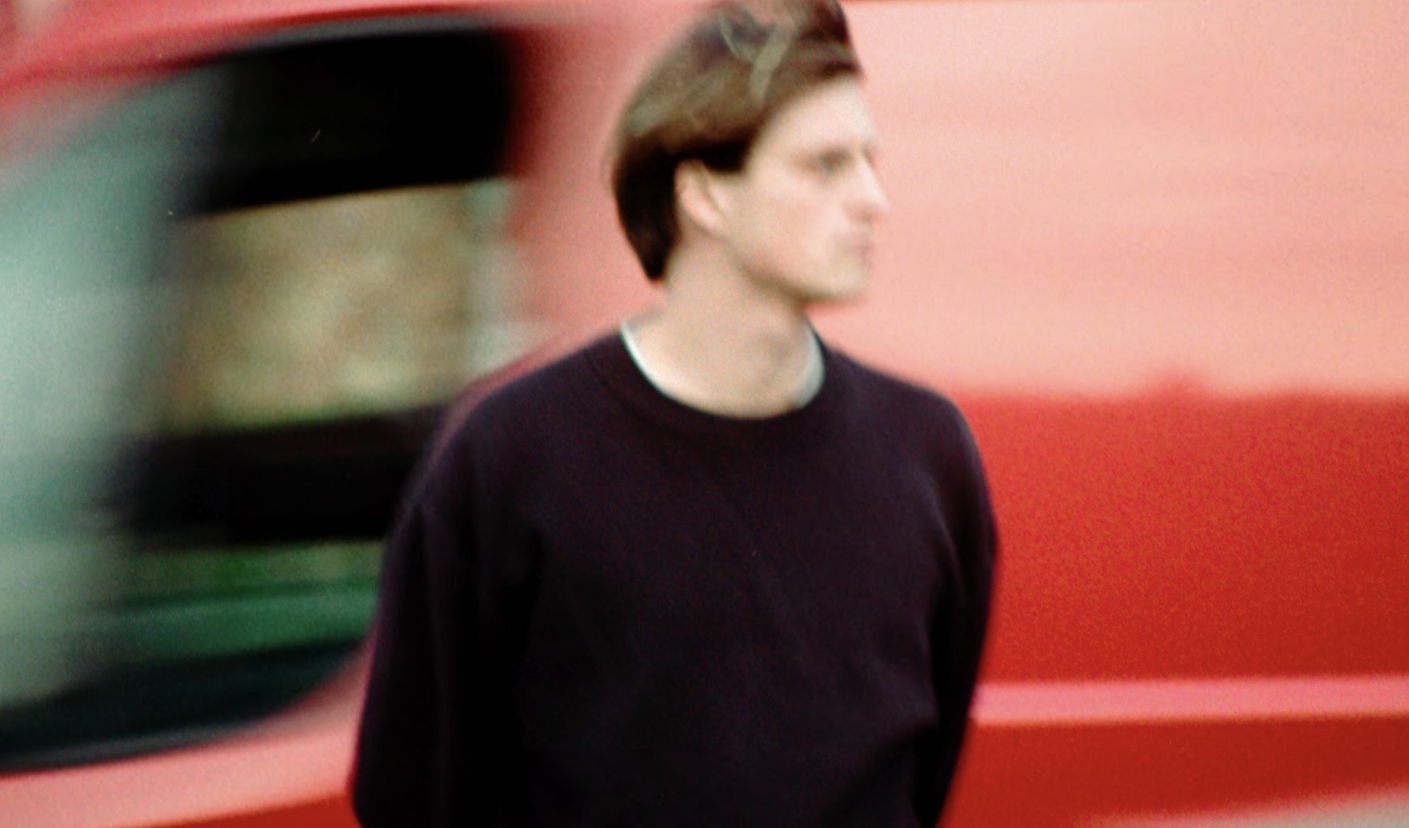
Image Cred: Loic Meulenberg
A specific kind of song only fully hits when you are looking out a window.
Not because the production is bigger in the car. Not because the speakers are better. Usually, they are not. It hits because you are moving, and for a few minutes, your life has no immediate task attached to it. You are not fully where you left, and you are not yet where you are going. You are just sitting there, watching everything pass, letting the music do the emotional organizing for you.
Jennifur’s MAZDA understands that feeling better than most albums that get pitched as cinematic.
The record takes its name from a playlist his brother made after their family’s Mazda, filled with songs their father used to play on long car rides. That is a small detail, but it is the kind of detail that actually gives an album a reason to exist. Anyone can write about motion.
Fewer artists can make motion feel tied to family, memory, and the strange way certain songs become attached to places we barely noticed at the time.
Jennifur Writes Like the Memory Is Still Moving
The opener, “From A to B,” sets the album up with the feeling of pulling out of your street and realizing something has started before you have the language for it. I like that image because it is plain.. Many life changes don’t begin with a dramatic scene. Sometimes you just leave the house and only understand the shift later.
That is where MAZDA has its best moments. It takes ordinary scenes and lets them gather emotional pressure.
“I Need You To Hold On” was written for Jennifur’s brother as a message of encouragement. “I Once Had a Dream Where I Could Fly” came from a conversation with his father about recurring dreams of flying. “From The Sideline” explores the fear of becoming a spectator in your own life, one of those adult anxieties that can sound vague until you feel it in the middle of a normal day.
It keeps returning to people, family, distance, illness, encouragement, and the little emotional aftershocks that follow you once the car has stopped.
“In The Sun” centers on the image of one final Sunday at the seaside with someone seriously ill. That is not nostalgia as comfort food. That is memory with a bruise. The image is beautiful because it is fragile, and the song seems to understand that the best memories often hurt because they kept their shape.

The Production Lets the Songs Breathe
Jennifur sits in a space that can easily go wrong on paper: indie songwriting, leftfield electronics, UK bass influence, cinematic electronica, post-rock texture, and classical composition.
That is a lot of language. But MAZDA works best when the production serves the emotional logic instead of trying to prove how much ground it can cover. The record feels electronic without becoming faceless. It has indie bones without shrinking into soft bedroom-pop. It lets low-end movement, atmosphere, and rhythmic detail sit around the songs instead of swallowing them.
That balance is the whole trick.
Much emotionally driven electronic music either leans too hard into tasteful haze or gets too eager to prove it can still hit. Jennifur’s material seems more interested in the middle space, where the vocal and writing still carry the scene, but the production gives it a wider emotional radius.
I’ve covered a lot of music in that emotional electronic pocket, including the best indie electronic tracks of summer 2023, and the records that stick are the ones where the production doesn’t replace the song. It enlarges it.
The Album Feels Like a Family Photo You Can Hear
The family element is what gives MAZDA its real weight.
A playlist from a brother. Songs from a father. A car that becomes more symbolic than anyone probably intended when it was first sitting in the driveway. That stuff can sound sentimental fast, but it also happens to be how music actually works in people’s lives. That is the quiet pull of MAZDA.
The album does not seem interested in recreating the playlist his father played. It is more interested in the afterimage. The way those songs shaped the emotional weather of the ride, then stayed somewhere in the body long after the trip ended.
There is a related production instinct in my How It Was Made feature on Marc Gundermann’s “Apparition”, where atmosphere becomes part of the writing itself. Jennifur’s record is warmer and more song-led, but it shares that belief that texture can hold memory.
Jennifur’s MAZDA is out now digitally and on vinyl via Off Corner Records, with an official live launch set for October 23 at Botanique in Brussels.

Magnetic byline note: This byline is used for staff produced updates and short announcements, often based on press materials and official release information. Editorial responsibility: David Ireland (Editor in Chief) and Will Vance (Managing Editor). About: https://magneticmag.com/about/ Masthead: https://magneticmag.com/masthead/ Contact: https://magneticmag.com/contact/












![How It Was Made: Lang Father i(Junkyard Dog) [Welofi]](https://magneticmag.com/wp-content/uploads/2026/10/Press-Pic_2-1024x576.jpg)