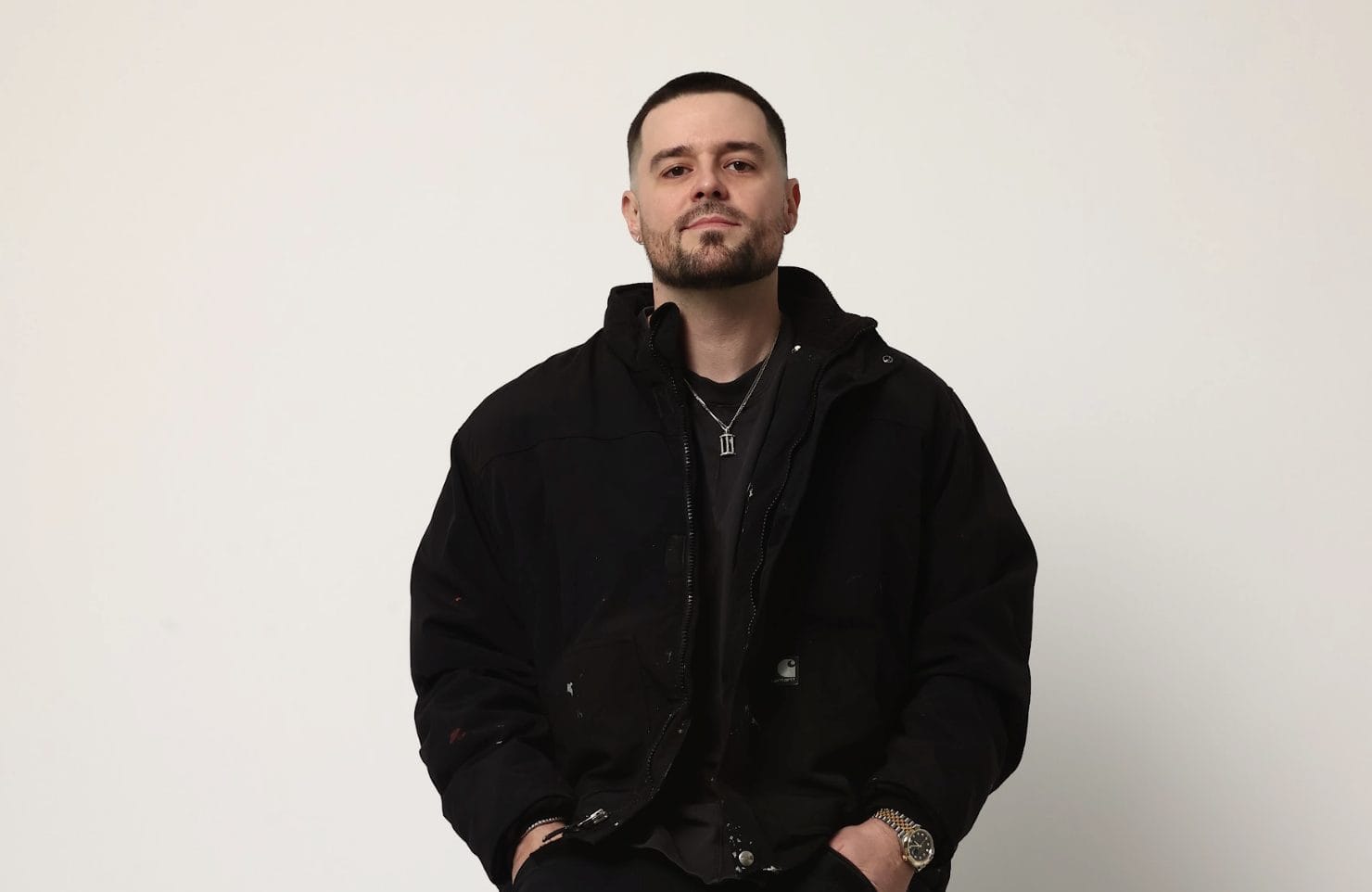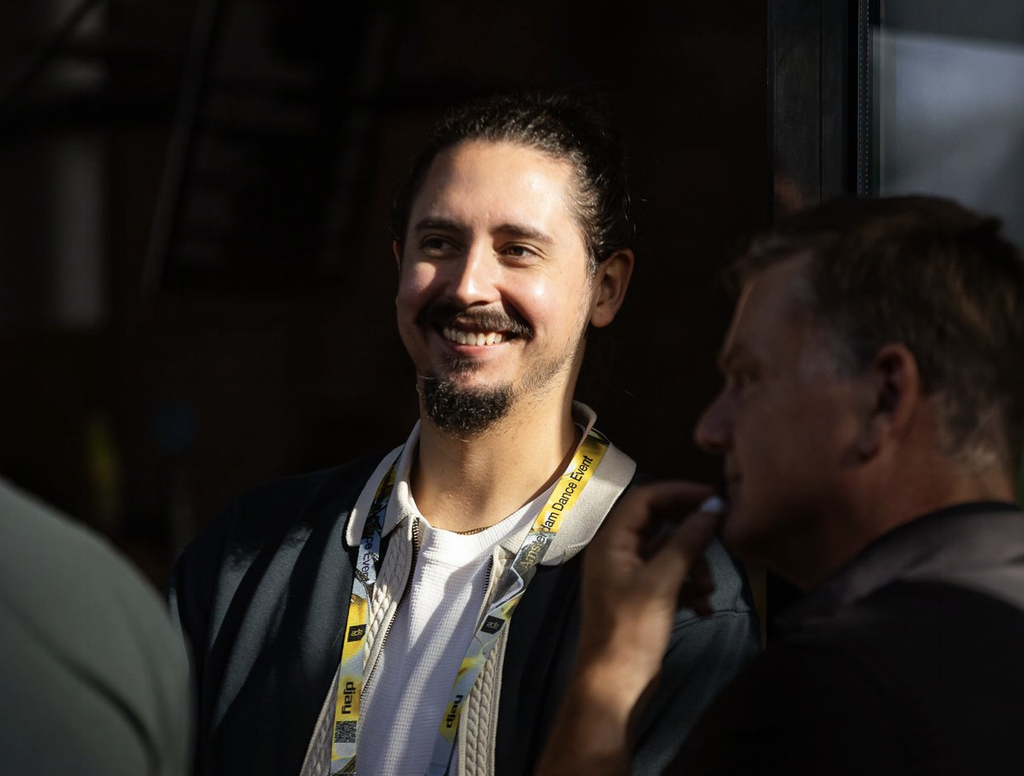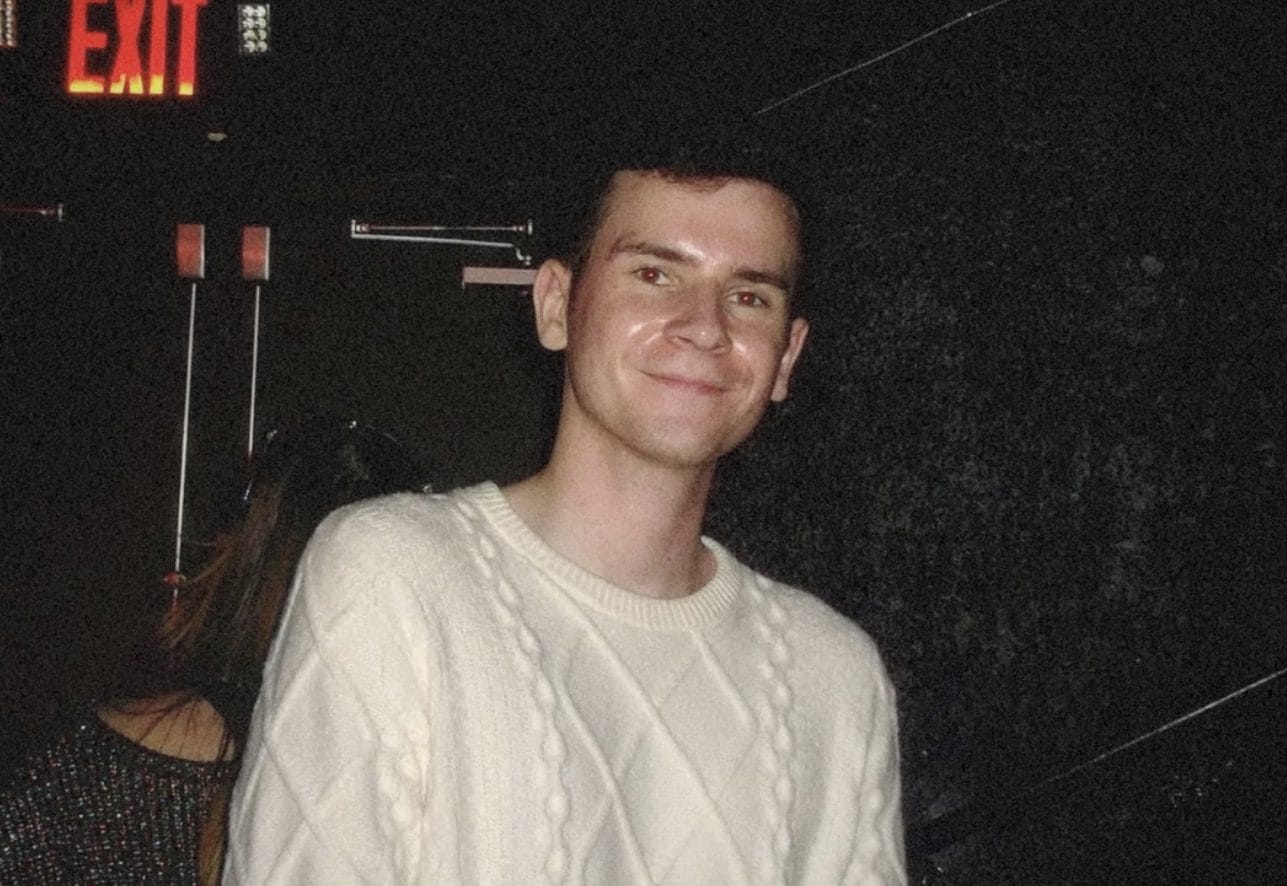
Jack Batt (@jackbattt) has spent just under five years as Label Manager at Ophelia, overseeing strategy, A&R, operations, distribution, marketing, and artist relations across one of melodic bass music’s most recognizable modern labels. His perspective is useful because he is not just talking about what makes a demo sound good in theory. He is dealing with the actual process of deciding what can fit into a release calendar, what has enough identity to matter, and what gives the Ophelia team something real to build around.
Ophelia’s catalog has always sat close to the intersection of songwriting, atmosphere, and heavy electronic production, so Batt’s answers make sense in that context.
He is listening for mix quality first, but also for whether the track holds attention beyond the drop and whether the artist has a clear fingerprint. That last part matters because the scene is full of technically capable producers, and a polished record can still feel replaceable if it does not give listeners a reason to remember who made it.
In the interview below, Batt breaks down what makes him continue past the first minute of a demo, why a simple pitch is usually better than a long explanation, and how timing can decide whether a record has a real opening on the label.
He also gets into why a good rollout still matters, using examples like Ray Volpe’s “Laserbeam,” Seven Lions’ early remix breakthrough, and Charli xcx’s BRAT rollout to make the same larger point: lasting careers usually come from identity, not from chasing whatever the market appears to want in the moment.
Interview With Jack Batt

When a new artist sends music, what makes you continue past the first minute?
There are a few things I listen for right away.
The first is mix quality. If the audio is muddy, muffled, or just does not translate well, it is difficult to look past that. When you are submitting a cold demo to a label, the song does not need a hundred-thousand-dollar mix, but it does need to sound ready for release.
Beyond that, I pay a lot of attention to whether the song is actually engaging from beginning to end. A lot of demos lean almost entirely on the drop, with everything else functioning as filler. The best records feel intentional from the first second to the last. I generally think artists should probably spend more time on the less exciting parts of a track than the drop, because that is where there is the most space to say something interesting.
The other main thing I am listening for is identity. There are so many incredibly talented producers, but the hard part is carving out your own lane. We hear plenty of well-produced demos, but if it sounds like dozens of other artists in the scene could have made it, it is probably not going to leave much of a mark. The demos we remember usually have some kind of unmistakable fingerprint on them, or they are trying to say something new.
What do you need to know about the artist before the track feels usable for a label?
During the initial demo process, I honestly do not pay much attention to anything outside the music itself. Jeff, Seven Lions, ultimately has the final say on what gets released through Ophelia, and if the record is not good enough, nothing else really matters.
Once a demo is approved, though, it becomes important to see that the artist is at least willing to help their music find an audience in whatever way feels authentic to them. Not everyone needs to be making Instagram Reels or TikToks, but they should be actively building a connection with listeners somehow.
I could not imagine anyone on our team regretting that we signed a record because the artist did not have a big enough social following, but I am not sure I can say the same about signing records for the opposite reason.
Where do artists weaken a pitch by giving too much or too little context?
I actually do not think the written pitch matters nearly as much as people assume. The most important thing is that it is easy to find and listen to the music.
All you need to do is include a working link and keep it simple and respectful. There is no need to spend paragraphs explaining why the song is amazing, because the music ultimately needs to make that case on its own.
One mistake I do see fairly often is sending playlists full of demos. Unless the first song immediately grabs someone’s attention, there is a good chance the rest will not get played.
Quantity absolutely matters while you are learning to produce, but when it comes to releasing music, quality matters far more. If a demo you are submitting would rank tenth among your own unreleased songs, it is probably not in a place where it should be pitched to labels.
How much does timing affect your interest in a release?
Timing is so important. Our release calendar fills up quickly, so there are only small windows where new music can fit.
Naturally, our core roster gets first priority, and many of those artists already have records lined up. When those openings appear, we will either go back through submitted demos or proactively reach out to artists we are interested in working with.
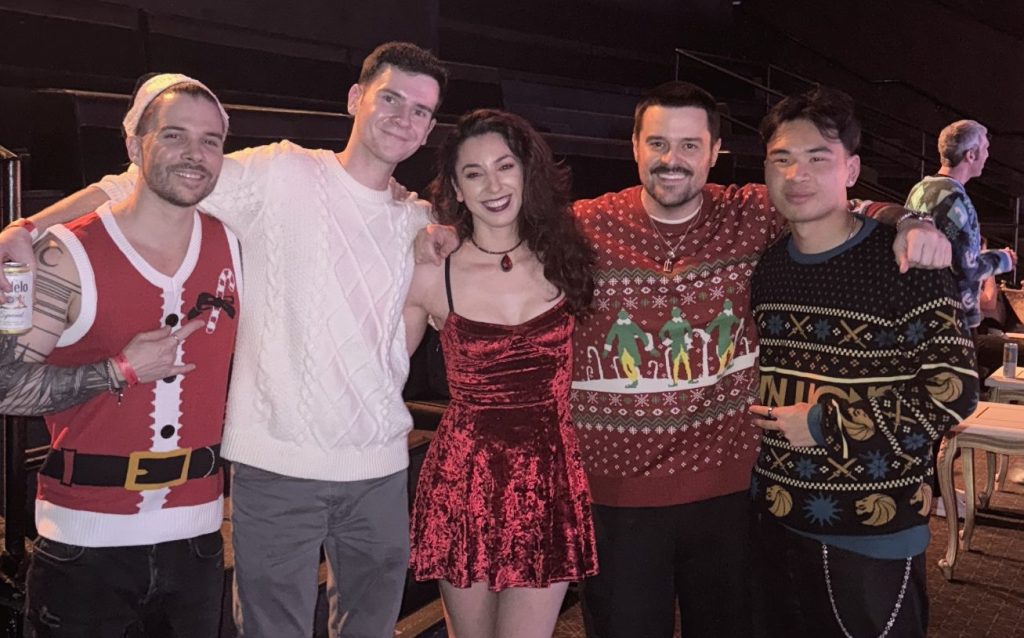
One thing I really enjoyed was a pop-up event we hosted with Neon Owl in Miami where artists had the chance to play us a demo in person. Because each artist only had one opportunity, it felt like everyone brought their absolute best work.
I would love to see that happen on a larger scale with something like a dedicated two-week demo submission window, followed by a week where the team reviews everything before closing submissions again. It would create a clearer process and encourage artists to submit their best material rather than sending everything they have made.

Why does a good record still need a clear setup around it?
I think a great record especially deserves a thoughtful rollout because people still have to discover it. There is so much music being released every day that even incredible songs can disappear without the right setup.
One example my old boss and I used to talk about was “Laserbeam” by Ray Volpe. Beyond simply being a great dubstep record, it arrived at exactly the right moment as live shows were still ramping up after COVID and there was so much excitement in the scene.
It never felt manufactured. It felt like genuine word-of-mouth momentum. It felt like every DJ was playing it, even before its official release, and I remember artists like Hardwell and Chris Lake playing it in their sets. Since then, plenty of people have tried to replicate that strategy, but it just is not quite the same.
That said, I do not think every release needs to become a viral phenomenon. Twenty fans who care enough to come to shows and stay up until midnight for an album are way more valuable than twenty thousand passive Spotify streams from people who barely noticed the song was playing.
I also think a lot of artists get trapped trying to make what playlists, TikTok, or labels seem to want. In that process, they often end up losing the thing that made them interesting. The artists I have seen really explode and build lasting careers usually do the opposite.
Seven Lions is a great example. When he won the Above & Beyond remix competition in 2011, it was not because he sounded like the next Above & Beyond or Anjuna mainstay. The music felt genuinely new, and years later, that sound ended up influencing an entire corner of electronic music.
Even though algorithms and short-form content have become so important these days, I do not really think much has changed when it comes to creating a lasting identity. If you take a look at someone like Charli xcx and her BRAT rollout, which had abrasive visuals and a very specific artistic world, its success was the result of Charli xcx staying true to herself for years. Audiences are very good at sensing imitation, but they are even better at sensing authenticity.

Will Vance is a professional music producer who has been involved in the industry for the better part of a decade and has been the managing editor at Magnetic Magazine since mid-2022. In that time period, he has published thousands of articles on music production, industry think pieces and educational articles about the music industry. Over the last decade as a professional music producer, Will Vance has also ran multiple successful and highly respected record labels in the industry, including Where The Heart Is Records as well as having launched a new label with a focus on community through Magnetic Magazine. When not running these labels or producing his own music, Vance is likely writing for other top industry sites like Waves or the Hyperbits Masterclass or working on his upcoming book on mindfulness in music production. On the rare chance he's not thinking about music production, he's probably running a game of Dungeons and Dragons with his friends which he has been the dungeon master for for many years.