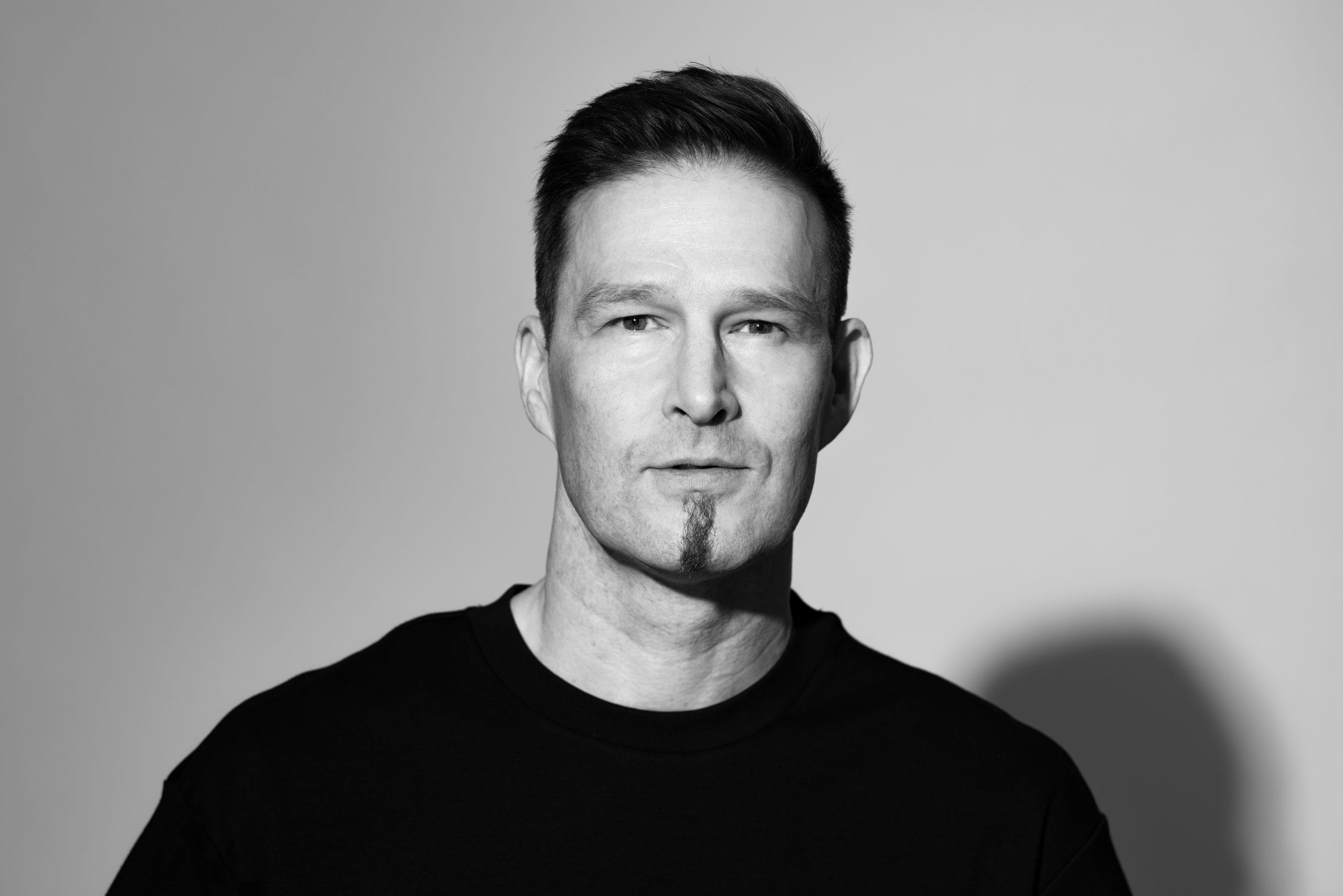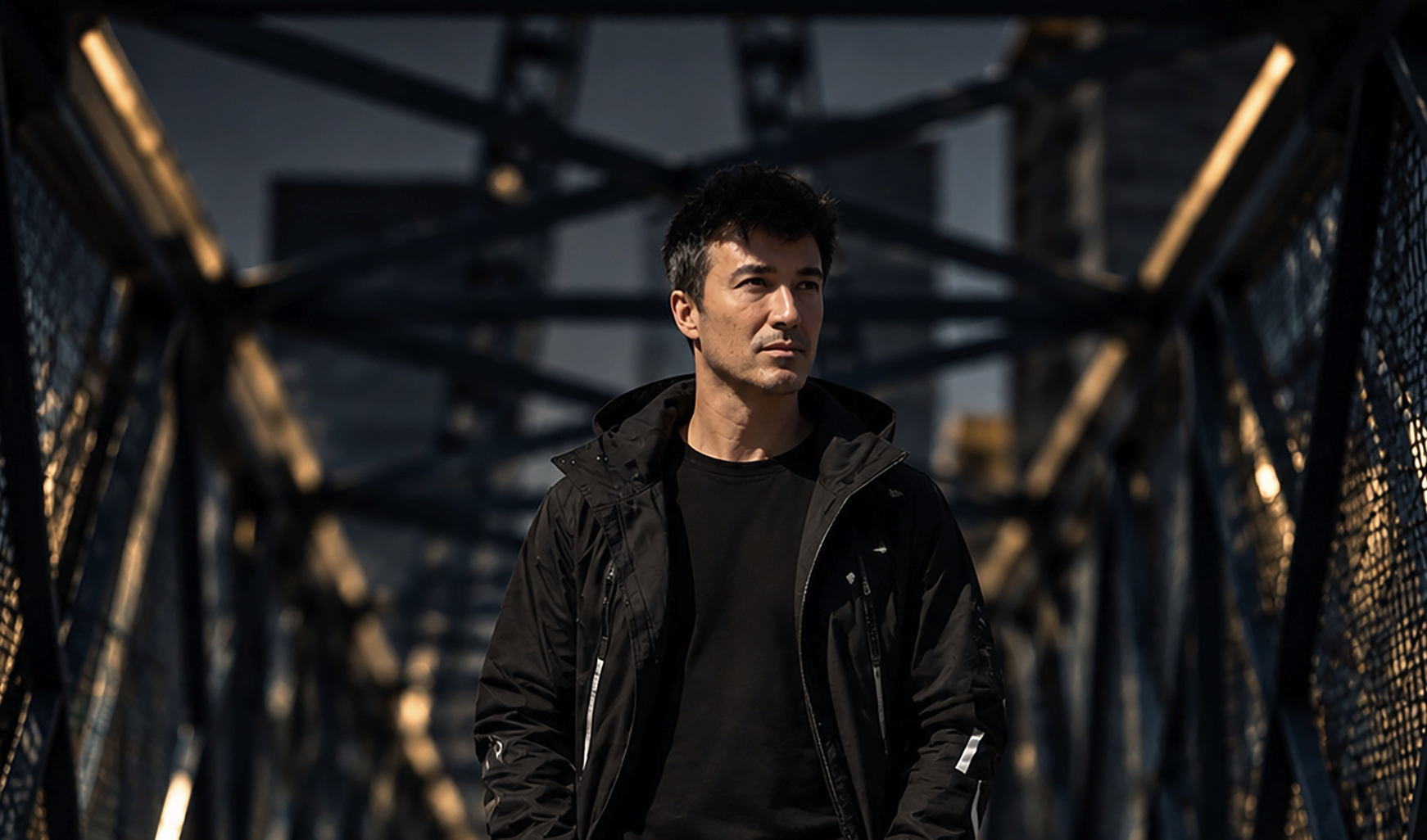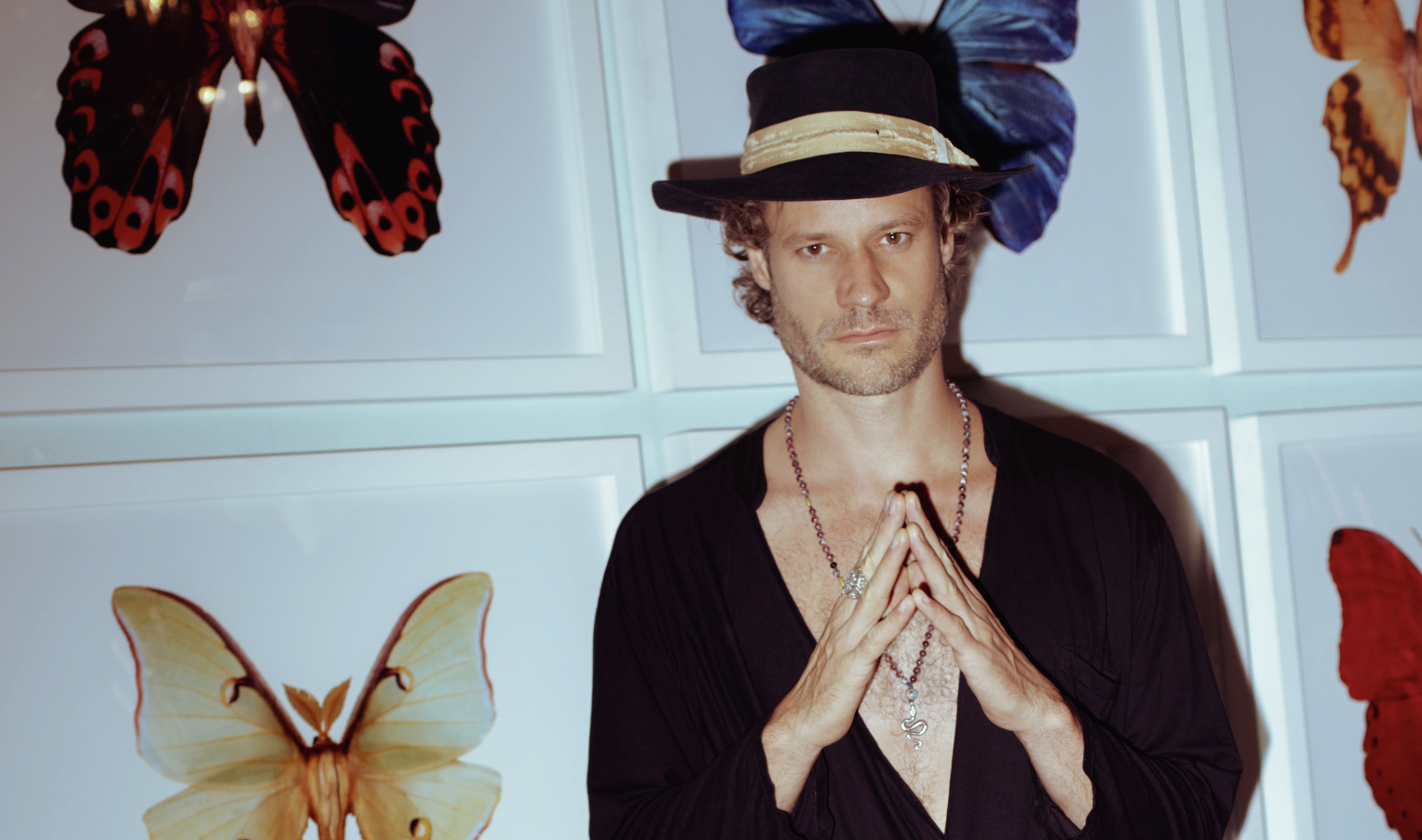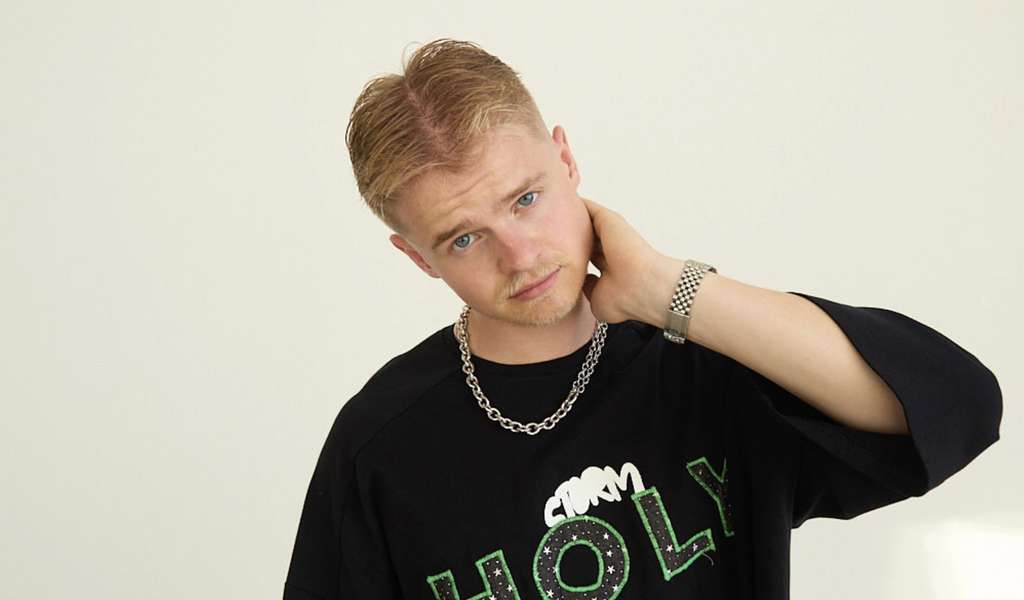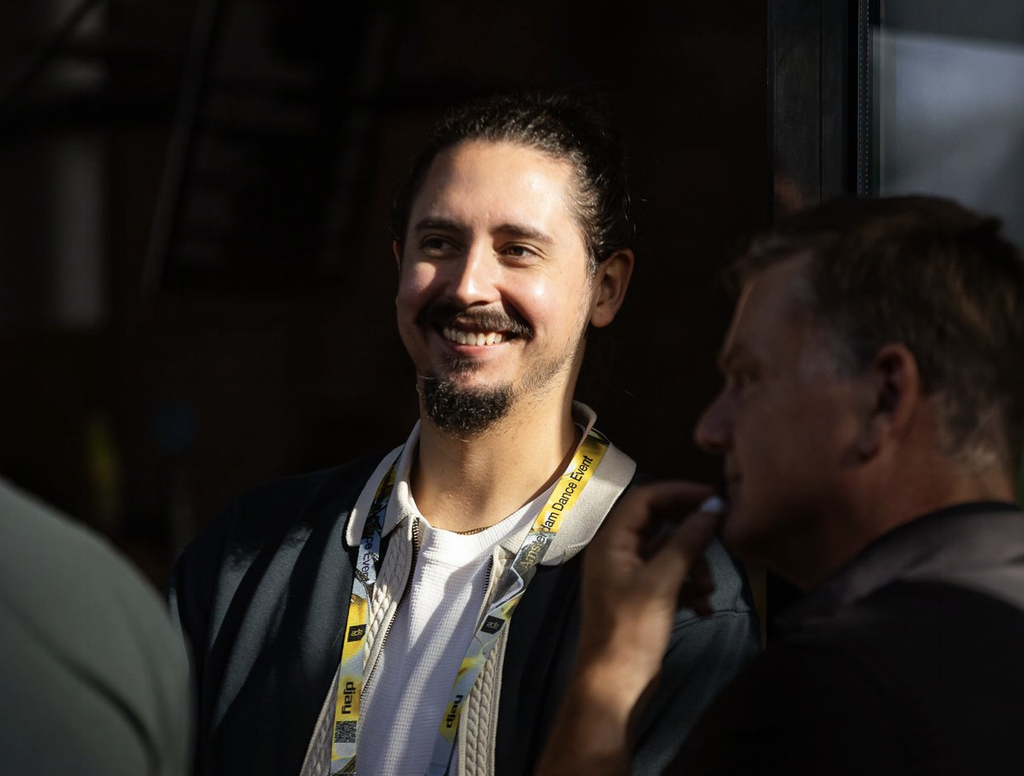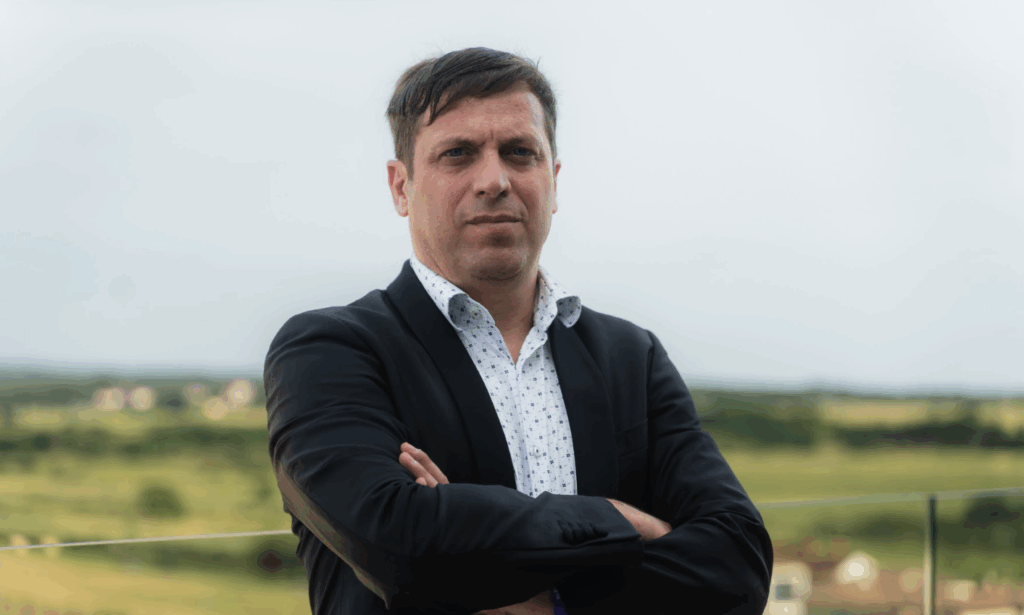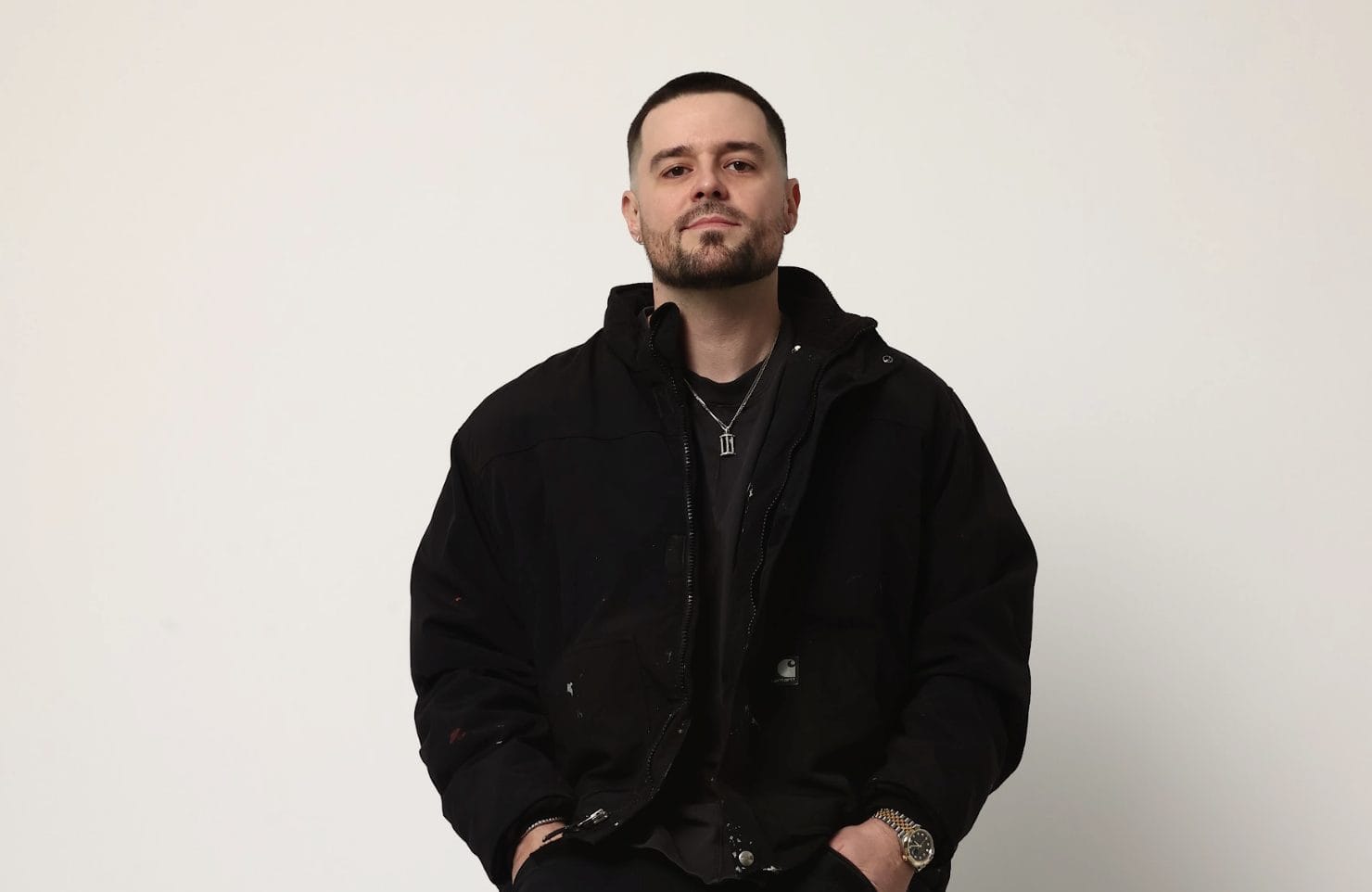
Mike Lisanti built MLennial around a fairly direct idea: management should help an artist scale something that is already moving. Founded in Los Angeles in 2024, the company now represents electronic artists including Seven Lions, SABAI, Kompany, MUZZ, GorillaT, Jerro, Rad Cat, and KNWN, supported by a team of managers, marketers, and creatives.
Across its first full year, MLennial’s roster sold more than 150,000 headline tickets while expanding into new markets and developing larger touring businesses around their music.
Lisanti’s work also extends beyond traditional artist management through ML Publishing and Reachling, a digital advertising company working with artists, venues, and festivals.
That wider infrastructure gives him a useful perspective on what actually helps an electronic artist move from early attention toward a sustainable career. Streams, social growth, and industry support all matter, though he is more interested in whether an artist has a clear identity, a growing connection with listeners, and habits that hold up under more demanding opportunities.
In the interview below, Lisanti explains what catches his attention when he first encounters an artist, why managers cannot manufacture momentum from nothing, and how work ethic becomes visible long before a contract is discussed. His answers offer an insightful look at management readiness for producers who may have good music but are still working out whether they have built enough of the surrounding career to make a professional partnership useful.
Interview With Mike Lisanti

When you first meet an artist, what tells you there is something worth building?
The first thing I look for is whether the artist has a clear point of view. Plenty of people can make great records or do attention-grabbing things on social media, but very few have an identity that cuts through the noise and makes people care.
I pay attention to whether fans are reacting to the artist or simply reacting to a song. The best careers are built around connection, not just consumption. If I can see the beginnings of a loyal audience and a clear, unique perspective, that is usually worth exploring further.
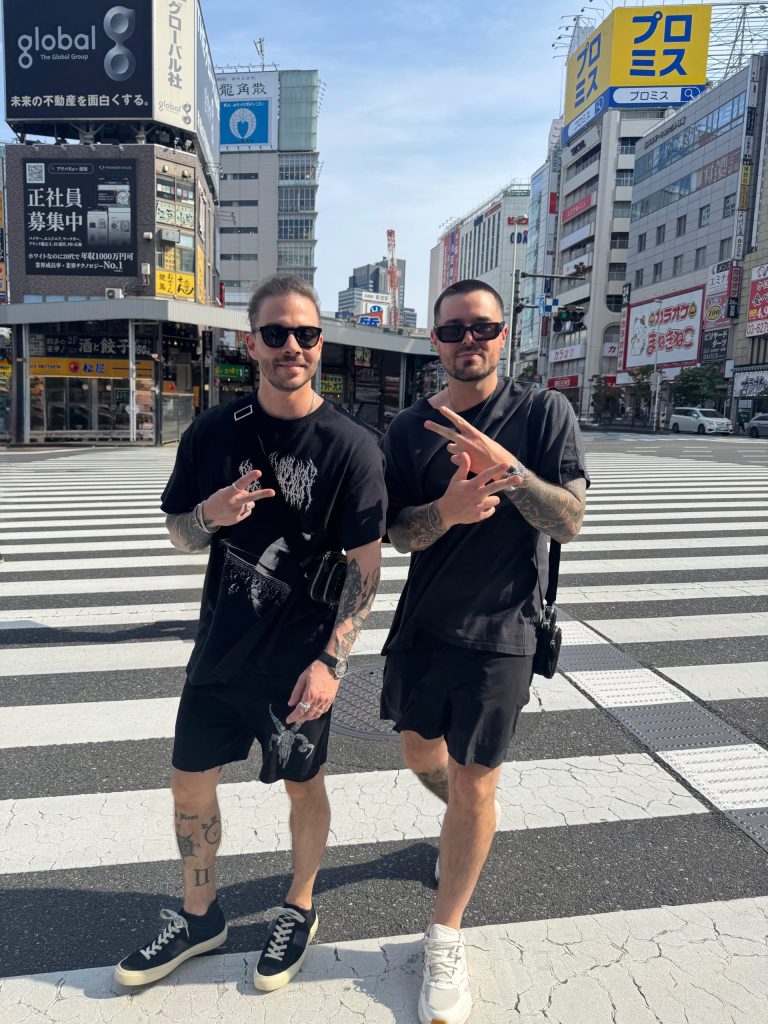
What are you paying attention to outside the music itself?
Outside the music, I am looking at consistency, self-awareness, and how the artist shows up every day. The reality is that careers are built through thousands of decisions that have nothing to do with the studio.
I pay attention to communication, professionalism, content habits, fan engagement, and whether they are creating momentum without being told to. Great music can open a door, but character and execution determine how far someone goes. The artists who last tend to treat their career like a business long before it becomes one.
Where do artists usually misread their own readiness for management?
Most artists think management is the solution to problems they have not solved themselves yet.
They assume a manager will create momentum, when in reality managers are usually there to help identify opportunities and amplify momentum that is already underway.
If there is no growing audience, meaningful opportunity, or clear demand, there is often very little for a manager to manage. The best partnerships happen when an artist has already proven they can move the ball forward independently. Management should be a force multiplier, not a starting point.
How much proof do you need before taking a deeper look?
I do not necessarily need millions of streams or sold-out shows, but I do need evidence. That proof can come in different forms, including consistent audience growth, meaningful engagement, ticket sales, industry attention, or a record of executing on goals.
What matters most is seeing repeatable behavior rather than one viral moment. I am less interested in one large spike than I am in signs that an artist knows how to build momentum over time. Sustainable growth is usually a better indicator than temporary hype.

Why does an artist’s work ethic show up before any formal deal is discussed?
Work ethic is impossible to hide because it shows up in every interaction. You can see it in response times, preparation, follow-through, and how someone handles obstacles when nobody is watching.
By the time a formal deal is being discussed, I have usually already learned a lot about how that person operates, regardless of their size. The artists who build lasting careers tend to be doing the work long before they have a team around them. In many cases, the reason they attract management in the first place is that their work ethic makes them impossible to ignore.

Will Vance is a professional music producer who has been involved in the industry for the better part of a decade and has been the managing editor at Magnetic Magazine since mid-2022. In that time period, he has published thousands of articles on music production, industry think pieces and educational articles about the music industry. Over the last decade as a professional music producer, Will Vance has also ran multiple successful and highly respected record labels in the industry, including Where The Heart Is Records as well as having launched a new label with a focus on community through Magnetic Magazine. When not running these labels or producing his own music, Vance is likely writing for other top industry sites like Waves or the Hyperbits Masterclass or working on his upcoming book on mindfulness in music production. On the rare chance he's not thinking about music production, he's probably running a game of Dungeons and Dragons with his friends which he has been the dungeon master for for many years.