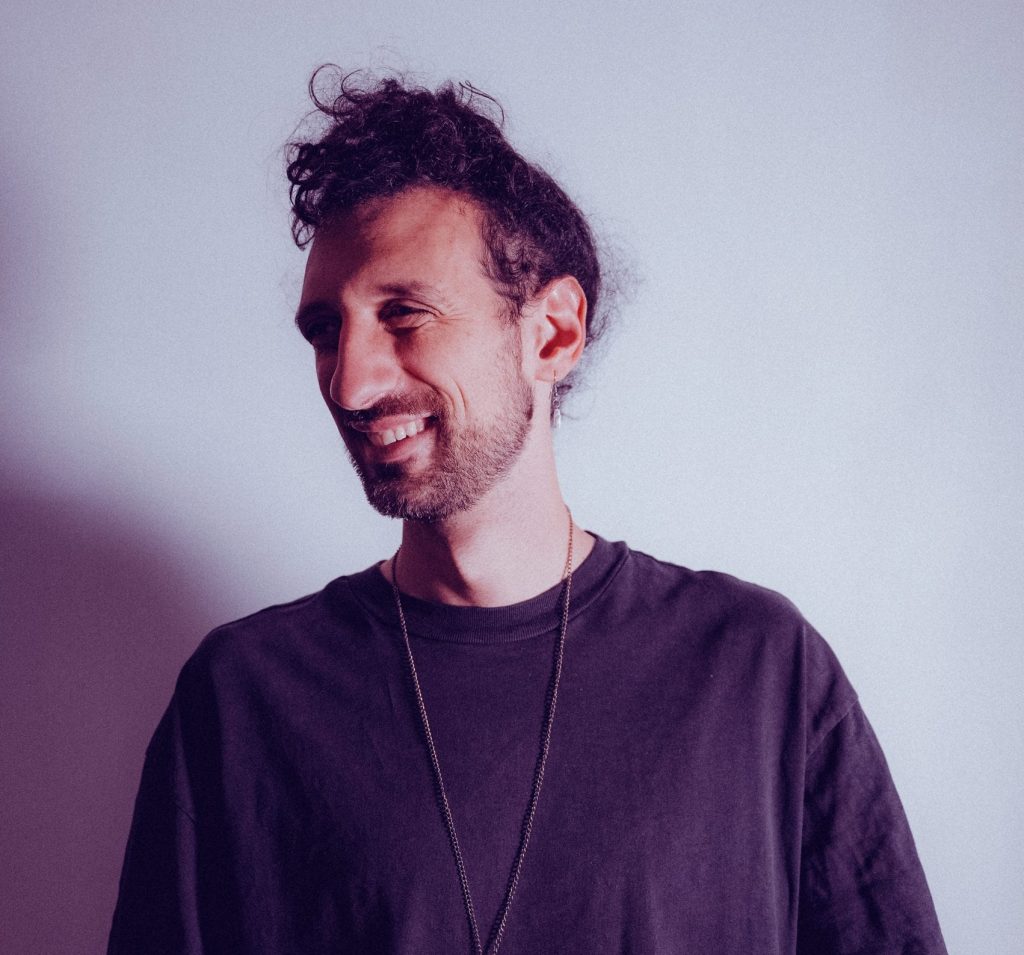
Dave Alcock (@dave.arcade) has spent more than two decades working in the live side of the music business, with a path that started before most people would even know where to look for a first opportunity. He began as a teenager cold-calling a PR agency in Hanover Square at 16, later found a work experience opening while trying to book a DJ online, and worked for free for six months before moving from intern to assistant, tour manager, promoter, and eventually agent.
That kind of route gives him a fairly grounded view of what artist development looks like when it is happening in real time, before the numbers make everything obvious.
Today, Alcock runs Arcade Talent Agency, an independent agency that has held onto its direct artist relationships in a market where many independent agencies have been absorbed into larger companies. He also spent 16 years managing Kerri Chandler, beginning with a press-first strategy that helped reframe Chandler’s historical importance before pushing harder into direct sales conversations.
More recently, Arcade has expanded its role beyond traditional booking by bringing on Simon Dunmore, following his Defected sale, as Head of Artist Development, giving artists more support around legal connections, sample clearances, contract advice, and career planning without turning the agency relationship into a 360-style model.
In the interview below, Alcock breaks down what makes a developing artist feel serious before there is major ticket history behind them. His answers keep coming back to the same idea: an agent can organize and scale demand, but the artist has to build some of that demand first.
From live footage and market data to press materials and local foundations, he explains what makes an artist easier to pitch, where artists often overestimate their readiness, and why community-owned demand is becoming more important than surface-level streaming numbers.
Interview With Dave Alcock
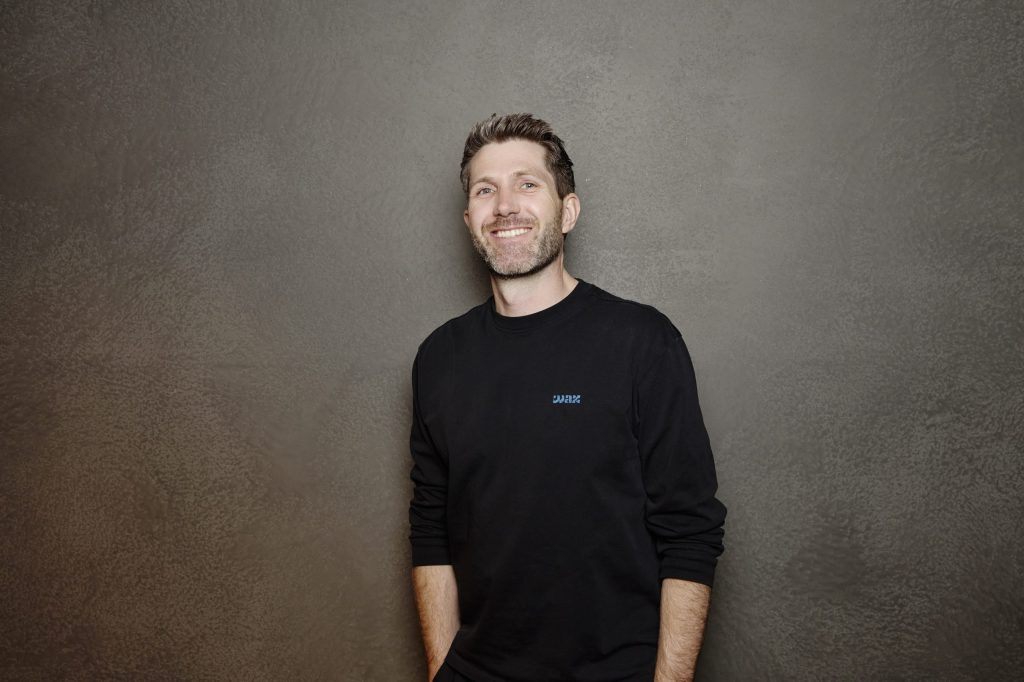
What makes you take a new artist seriously before they have major ticket history?
After more than 20 years in this business and eight years running Arcade Talent Agency, I have learned that ticket history is only one signal, not the entire story.
What gets my attention is momentum that exists independently of the artist’s own opinion: fans showing up consistently, promoters asking for repeat dates, and genuine engagement that translates offline.
I look for professionalism, a clear artistic identity, and evidence that the team can execute.
A developing act that sells out 150-cap rooms repeatedly is often more compelling than one big support slot with no follow-through. Consistency beats hype every time.
What do you look for in their live clips, past shows, and market data?
Live footage tells me whether the audience is participating or merely observing.
I want to see crowd reaction, pacing, command of the room, and whether the artist can create moments that people remember and share.
Past shows should demonstrate growth: better venues, better support, and repeat business in the same markets.
The market data matters too: streaming concentration, social engagement by city, email lists, merchandise sales, and conversion rates.
I am not looking for vanity metrics. I am looking for proof that demand exists in specific places where we can responsibly build a touring strategy.
Where do artists make their live project harder to pitch?
The biggest mistake is presenting an artist as if they are already an arena act when the underlying demand says otherwise.
Agents and promoters need clarity, and confusing branding, inconsistent release schedules, or unrealistic guarantees make things harder immediately.
Another issue is a lack of live assets: poor footage, outdated press materials, or no clear story about why audiences should care right now.
If I have to do detective work to understand the project, it becomes harder to advocate for it. The easier you make it for someone to believe in the opportunity, the easier it is to sell.
How much context should they give you before asking for booking help?
Give enough information that an agent can understand where you are, where you have been, and where you realistically want to go over the next 12 to 18 months.
I want to know your recent show history, team structure, strongest markets, release plans, and what support systems already exist.
Include links to quality live footage, streaming data, and any evidence of audience growth.
Keep it concise but complete. One well-organized overview is far more effective than a dozen scattered messages.
Good context signals professionalism and saves everyone time.
Why do some artists feel ready for an agent before the demand is there?
Many artists understandably see an agent as the person who creates demand, when in reality, an agent is most effective at organizing and scaling demand that already exists.
After two decades in the business, I can say that representation amplifies momentum. It rarely manufactures it from nothing.
Social media attention can also create the impression that touring success will automatically follow, but those audiences do not always convert into ticket buyers.
The artists who succeed long-term usually spend years building local and regional foundations before seeking full representation.
Timing matters, and the right partnership works best when both the artist and the market are ready.

Will Vance is a professional music producer who has been involved in the industry for the better part of a decade and has been the managing editor at Magnetic Magazine since mid-2022. In that time period, he has published thousands of articles on music production, industry think pieces and educational articles about the music industry. Over the last decade as a professional music producer, Will Vance has also ran multiple successful and highly respected record labels in the industry, including Where The Heart Is Records as well as having launched a new label with a focus on community through Magnetic Magazine. When not running these labels or producing his own music, Vance is likely writing for other top industry sites like Waves or the Hyperbits Masterclass or working on his upcoming book on mindfulness in music production. On the rare chance he's not thinking about music production, he's probably running a game of Dungeons and Dragons with his friends which he has been the dungeon master for for many years.