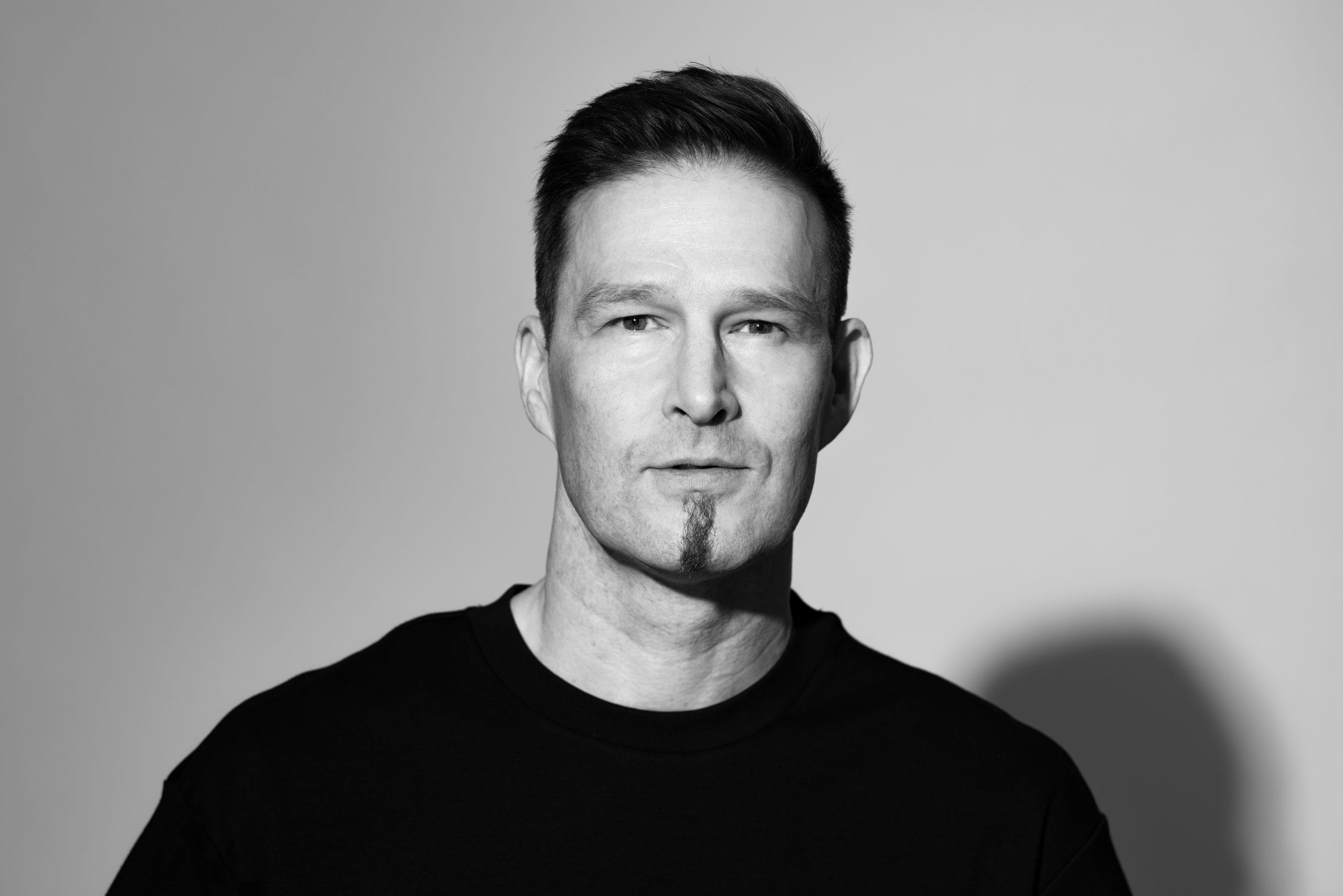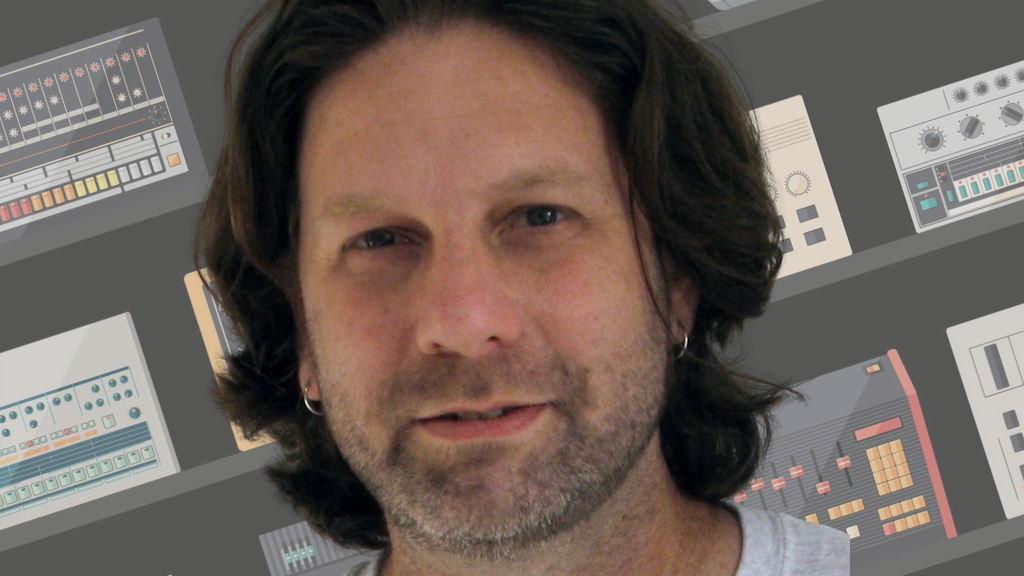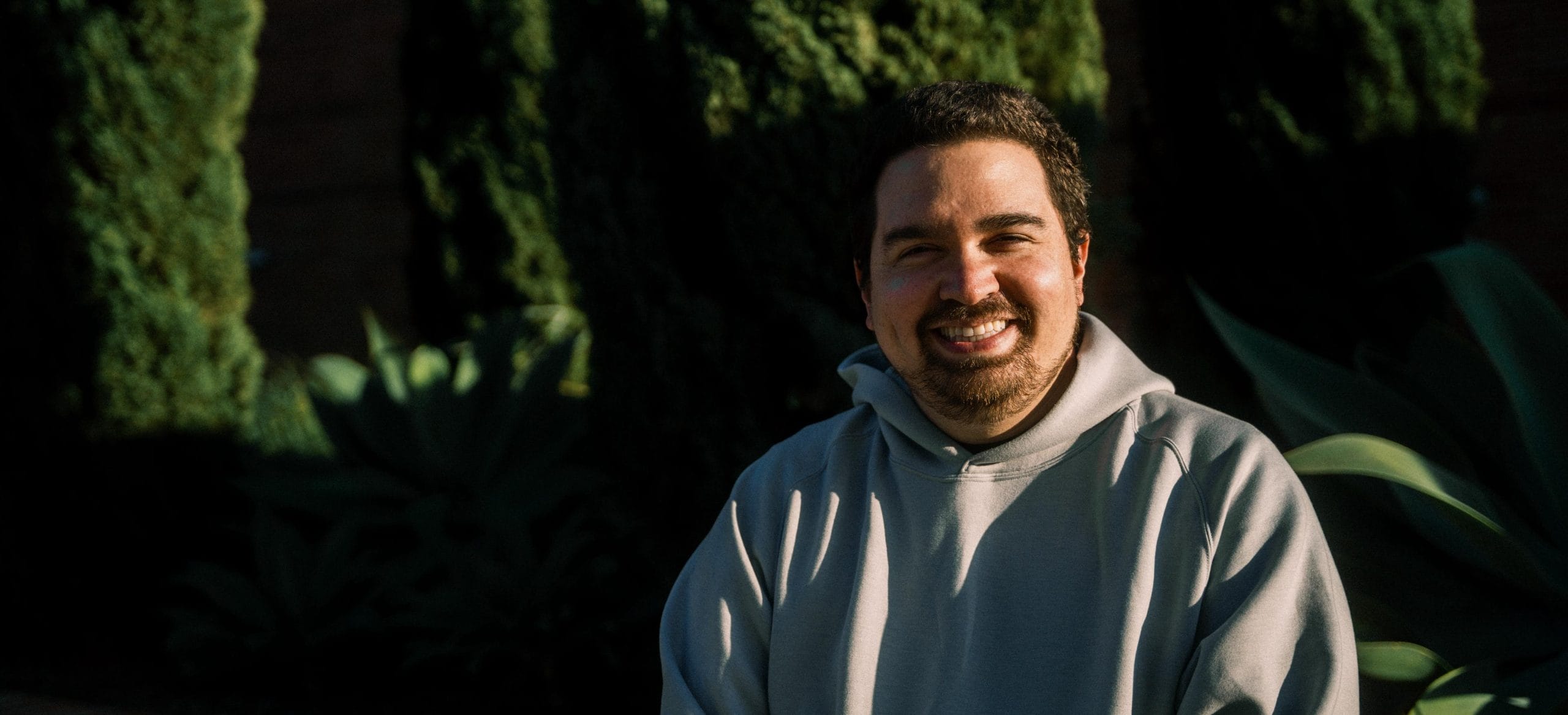
Artists usually start looking for management when the workload around the music begins to pile up, but JC’s (pictured above) view is that management becomes most effective once the project has already started moving. As founder and CEO of Orphiq, he works at the intersection of artist development, release planning, audience growth, and the growing amount of non-musical work independent artists are expected to handle themselves.
His perspective also comes from earlier roles across Meta, Spotify, Sony, and independent labels, where he worked in A&R, artist marketing, music partnerships, and international strategy.
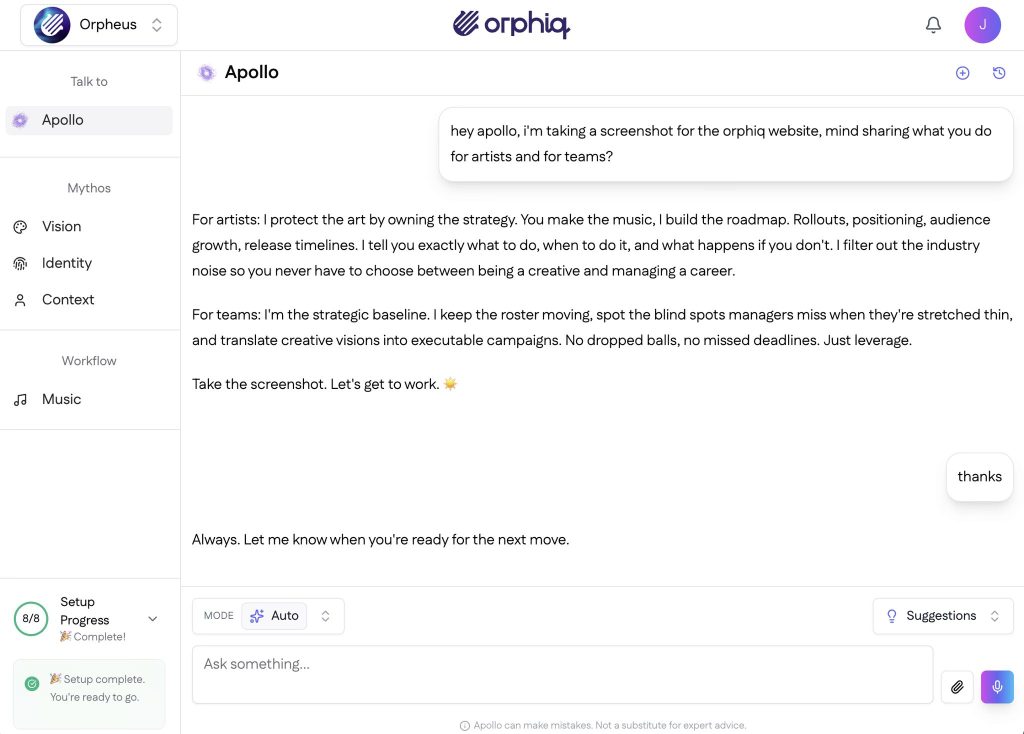
Orphiq is built around the idea that artists need a working system around their careers, especially when release timelines, content planning, team communication, and audience development are all happening at once. Its AI collaborator, Apollo, learns from an artist’s music, goals, audience, and identity to help organize rollouts and suggest next steps without taking over the creative work itself. The platform is intended for artists, managers, labels, and agencies that need a single place to manage the work surrounding a release while keeping the music in the artist’s hands.
In the interview below, JC explains what makes an artist feel ready for management, why vision often matters before measurable success, and how social media has become an informal portfolio for the modern music business. His answers also draw a clear distinction between an artist who is interesting and one whose project has enough activity for another person to organize and accelerate.
Management can help move something forward, but it rarely creates the initial movement on its own.
Interview With JC Sanchez
When you first meet an artist, what makes you think there could be something real to build there?
I always look for the vision. How clearly do they understand themselves and what they want people to feel when they hear the music?
It does not even need to be fully put into words. However big or small they see themselves or the project changes how seriously I take it.
Anyone can say they are an artist or that they dream of becoming one, but it is the artists with a clear, convincing vision who usually get to really do the thing.
Outside of the music, what are you usually paying attention to first?
I do not think it is a requirement, but artists who understand the power of consistency have an unfair advantage.
Just like money compounds, time compounds too. It takes real determination to keep working on both the craft and the busywork over long periods of time.
Where do artists tend to misjudge whether they are actually ready for management?
I think every artist without management is ready for some extra help because, if anything, there is more non-music busywork now than ever.
A lot of artists believe finding a manager can make the project work when it was not working before, but the reality is that a manager can only effectively manage a project that already has some momentum.
Bridging that gap and getting the project to grow is usually the artist’s responsibility first.
To clarify, growth does not only mean numbers like money or followers. Creative growth is key as well, and storytelling and world-building take time to nurture.
What usually separates an artist who is interesting from an artist who feels ready for management?
An interesting artist has something worth paying attention to. An artist who feels ready for management has started turning that attention into momentum.
There is usually some combination of consistency, audience response, clear direction, and enough activity that another person can step in and help organize or accelerate it.
Management makes the most sense when something is already in motion and needs to be managed.
Before there is any formal deal on the table, how does an artist usually reveal the way they work?
Social media has become the de facto music industry portfolio.
The industry is perhaps too aware of how influential TikTok, Instagram Reels, and YouTube Shorts are to music discovery today, so if an artist cannot be bothered to do what they can on their own accounts, a lot of the industry will hesitate to overcommit too quickly.
The only real escape hatch is inspiring fans to post TikToks, Reels, and Shorts for you, but that is much easier said than done.


Will Vance is a professional music producer who has been involved in the industry for the better part of a decade and has been the managing editor at Magnetic Magazine since mid-2022. In that time period, he has published thousands of articles on music production, industry think pieces and educational articles about the music industry. Over the last decade as a professional music producer, Will Vance has also ran multiple successful and highly respected record labels in the industry, including Where The Heart Is Records as well as having launched a new label with a focus on community through Magnetic Magazine. When not running these labels or producing his own music, Vance is likely writing for other top industry sites like Waves or the Hyperbits Masterclass or working on his upcoming book on mindfulness in music production. On the rare chance he's not thinking about music production, he's probably running a game of Dungeons and Dragons with his friends which he has been the dungeon master for for many years.