I think one of the more difficult parts of producing music is knowing when to ask somebody for help and when you need to figure something out yourself. There are plenty of technical problems that another producer, mixing engineer, or mastering engineer might solve in a fraction of the time it would take you, and there’s nothing particularly noble about struggling through something when the answer is readily available.
But when you’re writing music about something you’ve personally experienced, handing over too many decisions can create a different problem. You might end up with a technically impressive record that no longer communicates what you originally wanted to say, which is a concern I’ve spent a lot of time thinking about as a producer.
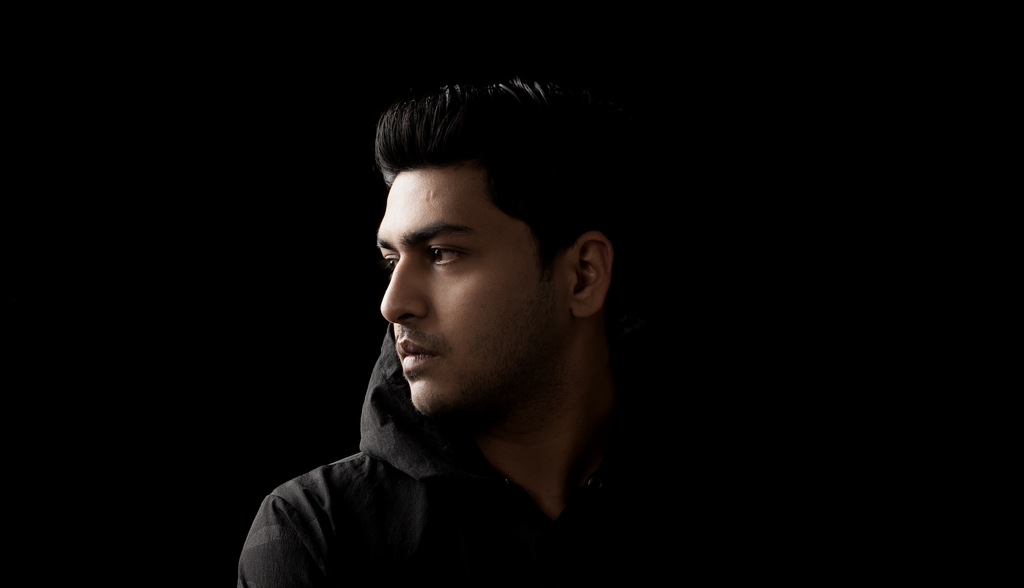
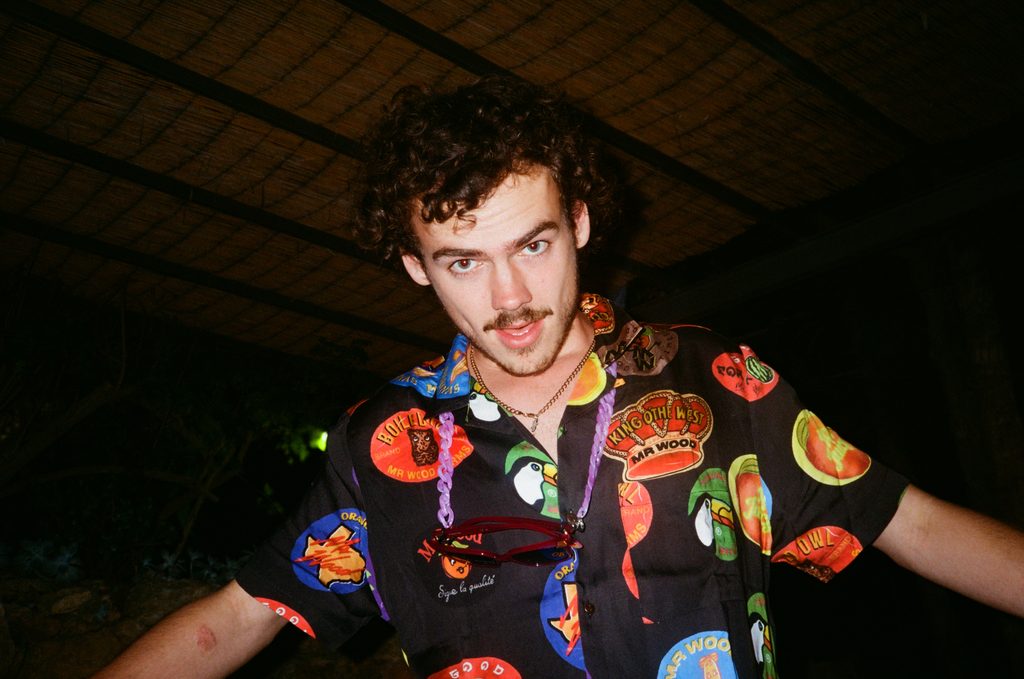
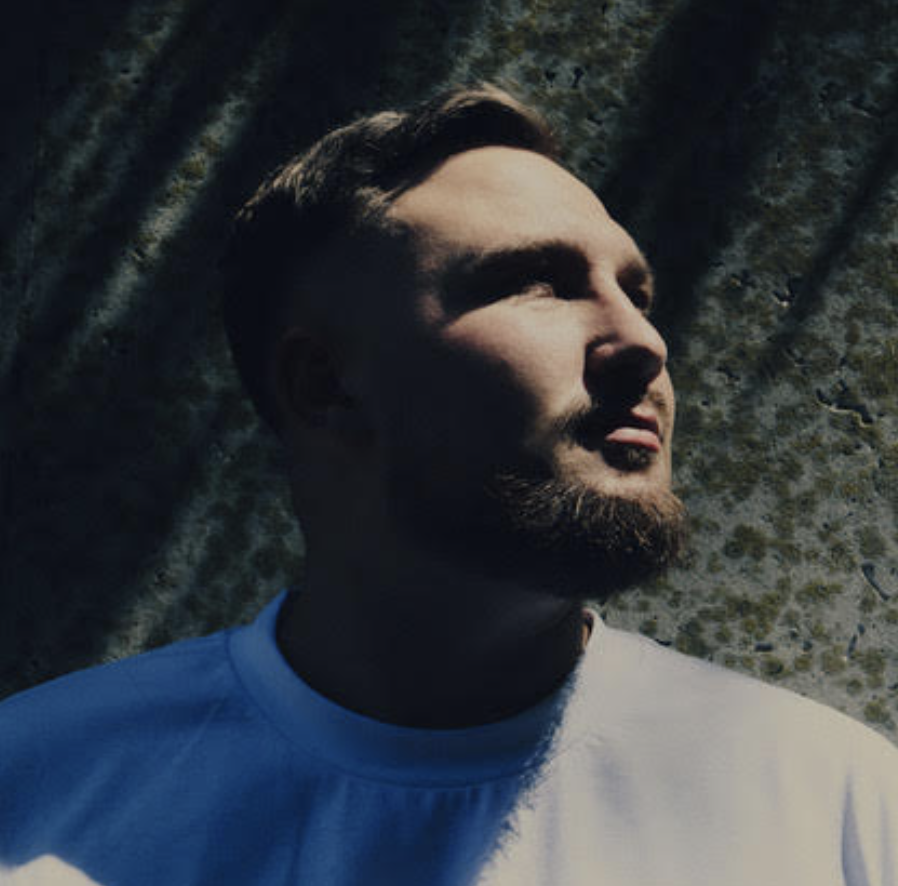
Nau Leone (@nauleone) approaches that distinction from a particularly personal place on his sixteen-track album EGO DEATH, released June 12, 2026, through Be Your Own Studio Label. Written and produced across Madrid, London, and Vancouver throughout 2024 and 2025, the record includes collaborations with Jalja, Just Her, and QARA while moving between melodic house, techno, and experimental electronic music.
Leone connects the album’s development to a difficult period in his life, with the music addressing anger, resilience, self-examination, and the process of beginning again. It’s also his longest album to date, which makes his thoughts about taking time with creative decisions especially relevant given how much material he was working through.
What interested me about this conversation was how consistently Leone returns to the difference between making something technically correct and making something that actually communicates an emotion. He talks about the importance of stepping away from a production before revisiting it, why performing unreleased music can reveal problems that weren’t apparent in the studio, and how producers develop recognizable artistic identities through the decisions they make.
There’s also a fairly direct answer about dealing with outside opinions, which I think is particularly relevant when an artist is working on material connected to difficult personal experiences. His answers offer an interesting perspective on where collaboration can help a record and which decisions an artist might want to keep for themselves.
Interview With Nau Leone
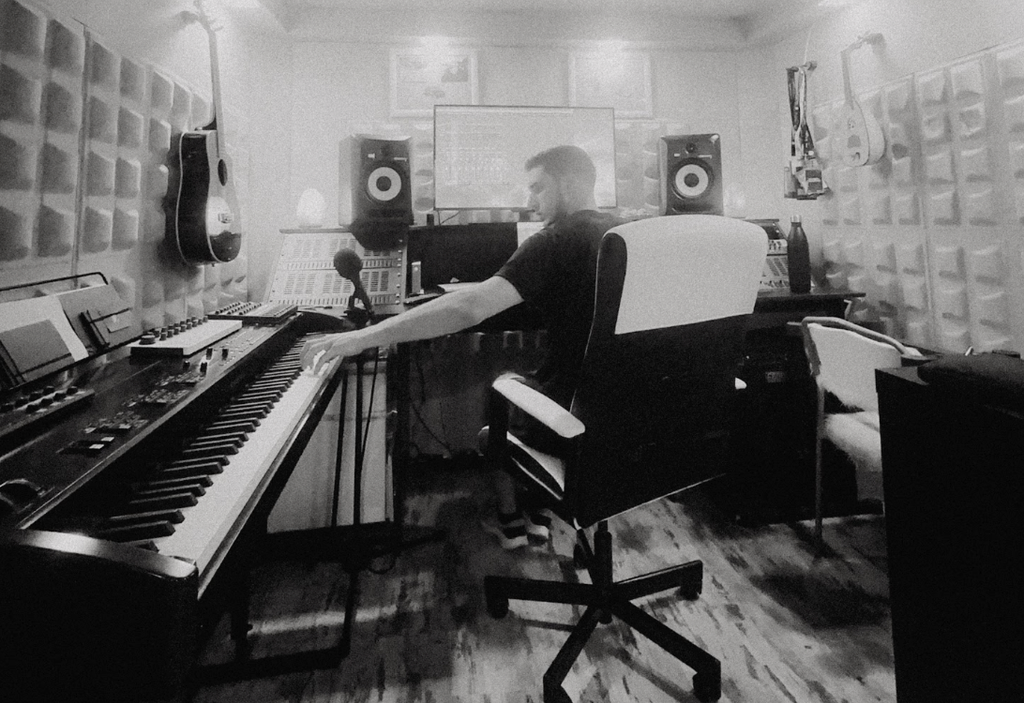
What should artists avoid outsourcing too early if they want the track to stay personal?
When you’re trying to express something personal and dig deep into emotion, I think the last thing you should do is rush the process. You need to trust your instincts, and that usually takes time. Listening to every element of the track, stepping away from it, and coming back with fresh ears can completely change your perspective on what you’re creating.
I’d also say it’s important to understand your strengths and make the most of them, but equally, to recognize your weaknesses and know when to ask for help if you get stuck at any point in the process.
The key, for me, is knowing what to keep in your own hands. You can get help with the technical side of things, but the emotion, the creative decisions, and the identity of the track should always come from you.
Where do playback, performance, and revision still reveal things the screen misses?
To me, at every single stage of the process. Music comes from within. The screen is a great tool to support your creative process, but as I mentioned before, I believe intuition beats everything else.
The more you create, the more you train your ears and develop your ability to understand what’s really happening in a track and where it needs to go. Sometimes you can see everything on a screen, but it’s only when you actually listen and feel the music that you realize what’s working and what isn’t.
I’ve had tracks that sounded perfect in the studio, but playing them live made me realize exactly what was missing.
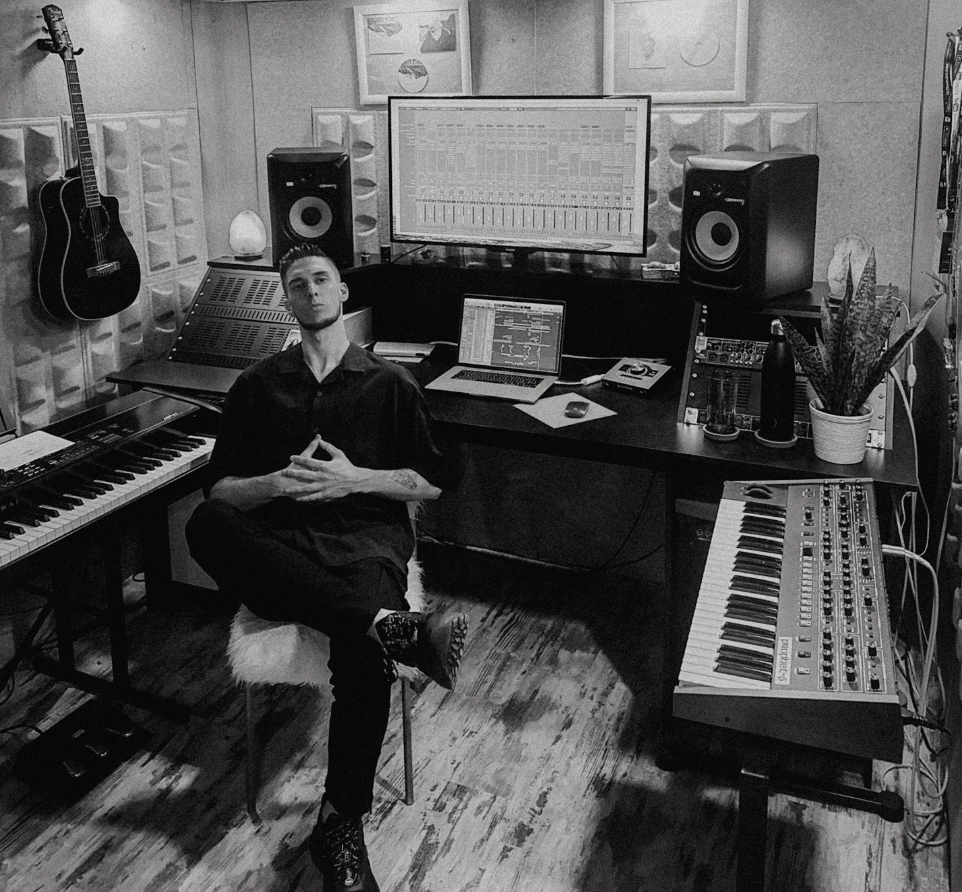
What makes a record feel authored instead of assembled?
Every producer and composer has their own way of using and combining elements to create a unique sound. It could be a particular plugin, a sample, a production technique, lyrics, compositional motifs, or countless other things. I think that’s one of the things that makes a record feel truly authored.
It’s not necessarily about the tools you use, but how you use them and bring all those ideas together. That combination becomes part of your artistic identity, and it’s why we can recognize certain producers almost instantly, regardless of the genre they’re working in.
To me, that’s what makes a record feel personal. You can hear the artist behind it, not just the individual elements that went into making it.
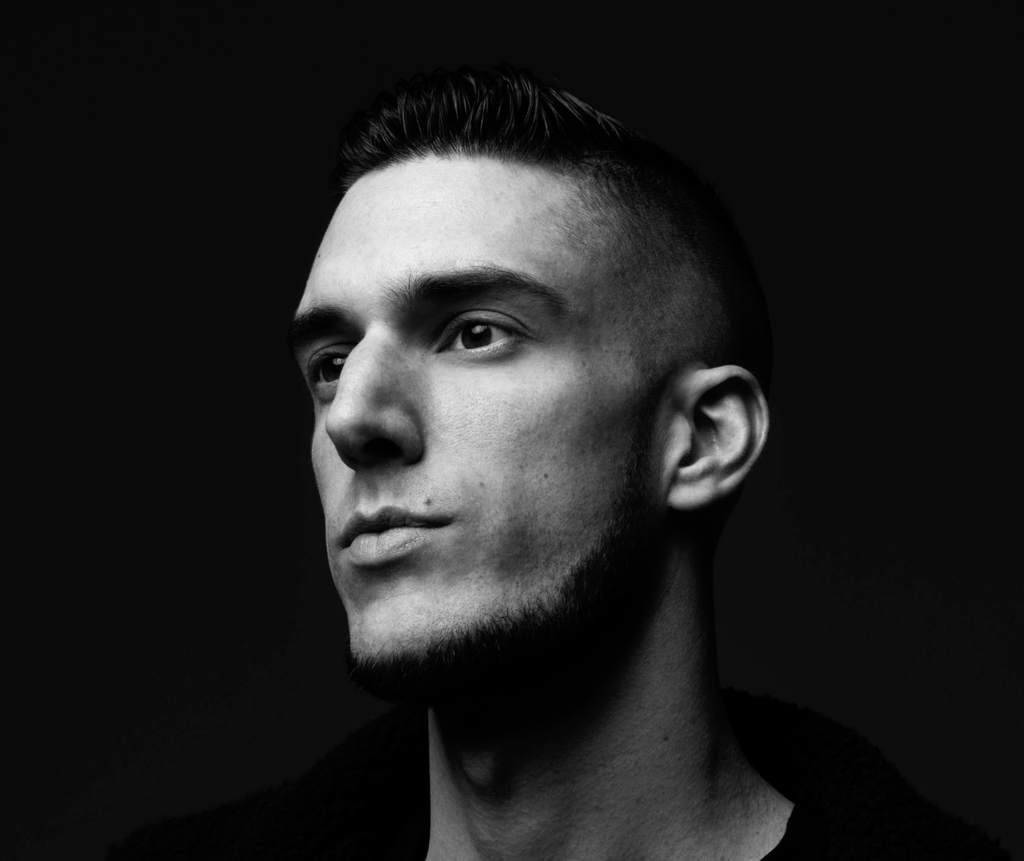
Where can you hear careful decision-making in a finished track?
When people listen to a finished track, most of them focus on one big question: does it sound good or bad to them? Does it sound professional or not?
But as artists and producers, I think we tend to hear a million little details and connections. From the way each instrument interacts with the others to the overall frequency balance, stereo image, arrangements, and structure. There are countless details where you can hear the decisions made throughout the creative process.
But for me, at the end of the day, the most important thing is how the music makes you feel. You can spend endless hours perfecting every technical detail, but ultimately, the emotional impact is what tells you whether a track really works or not.
If artists want the final record to feel personal, what should they protect during the process?
You need to stay focused on the story you want to tell and, honestly, not give a fuck about external opinions or expectations. Follow your own path, trust your instincts, and stay true to yourself.
That doesn’t mean you shouldn’t listen to others. There’s so much to learn from the music that inspires you and from the artists and professionals you genuinely admire. Take what resonates with you, incorporate it into your own creative process, and use it to bring your vision to life.
At the end of the day, it’s about making something that feels honest to who you are, rather than what others expect you to create.
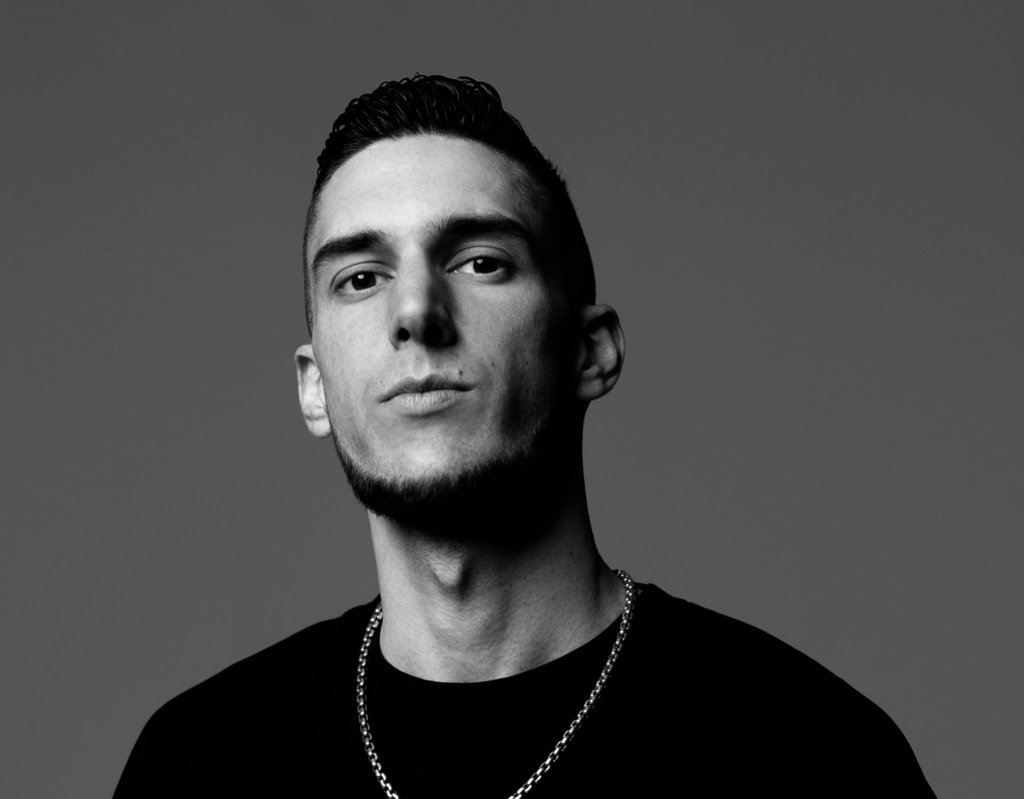
Final Thoughts From The Editor
What I keep coming back to in Leone’s answers is his distinction between getting help with the technical aspects of producing a record and letting somebody else decide what that record should communicate. I think those are two very different decisions, although it’s surprisingly easy to confuse them when you’re spending hours trying to get a production finished.
A producer might need someone to help address low-frequency problems, improve vocal processing, or prepare a record for distribution, but that doesn’t necessarily mean the person providing that assistance should decide how the arrangement develops or which emotional moments deserve attention. Leone seems comfortable acknowledging that he has weaknesses and that another person might be able to help him address them. What he wants to retain is responsibility for the decisions that make the music identifiable as his own.
There’s a connection here to my interview with Enrico Rosica about playback, performance, and revision, particularly the idea that a record can sound finished in the studio and still reveal problems when it’s played somewhere else. Rosica explained that he tests early versions of his productions during performances because hearing how they function on a dancefloor gives him information that he cannot get from working on the arrangement alone. Leone describes a similar experience, though he emphasizes building enough confidence in his ears and intuition to understand what the music needs.
I’ve found that stepping away from the studio monitors can help for this exact reason.
You can become so familiar with a session that you start concentrating on individual production details instead of hearing how the entire composition works, and a different listening environment can help you identify what needs attention.
I also think there’s an important distinction between asking for feedback and allowing that feedback to determine the direction of the music. In my conversation with Sam Perricone about returning to his New Wing project, he talked about moving away from outside validation and becoming more confident in his own musical preferences. One of his observations concerned the value of listening to a small group of trusted people without letting everybody else’s opinions influence the project’s direction.
Leone takes a particularly direct position on this, and while his wording is considerably less diplomatic, I think the underlying idea is reasonable. You can respect another producer’s experience, consider their recommendations, and still decide that a particular change would take the music somewhere you don’t want it to go.
In our interview with Dave Leck about finishing records and developing his own sound, he discussed learning to recognize when a composition had communicated what he intended and when there were still details that needed attention. It’s a related way of approaching the question Leone raises, because deciding whether something is finished requires confidence in your own judgment, especially when there are always additional adjustments you could make.
The important consideration is whether those contributions support the idea you want to communicate and whether you’re still making the decisions that determine the finished result.
Leone’s experience with EGO DEATH is a particularly personal example of that approach, but the principle applies to producers working on almost any kind of music. Getting better at producing records involves developing your technical abilities, but it also involves learning to recognize when a decision actually serves the music and when you’re making it because somebody else expects you to.

Will Vance is a professional music producer who has been involved in the industry for the better part of a decade and has been the managing editor at Magnetic Magazine since mid-2022. In that time period, he has published thousands of articles on music production, industry think pieces and educational articles about the music industry. Over the last decade as a professional music producer, Will Vance has also ran multiple successful and highly respected record labels in the industry, including Where The Heart Is Records as well as having launched a new label with a focus on community through Magnetic Magazine. When not running these labels or producing his own music, Vance is likely writing for other top industry sites like Waves or the Hyperbits Masterclass or working on his upcoming book on mindfulness in music production. On the rare chance he's not thinking about music production, he's probably running a game of Dungeons and Dragons with his friends which he has been the dungeon master for for many years.