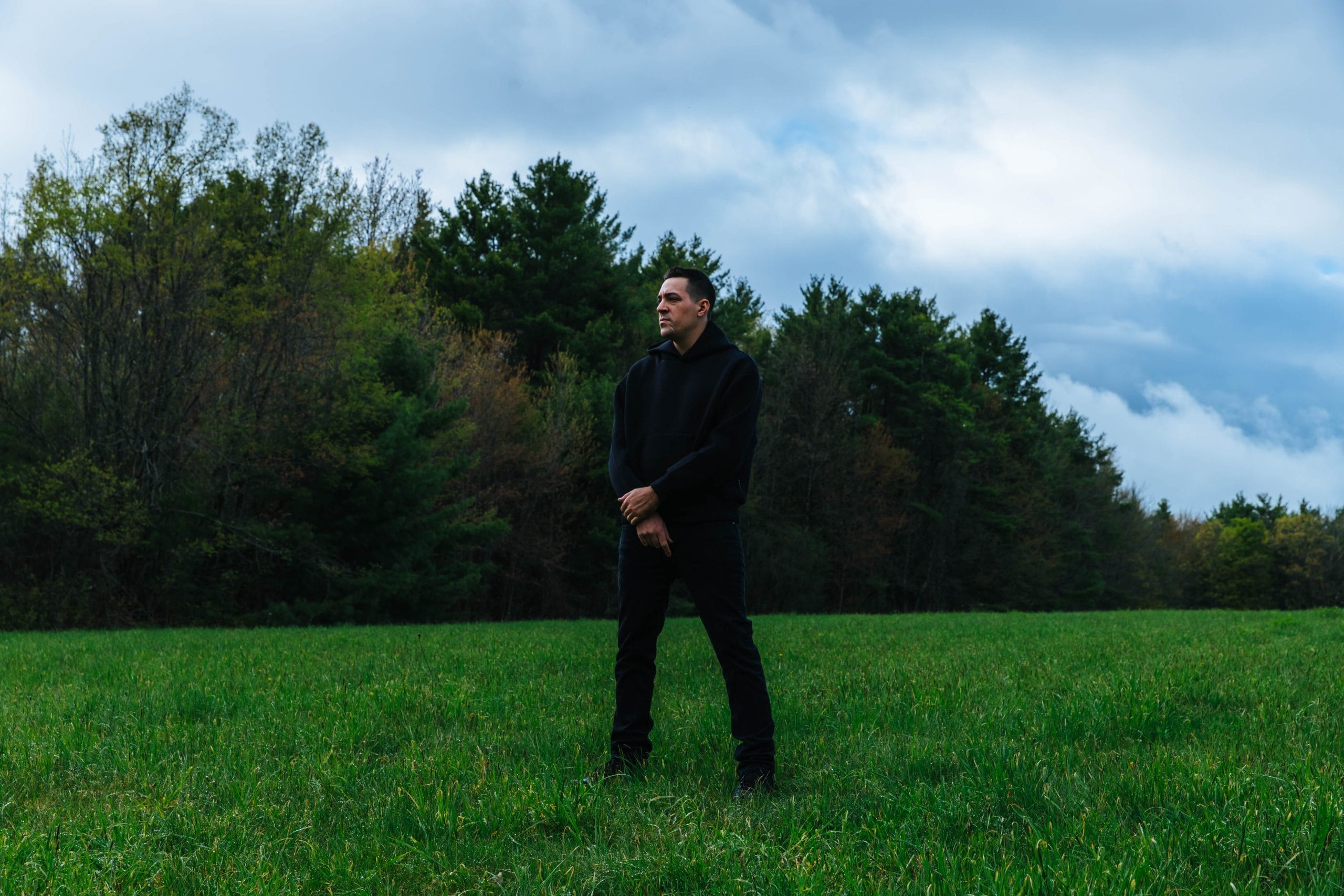
There is a specific kind of record that only tells you the truth once it leaves the studio.
You can spend hours inside the session, tighten every transition, convince yourself the arrangement is moving the way it should, and still miss the answer because the screen cannot give you the same information as a room full of bodies. Enrico Rosica (@enricorosica) seems comfortable with that uncertainty, which makes sense for a producer whose answers keep returning to playback, performance, revision, and the dancefloor as the place where an idea either proves itself or asks to be rewritten.
No More brings him into Magnetic Magazine Recordings alongside Timo Maas and Ivye and you can snag it on Beatport here
The release arrives in two forms: a Vocal Mix and Enrico Rosica Dub Mix, both sitting in progressive house territory and both built around a shared identity rather than a single static version of the idea. That detail are pretty damn important here because Rosica talks about versions as different facets of the same artistic thought, with recurring sounds and a coherent composition holding the project together even as the mood shifts.
The interview below is short, but it gets at something producers tend to understand only after they have over-edited enough records to know the danger. Authorship is not only about doing everything alone, and detail is not only about adding more.
]For Rosica, a track stays personal when it keeps its identity while moving, changing, reacting to the vocal, responding to the room, and carrying enough passion in the details that it feels written rather than assembled.
Interview With Enrico Rosica
What should artists avoid outsourcing too early if they want the track to stay personal?
I believe there is no hard and fast rule regarding this aspect.
I believe that every artist should be able to convey their thoughts in their own way, through their sound, as long as there is always a real progression and evolution in the writing of the song, which starts in one way, grows and changes as it evolves, without ever losing its identity.

Where do playback, performance, and revision still reveal things the screen misses?
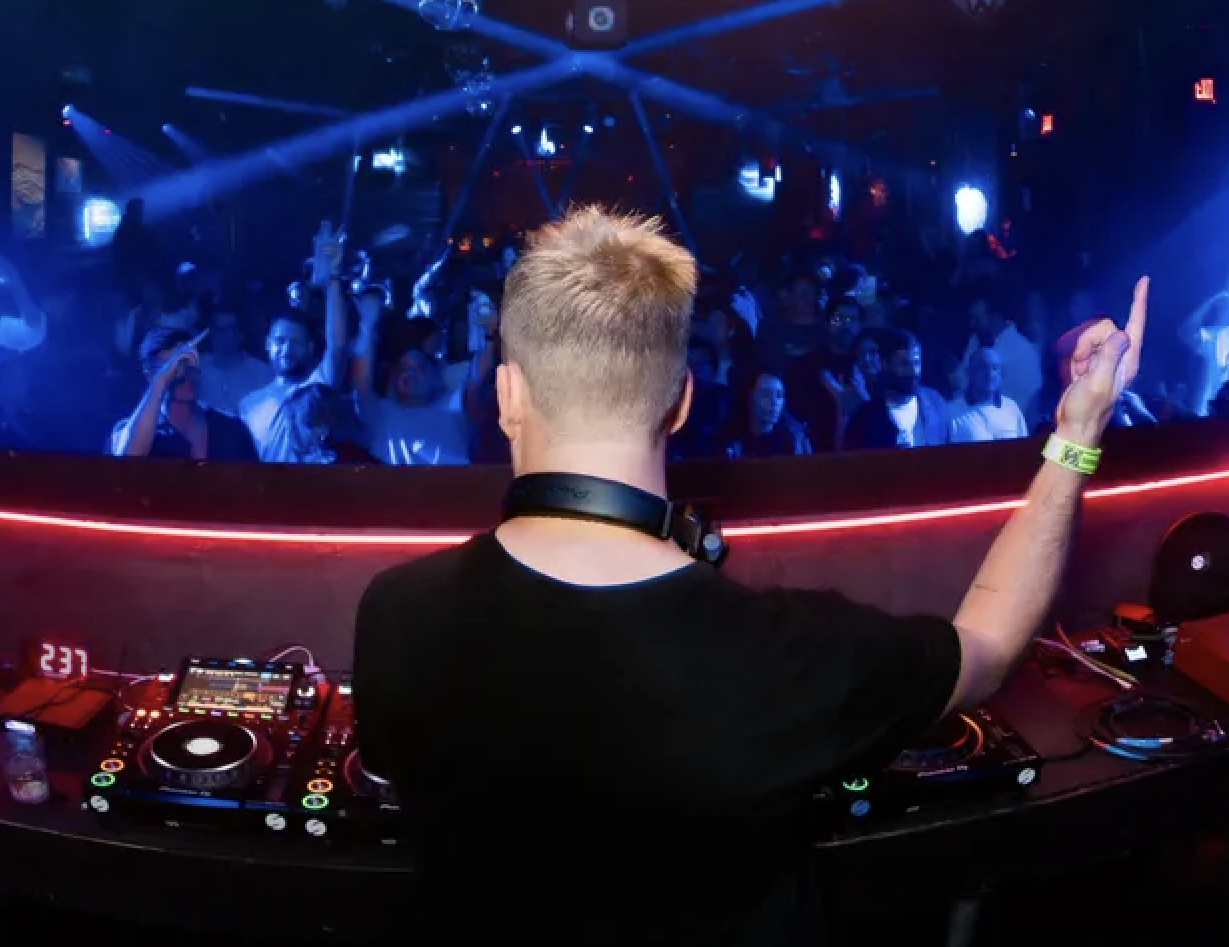
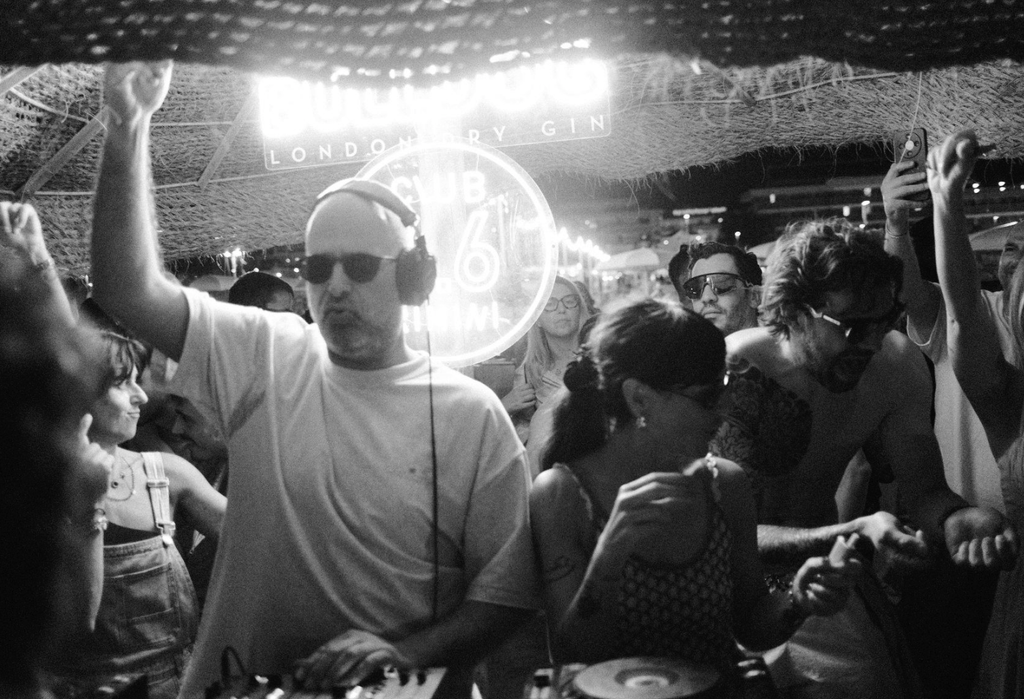
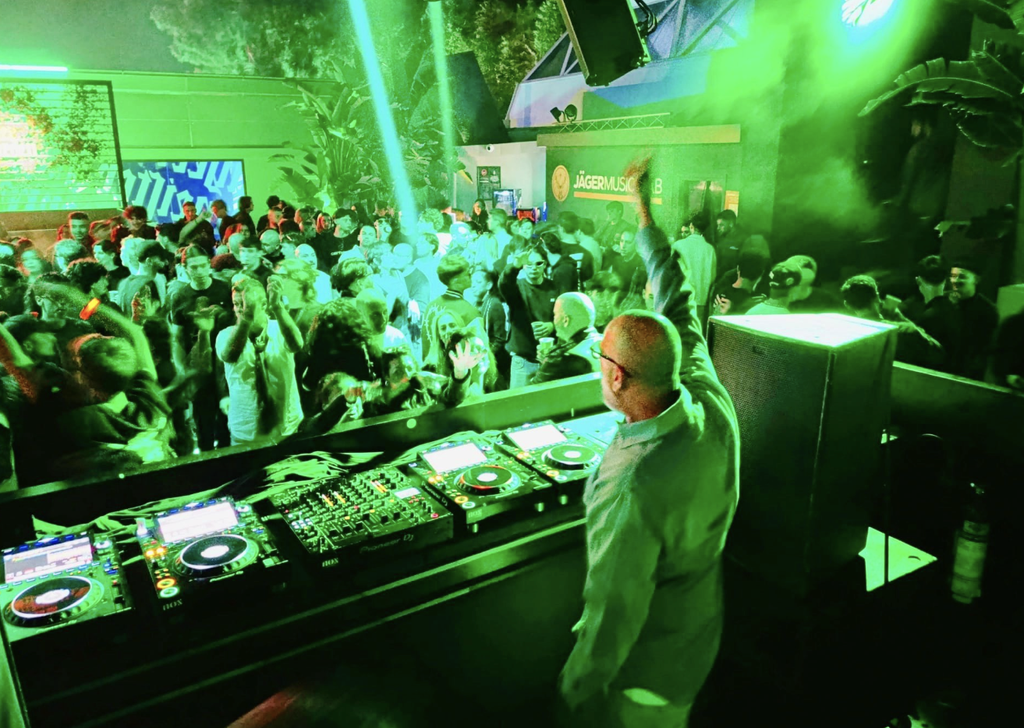
In my case, it’s definitely the dancefloor that has its say. After the first draft and a good pre-master, I always play the songs during my performances. The audience and the dancefloor are definitely the best judges of whether the idea really works.
What makes a record feel authored instead of assembled?
Nowadays we are all good at putting together, but I believe that the real difference that allows a track to emerge is essentially based on the passion we transmit and the attention to detail.
Where can you hear careful decision-making in a finished track?
I believe that every song and every project has its own life. Even in this case there is no written rule. Just think that “No More” Vocal Mix was born from a song that had a completely different tone, but after a conversation with Iyve, everything changed. Her voice inspired me and brought me here.
If artists want the final record to feel personal, what should they protect during the process?
I believe that a good project is one when all the versions express the different facets of the producer’s artistic thought, while maintaining a connection between them through some recurring sounds and a coherent composition.
Closing Thoughts
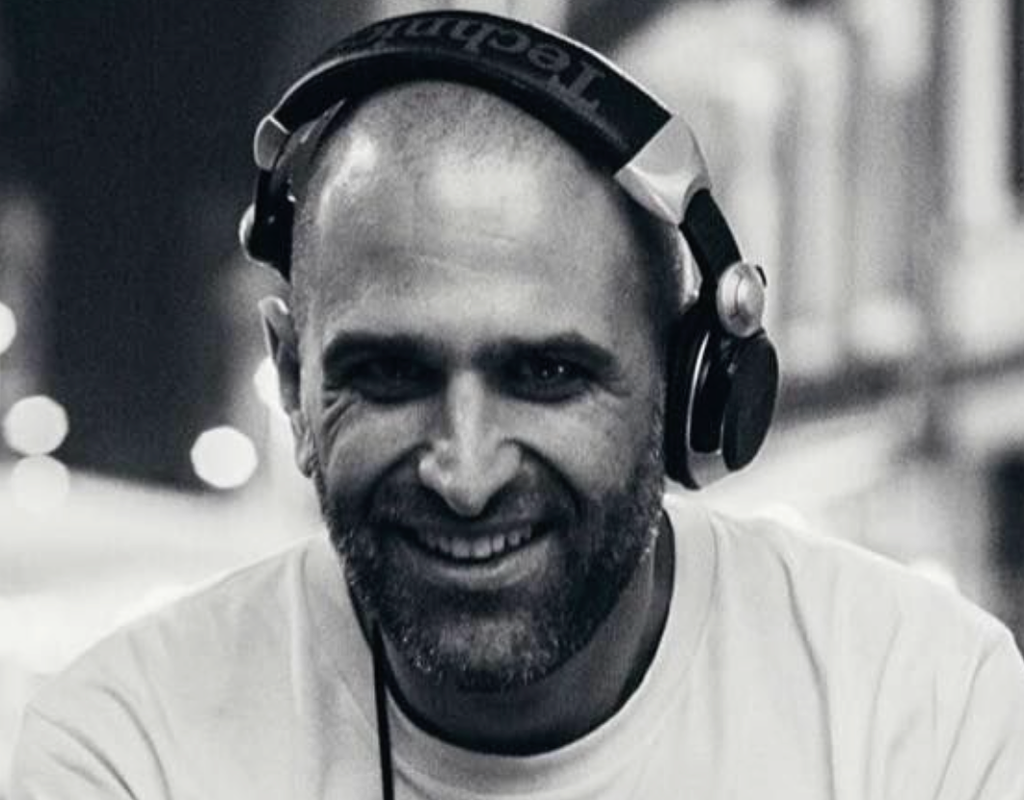
The best part of Enrico’s answers is that he does not pretend there is one fixed rule for keeping a record personal. That feels closer to how records actually get made, because sometimes the personal decision is holding onto the first idea, sometimes it is letting another voice change the whole emotional direction, and sometimes it is building multiple versions so the project can show more than one side of itself.
That makes No More a natural fit on Magnetic Magazine Recordings after Max Porcelli’s return to the label with “Jaguar”. That release carried its own history with the label, while No More brings Enrico Rosica, Timo Maas, and Iyve into the catalog with a record that seems to have changed course once the vocal became part of the conversation. In both cases, the label context matters because the record is not only a track in isolation; it is part of a growing catalog with a defined melodic and progressive identity.
There is also a big connection to Enzo Vood’s interview on “Self-Actualization” and DJ pacing. Enzo talked about preparing a night while still letting the room speak back, and Enrico is describing the studio version of that same instinct. A draft can feel right at home and still need the floor to test whether the tension, timing, and emotional read are actually landing.
That dancefloor feedback point is probably the center of the piece. Producers can get very good at solving problems inside the DAW, but the screen rewards different things than a room does. It can make a record look organized before it feels alive, and Enrico’s habit of playing drafts during performances gives the track a second kind of scrutiny, one that is less polite and usually more honest.
His answer about Iyve also gives the release its more human turn. “No More” Vocal Mix began from a song with a different tone, then shifted after a conversation and the arrival of her voice. That kind of change is where collaboration becomes more than a feature credit.
The record starts answering back, and the producer has to decide whether to protect the original plan or follow the version that now feels more alive.
The broader takeaway is that Enrico sees authorship as something that survives change.
A record can evolve, shift tone, split into mixes, respond to a vocal, and get tested on the floor without losing itself, as long as the producer keeps protecting the identity underneath it. That is the part worth holding onto with No More: the finished release feels less like a single decision frozen in place and more like a record that kept listening until it found the version it needed.

Will Vance is a professional music producer who has been involved in the industry for the better part of a decade and has been the managing editor at Magnetic Magazine since mid-2022. In that time period, he has published thousands of articles on music production, industry think pieces and educational articles about the music industry. Over the last decade as a professional music producer, Will Vance has also ran multiple successful and highly respected record labels in the industry, including Where The Heart Is Records as well as having launched a new label with a focus on community through Magnetic Magazine. When not running these labels or producing his own music, Vance is likely writing for other top industry sites like Waves or the Hyperbits Masterclass or working on his upcoming book on mindfulness in music production. On the rare chance he's not thinking about music production, he's probably running a game of Dungeons and Dragons with his friends which he has been the dungeon master for for many years.