I think one of the most valuable things an experienced producer can teach somebody is how to approach a problem they haven’t encountered before. Plenty of tutorials explain how to program drums, work with samples, or get a particular synthesizer to behave the way you want it to, but knowing which buttons to press doesn’t necessarily give you the confidence to experiment without someone explaining every decision.
I’ve found that working alongside another producer can change how you approach making music in ways that are difficult to recognize until much later. Sometimes the advice that stays with you has very little to do with a specific production technique, which is something Woody Cook learned through his relationship with UK garage pioneer Zed Bias.
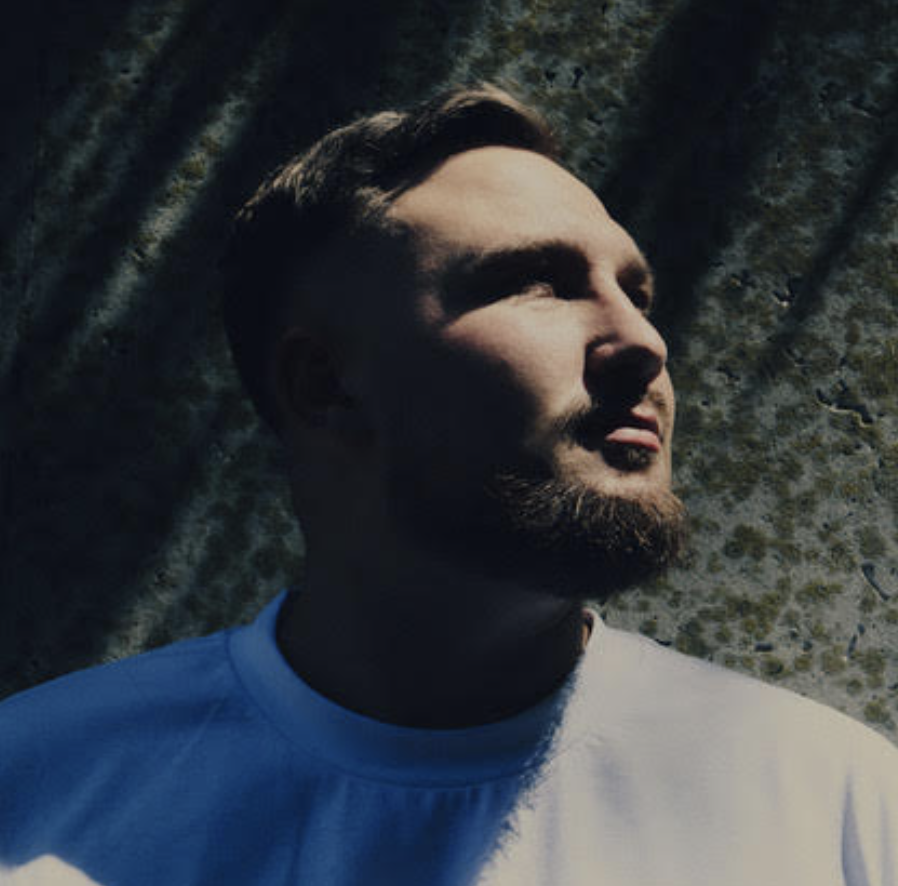
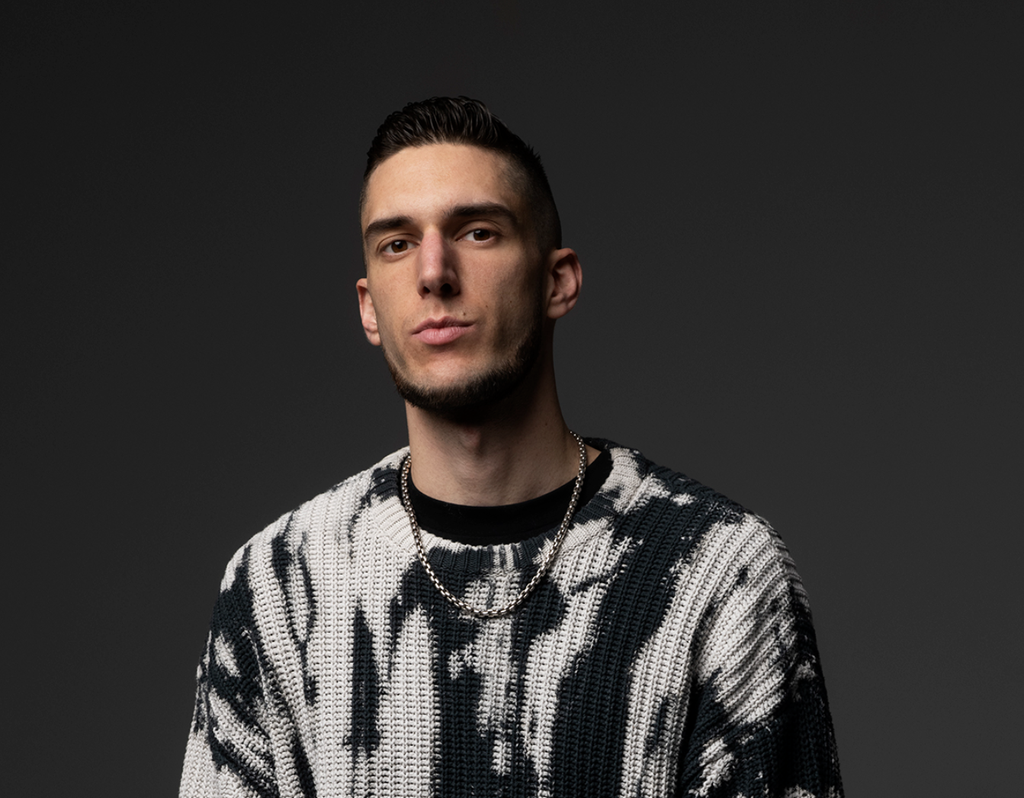
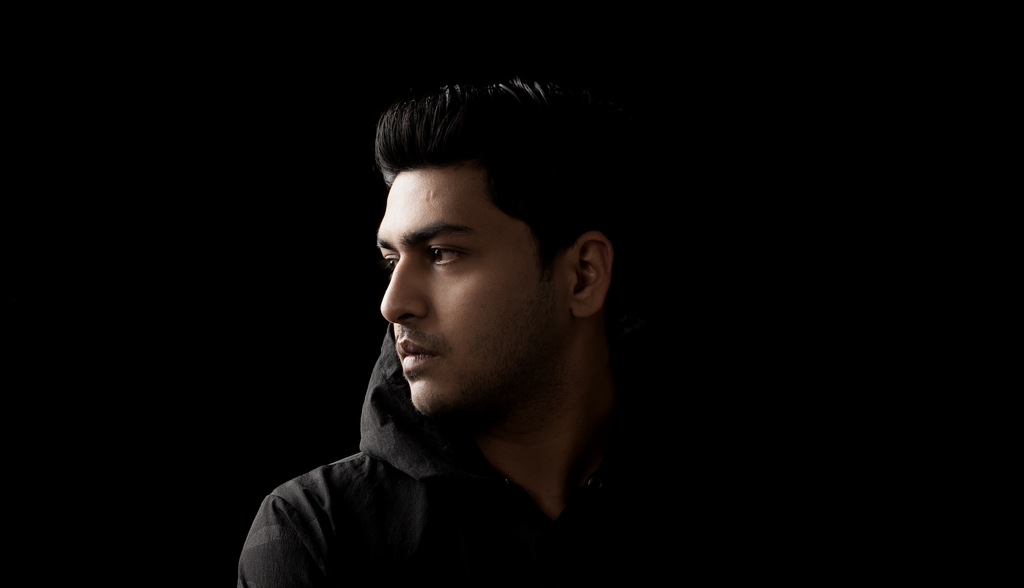
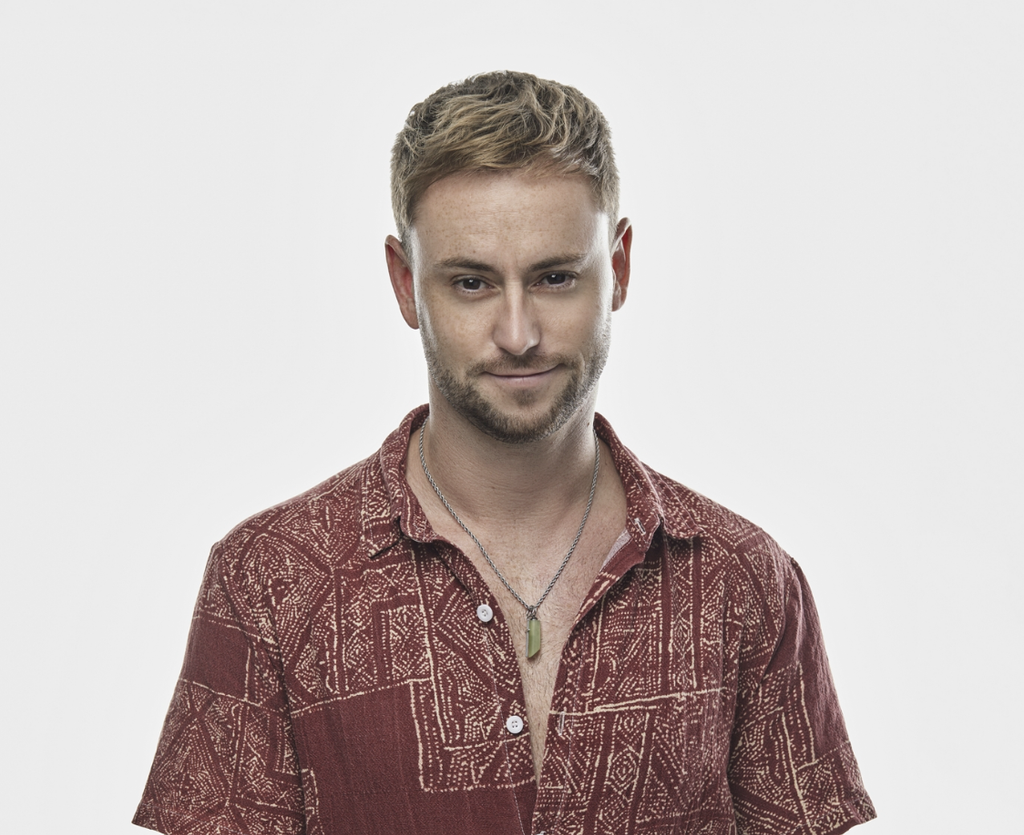
Woody Cook (@woody_cook) has spent the past few years developing his career as a DJ and producer, performing at venues and festivals including Hï Ibiza, Ministry of Sound, Snowbombing, and Glastonbury’s Arcadia. His latest single, “Afters,” arrived October 16 on his own Truth Tribe label and brings him together with Zed Bias, whose influence on UK garage includes his 2000 release “Neighbourhood.”
The collaboration also features Jonny Dutch of The Manor and Bristol-based vocalist Aloka, combining UK garage production with reggae and dub influences, new horn recordings, and vocal contributions from the participating artists. Cook and Zed Bias began their relationship years before the release, spending time working together in Manchester that eventually led to back-to-back DJ sets at Glastonbury and a Lab 54 party in a converted church in Brighton.
What interested me about this conversation was how Cook describes learning from someone whose records helped establish the genre he now works in. He talks about Zed Bias giving him access to new production techniques while encouraging him to experiment with equipment he didn’t know how to use, and how “Afters” changed from an initial jungle idea into the garage record they eventually released.
There’s also an interesting discussion of his plans for Truth Tribe, particularly his decision to help developing artists through events, affordable music videos, and industry relationships instead of focusing entirely on conventional record deals. Cook has specific ideas about what he wants the label to accomplish, though he also seems equally interested in seeing what happens when people are given the chance to figure things out for themselves.
Interview With Woody Cook

1. Afters was born from your back-to-back set with Zed Bias at Glastonbury and the roving party at the phenomenal Lab 54. What was the moment that convinced you to turn that chemistry into a record?
I actually started making music with Zed Bias a few years ago at his studio in Manchester, and there was just something magic about it.
The way he’d introduce me to samples, different techniques and new approaches to making music was so inspiring. It was an essential point in my development as a producer.
The idea that I could work with him was something I’d never really considered. I didn’t even think he’d want to work with me!
Then, after we played some back-to-back sets together, it became clear that the chemistry really worked. It was a no-brainer, and things naturally progressed from there. It just had to happen.
It’s one of those things where you get along with someone really well personally, and then you discover that you click musically too. It’s brilliant because you can meet amazing artists but not necessarily connect with them as people.
I love going for a pint with Zed, so making a tune together just seemed like the right thing to do.

2. You’ve described Zed Bias as a mentor. What’s the most valuable lesson he’s taught you about UK garage and finding your own identity within the genre?
I’d say Zed is definitely a powerful mentor.
I’d liken him to somewhere between Yoda and the Godfather because he’s got this incredible energy and aura about him, but he’s also very wise. Sometimes he’s a bit like Mr Miyagi too. He lets me learn the lesson rather than simply explaining it to me.
He’s given me so many tools along the way. Different software, production techniques, sample packs, ways of finding sounds and approaches to making breaks.
But I think the biggest thing I’ve taken from him is his attitude and drive.
I’d say something like, “I don’t think I can use analogue synths. I don’t know how to use them yet.”
And he’d just say, “Just do it! Get in there. Anyone can do it.”
I think that’s the most valuable lesson. It’s about having the confidence to get stuck in and figure things out as you go.
I couldn’t really pinpoint one specific technique or piece of advice. It’s more about the overall attitude towards making music that he’s helped me develop.
3. Afters brings together UK garage, reggae and distinct styles with Johnny Dutch and Aloka. How did these influences and personalities shape the finished track?
When we started making Afters, it all began with a lyric I’d written: “This one’s for the Afters.”
It was very much inspired by UK garage. You know, those classic lines like “This one’s for the heads out there”, that kind of call to arms for the audience.
The afterparty itself is something I’ve always loved. There are some amazing tunes by The Manor that I’ve been playing at my own afterparties for ages.
So when I got the opportunity to work with Johnny Dutch from The Manor, I thought about how much I loved those records, how they felt when everyone was partying and the energy they brought to the room.
The moment I realised I could work with Johnny, I knew that was the direction I wanted to take.
He then wrote the other lyrics, “The system has failed us, but sound still lives on forever”, which sit over the more dub-influenced sections.
I’d say those dub elements definitely come from me. I absolutely love reggae and dub.
I originally sampled some horns, but we eventually ended up recording completely new ones instead. They’re beautiful, and the way they lift the track is incredible.
I think that’s part of the magic of reggae and dub. The real instruments bring something special to the music.
Then Aloka brought these beautiful backing vocals and her incredibly soulful voice, which added another dimension to the whole thing.
I originally started the track as a jungle tune, but as I worked on it with Zed Bias, it gradually transformed into garage.
So you’ve got the garage influence, the punch and the bass from Zed. You’ve got the dub elements and some of the lyrical ideas from me. Then there’s Johnny bringing more lyrical ideas and some serious soul, with Aloka adding that final sprinkling of magic on top.
That’s really how all those different influences and personalities came together.
4. After playing everywhere from Hï Ibiza to Glastonbury and Arcadia, how do those different dancefloors influence the music you now want to create as a producer?
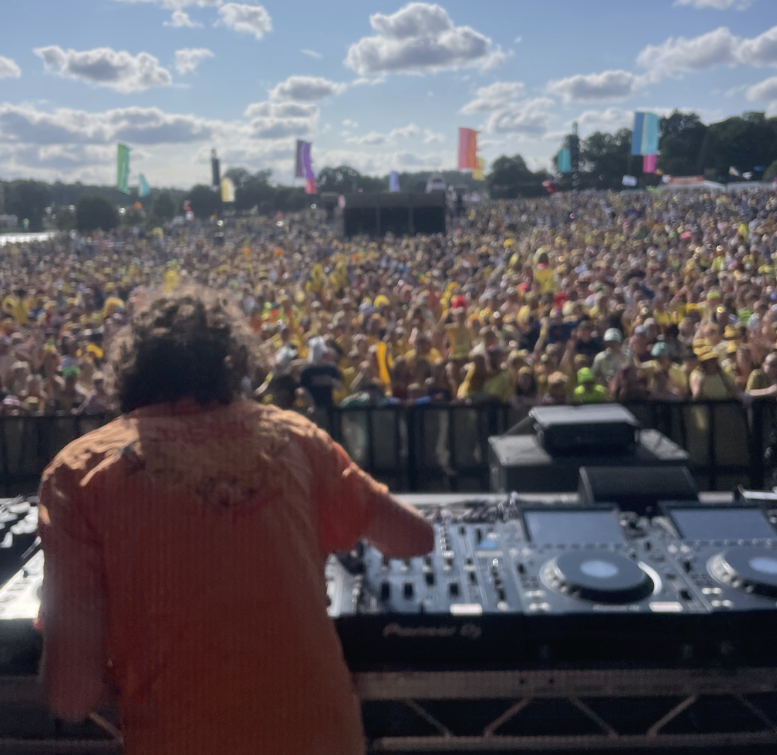
I’d say the more I DJ around the world and experience different dancefloors, the more I want to make music that genuinely stands out.
When you’re constantly listening to new music, a lot of it can start to blur into one.
But every now and then, I’ll hear a tune and think, “Wow, that is amazing!” It immediately stands apart from everything else.
Some records have incredible longevity simply because they’re a little bit different.
Travelling and playing in different places has made me realise how important it is to find that balance between creating something unique and making something that works on the dancefloor.
Because if you go too far in one direction and make something that’s completely out there, it might not get played.
So there’s this constant balancing act. You’re trying to create something with enough oomph to really work on a dancefloor, but also something distinctive enough that people walk away thinking, “What was that? That was a banger!”
That’s the kind of music I want to make.

5. With Afters arriving on your own Truth Tribe label, what is the long-term vision for the imprint and the role you want to have in the future of UK dance music?
I’d describe Truth Tribe as a bit of a springboard label, or maybe even a spider’s web.
We want to act as a connecting point for up-and-coming producers and artists rather than following the traditional all-in-one record label model.
It’s about bringing people together and helping them get started, whether that’s through affordable music videos, events or other opportunities, rather than tying them into some huge deal.
There’s actually one condition that every artist signs up to.
If they become the next Taylor Swift, or whoever, they still have to come back and play our festival!
That’s the one stipulation. If you become the biggest star in the world, you can’t forget about our festival or our gigs. You’ve still got to come back and play now and then.
As for where we want to go moving forward, our motto is “Find your truth, find your tribe.”
It’s about encouraging people to get out there and connect with one another.
Music is the great uniter, and we want to use it as a platform to bring people together, create communities and help people find their friends.
In terms of the actual sound, I think we’re looking at a blend of real instruments, perhaps a bit of a conscious message, and an approach that encourages people to do things differently.
It probably all sounds like nonsense when I try to explain it, but all I can really say is watch and see!
It’s very much about doing things yourself, learning as you go and not feeling pressured to conform.
Instead, try to explore and develop the things that make you who you are.
Find your truth, find your tribe.
About Woody Cook And Zed Bias’ Afters
Released October 16, 2026, through Truth Tribe, “Afters” brings together Woody Cook and Zed Bias alongside vocalist Aloka and Jonny Dutch, a founding member of The Manor. The collaboration developed through several years of working together, including sessions in Zed Bias’ Manchester studio and subsequent DJ appearances that helped the pair establish their musical relationship.
The record began as a jungle production before developing into UK garage, with Cook contributing reggae and dub influences and Zed Bias handling much of the garage production. Cook also explains that the original horn samples were replaced with newly recorded instrumental parts, while Dutch contributed lyrics and Aloka provided backing vocals. Those decisions are particularly relevant to the conversation because they demonstrate how the record changed as each collaborator became involved.
Stream “Afters” by Woody Cook and Zed Bias.
Final Thoughts From The Editor
I think the most important thing Cook says in this interview is that Zed Bias taught him to stop assuming he couldn’t do something simply because he hadn’t learned how to do it yet.
That might seem like fairly straightforward advice, but I think there’s a real difference between understanding that idea intellectually and having somebody you respect encourage you to apply it in the studio. Producers can get surprisingly comfortable using the same collection of plugins, sample libraries, and recording methods because those are the things they already understand. When someone with considerably more experience tells you to try something unfamiliar and work through the problems yourself, it can change your relationship with the production process in ways another tutorial probably wouldn’t.
This is also why I think mentorship works particularly well when it involves actually making music together. In our coverage of Paul van Dyk’s VANDIT Next Generation mentorship program, I discussed the value of connecting developing producers with experienced artists who can provide direct feedback and potentially help them release finished records. Cook’s relationship with Zed Bias offers another example of what that kind of access can provide, though his experience grew out of an existing friendship rather than a formal program.
Learning production techniques is part of it, but having someone encourage you to try unfamiliar equipment, experiment with samples, and make decisions without constantly questioning yourself seems especially important for Cook.
I can see why that would stay with him long after the individual sessions ended.
Cook’s interest in reggae and dub also deserves some attention because he identifies those influences as his own contribution to the record, including the decision to replace sampled horns with newly recorded parts. I’ve discussed similar production influences with Rob Pearson in our conversation about his musical background and Evasive Records, where he explained how reggae and dub affected his understanding of delays, echoes, and studio production methods.
Cook is approaching those influences from his own interests, particularly his appreciation for real instruments, but I like that he can identify which decisions came from him and which came from his collaborators. It’s a fairly specific way of explaining how four musicians contributed to the same release without suggesting that everybody was responsible for the same elements.
In my conversation with edapollo about starting Omni Youth, we discussed a related approach to supporting artists through A&R, production, design, and the experience gained from working with other imprints. Cook is proposing something somewhat different through events, affordable music videos, and community participation, although the underlying consideration is similar. If a label wants to help developing artists, it needs to decide what assistance it can actually provide and how that fits into the relationships it’s building.
I also appreciate that Cook doesn’t pretend to have everything figured out yet. His explanation of Truth Tribe includes some ambitious ideas, a fairly amusing condition about artists returning to play the label’s festival if they become successful, and an acknowledgment that the concept is still developing.
That’s a reasonable position for somebody whose career is expanding from DJing into production and label management. What comes across most clearly is that the experience he had learning from Zed Bias has influenced how he wants to work with other artists, and I think that’s probably the most interesting connection between the new record and the larger plans for Truth Tribe. He benefited from somebody taking the time to help him develop his skills, and now he’s interested in creating opportunities for other people to do something similar.

Will Vance is a professional music producer who has been involved in the industry for the better part of a decade and has been the managing editor at Magnetic Magazine since mid-2022. In that time period, he has published thousands of articles on music production, industry think pieces and educational articles about the music industry. Over the last decade as a professional music producer, Will Vance has also ran multiple successful and highly respected record labels in the industry, including Where The Heart Is Records as well as having launched a new label with a focus on community through Magnetic Magazine. When not running these labels or producing his own music, Vance is likely writing for other top industry sites like Waves or the Hyperbits Masterclass or working on his upcoming book on mindfulness in music production. On the rare chance he's not thinking about music production, he's probably running a game of Dungeons and Dragons with his friends which he has been the dungeon master for for many years.