I think most producers, myself included, have gotten pretty comfortable spreading their music across a ridiculous number of places. We’ve got unfinished projects on hard drives, demos in Dropbox, notes on our phones, and feedback coming in through email, Instagram DMs, or whatever messaging app the person we’re collaborating with prefers. For the most part, this system works fine until you need to find something specific, figure out which version of a track someone was referring to, or remember what you planned to do with an idea you started six months ago.
That’s why I was interested in checking out FinalFinal, a new music collaboration platform that brings file sharing, track management, feedback, and communication together in one place. The platform just recently officially launched in October 2026 and was founded by Angel “AROCK” Castillo, and we had early access to it long enough to be able to talk about it in depth now that it’s launched.
The idea is pretty straightforward: give producers, engineers, artists, and the people working with them a dedicated place to manage their music without having to rely on several unrelated applications to get things done. It’s a fairly simple concept, but there’s quite a bit going on once you look through everything included.
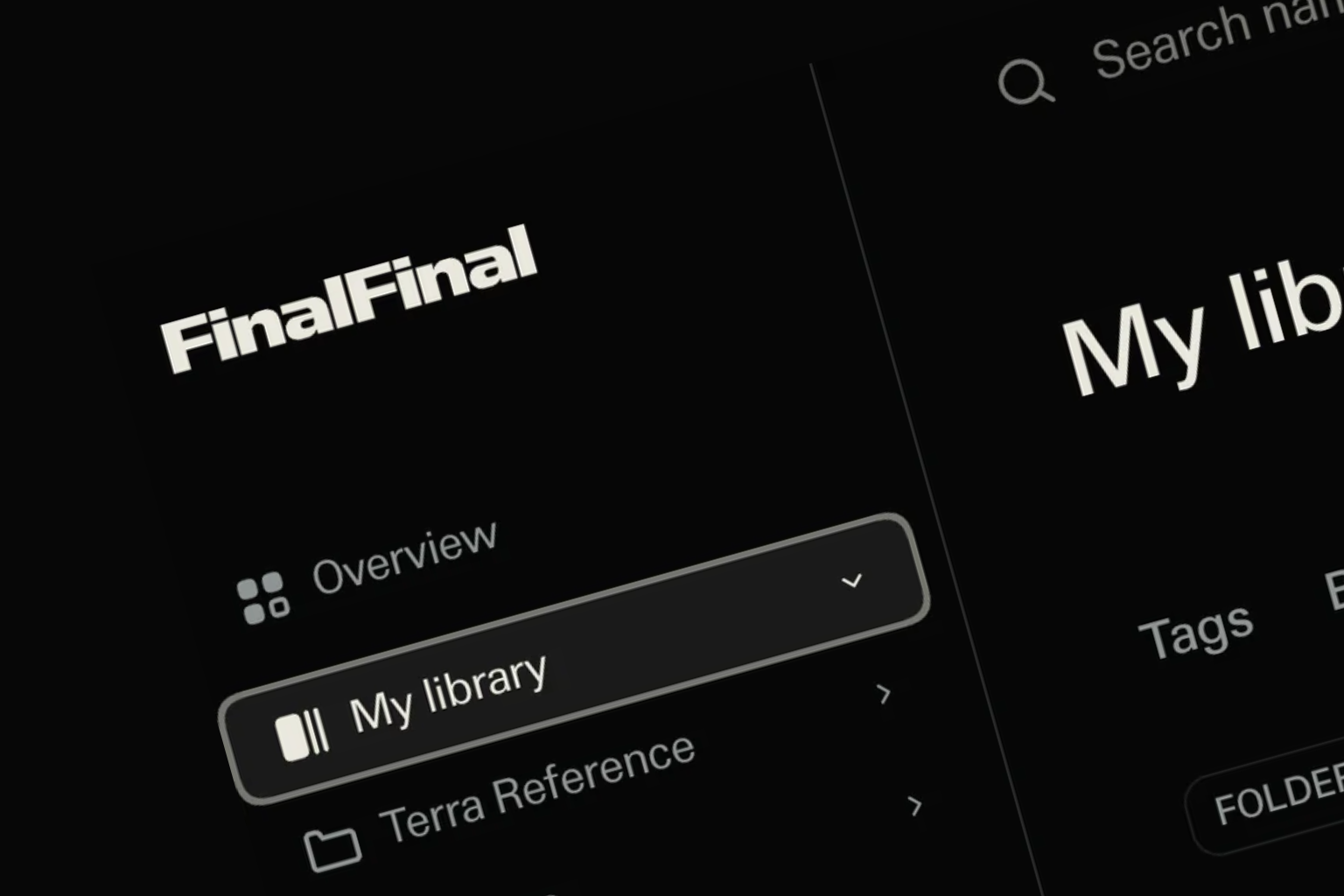
With a file organization that looks like the picture below, I was excited to see how this would work.
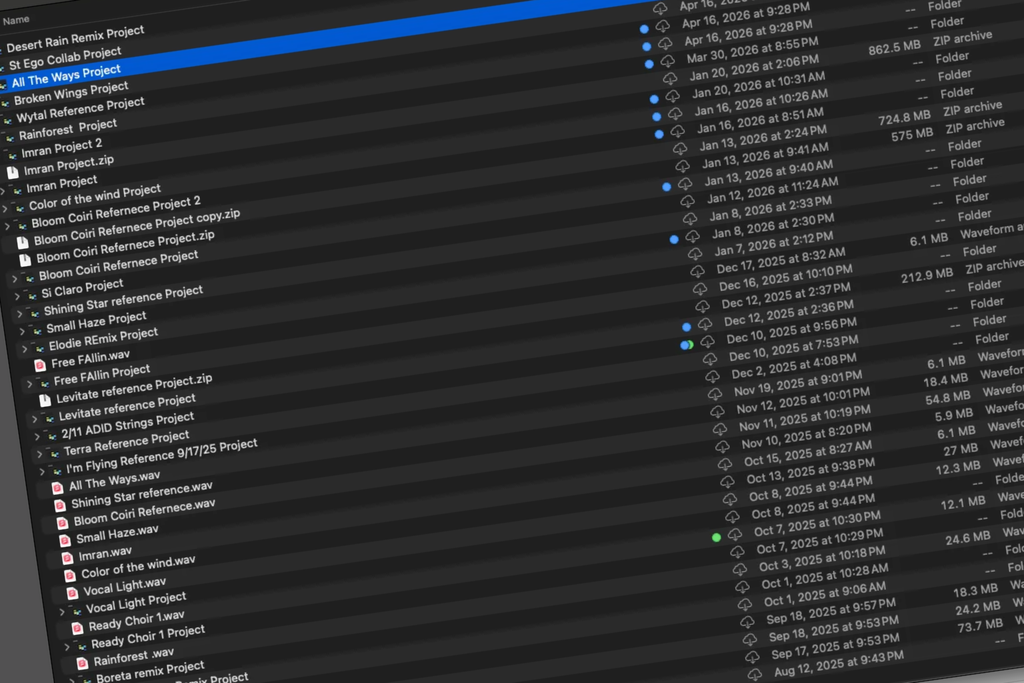
I’ve spent some time playing around with FinalFinal, and I found that many of my favorite features were the smaller organizational ones.
Sure, the version control, waveform commenting, and collaborative tools are great, and we’ll get into those in a minute. But being able to add artwork to projects, attach notes, organize music into nested folders, and categorize everything with tags made me appreciate how much thought went into the platform’s actual experience. These are the kinds of things I immediately gravitate toward when I’m trying out a new piece of software, mostly because I know how I like to keep my own projects organized.
And FinalFinal gets so many of these little details right! But let’s dive a bit more into it all.
Organizing Your Music Library Is Surprisingly Satisfying
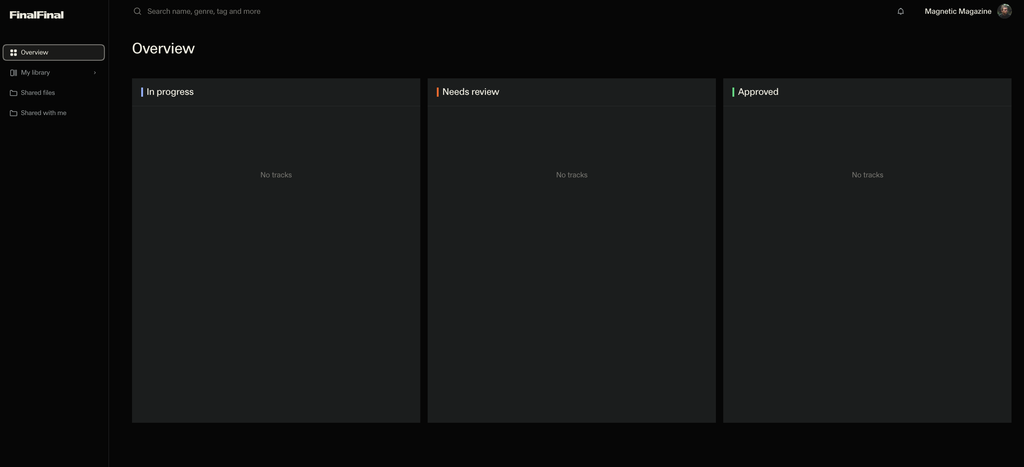
One thing I’ve learned from years of producing music and managing releases on a record label is that I really like a clear organizational structure for everything I’m working on.
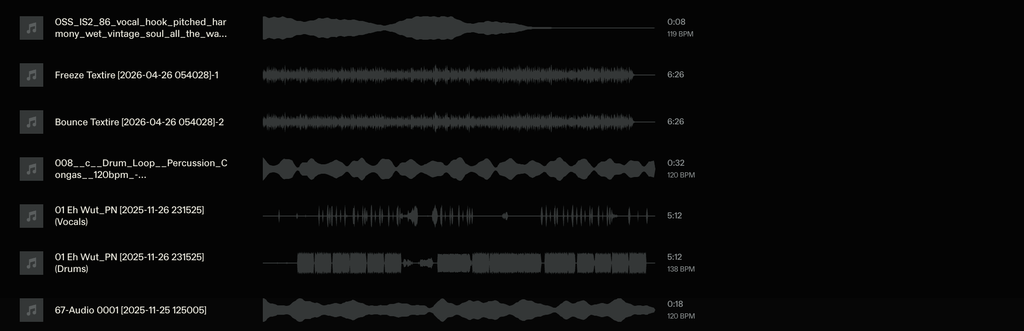
I know some producers are fine with keeping hundreds of unfinished tracks in one folder and figuring things out from there, but I’ve always preferred separating things into smaller categories so I know exactly what I’m looking at. FinalFinal lets you create folders within folders, and I absolutely love this! I know that probably sounds ridiculous to get excited about in a music collaboration platform, but that hierarchical approach to organizing things is exactly how my brain likes to operate.
You can separate projects by artist, release, or whatever other category works for you, which gives you quite a bit of control over how your library is arranged.

Another feature I immediately liked was being able to add cover artwork to individual projects. It’s a relatively minor detail, I know, but having that visual element makes the entire library feel a little more personalized and considerably easier to browse. I tend to associate music with its artwork, especially when I’ve been working on a release for a while, so I appreciate having that visual reference alongside a project’s name. It also feels appropriate for a platform built specifically for musicians, where a release’s visual identity is often part of the project from relatively early on.
I can see myself using the project notes feature quite a bit.
When I’m working on music, I often have small ideas about an arrangement, a possible collaboration, or something I want to revisit when I open the session again.
Sometimes I remember them, and sometimes I don’t…(usully don’t)
Being able to attach notes directly to a project gives those ideas a dedicated place to live, so I can find them when I return to the music. I can see this being especially helpful when a project sits unfinished for a few weeks or months, which happens to me fairly regularly.

And then there are the tags, which might actually be one of my favorite parts of FinalFinal’s organizational system. Seriously, I love the tagging system! Being able to categorize projects beyond whatever folder they’re sitting in is something I wish I had in more of the software I use. For example, I might have several tracks organized under a particular artist or release, but still want to distinguish which ones are demos, which need revisions, and which are ready to send to labels. Tags give me an additional way to identify those projects without reorganizing my entire library. It’s a simple feature, though I think it has plenty of potential for producers who are constantly working on new ideas or managing larger catalogs.
Sharing Tracks Is Easy, Which Is Exactly How It Should Be
I probably share music with other people almost every day, whether that’s sending one of my own productions to somebody for feedback, distributing a promo, or working with artists on the label.
So when I’m looking at a platform like FinalFinal, the sharing experience is something I pay particularly close attention to. If it takes me several minutes to figure out how to send someone a track, or the recipient has to learn a complicated interface just to listen, I’ll probably stop using it pretty quickly but that wasn’t the case at all when our label artist, Discognition, sent me a track to work on together.

Thankfully, I liked sharing almost immediately when trying FinalFinal. The interface makes the process intuitive, and I didn’t feel like I needed to spend much time learning how the system works before getting comfortable with it.
And that’s really how it should be!
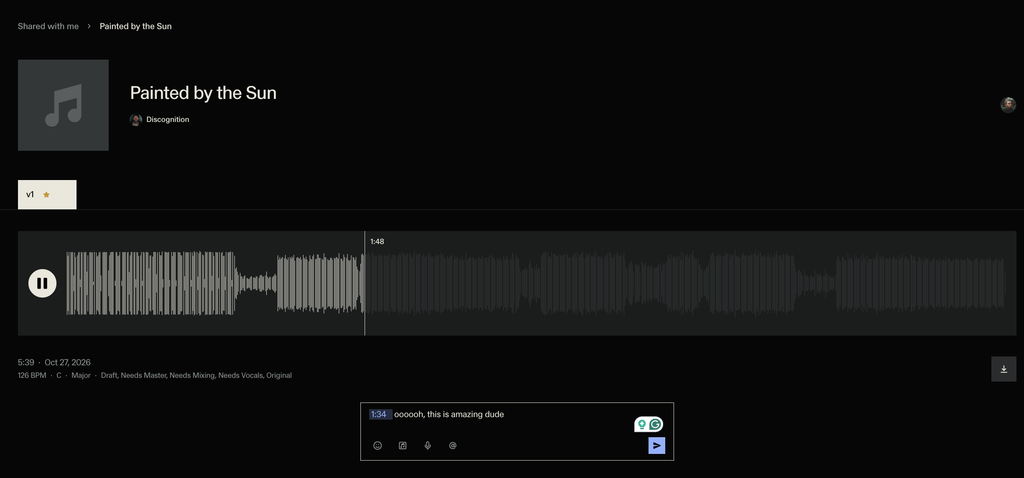
Sharing music is such a common part of what producers do that it shouldn’t take much to figure out. I appreciate that because a platform like this is meant to make the everyday tasks around music production easier, and file sharing is probably the most common example.
Beyond sending somebody a link, FinalFinal also includes permission controls that let you manage who has access to your music and what they’re allowed to do with it. You can share material privately or publicly, manage download permissions, and use customizable folders to present music collections. The platform also lets you monitor plays, views, and downloads, adding another layer of information that can help when you’re distributing unreleased tracks to collaborators or industry contacts.
I can see that last feature being especially relevant from an A&R perspective.
When you’re sending music to someone for consideration, it helps to know whether they actually accessed the material, rather than having to follow up just to find out whether they received it. I wouldn’t necessarily use those numbers to gauge how interested someone is in a track, since listening habits vary widely, but having access to that information is certainly welcome.
Another aspect worth mentioning is the ability to create a personalized profile page for presenting your music. This extends FinalFinal beyond sharing individual files and lets artists organize the material they want others to hear. Depending on how you use the platform, that could mean keeping a collection of unreleased demos, sharing work with potential collaborators, or presenting a selection of tracks to someone you hope to work with.
The Feedback And Communication Features Are Where Things Get Interesting

Another thing I really liked about FinalFinal was the text and communication functionality. I spend a lot of time giving feedback on music, whether that’s through the label, working with other producers, or helping artists improve their productions.
And while it’s easy to send someone a message with a few notes, things get complicated when you’re discussing specific sections of a track, exchanging revisions, and trying to remember which comments you’ve already addressed.
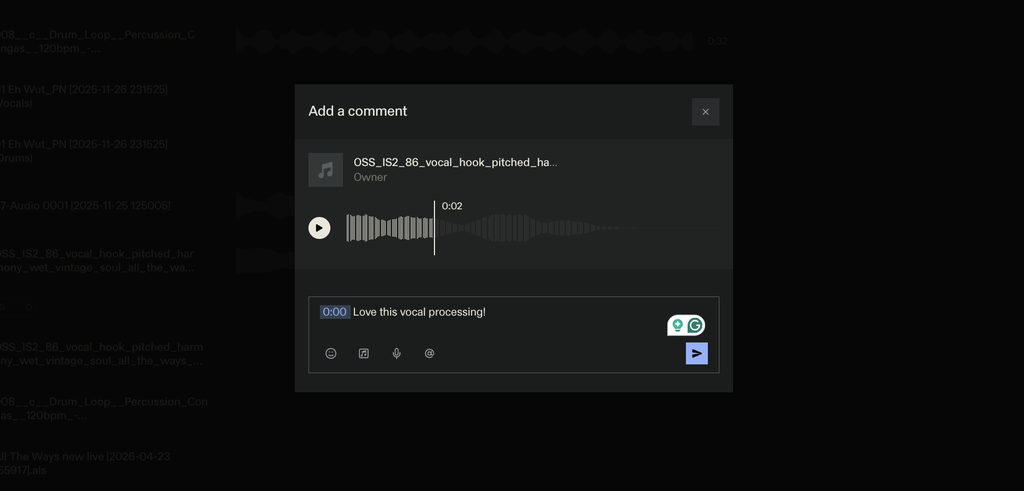
FinalFinal includes a chat-based communication system that keeps discussions associated with projects and their files. I really, really like this part of the platform – as in, I think it’s legit one of the best features of the platform, and Im blown away; nobody has implemented this in such a fluid and easy-to-use way so far.
Having a dedicated place to discuss the music without managing an entirely separate conversation elsewhere is a welcome feature. When you’re working with someone on a track over several weeks, having the relevant messages alongside the project is a nice convenience. You can track what was discussed, refer back to previous feedback, and keep the conversation going as the production develops.
Waveform commenting also lets collaborators leave feedback at specific points in an audio file.
This is particularly helpful for the kind of detailed production feedback I regularly give. Instead of writing somebody a paragraph explaining where a certain element needs attention, you can attach the comment to the relevant timestamp. If a transition feels too abrupt, a vocal needs adjusting, or the bass causes problems in a particular section, you can reference the exact part of the track.
That’s exactly what I want from a feedback system!

FinalFinal also supports sharing stems and comparing different track versions, which makes the feedback tools considerably more relevant when you’re working with other producers or engineers. You can keep successive versions associated with a project instead of treating every updated mix as an unrelated file. That’s a welcome approach because version management becomes increasingly important as a track nears completion, especially when multiple people are involved in approving changes.
The platform also includes project management tools to track responsibilities, progress, and deliverables. I’d be interested in exploring this further for label work, where a track might move between an artist, a mastering engineer, and several other people before it’s ready for release.
Being able to keep those tasks and conversations tied to the music could help, though I’d want to use the system across a full release before drawing too many conclusions about that part of the experience.
Is FinalFinal Worth Using? My Thoughts After Trying It
What I appreciate most about FinalFinal is that it feels like someone actually sat down and thought about how producers organize their music and communicate with the people they work with.
And while plenty of applications handle file sharing, project management, or collaboration individually, having these features together in one place, designed specifically for musicians, is something I’ve come to appreciate a lot after spending time with the platform.
And I really can’t emphasize enough how much I love some of the smaller organizational features! The nested folders, project tags, artwork, and note-taking functionality are exactly what I look for in software, and FinalFinal handles them naturally. I can organize my music however I want, track where different projects are in the production process, and attach important information directly to the tracks.
These are relatively straightforward features, but I use them constantly, and their solid implementation makes the whole platform that much more enjoyable to work with.

The sharing and communication functionality deserves plenty of credit, too. I love how intuitive it is to share music, and the text-based features are particularly well implemented. Add version management, waveform commenting, and the ability to keep conversations tied to individual projects, and you’ve got a platform that handles much of the administrative work producers deal with regularly. I can see myself getting quite a bit of mileage out of this, especially when managing collaborations and working with artists on the label.
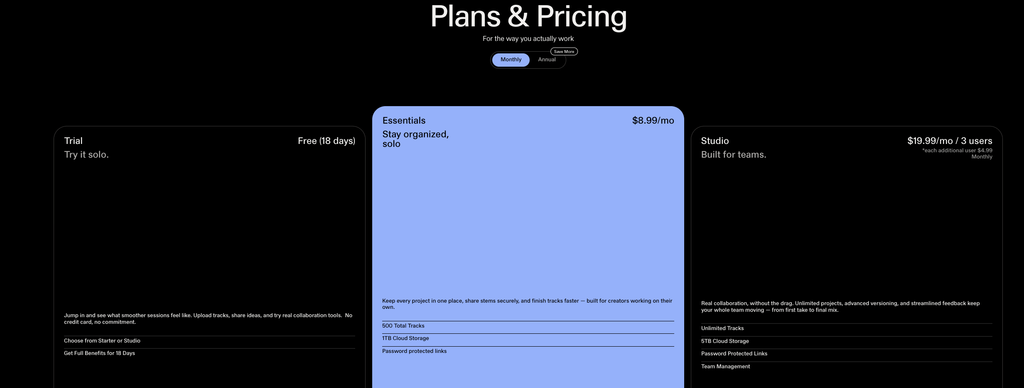
With plans starting at $8.99 per month and an 18-day free trial, FinalFinal is also reasonably accessible for individual producers who want to give it a try. For me, it brings three subscriptions down to one and FinalFinal just makes finishing tracks simpler, and that’s what producers actually need.
Given how much functionality it includes, I think there’s a big draw here for incorporating it into your regular production workflow, especially if you like keeping things organized and work with other artists regularly, like if you’re running a boutique label like Magnetic Magazine Recordings or if you’re just juggling a lot of collaborations and similar things.
All things considered, I’ve really dug my time with FinalFinal, and I’m excited to start incorporating it into more of my own projects. The attention to small organizational details, the simplicity of sharing music, and the communication features genuinely impressed me.
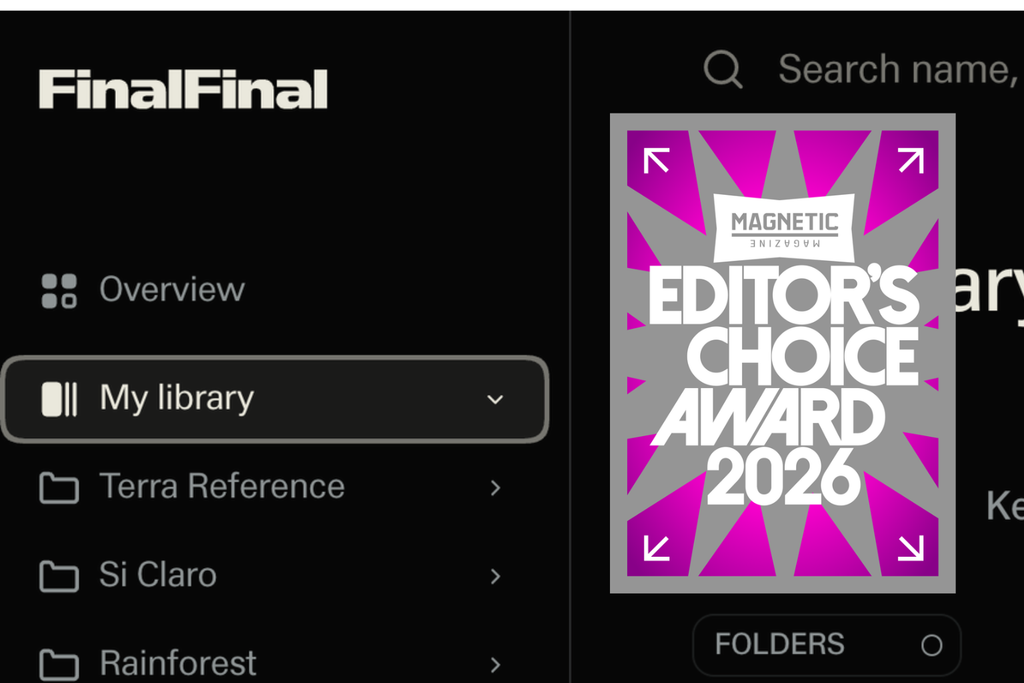
For those reasons, I’m giving FinalFinal a Magnetic Magazine Editor’s Choice Award. It’s an easy recommendation for producers, engineers, and label managers who want a dedicated place to organize their music and collaborate, and I’m genuinely glad I spent time getting familiar with it.

Will Vance is a professional music producer who has been involved in the industry for the better part of a decade and has been the managing editor at Magnetic Magazine since mid-2022. In that time period, he has published thousands of articles on music production, industry think pieces and educational articles about the music industry. Over the last decade as a professional music producer, Will Vance has also ran multiple successful and highly respected record labels in the industry, including Where The Heart Is Records as well as having launched a new label with a focus on community through Magnetic Magazine. When not running these labels or producing his own music, Vance is likely writing for other top industry sites like Waves or the Hyperbits Masterclass or working on his upcoming book on mindfulness in music production. On the rare chance he's not thinking about music production, he's probably running a game of Dungeons and Dragons with his friends which he has been the dungeon master for for many years.