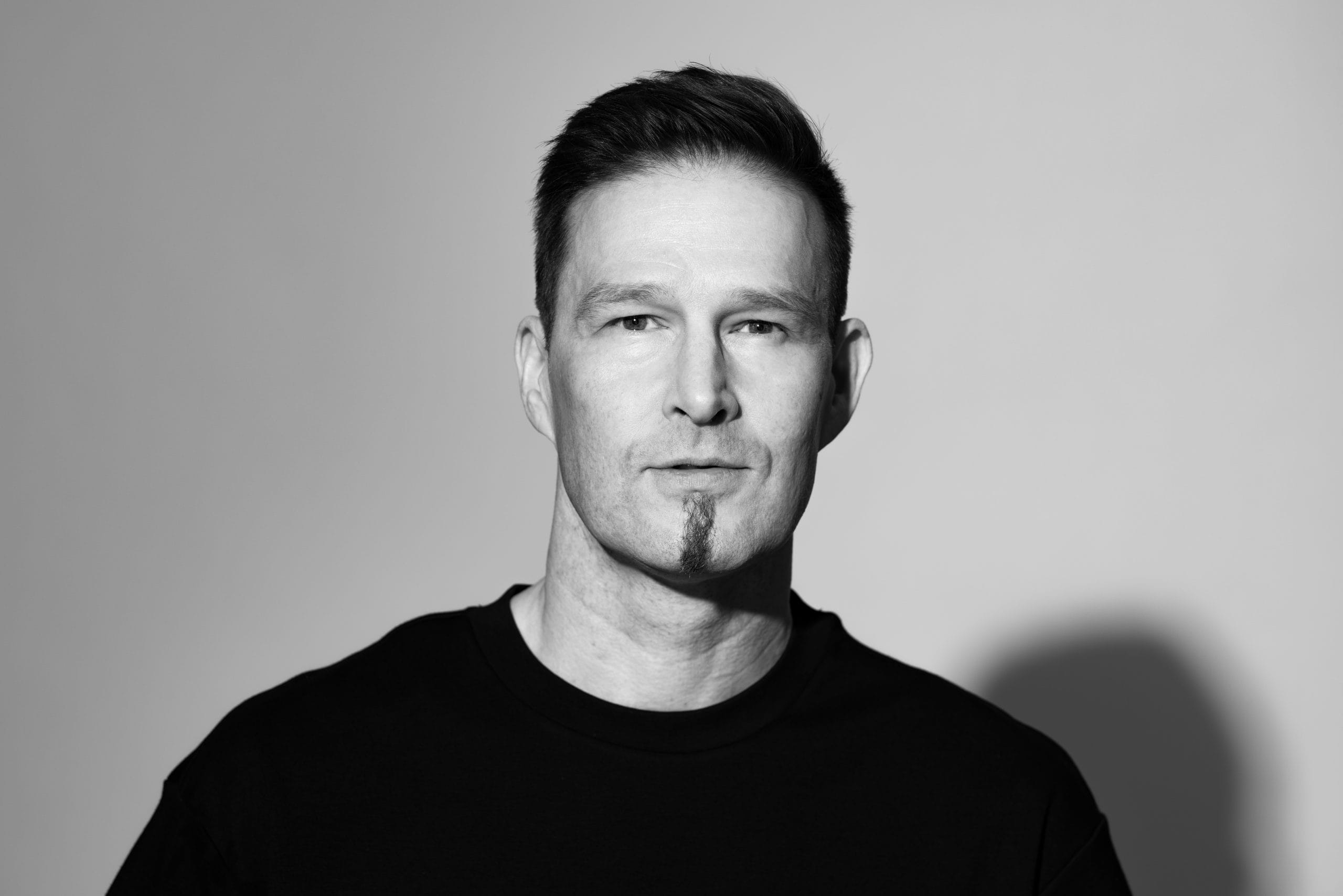
Trance, hard dance, and hyperpop have crossed over a lot in the past few years, and Canadian producer Zorza (@zzzorza) has built her career right in the middle of it. Her music draws from the faster, more aggressive side of electronic music while still making room for the melodic hooks and vocals that give those records their personality.
Her latest single, “Last Ride,” released October 16, 2026, is the final preview of her debut album, internet niche fame, which arrives October 30 through her own label, 4ever Music, backed by Universal Music Group Canada.
Zorza has spent the past several years building an audience through online music communities and club appearances across three continents, and that momentum has carried her onto increasingly prominent festival stages.
Her recent performances include Dour Festival, Paléo Festival, Verknipt, WECANDANCE, and Boiler Room, alongside appearances with artists like Partiboi69, VTSS, and Panteros666. She’s also been developing her own label, 4ever Music, giving her another avenue to release music that reflects the different influences she’s picked up along the way.
The forthcoming album brings those experiences together, with “Last Ride” offering a particularly useful look at how she approaches the relationship between her vocals and the synth-heavy arrangements surrounding them.
For this installment of Magnetic Magazine’s How It Was Made series, Zorza takes us through four plugins that played an important role in producing “Last Ride.” Spire handles the supersaw leads that fill out the second drop, while FabFilter Saturn helps her manage the relationship between her vocals and the synths competing for similar frequencies. Valhalla VintageVerb and Soundtoys EchoBoy provide the reverb and delay processing, with Zorza using return channels and audio resampling to maintain control over how those effects appear throughout the arrangement.
Below, she explains how each plugin contributed to the finished record and shares some of the techniques she’s developed while working on her album.
Spire
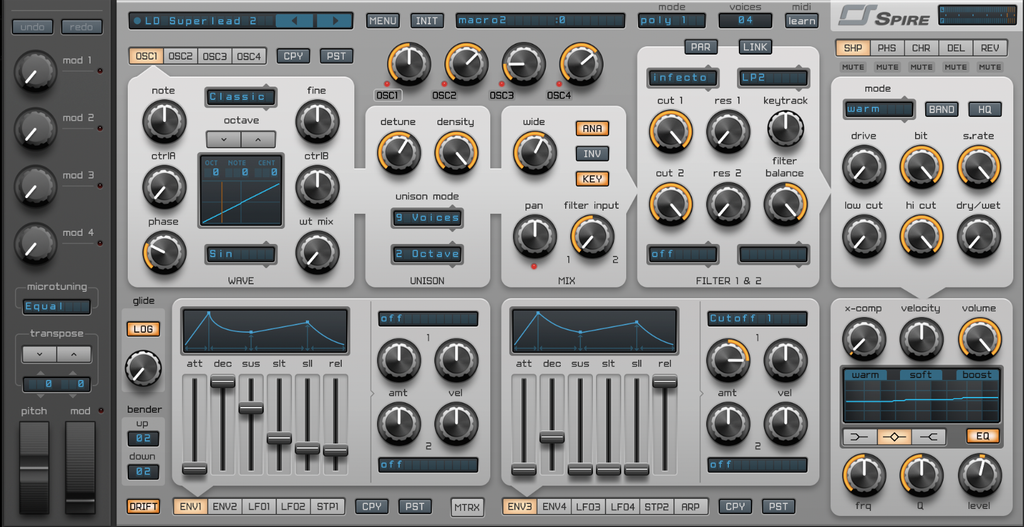
I’ve always been a die hard Serum user but throughout this project I became addicted to Spire. It’s a great synthesizer for club sounds, and allowed me to create a lot of the bright leads that define much of this track as well as my album.
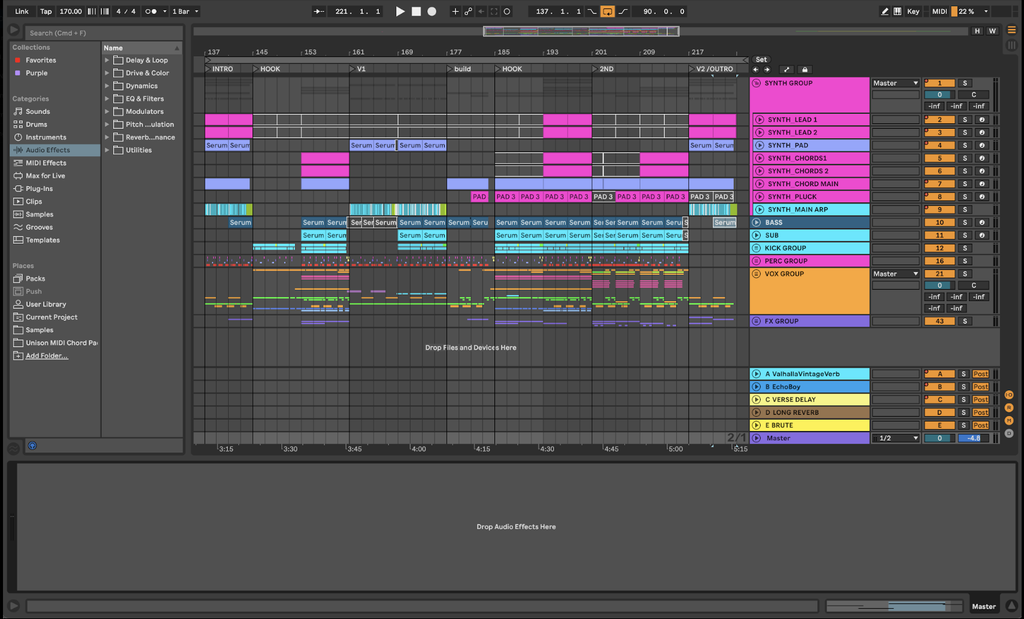
I used Spire primarily for its superlead sound during the second drop to really fill up the space and make the final drop feel as big as it should. Spire has some great super saw presets, and I played around with LD Superlead from its stock bank, adjusted some parameters and made it my own. When I’m working with sounds like this, I always want them to sound as big as possible but Spire already has that quality to it, so I didn’t need to adjust too much. I do tend to always disable delay or reverb that may be built into a stock sound. I prefer to adjust those parameters outside of the synth, and run them through a return channel. Often times, I’ll print down delays or reverbs further, to control them even more.
Fab Filter – Saturn
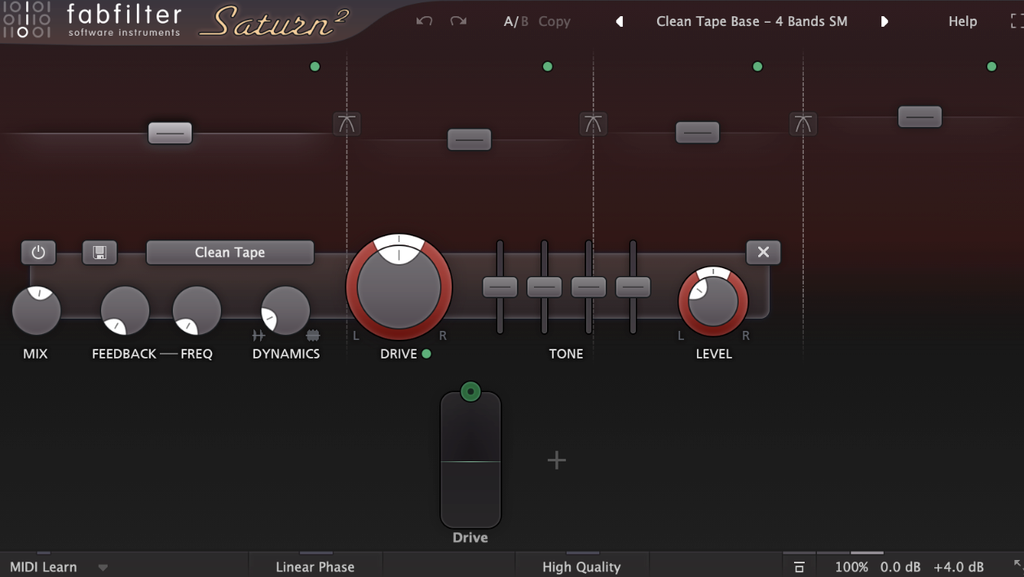
Last year I discovered Saturn and completely fell in love. It’s a multi-band saturation and distortion plug in, but I primarily use it for multi band processing on my vocal chain. It’s also great for saturating synths, and the slightest adjustment can really make a difference when you’re struggling to get a sound just right.
I often struggle with getting my vocals to sit properly in the mix. I tend to have a lot of synths and vocals going in the same frequencies which can really be a mix nightmare. I’ve found Saturn to be a clean and easy way to focus in and adjust specific frequencies. I often cut out a lot of the low frequencies in my vocal, and boost the hi-mids. It also adds a nice saturation and colour to my vocal chain. This really helped me in Last Ride, especially at the drops when I have both vocals and a bright synth at the same time.
It took me a lot of time to learn that sometimes this plugin can help me achieve a specific tone much quicker than trying to dial in on a synth plug in, like Serum for example.
Valhalla Vintage Verb
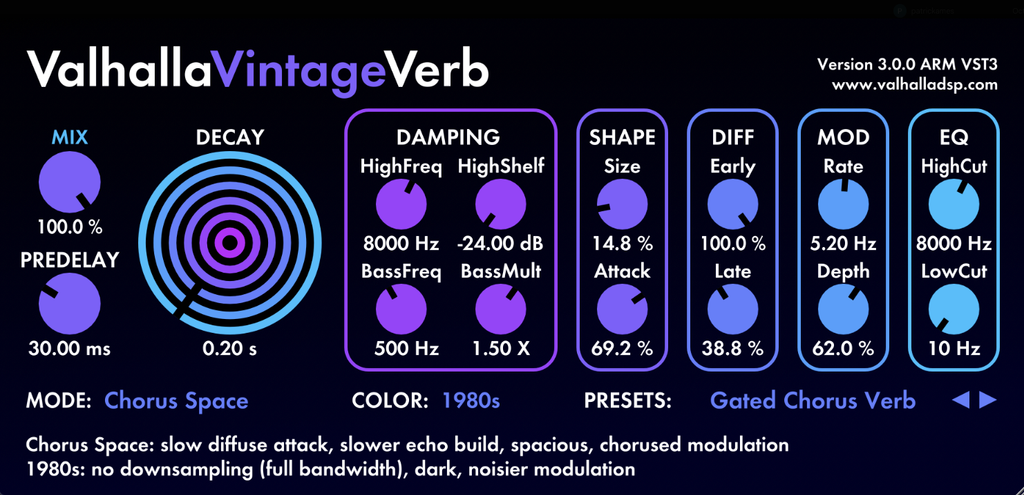
The only reverb I use! Valhalla Vintage Verb is a reverb plug in that’s inspired by reverbs from the 1970’s and 80’s. It can be use on anything really, but I prefer it for my vocals. In Last Ride I used the Gated Chorus Verb preset. I run my vocal reverbs through a return channel in Ableton to help me better control the vocal and reverb separately. I find when I use reverb directly on the vocal channel, it can easily wash out my vocals. This is because I like heavy reverb, but the key is to have it at a low volume in the mix. So running it through a return channel helps me achieve this.
I’ve learned dance music, and especially vocals, shouldn’t have too much reverb because it doesn’t always translate the way you want on a club system. It can easily wash out the vocals and if you’re not careful, other important elements in the track. In my past I def went too crazy with reverb on my vocals, and in recent years I’ve really learned to dial it back. Less is more.
EchoBoy

EchoBoy is a delay and echo plugin with various modes, emulations and tempo sync that I use on my vocals and synths. It’s a really common delay plugin, pretty much everyone I’ve ever met uses it in some form, and there’s good reason for it!
EchoBoy has a ton of presets to choose from, made for all different instruments, fx, modulations, spaces, etc. but I like to use it in a really simple way. I find it the cleanest and easiest way to control delay out of all plugins I’ve tried in the past. I don’t adjust much, just the mix, time, and feedback. For overall vocals, I keep the delay pretty minimal, just enough to add some texture.
It’s also really useful and fun to throw heavy delay on, and print it down, chop it up and play around with new sounds created from that process. I do this a lot when working with my vocals. Once I print down the delay, I chop up little sections, maybe pitch it up or down, and throw it in the mix for some ear candy. The reason I print it down first is because I only want these moments sparingly, and rather than automating the plug in on and off, by printing it down I can ensure the sound is the same every time it plays back.

Will Vance is a professional music producer who has been involved in the industry for the better part of a decade and has been the managing editor at Magnetic Magazine since mid-2022. In that time period, he has published thousands of articles on music production, industry think pieces and educational articles about the music industry. Over the last decade as a professional music producer, Will Vance has also ran multiple successful and highly respected record labels in the industry, including Where The Heart Is Records as well as having launched a new label with a focus on community through Magnetic Magazine. When not running these labels or producing his own music, Vance is likely writing for other top industry sites like Waves or the Hyperbits Masterclass or working on his upcoming book on mindfulness in music production. On the rare chance he's not thinking about music production, he's probably running a game of Dungeons and Dragons with his friends which he has been the dungeon master for for many years.