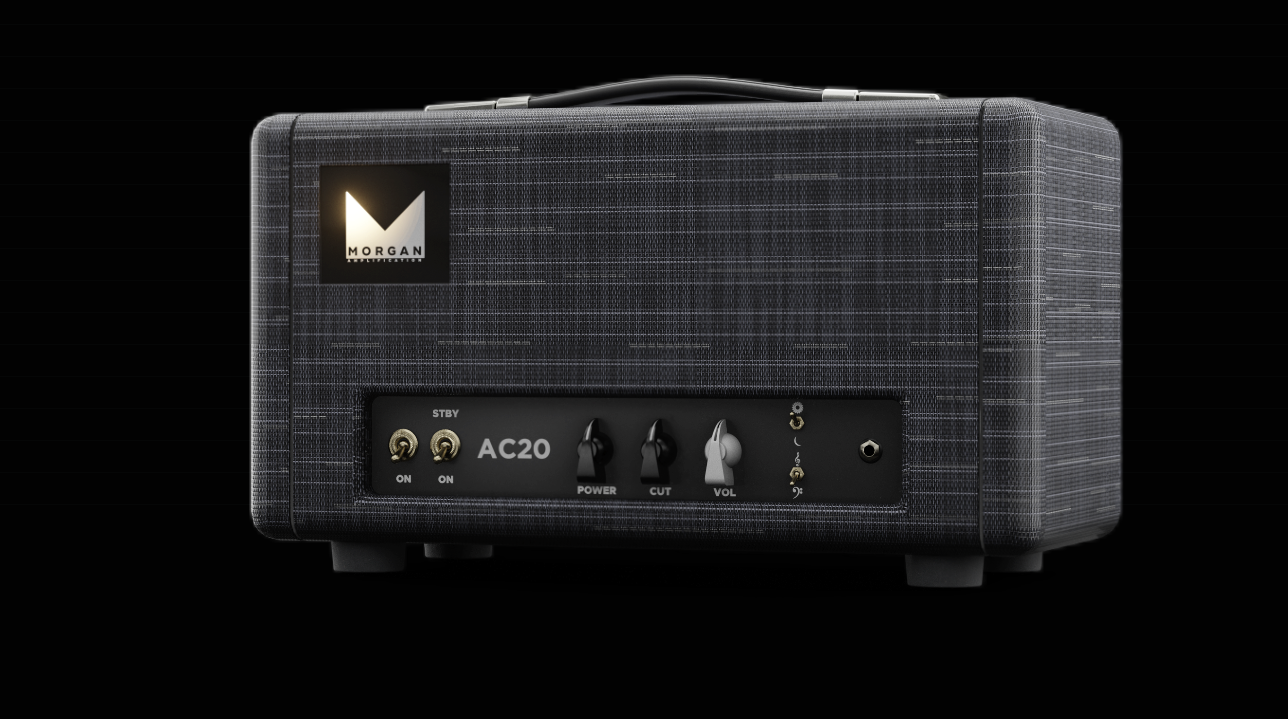
Neural DSP has released Morgan Amps Suite X, bringing interface and workflow improvements to its software recreation of three boutique Morgan Amplification guitar amplifiers. Announced October 28, 2026, the update introduces a redesigned preset browser, new global parameter controls, an expanded editing history, and two additional visual skins while retaining the AC20, PR12, and SW50R amplifier models that established the original plugin.
The update follows a similar release earlier this month for Tone King Imperial MKII X, and Neural DSP’s recent software development points to a fairly consistent direction. The company has spent years building its reputation around detailed amplifier modeling, but these latest updates concentrate on how musicians interact with those models while recording, practicing, and developing their guitar tones.
Morgan Amps Suite X adds several straightforward features that could make a substantial difference during long recording sessions, especially when switching between presets or experimenting with different amplifier settings.
For guitarists who already use Morgan Amps Suite, the most welcome news is that the X update is completely free.

The three existing amplifier models remain in place, so users can continue working with the sounds they already know while gaining access to new tools for managing presets, preserving input and output settings, and reversing changes during sound design. The announcement also gives new users a reason to revisit the collection, especially those interested in vintage-inspired guitar amplification without maintaining a physical amplifier and pedalboard setup.
Three Morgan Amplifiers Remain At The Center Of The Plugin
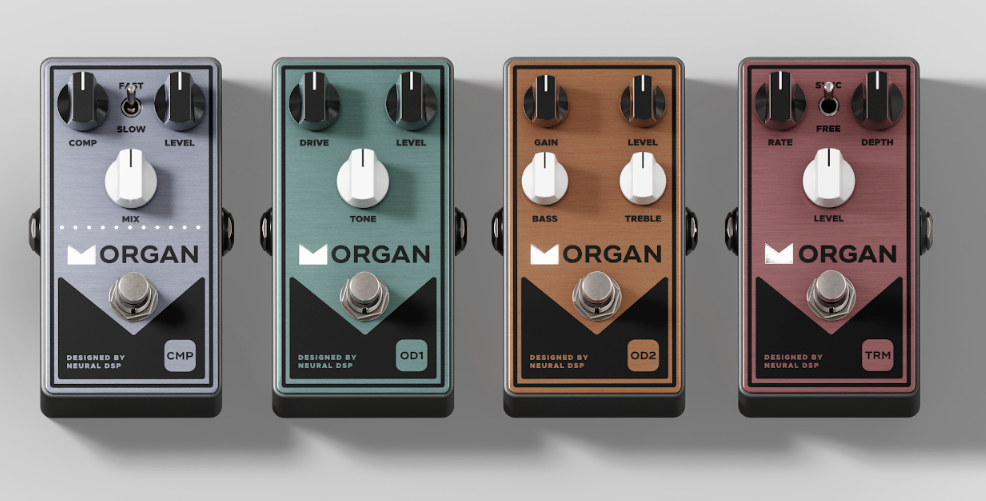
Morgan Amplification was founded by Joe Morgan in 2009, with an emphasis on building amplifiers that respond to the individual characteristics of a guitarist’s playing. The company’s designs draw from established tube amplifier circuits while incorporating adjustments intended to improve reliability, control, and compatibility with external pedals. Neural DSP’s software collection recreates three of these amplifiers, each offering a different approach to gain, frequency response, and playing dynamics.
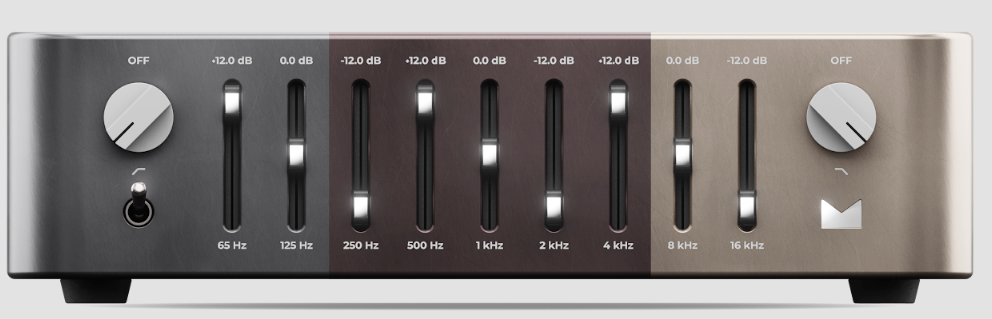
The AC20 is based on the general design of a vintage Vox AC30, using a single-channel, 20-watt configuration suited to bright clean tones and more saturated sounds as the gain increases. Its controls include volume, power reduction, high-frequency cut, a bright switch, and a bass-cut option, allowing players to adjust how the amplifier responds without navigating an extensive collection of additional parameters.
The PR12 takes inspiration from the Fender Princeton Reverb, providing a 12-watt design with clean sounds, overdrive, and an integrated spring reverb. Its controls include reverb intensity, bass, treble, and volume, making it an option for guitar parts where the character of the amplifier and the player’s attack are central to the recording.
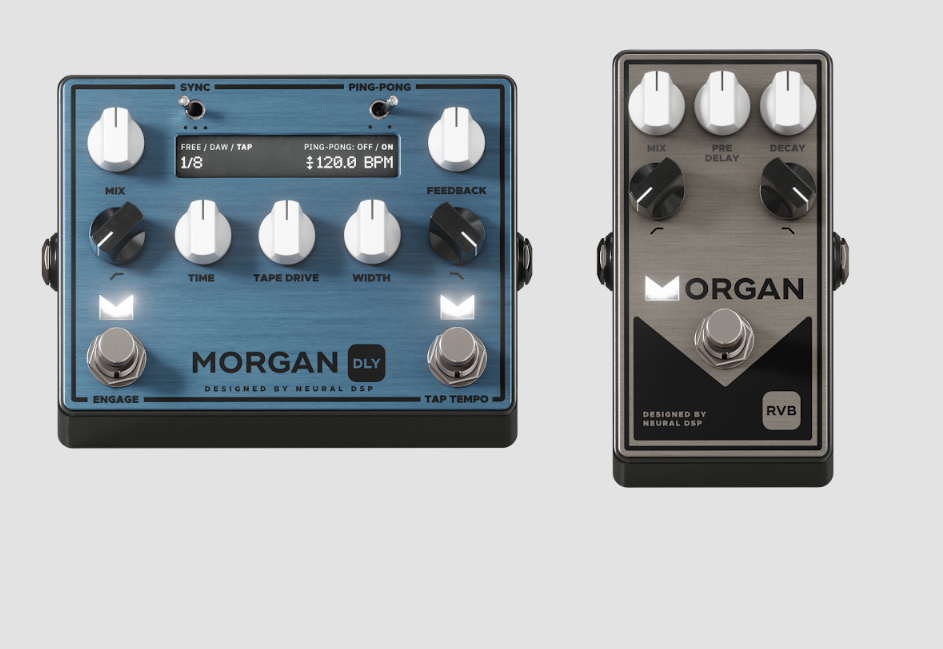
The third model, the SW50R, is a 50-watt amplifier influenced by Dumble-style clean circuits, with tube-driven reverb and additional tone-shaping controls. It offers separate bass, midrange, and treble adjustment, a bright switch, bass emphasis, and a master-level control that affects power amplifier saturation. The three models offer distinct tonal characteristics in a single plugin, letting producers explore combinations of clean guitar, mild breakup, and heavier distortion without loading separate amplifier simulations.
Neural DSP has developed this type of software for several years, and amplifier modeling’s relationship to production workflow has become increasingly relevant to its product updates. I discussed a similar approach in our recent article on Tone King Imperial MKII X, which introduced additional processing and editing features around an existing amplifier model. Morgan Amps Suite X continues in that direction, focusing primarily on preset management and retaining user settings.
Pricing, Availability, And The Free X Update
Morgan Amps Suite X is available now through Neural DSP’s official product page, with the October 28 release available to download for macOS and Windows. Existing Morgan Amps Suite owners can install the X version at no additional cost, while prospective customers can access a 14-day free trial before purchasing.
The update also continues Neural DSP’s broader effort to improve how users manage amplifier simulations across recording and performance environments. Our Quad Cortex Mini review examined how the company’s hardware platform incorporates amplifier modeling, effects, preset organization, and detailed signal routing into a portable processor.
Morgan Amps Suite X remains a desktop software product, and Neural DSP currently lists Quad Cortex and Quad Cortex Mini compatibility as planned for a future CorOS update.
What I appreciate about these recent X updates is the emphasis on controls musicians will regularly encounter during actual recording sessions. A good amplifier simulation needs to respond convincingly to the instrument, but managing presets, controlling input levels, and navigating parameter changes can just as easily affect how efficiently someone works.
Morgan Amps Suite X retains the three modeled amplifiers and existing effects while making the collection easier to organize and adjust.
For current owners, the free update is an uncomplicated decision. For new users, the 14-day trial lets you evaluate the amplifier models and updated interface before purchasing.

Will Vance is a professional music producer who has been involved in the industry for the better part of a decade and has been the managing editor at Magnetic Magazine since mid-2022. In that time period, he has published thousands of articles on music production, industry think pieces and educational articles about the music industry. Over the last decade as a professional music producer, Will Vance has also ran multiple successful and highly respected record labels in the industry, including Where The Heart Is Records as well as having launched a new label with a focus on community through Magnetic Magazine. When not running these labels or producing his own music, Vance is likely writing for other top industry sites like Waves or the Hyperbits Masterclass or working on his upcoming book on mindfulness in music production. On the rare chance he's not thinking about music production, he's probably running a game of Dungeons and Dragons with his friends which he has been the dungeon master for for many years.