There is a version of the AI conversation in music that gets boring almost immediately, mostly because it treats the machine like the whole story. The better question is what an artist gives up when the uncomfortable part of the work gets skipped too early.
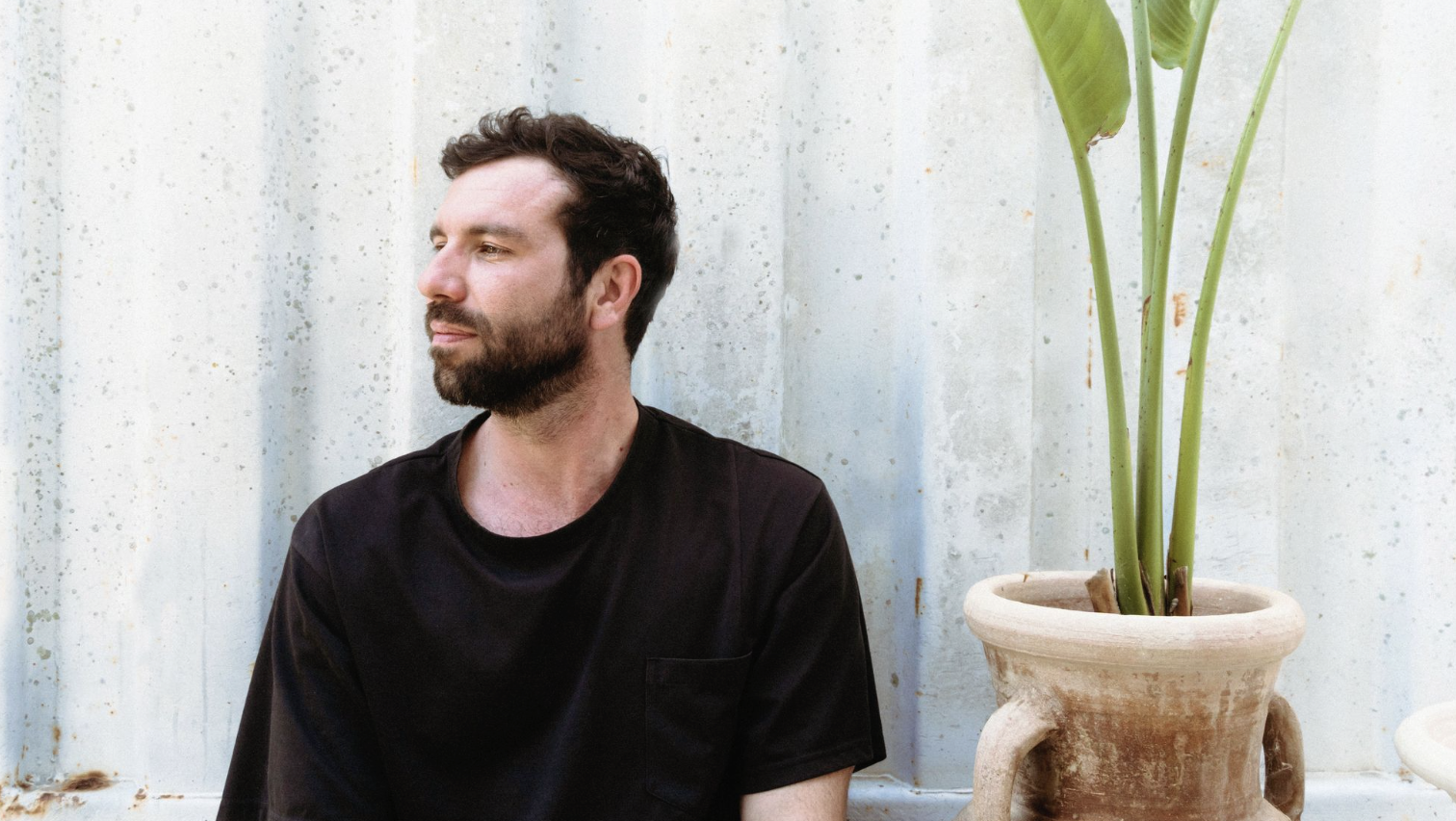
Tooker’s (@tookermusic) answer is simple: vulnerability, repetition, bad first takes, strange accidents, and the slow development of the ear that tells you when something finally feels like yours.
That makes “Wake Up” a fitting record to place beside this conversation.
The track began in Berlin in 2020, lived for years in unfinished form, carried enough of a pulse to survive on dancefloors before it was fully complete, and eventually became a SONARA Records release from Nico Stojan, David Mayer, and Tooker, with JAW of dOP on vocals. It is also the first SONARA release following Nico Stojan’s passing this summer, which gives the record a heavier emotional throughline than a standard release push could carry.
Tooker talks about AI with more nuance than a simple rejection would allow.
He uses technology, believes it can open doors, and sees no issue with tools that help clean, organize, test, or move ideas along. His line sits somewhere more personal. AI can offer possibilities, but it cannot give a producer lived experience, taste, grief, friendship, touch, or the private reason a track needs to exist. “Wake Up” took years, multiple hands, and the right vocal before it found its final shape, which may be the clearest argument in the whole piece. Some records need time because the time is part of what the record becomes.
Interview With Tooker

What part of an artist’s work loses something when it gets outsourced too early, even to a useful tool?
The vulnerability. The moments where you don’t know what you’re doing and you try something anyway. That’s where your identity actually forms.
AI can spark an idea or show you a different angle, and sometimes that’s genuinely useful. But if you reach for it before you’ve sat with the discomfort, you skip the part where you discover what makes your music yours.
It’s like using a food processor before you’ve ever chopped garlic with your own hands. You’ll get something edible, but you’ll never develop the feel for it.

As production tools keep getting faster and smarter, what do you think separates a finished record from one that actually carries the artist’s point of view?
Lived experience. You can prompt Suno and get a polished track in thirty seconds. It might even sound good. But it won’t carry the weight of something that came from a real moment in someone’s life.
AI can replicate the surface of music incredibly well, but it can’t replicate why the music was made in the first place.
It’s the difference between a perfect frozen lasagna and the one your grandmother makes with her hands. Both are lasagna. Only one makes you feel something.

Where do you think convenience starts to blur the line between helping an artist move faster and making too many decisions on their behalf?
When you stop questioning the output. AI is great for mechanical tasks, cleaning up audio, organizing sessions, bouncing ideas when you’re stuck. No problem with that.
The line gets blurry when artists start accepting AI-generated musical choices without running them through their own instinct first. Convenience is powerful when you already know what you’re looking for.
But if you haven’t built that foundation yet, AI doesn’t speed up your development. It replaces it.

Which parts of making music still need to stay hands-on because they build the ear, judgment, and instincts that an artist relies on over time?
Recording, arranging, and mixing. These only develop through repetition and beautiful failure.
The way a violin resonates differently depending on where the player stands, the way a vocal take at 2 a.m. carries a completely different energy than one at noon. You can only learn these things by doing them until your ear knows the difference without thinking.
I run production retreats here in Sardinia at SONARA Studio where artists come to reconnect with their sound in a slower rhythm of living, and every experienced mentor agrees: there are no shortcuts to developing your ear.
AI can help you work faster, but it can’t teach you how to listen.
How can artists stay open to new technology without letting the tools quietly train their taste for them?
Know who you are before you open the toolbox. If you have a clear sense of what your music should feel like, AI becomes just another tool in service of that vision.
If you don’t, it becomes the vision.
I’m not anti-AI at all, but I also record live instruments, sing on my own tracks even when it terrifies me, and spend time barefoot in my studio listening to the silence between the notes.
The question isn’t whether to use AI. The question is whether you have something to say that no algorithm could generate for you.
Closing Thoughts
The most important thing Tooker says here is that AI cannot teach you how to listen. That line cuts past most of the surface-level arguments around the subject, because producers are not only trying to generate sound. They are learning how to hear the difference between something technically impressive and something that actually belongs to them.
That connects naturally with my interview with Yeadon on AI, taste, and keeping the artist inside the record.
Yeadon made a similar point from a producer’s perspective, arguing that the creative decisions need to stay close to the person making the music. Tooker’s version has a more tactile edge. He talks about chopping garlic, recording real instruments, singing when it feels terrifying, and sitting with silence long enough to know what the music is asking for.
There is also a clean line to Maor Levi’s interview on rough ideas, producer confidence, and finished-sounding AI output. Levi’s concern was that instant polish can make producers distrust the slow early stage of a track. Tooker is pushing into the same pressure point. If you reach for the tool before sitting with the discomfort, you may get a result faster, but you lose the part where your instincts sharpen.
That is why “Wake Up” gives the interview real weight.
The record did not arrive quickly. It began as an idea in Berlin in 2020, lived in different forms, worked on dancefloors before it was finished, and only became complete after JAW’s vocal and David Mayer’s later contribution gave it the shape it needed. A track like that argues for patience without having to explain it too neatly.
The Nico Stojan context makes that patience feel heavier.
“Wake Up” is the first SONARA release after his passing, and the label has framed it as the beginning of a run of unreleased music arriving in his honor. That changes how the record lands. It is not only another deep house single from artists with strong résumés. It is a piece of work being carried forward by people who knew what it meant before anyone outside the circle did.
The broader takeaway is that Tooker is not trying to win an argument against technology.
He is setting terms for how to use it without letting it hollow out the artist. AI can help with mechanical work, spark an idea, or create another angle when the process stalls. But the harder parts still need a person in the room: the reason, the taste, the touch, the lived experience, and the willingness to stay with a track long enough for it to become more than output.

Will Vance is a professional music producer who has been involved in the industry for the better part of a decade and has been the managing editor at Magnetic Magazine since mid-2022. In that time period, he has published thousands of articles on music production, industry think pieces and educational articles about the music industry. Over the last decade as a professional music producer, Will Vance has also ran multiple successful and highly respected record labels in the industry, including Where The Heart Is Records as well as having launched a new label with a focus on community through Magnetic Magazine. When not running these labels or producing his own music, Vance is likely writing for other top industry sites like Waves or the Hyperbits Masterclass or working on his upcoming book on mindfulness in music production. On the rare chance he's not thinking about music production, he's probably running a game of Dungeons and Dragons with his friends which he has been the dungeon master for for many years.





![Baby Audio HyperWarp Review: Why Less [Processing] Is More](https://magneticmag.com/wp-content/uploads/2026/10/Untitled-Design-88.png)
![Baby Audio HyperWarp Review: Why Less [Processing] Is More](https://magneticmag.com/wp-content/uploads/2026/10/Untitled-Design-88-1024x683.png)
![How It Was Made: Lang Father i(Junkyard Dog) [Welofi]](https://magneticmag.com/wp-content/uploads/2026/10/Press-Pic_2-1024x576.jpg)