The strange thing about AI in music is how quickly it can make a normal studio day feel worse than it actually is.
A half-finished loop already has enough ways to disappoint you: the drums do not hit yet, the bass is wrong, the idea feels smaller than it did ten minutes ago, and somewhere online another producer has posted the kind of finished record that makes your own session feel embarrassingly early.
Add a tool that can generate something polished in seconds, and the comparison game gets even more warped, because now the thing making you doubt yourself does not even need time to sound finished.
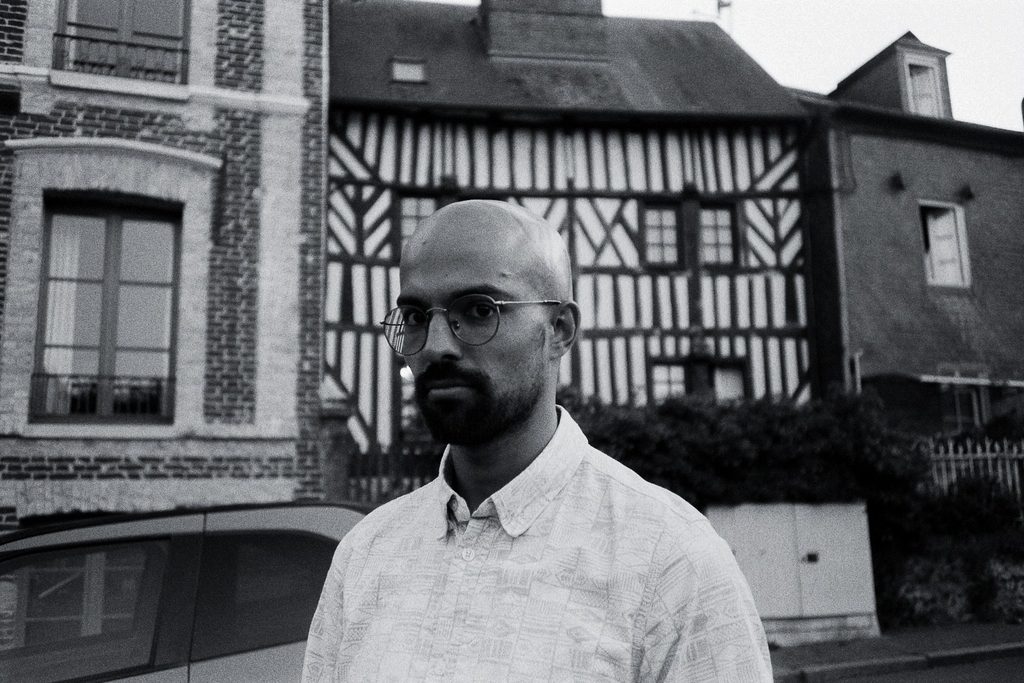
Maor Levi (@megamaor) has been around long enough to know how misleading that can be. His recent Reflect Reliquified / Illumina Reliquified EP revisits two tracks from 2007, bringing “Reflect” and “Illumina” into a new liquid drum and bass-shaped form while keeping the originals close enough that the history is still easy to hear.
That is a good place to have this conversation from, because reworking older material forces a producer to separate what was worth preserving from what needed a new shape, and that kind of decision-making is exactly the part AI cannot make meaningful on its own.
The interview below gets into confidence, comparison, unfinished work, polish, patience, and why speed should not be mistaken for taste. Levi does not pretend AI is unimpressive, and he does not need to dismiss the technology to defend the artist. His point is sharper than that: a producer still has to know what they want to hear, what feels right, and what deserves their name on it.
AI can imitate parts of the process, but it cannot give anyone the reason they started making music in the first place.
Interview With Maor Levi

For producers already comparing themselves to others online, how does AI affect confidence?
It can make that comparison even worse.
You’re already comparing your work in progress to someone else’s best release, and now you can hear something that sounds finished within seconds. It’s easy to start questioning what took you years to learn. But speed doesn’t make your taste or experience less valuable. I can be impressed by something AI generates without taking it as a judgment on my own ability.
Early ideas are often rough. How should artists treat that stage when polished AI output is always nearby?
Let it sound rough. Some of my best ideas wouldn’t have impressed anyone in the first half hour. Sometimes there’s just one chord change or a strange sound that makes me want to keep going. If you judge everything by how finished it sounds immediately, you can throw away something special before you’ve even understood it.

Some tracks sound polished without saying much. How can artists avoid mistaking polish for purpose?
I ask myself what I actually love about the track. Is there a melody, a feeling, a moment I want to hear again? Or does it just sound expensive?
I’ve spent enough time producing to know you can keep improving a mix without improving the song. Sometimes turning off half the processing tells you more than adding another plugin.

How can producers stay patient with unfinished work when finished-sounding material is easy to generate?
You have to stop expecting every session to end with a finished track.
Sometimes finding the right bass sound or realising the arrangement isn’t working is enough.
That’s progress too. I also think stepping away matters. After hearing the same loop for three hours, I’m not always making better decisions; sometimes I’m just making different ones. Coming back tomorrow can do more than forcing it tonight.
What perspective would help artists who feel discouraged by AI’s ability to imitate parts of the process?
I wouldn’t tell them to pretend it isn’t impressive. It is, and it’s changing things.
But being an artist has never meant that nobody else can make a similar sound. People could recreate parts of my production before AI existed. I still have opinions about what I want to hear, what feels right and what I want to put my name on. AI being able to do parts of the job doesn’t make me lose the reason I started making music.

Closing Thoughts
Maor’s best point is the one producers probably need to hear most right now: speed does not make your taste less valuable. AI can make something sound finished quickly, and that can mess with your head if you are already comparing a rough loop to everyone else’s best work, but a fast result is still only a result.
The artist’s job is deciding whether there is anything inside it worth caring about.
That connects naturally with my interview with Yeadon on AI, taste, and keeping the artist’s point of view inside the record. Yeadon was more direct about not wanting generative systems to make creative decisions for him, while Levi is focused on the psychological side of the same issue. The risk is not only that AI changes how music gets made. It is that producers start measuring their own unfinished ideas against a machine’s finished surface.
There is also a clear link to Driver405’s interview on rough ideas, Splice, AI, and the danger of abandoning work too early. Driver405 talked about protecting unfinished material before it has learned how to explain itself, and Levi’s answer about the first half hour of an idea hits the same nerve. A strange chord change, a sound you do not fully understand yet, or a messy loop with one good feeling inside it can be enough reason to keep going.
The polish answer may be the hinge of the who discussion we had with him.
A producer can keep improving a mix without improving the song, and anyone who has spent too long in a session knows exactly how true that is. The track gets wider, louder, cleaner, more expensive-sounding, and somehow less convincing.
Levi’s answer cuts through that by asking the simplest question: what do I actually love here?
The Reliquified versions of “Reflect” and “Illumina” make this even more interesting. Reworking older music is a test of judgment, because the producer has to decide what still carries life after nearly two decades and what can be rebuilt without losing the original emotional thread. That is not the same as generating a new surface. It is a conversation with your own past work, and that kind of editing only has value when the artist knows what should survive.
The broader takeaway is that AI makes comparison louder, faster, and harder to avoid, but it does not change the basic reason artists need patience.
A track is not valuable because it sounds complete at minute one. It becomes valuable because someone keeps making choices, keeps listening, keeps removing what does not serve the idea, and keeps returning until the thing starts to feel like theirs. Maor Levi’s answer is not to panic about the machine or pretend it is irrelevant.
It is to remember that the producer still has to choose what deserves to exist.

Will Vance is a professional music producer who has been involved in the industry for the better part of a decade and has been the managing editor at Magnetic Magazine since mid-2022. In that time period, he has published thousands of articles on music production, industry think pieces and educational articles about the music industry. Over the last decade as a professional music producer, Will Vance has also ran multiple successful and highly respected record labels in the industry, including Where The Heart Is Records as well as having launched a new label with a focus on community through Magnetic Magazine. When not running these labels or producing his own music, Vance is likely writing for other top industry sites like Waves or the Hyperbits Masterclass or working on his upcoming book on mindfulness in music production. On the rare chance he's not thinking about music production, he's probably running a game of Dungeons and Dragons with his friends which he has been the dungeon master for for many years.