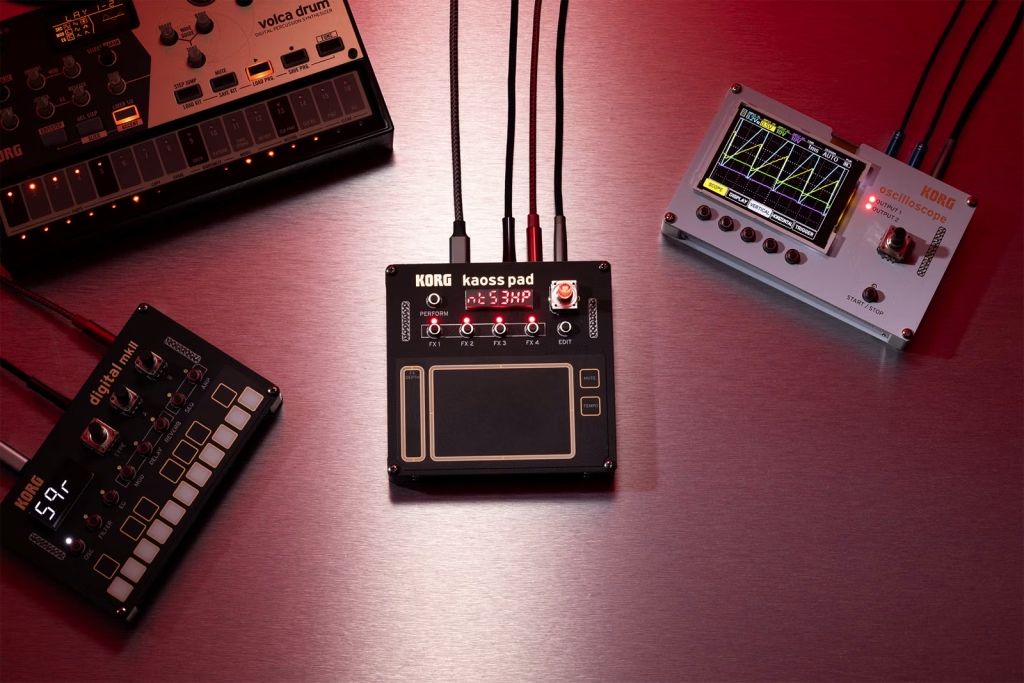
It is easy to talk about AI in music like it is only a software issue.
Faster MIDI generation, smarter arrangement help, cleaner mixes, instant ideas, less staring at a blank project. All of that can sound harmless enough until the shortcut starts reaching into the part of the process where the artist’s taste is supposed to live.
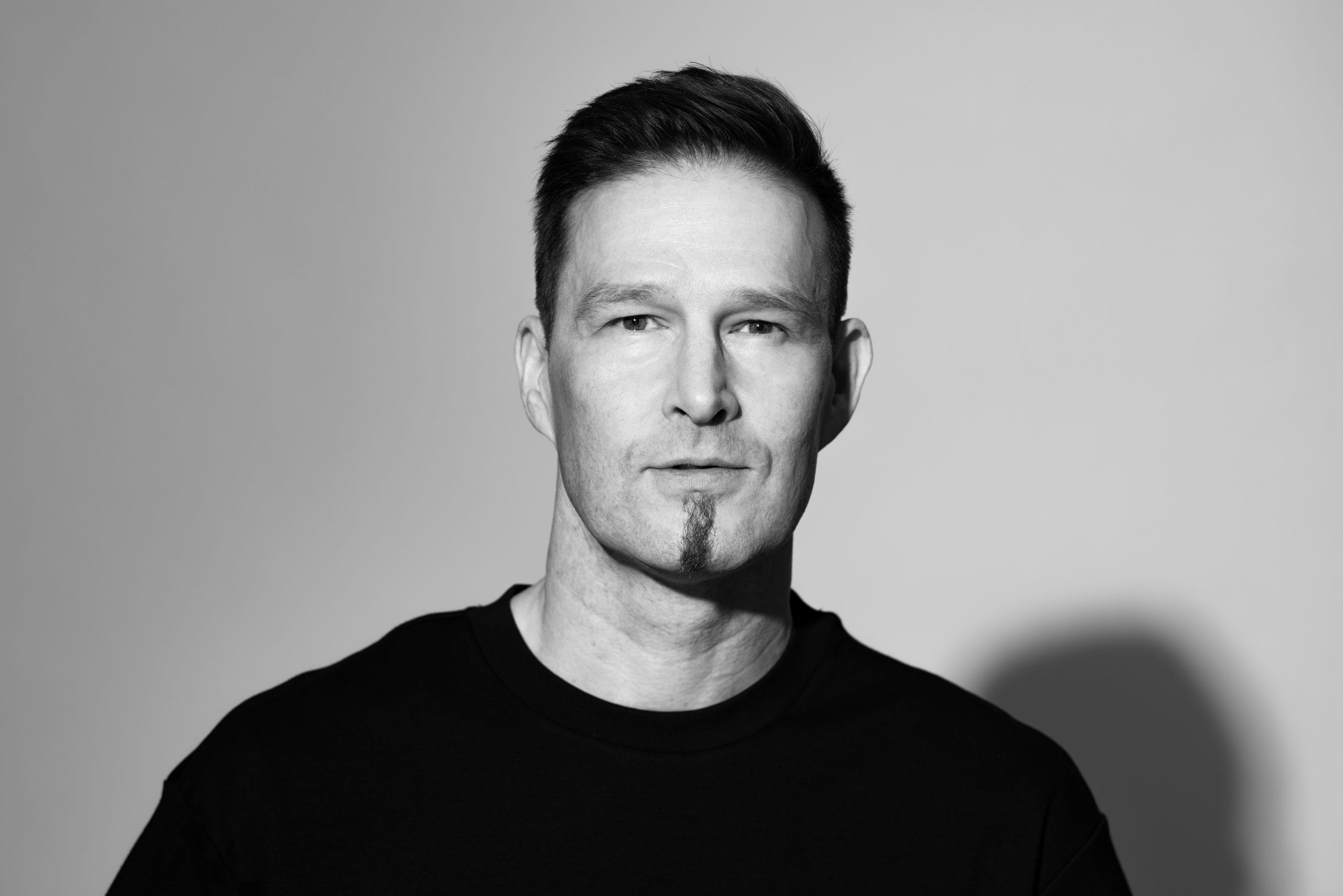
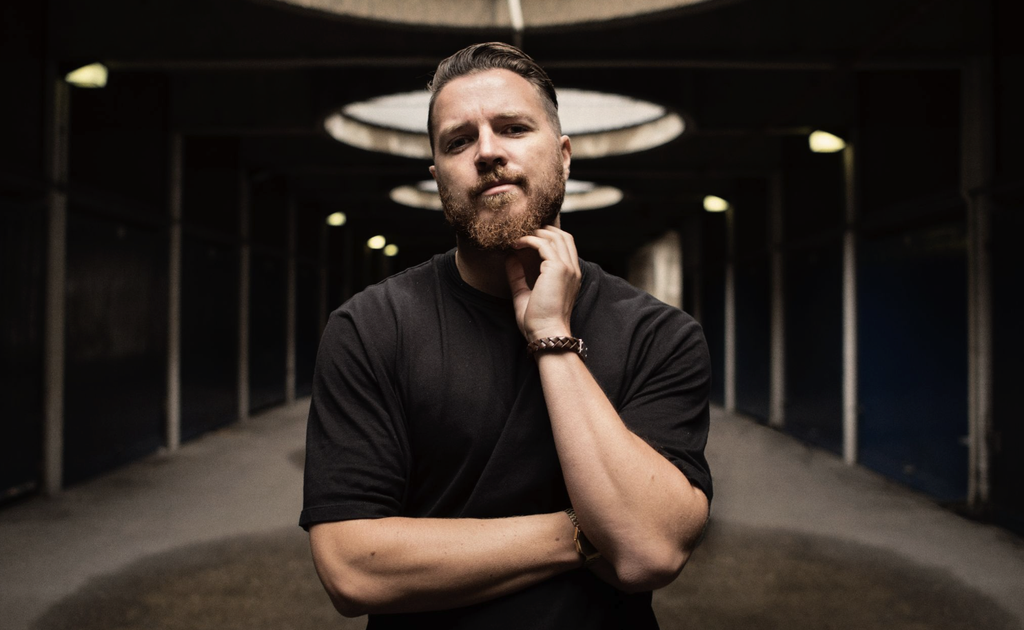
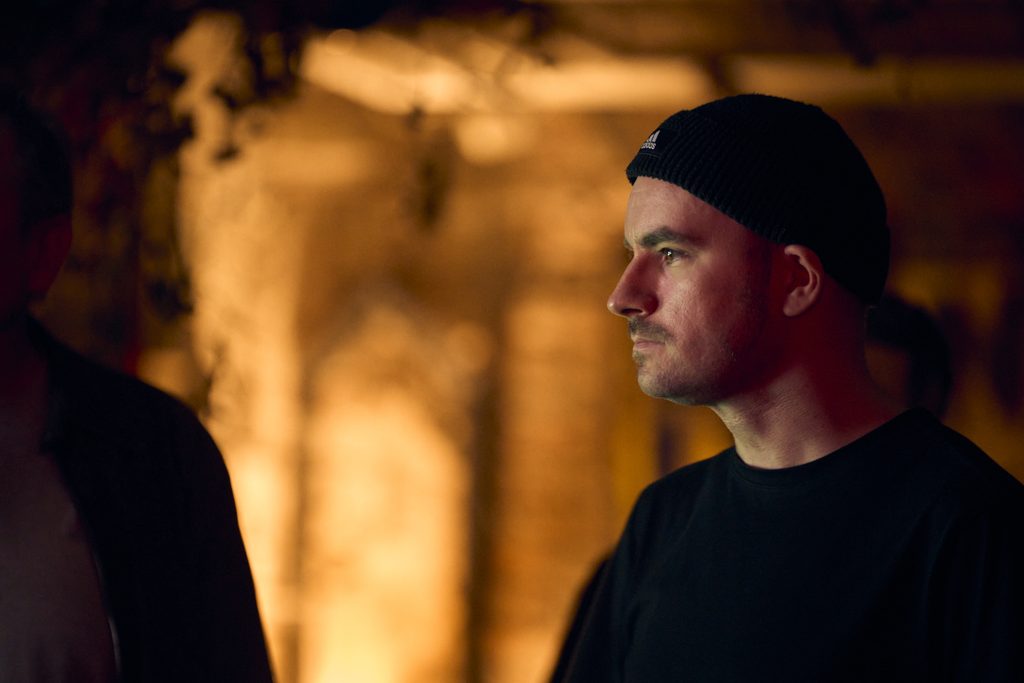
That is where Yeadon (@yeadonmusic) draws the line.
The Manchester-based producer has built his name in progressive and melodic house with releases across Stress Records, Global Underground, UV, and his own 10 Steps North, and his latest single “Don’t Forget” brings that lane into Magnetic Magazine Recordings. The track sits in the part of house music where emotion, patience, groove, and detail have to work together, which makes this conversation feel especially pointed. If the record is supposed to carry a person’s point of view, how much of the work can be handed away before the person starts disappearing from it?
The interview below is about generative plugins, AI, convenience, taste, and the slow accumulation of judgment that turns a producer into an artist.
Yeadon is not anti-technology…
He is clear that new instruments, synths, and production systems can open creative doors. But he is equally clear that there is a difference between using technology to realize an idea and letting it decide what the idea should be.
Interview With Yeadon
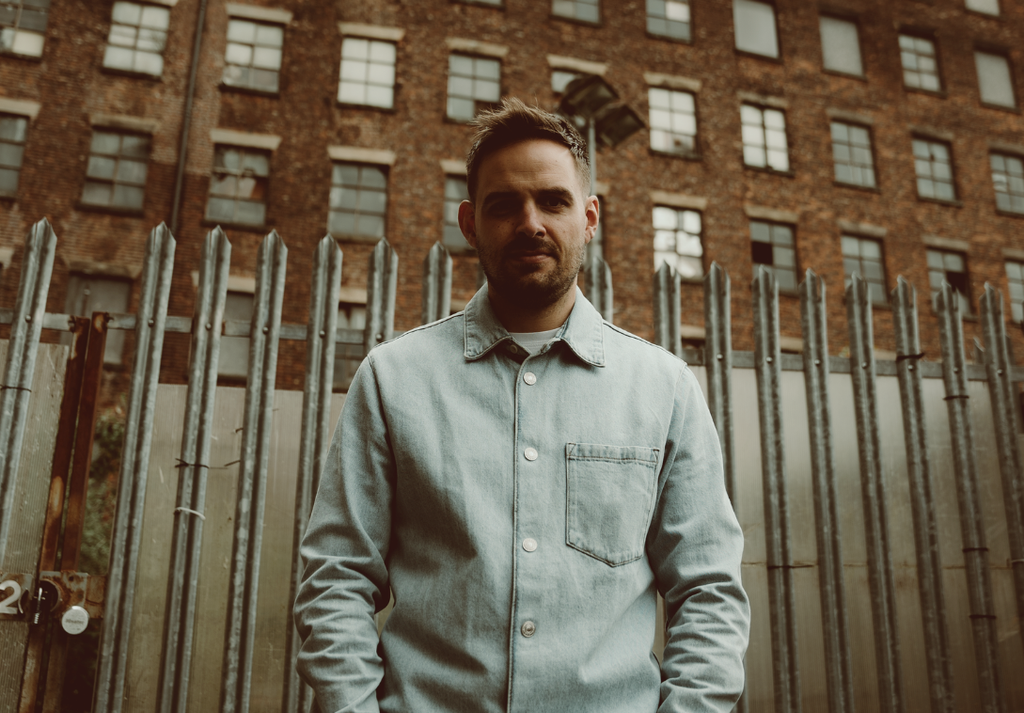
What part of an artist’s work loses something when it gets outsourced too early to generative plugins and tools like MIDI generators or AI, even if these feel like a useful tool?
From my point of view no significant parts of an artist’s work should be outsourced to a generative plugin or AI, at least when it comes to the creative side of things such as writing music. I don’t really understand why we would want to outsource something so personal, rewarding and enjoyable as writing music to AI.
I believe that when you’re in the flow, making music or creating art, you’re putting a piece of yourself into it. Handing this over to a generative plugin or AI is always going to mean the end result is less you, and very likely much more generic and less interesting as a result.
There are plenty of positives from using tools and technology to help with the process, but there’s a big difference between using a tool and asking it to make the creative decisions for you. The struggle, happy accidents, and unexpected twists and turns along the way are part of what makes music so rewarding and exciting.
When AI is used as a shortcut to get to the end result without going through the creative process, I think we risk bypassing the whole point of making art in the first place: the chance to connect with something and express it.
As production tools keep getting faster and smarter, what do you think separates a finished record from one that actually carries the artist’s point of view?
For me the records that speak to me are often less about whether they’re mixed well or technically perfect, and are more about the emotion and energy in the record. A track can be super polished, perfectly balanced, mixed in the best studio and still not say anything, or make the listener feel anything.
When I hear AI-generated music, this is often the feeling I get from it. The tracks sound too perfectly made, too perfectly mixed, and very often don’t have the emotion or energy to make me feel something, other than that something feels off.
I think that’s where an artist’s point of view comes in. It’s not about technical perfection and much more about the emotion, energy, choices and imperfections that make you feel there’s someone behind the music trying to express something.
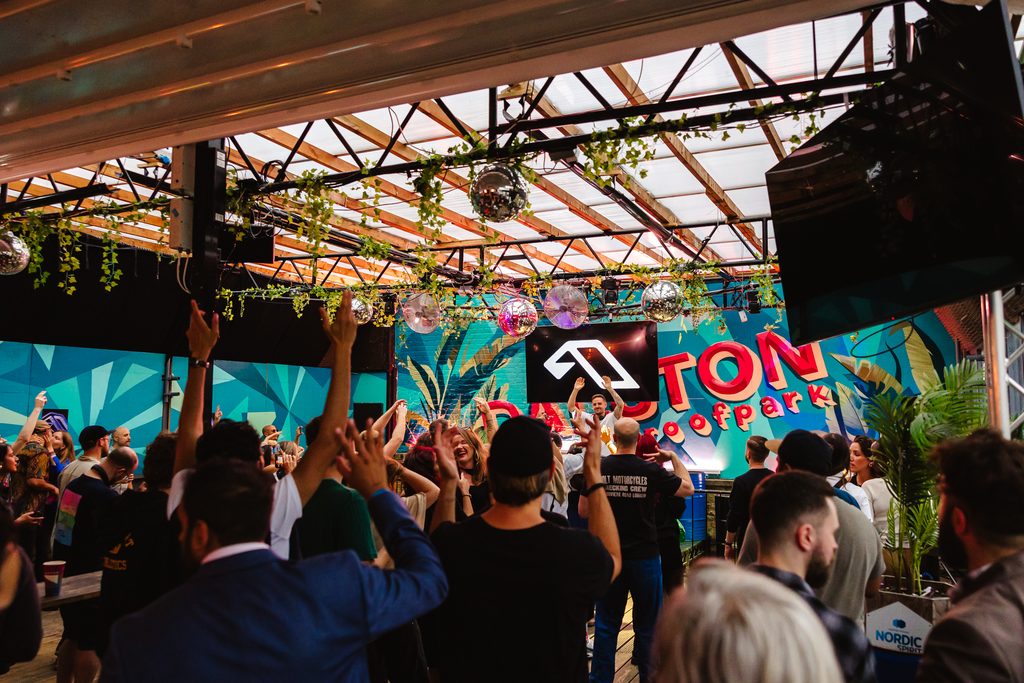
Where do you think convenience starts to blur the line between helping an artist move faster and making too many decisions on their behalf?
I think convenience becomes a problem if you’re using tools to come up with the ideas for you, instead of using them to realise your own ideas. I’ve never used a template for a track, and whenever I use samples I make sure I do something different with them so it’s unrecognisable from the original. I imagine both are extremely convenient ways to make music, but if you rely too heavily on things that have already made the creative decisions for you, the end result is always going to contain less of you.
For me the interesting part of making music is making those decisions yourself. There are endless tiny choices and decisions that make up a finished record, and I think it’s those choices that ultimately make a track feel and sound like you.

Which parts of making music still need to stay hands-on because they build the ear, judgment, and instincts that an artist relies on over time?
You won’t be surprised by my answer here — most of them. I think be hands off with the boring, admin type stuff. If you can get tools and technology to help with that then great. But in my view, this should be to free up time to do the interesting stuff, like making music.
I think there’s a danger that if you shortcut too many parts of the creative process, you miss out on developing the skills and instincts that only really come from practicing something for enough time, and making enough mistakes to learn what you need to learn. Those mistakes are often where the real development happens, and I’m not sure there’s a shortcut for that.

How can artists stay open to new technology without letting the tools quietly train their taste for them?
I think there’s a difference between letting technology influence or inspire you and letting it develop your taste for you. You might get a new synth, stumble across a great sound that resonates with you and think wow, let’s explore this direction. I love that side of technology. New tools can open doors and take you somewhere you might not have gone otherwise.
But I think your taste needs to be your own. It’s your taste that decides whether that unexpected sound is exciting, whether an idea is one you want to pursue and ultimately where you take it. That’s where I think generative tools could become a problem. If you increasingly rely on them to decide what sounds good or what should come next, you risk allowing the technology to shape your taste. For me technology is most exciting when it gives you new possibilities, while leaving you to decide what to do with them and where to take them.
Closing Thoughts

Yeadon’s discussion all comes together so well because he does not treat AI like a moral panic, just as he is not arguing that technology has no place in music, or that producers should pretend the studio has not changed. His point is more direct: the artist cannot outsource the part of the work where taste is formed. Once that goes, the record may still sound finished, but it starts to feel like nobody had to become more themselves to make it.
That connects pretty easily with Driver405’s interview on Splice, AI, and protecting rough ideas. Driver405 talked about how polished material can make an unfinished idea feel weaker than it really is. Yeadon is circling the same issue from the producer’s chair. The early mess is not a flaw in the process. It is often where the personal part of the record first appears.
Another useful line to draw is with Sample Focus on curation, discovery, and the future of sample libraries. Sample libraries can be a starting point, a spark, or a way to move into a new sound quickly, but Yeadon’s own sample practice is telling. He wants to change the source enough that it becomes his. That is the difference between using a piece of material and letting the material speak for you.
The line about perfection is worth sitting with.
A track can be balanced, polished, mixed well, and still say nothing. Producers know this feeling even when they do not say it out loud. The record checks every box, but the room stays cold because there is no human pressure behind the choices. Yeadon’s point is that emotion does not appear at the end of the process like mastering. It is built into the decisions from the first idea onward.
That is what makes “Don’t Forget” a fitting release to have this conversation around.
Progressive house is already a genre where polish can become a trap. The records that last usually have something more fragile moving under the drums: a melodic choice, a bit of tension, a sense of longing, a detail that does not feel optimized. Yeadon’s best work lives in that gap between function and feeling.
The broader takeaway is that technology is most interesting when it expands what an artist can reach, not when it quietly decides what the artist should want.

Will Vance is a professional music producer who has been involved in the industry for the better part of a decade and has been the managing editor at Magnetic Magazine since mid-2022. In that time period, he has published thousands of articles on music production, industry think pieces and educational articles about the music industry. Over the last decade as a professional music producer, Will Vance has also ran multiple successful and highly respected record labels in the industry, including Where The Heart Is Records as well as having launched a new label with a focus on community through Magnetic Magazine. When not running these labels or producing his own music, Vance is likely writing for other top industry sites like Waves or the Hyperbits Masterclass or working on his upcoming book on mindfulness in music production. On the rare chance he's not thinking about music production, he's probably running a game of Dungeons and Dragons with his friends which he has been the dungeon master for for many years.