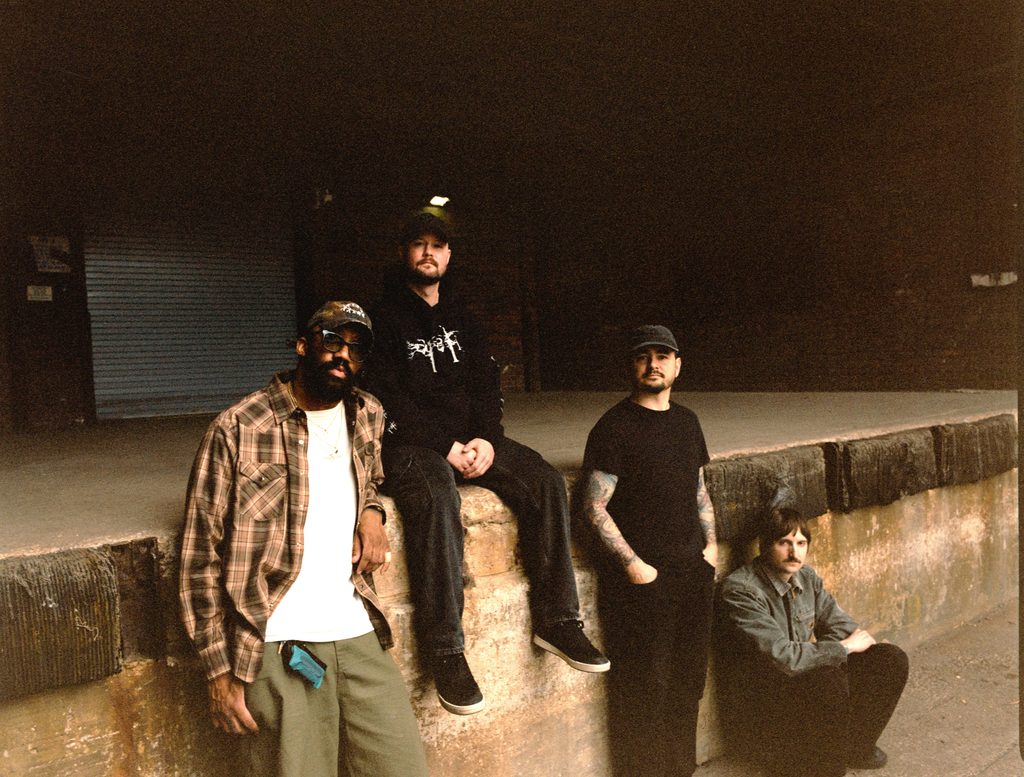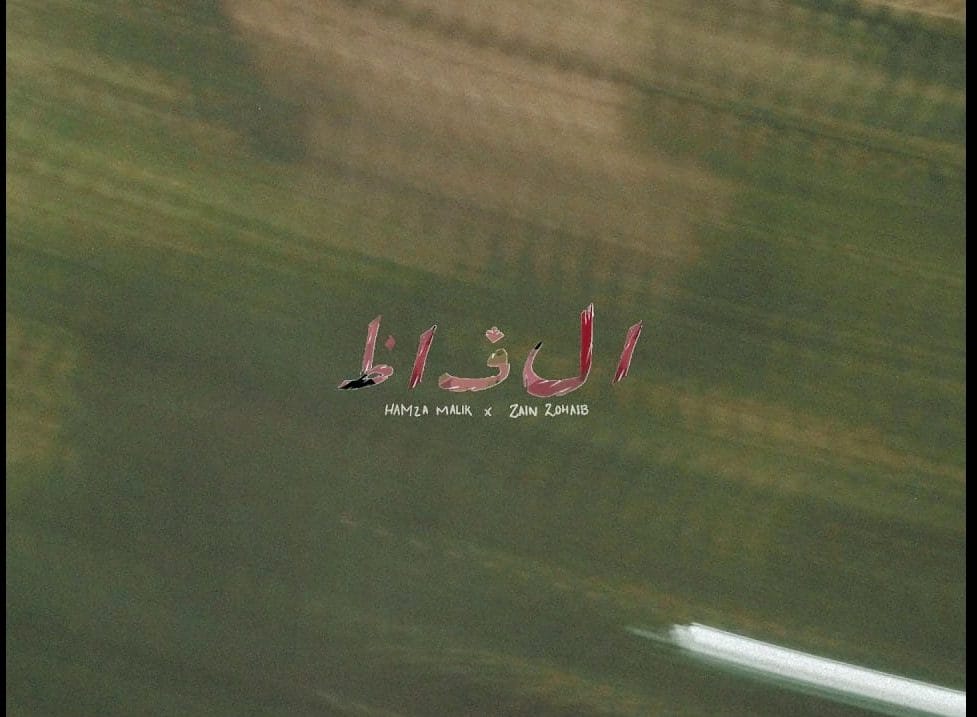
There is a good chance you have heard “Alfaaz” by Hamza Malik and Zain Zohaib by now, especially with how far the song has traveled since its release on July 23, 2026. The Urdu and Punjabi love song has passed 50 million streams on Spotify, reached number one in Pakistan and India, and climbed into Spotify’s Global Top 50. It also reached number two on the UK’s Official Asian Music Chart and caught the attention of Alan Walker and James Arthur, who began working on a new version of the track.
I think that’s an impressive run for a three-minute love song built around a man trying to explain how much someone means to him.
The warm vocals, gentle guitar work, and simple pop production all give the lyrics room to breathe, and I think the writing deserves a closer look, especially with how many people have connected with it.
I’ve always enjoyed studying English literature and creative writing, and this seemed like a good excuse to bring those interests into my music writing. I wanted to take a closer, more poetic look at “Alfaaz” and see what hundreds of years of love poems, literary history, and even modern fiction and fantasy could tell us about the feelings in its lyrics. These are all my own opinions and takeaways, and I hope these comparisons give you a new way to enjoy the song. What interests me most is how the singers move from being afraid of love to wanting to give everything they have to another person.
That story has been told in many ways throughout history, and I think looking at how other writers have explored these feelings helps us understand why a song like “Alfaaz” can mean so much to people today.
Alfaaz Lyrics With English Translation
Adapted interpretation of “Alfaaz” by Hamza Malik and Zain Zohaib. Roman Urdu/Punjabi paraphrasing and English interpretation prepared for editorial analysis.
“Pata Nahi Chala, Hum Badal Gaye”
The song begins with Hamza Malik singing, “Pata nahi chala, hum badal gaye,” which means, “I didn’t even know I had changed.” I think this is a great way to begin because it gives us a clear picture of where the singer is in his life. He seems surprised by his own feelings, almost as though he has looked back over the past few months and realized how different everything feels. The next line, “Karein ab kya, hum ishq mein phisal gaye,” means, “What can I do now? I’ve fallen in love.” The Urdu word phisal means to slip, and I think that choice tells us a lot. His feelings seem to have grown before he fully understood what was happening.
I think this is a familiar part of falling for someone.
You meet a person, spend time getting to know them, and slowly start to realize how much they matter to you. The things you look forward to during the day may change, and you may find yourself thinking of that person even when they are away. I like how Hamza seems to recognize this change in himself. He sounds a little surprised by how deeply he cares, and that gives us a good place to start understanding the rest of the song.
This reminds me of the Arabic poet Kuthayyir ‘Azzah, who lived during the seventh and eighth centuries and wrote many poems for a woman named ‘Azzah. In his poem Khalilayya Hadha Rab’u ‘Azzah, he speaks of how loving ‘Azzah taught him what it meant to cry over another person. In a simple English translation, he says that before ‘Azzah, he had never known what weeping was. I think that idea fits nicely with the opening of “Alfaaz.” Kuthayyir learned how deeply love could hurt, and Hamza is learning how much another person can change the way he sees himself. Both writers look back at who they were before falling in love and seem amazed by what they have learned.
“Tere Deedar Se Pehle”
The next lines tell us that Hamza used to be afraid of giving his heart to someone before he saw the person he now loves. I think this small detail tells us a great deal about how he approached relationships in the past. He may have been careful with his feelings because he knew how much it could hurt to care for someone. Meeting this person gave him a reason to take a chance, and I believe that is why the opening feels so personal. He is sharing something he once feared and showing us how his feelings have changed.
The word deedar is important here because it means seeing someone, and it has a long history in South Asian love poetry. Writers have used it to describe the joy of seeing a beloved after spending time apart and the deep wish to be near someone they care for. I think Hamza is looking back at the first time he saw this person as a turning point. That meeting gave him a new way to think about love, and now he is trying to understand how much has changed since then.
I also think the production works well with this part of the song. Atif Khan produced “Alfaaz,” with guitar work from Awais Kazmi, while Sherry Khattak handled the mix and Nick Burchall mastered the recording. The arrangement has a calm, easy feel that leaves plenty of space for the vocals. Hamza’s delivery sounds natural and personal, which works well for lyrics where he seems to be thinking through his feelings as he sings. For me, that helps make the opening believable and gives the listener a reason to care about what he says next.
“Mera Bhi Ussey Bataana, Woh Bhoolay Na”
After telling us how much love has changed him, Hamza begins asking how the person he loves is doing. He wants to know whether anyone has seen them, and he asks another person to pass along a message. He sings, “Mera bhi ussey bataana, woh bhoolay na,” which means, “Tell them of me too, so they remember me.” I think this is one of the most interesting lines in the first verse because it tells us how much the singer wants to know that he still matters to this person.
When we care deeply for someone, their thoughts and feelings can mean a great deal to us. We want them to remember us when we are apart, and we hope they look forward to seeing us again. I think the singer feels that same wish, especially since he seems to be asking someone else to help him reach his beloved. The line gives us a sense of distance between the two people, and I believe that distance helps explain why he is so eager to share his feelings.
This also brings us back to Kuthayyir’s poetry. Much of his writing deals with longing for ‘Azzah and remembering the places where she once spent her time. In both cases, the singer or poet wants to feel close to someone who seems far away. I think this connection helps explain why the pre-chorus matters so much.
Hamza has already told us how deeply he cares, and now we can see how much he wants those feelings to be shared. That leads us into the chorus, where he tries to explain just how special this person has grown to be.
“Unki Tareef Mein Kahein Kya, Alfaaz Hi Nahi Hain”
The chorus brings us to the main idea of the song. Hamza sings, “Unki tareef mein kahein kya, alfaaz hi nahi hain,” which means, “What can I say to praise them? I have no words.” The title Alfaaz means “words” in Urdu, and I think this choice works well because the whole song follows the singer trying to explain something he feels very deeply. He knows how important this person is to him, and he wants to make sure they understand it too. I think most people who have been in love can understand that feeling. You can tell someone they are beautiful, how happy they make you, and how much you care, and still wish you could find a better way to say it.
This reminds me of the Japanese poet Fujiwara no Kunitsune, who wrote more than a thousand years ago.
In poem 638 of the Kokin Wakashū, a collection of Japanese poems put together around the year 905, he writes of two lovers having to part at sunrise. The poem asks why feelings that are so hard to explain have filled his heart. I find that connection interesting because Kunitsune seems to be facing the same problem as Hamza. He knows how much he cares for someone and struggles to find words that feel right.
The poem comes from a tradition where lovers would spend the night together and part when morning came, which makes the arrival of dawn an important part of the story.
I think this gives us a useful way to understand the chorus.
The singer wants his beloved to know how much they mean to him, and every new line gives us another clue. He tells us how special they are and how deeply he cares for them. He also seems aware that finding the right words will always be difficult when the feeling means so much. I believe this is a big reason why the chorus has connected with so many listeners.
The words are simple, the melody is easy to remember, and the feeling is familiar. That combination has helped “Alfaaz” reach listeners far beyond Pakistan, with the song appearing on major streaming charts and drawing interest from artists across the world.
“Jo Kuch Mera Hai Sab Kuch, Unka”
The chorus continues with the line “Jo kuch mera hai sab kuch, unka,” which means, “Everything I have belongs to them.” I think this tells us how far the singer’s feelings have grown since the beginning of the song. He has already shared how afraid he used to be of falling in love, and now he is speaking of giving everything he has to the person he cares for. I hear a great deal of trust in that promise.
The singer seems ready to share his life with someone who has given him a new way to think about love, and I believe that is why the line feels so sincere.
This kind of language has a long history in South Asian poetry. The Saraiki poet Khwaja Ghulam Farid explored a very similar idea in his poem Meda Ishq Vi Tu. Farid writes, “Meda ishq vi tu, meda yaar vi tu,” which means, “You are my love, you are my beloved.” He then says, “Meda deen vi tu, meda imaan vi tu,” meaning, “You are my religion, you are my faith.”
Farid lived during the nineteenth century and wrote within the Sufi tradition, where love and faith were closely linked. His poem goes on to describe the beloved as his body, spirit, heart, and life.
I think this helps us understand the kind of devotion Hamza is expressing. Farid gives his beloved a place in every part of his life, and Hamza makes a similar promise when he offers everything he has.
The word ishq also matters here because it has been used for centuries in Urdu, Punjabi, Persian, and Sufi writing to describe deep love and devotion. I find that history useful because it shows how the singer is drawing from a way of speaking about love that people have understood for generations. And as the song moves into the Punjabi verse, we begin to hear how that devotion might look in the simple moments the singer wants to share with his beloved.
“Vekhaan Tennu Raat Saari, Charhdi Saveer Tak”
When Zain Zohaib begins singing in Punjabi, the song starts to feel like a closer look at the kind of moments two people might share when they are together. He sings, “Vekhaan tennu raat saari, charhdi saveer tak,” which means, “I could look at you all night, until morning comes.” I really like this line because it gives us a clear picture of how much the singer enjoys being near his beloved. He wants them to sit in front of him for a long time so he can look at them and enjoy their company. I think this is a sweet way to show how much someone means to you, especially when even a quiet evening together can feel special.
This brings us back to Fujiwara no Kunitsune’s poem.
He writes of the moment morning comes and two lovers have to say goodbye. Zain Zohaib seems to wish that the night could continue because he enjoys being with his beloved so much. Both writers make us think about how valuable time can feel when we are with someone we care for. I think that’s an interesting idea because so many of our best memories with people come from small moments. We remember the things they said, the places we visited, and how happy we felt spending time together.
I also like how the two singers bring different styles to the song. Hamza’s Urdu verse feels thoughtful and personal, while Zain Zohaib’s Punjabi lines have a warmer and more playful sound. The two approaches work well together because they give us different ways of hearing the same feelings. I think Atif Khan’s production helps with this too. The relaxed rhythm and gentle arrangement allow the singers to keep their delivery natural, which gives the song a friendly and familiar feel. That works especially well for lyrics where the singer seems to be speaking directly to the person he loves.
“Baaghan Vicho Main Te Torrey Tere Layi Gulaab Ve”
The next lines describe Zain Zohaib picking roses from a garden for his beloved. I think this is a nice detail because it gives us a clear picture of how he wants to show his feelings. He imagines bringing flowers to someone he cares for and speaking to them in a playful, respectful way.
He uses the words aap janab, which add a warm and personal touch to the verse. The singer then tells his beloved they are more beautiful than the stars and that nobody else could ever be quite like them. I think these lines work well because they help us understand how special he finds this person and how much he wants them to feel loved.
This also brings to mind a more recent kind of love story from Erin Morgenstern’s fantasy novel The Night Circus. In the book, two magicians named Celia and Marco share their feelings through the magical spaces they make for each other. I find that connection interesting because both stories show people finding personal ways to express their love. In the novel, the characters make beautiful places, while in “Alfaaz,” the singer picks roses, shares his time, and finds little ways to make his beloved feel special.
These details help us see how people can express love through the things they choose to do.
I think this is also a good example of why the song has connected with listeners across different countries. The images are easy to understand, and the feelings behind them are familiar. “Alfaaz” reached number one on Spotify in both Pakistan and India, climbed into the Global Top 50, and reached number two on the UK’s Official Asian Music Chart. Alan Walker also traveled to Lahore to work with the singers, and James Arthur later shared plans to add English vocals to a new version.
I think that kind of attention shows how far a song can travel when people find something in the writing that feels personal to them.
“Jinna Aunda Si Mainu Pyar Karna Ji”
Near the end of the second verse, Zain Zohaib sings a line that means, “All the love I knew how to give, I have given to you.” I think this is one of the most honest lines in the song because the singer is speaking from what he knows. He has his own ideas of how to care for another person, and he feels he has shared all of them with his beloved.
We all learn different ways to show love through our lives, and each relationship can teach us something new. I like how this line makes the singer sound aware of his own limits and abilities, especially after hearing how deeply his feelings have grown.
This brings us back to Khwaja Ghulam Farid’s poem, where the beloved holds such an important place in the speaker’s life. Farid describes love through the things that matter most to him, and Zain Zohaib makes a similar promise when he says he has given all the love he knows how to give. I think both writers are exploring the wish to give another person a very important place in their lives. The language feels sincere because both seem to be speaking from their own experience and understanding of love.
What I find interesting is how the song has moved from the singer being afraid of love to feeling ready to give everything he can. We have heard him talk about how much his beloved has changed him, how much he wants to be near them, and how deeply he wants to care for them. Now he seems to feel that he has given all the love he knows how to give. I think this makes the next part of the song even more meaningful because it shows how those feelings can change the way he sees the places around him.
“Main Te Chum Lawan, Ohna Rawaan Nu”: Why Even the Roads Someone Walks Can Feel Special
One of my favorite lines in the song comes when Zain Zohaib says he would kiss the roads his beloved has walked on. He sings, “Main te chum lawan, ohna rawaan nu,” and follows by saying he would kiss the paths where this person has passed, even once. I think this is a lovely idea because it shows how deeply he cares for the person and how much meaning he gives to the places connected to them. Imagine walking through a park where you once spent a happy day with someone you love. You might remember the things you talked about, the places you stopped, and how you felt being there together. Those memories can stay with us for years, and I believe that is the feeling behind this line.
This is where Kuthayyir ‘Azzah’s poetry gives us one of the clearest connections to the song. In his poem, Kuthayyir asks his friends to stop at a place where ‘Azzah once stayed. He then tells them to “touch the earth that once touched her skin.” I think that line is a remarkable match with “Alfaaz.” Kuthayyir wants to touch the ground where the woman he loves once stayed, and Zain Zohaib wants to kiss the roads his beloved has walked. Both writers give special meaning to places because of the person they remember there.
Kuthayyir even asks his friends to pray where ‘Azzah once prayed, which shows how deeply he values the places connected to her.
I believe this helps explain why Zain Zohaib’s words feel so personal. The singer cares for his beloved so deeply that even the streets and paths around him can bring that person to mind. And when we think back to the first verse, this gives us another example of how much love has changed him. Hamza began by telling us how different his life had grown since falling in love, and now we can see how those feelings affect the way he looks at the world around him.
I think this is one of the strongest links between the lyrics and the older poems because it shows how people have been expressing these same feelings for hundreds of years.
“Ya Te Tu Hi Ay, Ya Te Koi Nai”
After speaking of the roads his beloved has walked on, Zain Zohaib makes one of the strongest promises in the song. “Ya te tu hi ay, ya te koi nai” means, “Either it is you, or it is no one.” I think this line brings together everything we have heard so far. The singer began the song by telling us how afraid he used to be of love, and now he speaks with great trust and certainty about the person he wants in his life. He has spent the whole song telling us how this person changed him, how much he wants to spend time with them, and how deeply he cares for the little things connected to them.
I hear a strong wish to share his life with someone who means so much to him. This also brings us back to Farid’s words, “You are my love, you are my beloved.” Farid gives his beloved a place in every part of his life, and Zain Zohaib makes a similar promise through the idea of choosing one person. I think this line works well near the end of the song because we have already heard all the reasons this person matters to him. He has shared his feelings through each verse, and now he seems ready to make a clear promise of devotion.
The final lines of the pre-chorus ask the beloved to listen to what the singer has to say. I find that detail important because it brings us back to the main idea of the song. He wants this person to understand how much they mean to him, and he has spent the whole song trying to find ways to explain it. The chorus then returns with both singers, and I think those words feel different now that we have heard everything that has come before.
Themes, Meanings, And Main Takeaways
What stays with me most after listening to “Alfaaz” is how the singers show love changing the way a person sees their whole life. Hamza starts by telling us he never expected to fall in love, and by the end, Zain Zohaib is talking about kissing the roads his beloved has walked. I think there is a clear connection between those two feelings. When we care deeply for someone, the places we visit, the things we see, and the way we spend our time can all start to remind us of them. Kuthayyir ‘Azzah explored this same idea more than a thousand years ago when he wrote of touching the earth where his beloved once stayed.
His poetry came from a tradition where love, distance, and the memory of an absent beloved were closely linked. I think this helps explain why the roads in “Alfaaz” matter so much. The singer has given those places a special meaning because they remind him of someone he loves, and even the smallest parts of his daily life now carry memories of that person.
I also think the song has a lot to say about why we struggle to explain our feelings, especially when we want another person to understand how much they mean to us. The chorus keeps coming back to the idea that the singer has no words, and Zain Zohaib later tells us he wants to look at his beloved all night until morning. Those two ideas remind me of Fujiwara no Kunitsune’s poem from the Kokin Wakashū. Kunitsune writes of two lovers having to part at dawn and wonders why he feels things he cannot explain. I find that connection especially interesting because both writers place so much value on the time we spend with someone we love.
In “Alfaaz,” the singer wants that time to continue through the night, and Kunitsune helps us understand why those hours can feel so precious. When I think back to the chorus, I hear someone trying to explain a feeling that has grown through all the little moments he has shared with another person.
The last connection I keep coming back to is Khwaja Ghulam Farid’s Meda Ishq Vi Tu, where he tells his beloved, “You are my love, and you are my beloved,” before describing them as his faith, heart, and life. Farid was writing within the Saraiki Sufi tradition, where love could express a person’s bond with God. That history gives us a useful way to read the promises in “Alfaaz,” especially when Hamza says everything he has belongs to his beloved and Zain Zohaib says he wants this person alone.
I hear someone giving another person a very important place in his life, just as Farid used the language of complete devotion to explain what love meant to him. Kuthayyir shows us how love changes the meaning of places, Kunitsune shows us why time together can feel so precious, and Farid shows us how deeply another person can shape the things we value.
When I listen to the final chorus with all of that in mind, I can better understand why the singers keep saying they have no words. They have spent the whole song showing us how much this person means to them, and they still wish they could find a way to say more.

Will Vance is a professional music producer who has been involved in the industry for the better part of a decade and has been the managing editor at Magnetic Magazine since mid-2022. In that time period, he has published thousands of articles on music production, industry think pieces and educational articles about the music industry. Over the last decade as a professional music producer, Will Vance has also ran multiple successful and highly respected record labels in the industry, including Where The Heart Is Records as well as having launched a new label with a focus on community through Magnetic Magazine. When not running these labels or producing his own music, Vance is likely writing for other top industry sites like Waves or the Hyperbits Masterclass or working on his upcoming book on mindfulness in music production. On the rare chance he's not thinking about music production, he's probably running a game of Dungeons and Dragons with his friends which he has been the dungeon master for for many years.