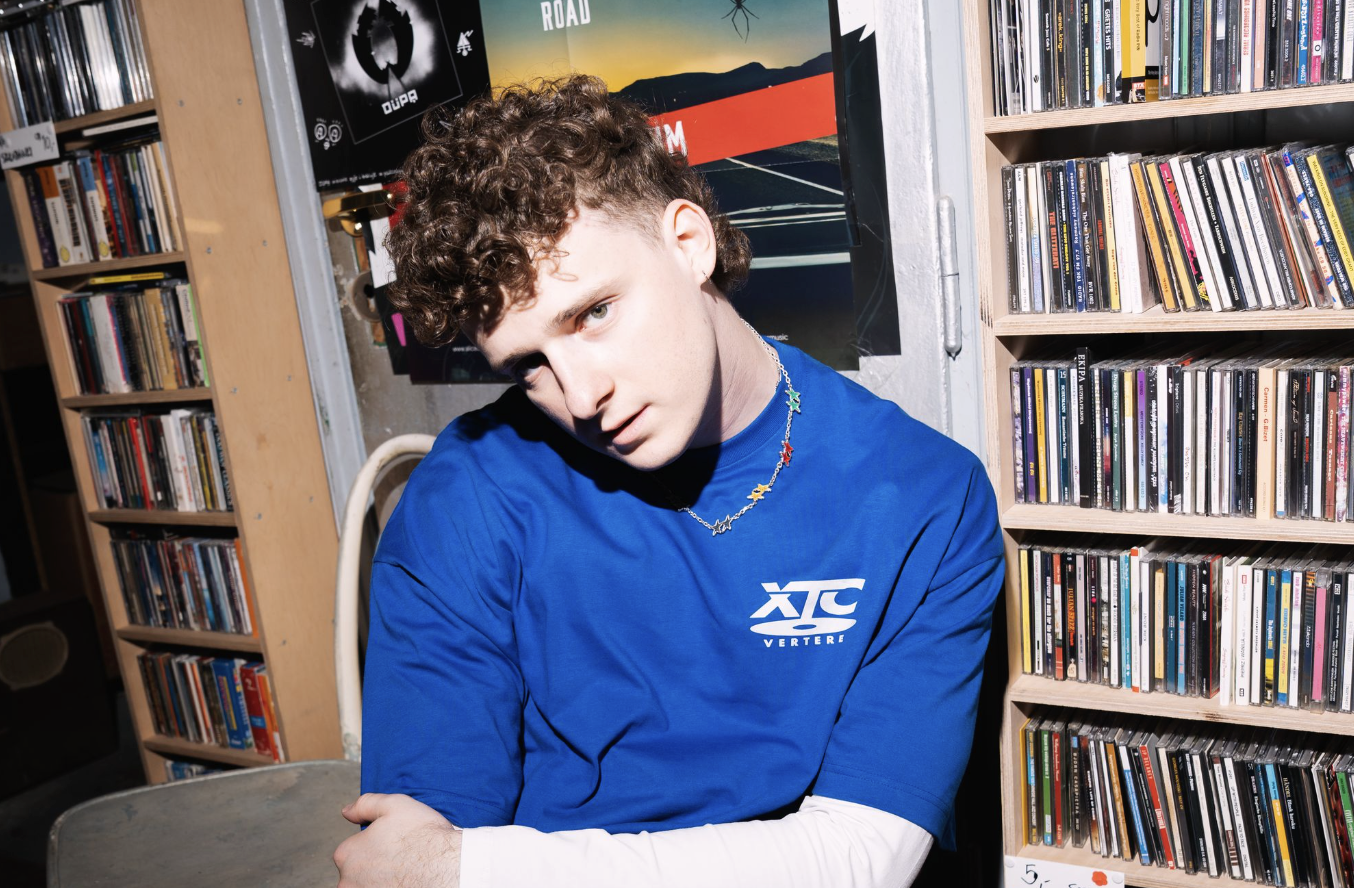
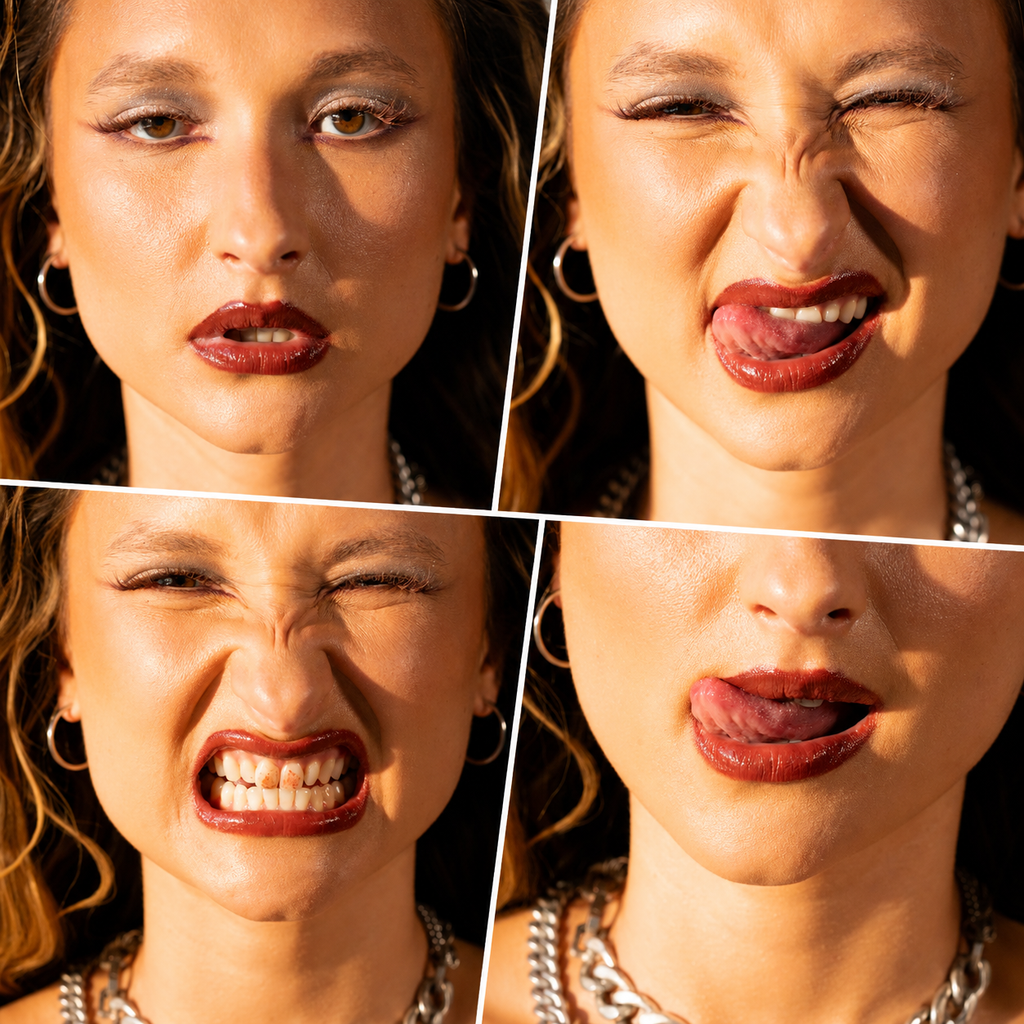
SAM SHI’s (@samshi.music) “Comfort Zone” lands at a strange point in the technology conversation because the song is not really about production software at all. It is about the places people hide. Relationships, jobs, achievement loops, external validation, the neat-looking life that can keep a person from sitting still long enough to hear what they actually want.
That makes her answers about AI and artist workflows feel less theoretical than usual, because she keeps bringing the question back to the same point: what part of the process actually belongs to you?
The single opens Live From Santa Monica, an EP recorded live with a band and paired with a performance film shot on the California coast. It arrives after a summer that put SAM SHI’s voice in very different electronic spaces, first on Nico Szabo and Aske Izan’s “Aside” for Anjunadeep Explorations, then on Enamour’s “What U Said” for Crosstown Rebels. “Comfort Zone” turns toward the singer and songwriter side of her project, pulling the emphasis closer to the room, the performance, and the physical act of making something rather than optimizing the quickest route to output.
That is where our discussion with her sits.
SAM SHI is not anti-AI, and she definietly isn’t trying to pretend modern creative tools have no place in the process. She uses them to soundboard ideas, test strategy, and think through decisions, but she is blunt about the danger of letting them take over the part of the work that gives an artist a voice in the first place.
In a music culture increasingly trained to value speed, her argument is that the slow, obsessive, embodied part of the process may be the part worth defending most.
Interview With SAM SHI
As music-production tools get easier to use and their outputs get “better,” which part of the process should artists protect most?
As tools get easier and outputs get “better,” the risk isn’t the tools, it’s outsourcing the part of the process that makes the work yours. For me, protecting the process has meant treating my environment and workflow as sacred: optimizing not for speed, but for a setup where my creativity can flow without friction — no disconnected cable, no outdated plugin standing between me and the idea.
But the part I protect most fiercely is whatever catalyzes the actual expression: the 3-hour hyperfixation, the agonizing over lyric A versus lyric B, the refusal to just copy/paste what everyone else is doing. Easier tools can speed up execution, but they do not define that part for you. Protect your recipe.
Before automating part of the workflow, what should producers ask themselves?
Why am I automating this? Does automating this part of the workflow actually serve my goals as a producer? What are my goals as a producer?
I invite producers to approach their work with curiosity and depth. Something I’ve come to appreciate lately is that good things take time. Let the pot stew. Slow cook that tasty track in the oven. What’s the rush? Good things take time.
How can artists tell when a tool has moved from helping the track to steering the track?
This is a fascinating question. At first, I wasn’t really sure I even understood it, but I guess this happens when an artist loses themselves in a tool. The first thing that came to mind was AI psychosis. Asking AI what to do as opposed to using your own brain.
One of the incantations that I have written on the whiteboard in my hallway is “every move I make is strategic” and this now also applies to my songwriting and music production. An artist should always know what purpose a tool is serving and be intentional about its use.
If the tool is unintentionally steering the track, then the artist has lost control of themselves in the process, and then it’s no longer art, it’s possession. If that’s intentional, then that is still a form of expression and commentary, but I’m assuming that this question is asking about the unintentional path.

Where do artists need clearer boundaries around AI-assisted work?
I am of the opinion that artists can set whatever boundaries they want, as long as they are being mindful and intentional about it, and as long as they aren’t imposing their methods and views upon others. I believe that AI is a mirror and it’ll show you who you are.
If you choose to outsource all of your thinking and creativity to AI, then that’s your choice. I don’t want to outsource the music making process to AI because I actually enjoy making music.
I’m not against AI entirely. Do I think we could use less of it in our day to day? Yes. Do I want every platform and app to prompt me with an AI feature? No. Do I use AI to soundboard my own ideas, strategies, and thoughts? Yes.
But I have a firm stance on always asking follow-up questions and always asking myself if my usage of AI is actually serving my goal. I noticed that I lost a lot of joy when I would immediately jump to AI and prompt things like, “Hey, I want to write a song about this idea that love is a mirror.”
Like actually sitting in my living room with a physical pen and a notebook and my acoustic guitar is part of the process that I enjoy. Why would I outsource that? Playing chords on my keyboard or messing around with basslines and FXs on my synthesizer. And taking my sweet time with this. That’s the whole point.
I don’t need AI to do the things that I actually want to do. Sure, it’s fun to play around with AI. I gave Suno a try and was at first amazed by the stuff it could generate, but I felt robbed of the process, and the listening experience lacked joy. There’s a balance to strike, and producers have to hold themselves accountable for this balancing act.
How should producers think about AI as a pressure on behavior, rather than another tool category?
All tools affect behavior, AI is just louder about it. I think it gets treated as its own category because of the leap in technology and, more specifically, the interaction design: it talks back, it anticipates, it flatters.
That’s what makes it feel different, not some fundamental break from “tool.” But the underlying question is still the same one it’s always been: does the producer know who they are, what they care about, and why they’re here?
I think this era is going to reveal that pretty clearly: who’s actually present with their project, and who’s just performing presence for validation. Who’s here to share a perspective, and who’s here to be seen sharing one.
Closing Thoughts
The line that holds this interview together is “protect your recipe.”
That is a better way of talking about AI than pretending the whole issue is simply whether a producer uses it or refuses it. SAM SHI is talking about the part of the work that becomes yours because you stayed with it long enough to know why each decision was made.
That connects directly with ELPHNT’s interview on building a sustainable music life. ELPHNT talked about teaching producers to think rather than chase shortcuts, and SAM SHI is circling a similar idea from a more personal angle. The work is not only the finished file. The work is also the pace, the room, the whiteboard note, the instrument in your hands, and the part of the day where you decide what the song is allowed to become.
There is also a clean connection with Yeadon’s interview on progressive house in the AI era. Yeadon’s concern was that AI can start taking over the decisions that should belong to the artist, while SAM SHI pushes the point further into behavior. The tool does not only change what gets made.
It changes how quickly someone stops asking themselves what they actually wanted in the first place.
That is why “Comfort Zone” is such a useful release to place next to this conversation.
The song is about recognizing the hiding places that once looked like safety, and her answers treat AI as one more possible hiding place when the artist reaches for it before facing the harder creative question. The point is not that every use of AI is avoidance. The point is that convenience can make avoidance look productive.
Her line about Suno is especially telling. She was impressed by what it could generate, then noticed that the listening experience lacked joy because the process had been taken from her. That detail matters because artists do not only want output. Many artists want the felt experience of writing, testing, failing, changing a line, playing the chord again, and realizing that the slow part was the reason the finished thing had any emotional meaning.
That also sits beside Maor Levi’s interview on speed, taste, and producer confidence. Maor’s point was that fast, finished-sounding output can make artists doubt the rough early phase of their own ideas. SAM SHI’s answer gives that phase a more intimate defense. The first slow version may not look efficient, but it is where the artist learns what they care about.
The performance-film context gives the whole piece a second layer. Live From Santa Monica was recorded with a band in a live session, with existing catalog songs brought back closer to how they feel in a room. That choice mirrors the philosophy in the interview. Bring the song back to bodies, breath, instruments, timing, imperfection, and the shared pressure of one take happening in real time.
The broader takeaway is that SAM SHI is not asking artists to become slower for the sake of nostalgia.
She is asking them to stay awake inside their own workflow. AI talks back, flatters, anticipates, and makes decisions feel easy, which means the artist has to become even more precise about what they are protecting. For her, that protection includes the notebook, the acoustic guitar, the synth, the long hyperfixation, the lyric argument, and the small private pleasure of making the thing herself. That is where “Comfort Zone” and this interview meet: leaving the old hiding place only matters if the next life is actually yours.

Will Vance is a professional music producer who has been involved in the industry for the better part of a decade and has been the managing editor at Magnetic Magazine since mid-2022. In that time period, he has published thousands of articles on music production, industry think pieces and educational articles about the music industry. Over the last decade as a professional music producer, Will Vance has also ran multiple successful and highly respected record labels in the industry, including Where The Heart Is Records as well as having launched a new label with a focus on community through Magnetic Magazine. When not running these labels or producing his own music, Vance is likely writing for other top industry sites like Waves or the Hyperbits Masterclass or working on his upcoming book on mindfulness in music production. On the rare chance he's not thinking about music production, he's probably running a game of Dungeons and Dragons with his friends which he has been the dungeon master for for many years.