Table of Contents
Throwing a renegade rave or pop-up dance party has become considerably easier over the past few years, and while I’m not suggesting you can recreate a full nightclub experience with a couple of battery-powered speakers and some lighting from the back of your car, you can put together a pretty capable setup without spending thousands of dollars on permanent installations or hauling an entire production team’s worth of equipment around with you.
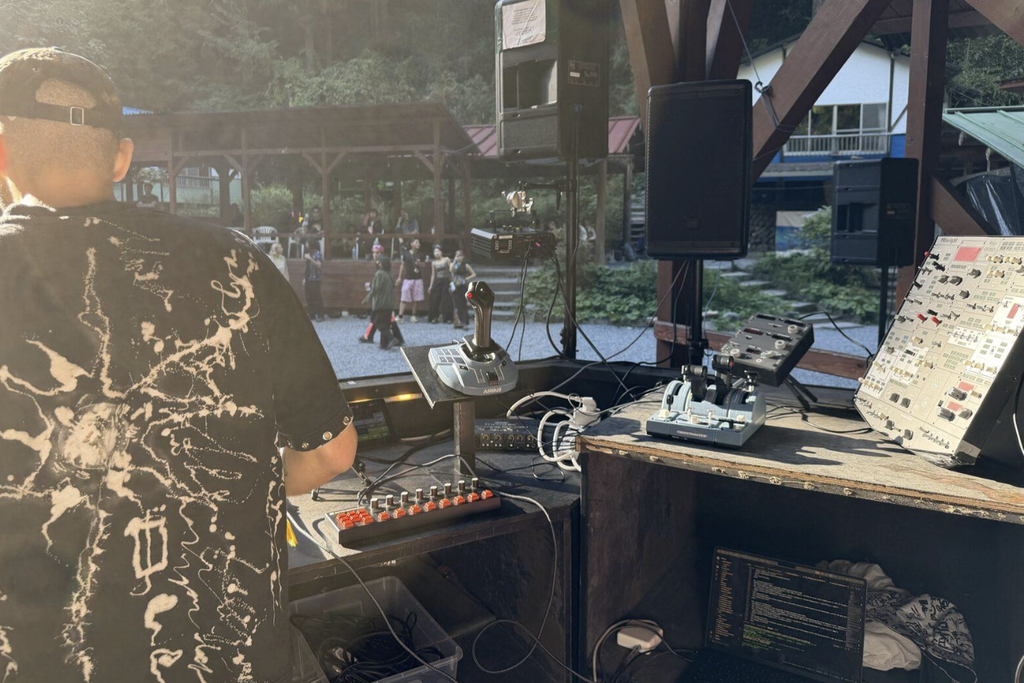
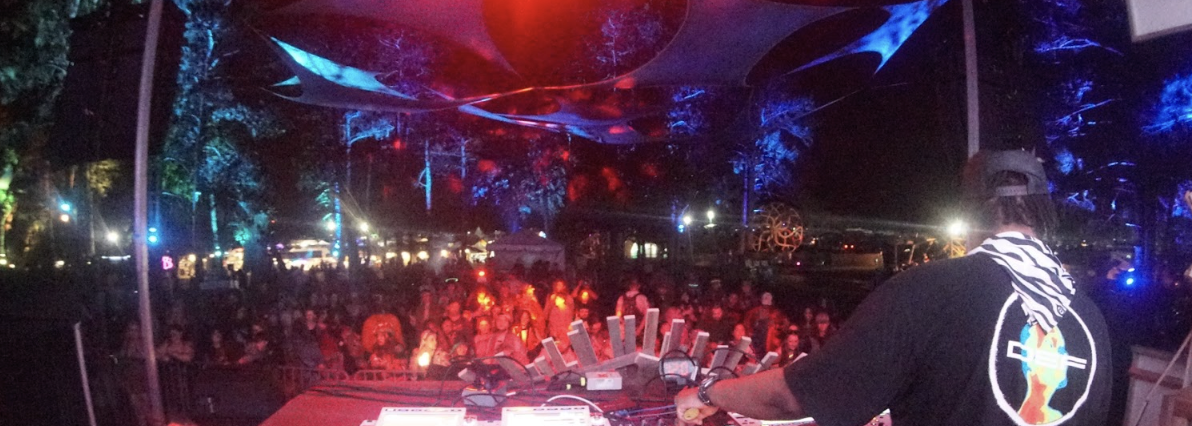
This is something that’s been on my mind a lot lately after seeing a small renegade party that started around COVID (I think it was just after lockdown) here in Portland that I DJed at during one of its earlier iterations that has grown to be one of the city’s biggest parties while still having that renegade vibe: Tabor Dance
The interesting thing is how much of the equipment we traditionally associate with professional DJ booths and event production has become portable. We’ve now got standalone DJ controllers that run for hours without external electricity, battery-powered speakers that can handle substantial crowds, dedicated portable subwoofers, and lighting systems from companies like CHAUVET DJ that let you create a coordinated lighting setup without learning complicated DMX programming.
After years of reviewing DJ equipment, interviewing artists, and talking with people who put on events, I’ve found that the equipment is only part of the equation. Knowing how to position your speakers, use lighting without overwhelming your audience, and prepare a setup that won’t become a technical problem halfway through the evening matters just as much.
So, let’s look at the products I’d recommend, why they’re worth considering, and what you should know before planning your next party.
The Best Portable Rave Gear at a Glance
If you’re just here for the gear and don’t think you need any of the advice I’m about to write, here’s a comparison table you can place near the beginning of the article, with direct manufacturer or retailer links, relevant coverage that we’ve done or our in-depth thoughts about the thing, and a quick explanation of where each product fits into a portable DJ setup.
| What It Is | What It’s Best for | What Powers It | Where to Snag It | What We’ve Said about It |
|---|---|---|---|---|
| Denon DJ PRIME GO+ | Standalone portable DJ setup | Battery | Denon DJ | Review |
| AlphaTheta OMNIS-DUO | Portable DJing with professional connections | Battery | AlphaTheta | Review |
| SOUNDBOKS 4 | Main speakers for outdoor parties | Battery | SOUNDBOKS | Review |
| Alto Professional TX412 | Affordable powered PA setup | AC | Sweetwater | Review |
| Trulli Bass50 Rugged | Portable subwoofer and low-frequency support | Battery | Trulli Audio | Editor’s Choice review |
| CHAUVET DJ GigBAR 3 ILS | Complete portable lighting system | AC | Guitar Center | Coverage |
| SOUNDBOKS Lightboks | Wireless, music-responsive lighting | Battery | SOUNDBOKS | Review |
| EcoFlow DELTA 2 Max | Portable power for lights and PA equipment | Rechargeable power station | EcoFlow | Review |
DJ Without A Laptop
One of the first things I’d recommend when building a portable party setup is finding a DJ controller that runs independently of a computer, because the fewer devices you need to connect, power, and troubleshoot, the easier your evening becomes.
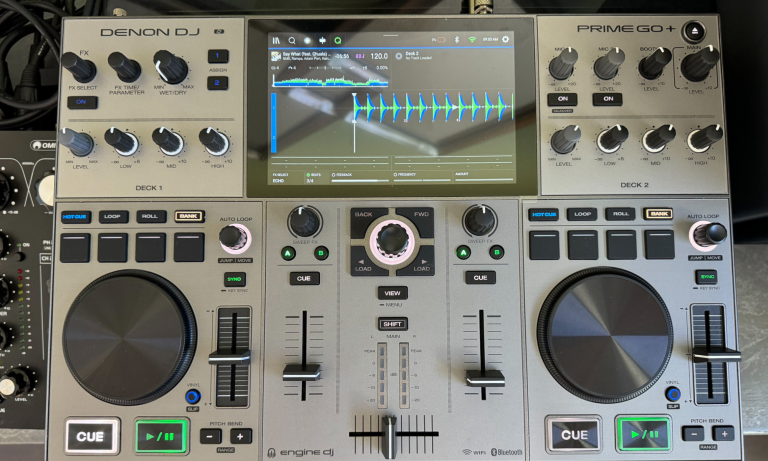
The Denon DJ PRIME GO+ is an excellent starting point, and our review awarded it an Editor’s Choice designation for its combination of portability, battery operation, and professional functionality.
You’re getting two standalone decks, a seven-inch touchscreen, USB and SD card playback, balanced XLR master outputs, and up to six hours of advertised battery life, which is a considerable amount of functionality for something you can comfortably carry in a backpack.
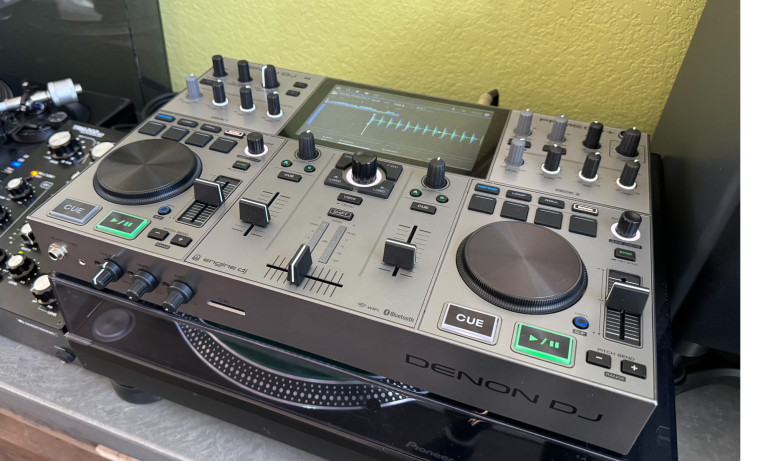
What I dig about a system like this is that you’re not compromising your ability to perform just because you’ve moved away from a conventional DJ booth.
You can prepare your library beforehand, connect directly to compatible speakers, and start mixing without worrying about laptop batteries, software compatibility, or whether somebody remembered the correct USB cable.
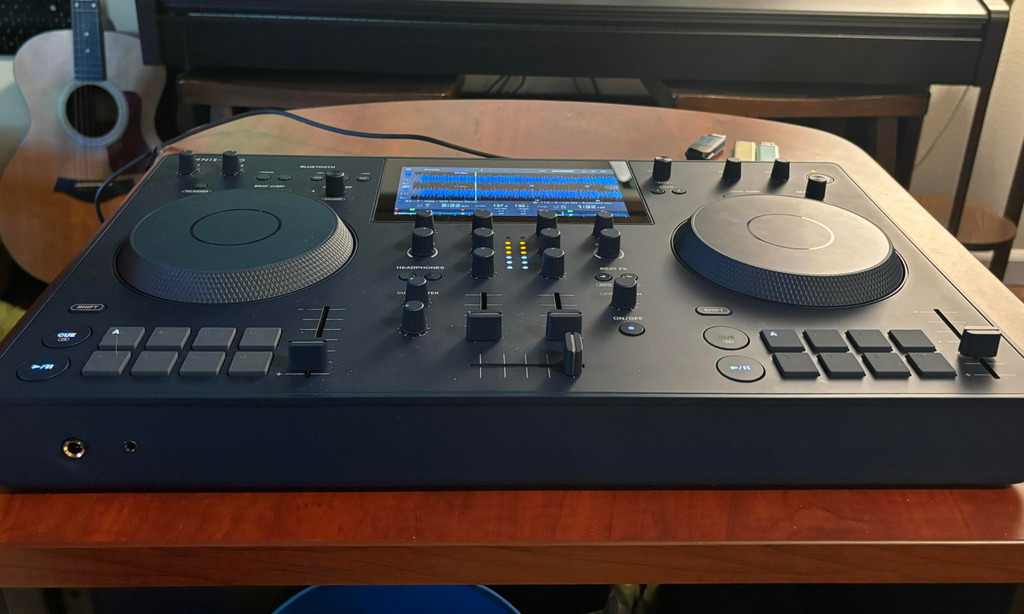
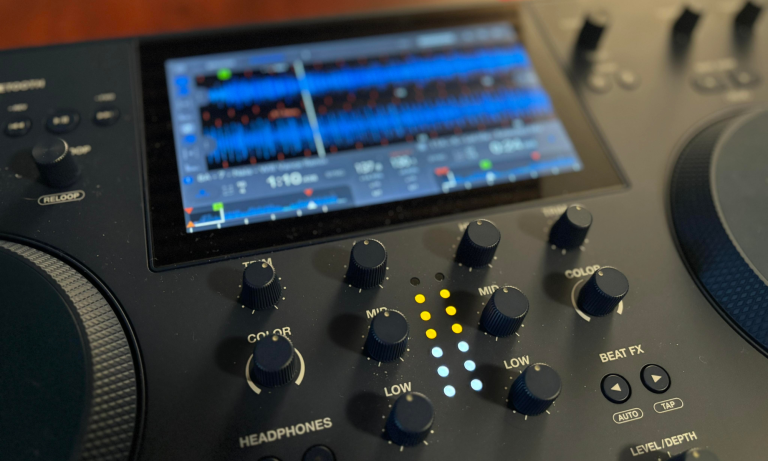
The AlphaTheta OMNIS-DUO is another option worth considering, especially for DJs already familiar with AlphaTheta’s hardware and rekordbox workflow.
It also features an integrated battery, standalone playback, professional audio connections, and Bluetooth audio input, which provides an additional option for playing music from a phone.
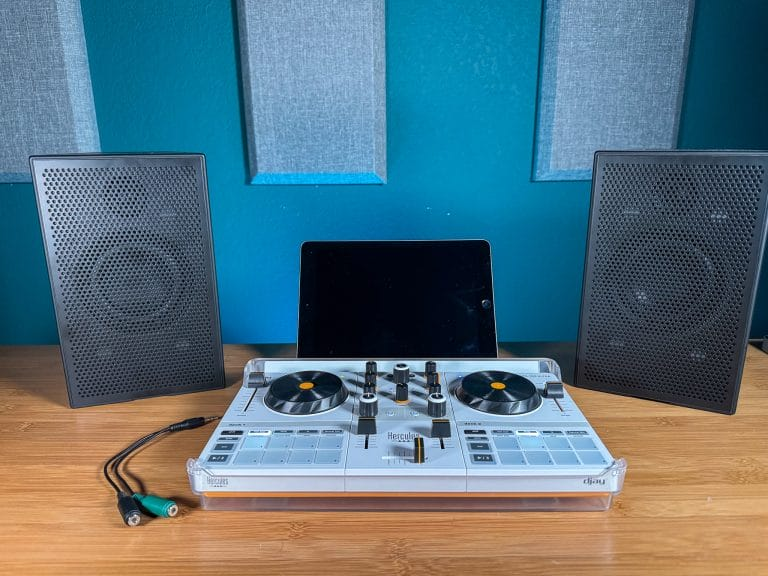
For a smaller gathering, the Hercules DJControl Mix Ultra is an affordable alternative that works with a phone or tablet, although its audio connectivity is considerably less suitable for larger PA systems.
My biggest recommendation here is to prepare your music offline, test the entire system before leaving home, and use wired connections between your DJ equipment and speakers whenever possible.
Bluetooth is convenient for casual listening, but its latency can create problems when you’re trying to monitor and mix accurately, and you really don’t want to discover that halfway through your first transition.
You Must, Must, Must Get The Main Lighting Right
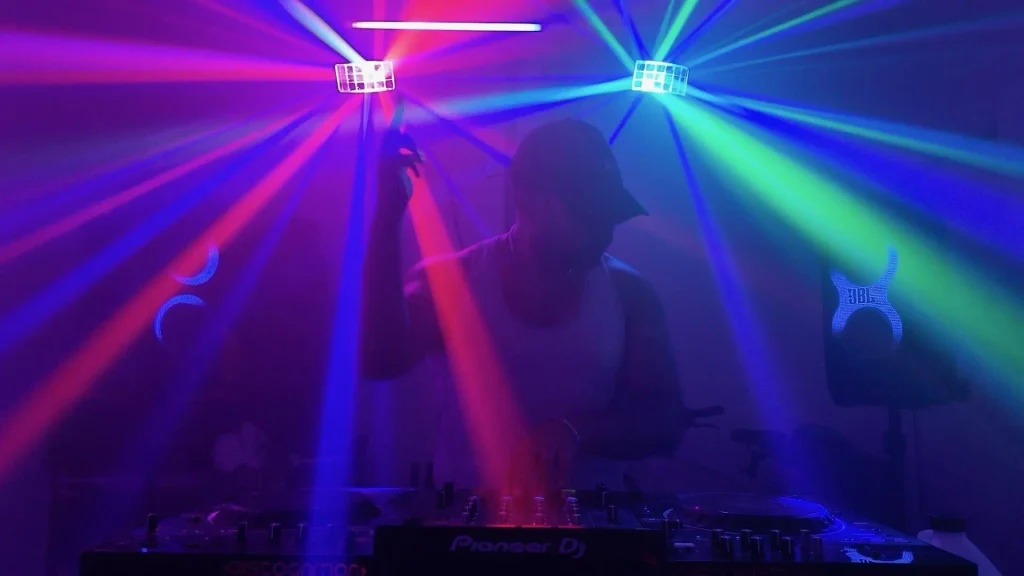
Now, let’s talk about lighting, because this is one of those areas where people can spend a lot of money without understanding what they’re buying, and I’d argue that learning a few basic principles of event lighting will get you much better results than buying as many fixtures as possible.
One product I’d recommend starting with is the CHAUVET DJ GigBAR 3 ILS, which we recently covered in our article on how the GigBAR 3 ILS simplifies mobile DJ lighting.
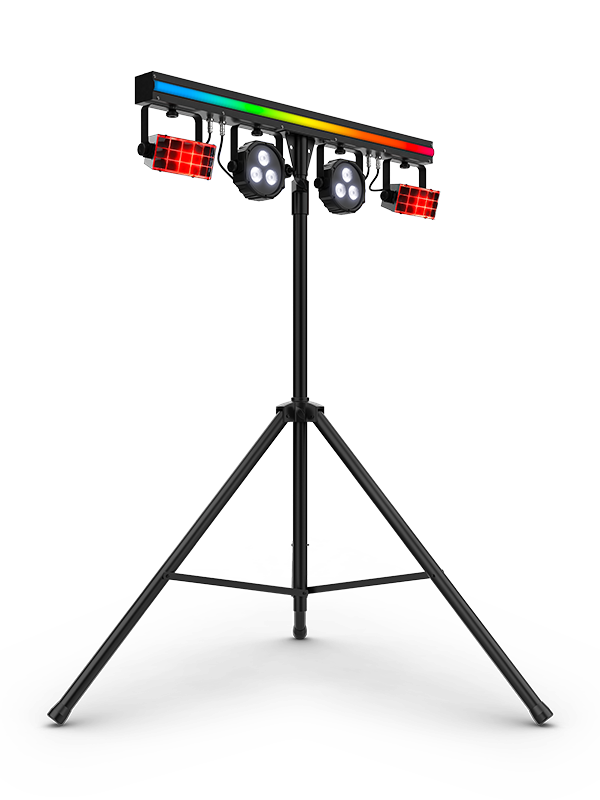
What makes this system appealing is that CHAUVET DJ has combined several different lighting functions into one bar, including LED pars for color washes, derby effects for moving patterns, and an LED strip for additional visual effects.
Each serves a different purpose, and understanding those differences helps.
Wash lighting provides general illumination across a surface or area, which is useful when you want to establish a particular color throughout the dancefloor. Derby effects project multiple moving beams and patterns, adding motion to the lighting. The integrated LED strip provides another controllable visual element on the fixture itself.
By combining these into a single system, the GigBAR 3 ILS gives DJs several different lighting effects without requiring them to assemble an extensive collection of individual fixtures.
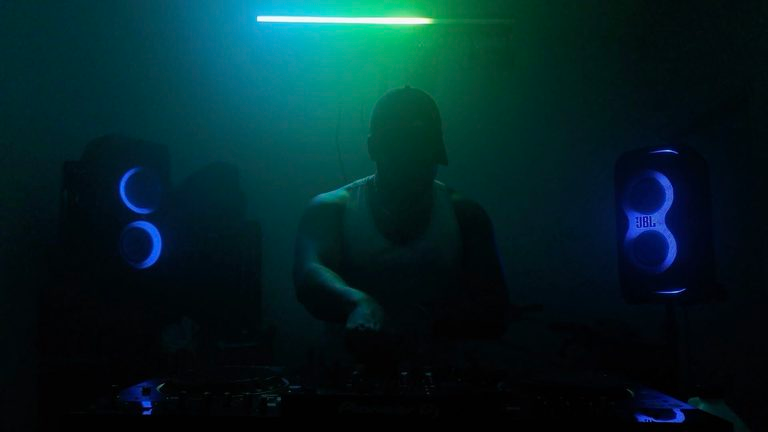
The system weighs approximately 13.2 pounds and includes a tripod, wireless footswitch, RF remote, and carrying bags, while the integrated D-Fi transceiver supports wireless DMX and CHAUVET DJ’s Instant Light Show technology.
That last feature is particularly worth discussing.
ILS lets compatible CHAUVET DJ lighting fixtures run together without manually programming a full DMX sequence, which is appealing for someone who knows how they want their party to look but doesn’t want to spend hours learning lighting software.
You can start with the GigBAR itself, select an appropriate automated program, and expand later with compatible fixtures.
It also draws about 47 watts at 120V, which is manageable when planning a portable electrical system, though the GigBAR 3 ILS does require external AC power.
I recommend placing the system where its effects can cover the dance floor without shining directly into people’s eyes, securing the tripod properly, and testing several slower lighting programs before choosing the most active option.
You don’t need constant movement from every fixture because sometimes a relatively simple wash with occasional motion creates a cleaner presentation.
Get The Right Speakers (…Not The Loudest)
Something worth understanding about portable speakers is that maximum volume and sound coverage are different, and just because a manufacturer advertises an impressive decibel rating doesn’t mean one speaker will provide consistent sound throughout a large outdoor area.
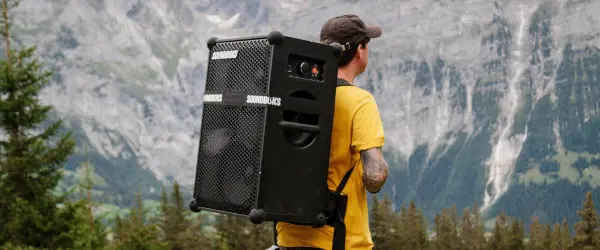
For a portable rave, the SOUNDBOKS 4 would be one of my first recommendations, particularly because its combination of removable batteries, professional audio inputs, durable construction, and manufacturer-rated maximum output of 126 dB makes it suitable for situations where conventional PA equipment would be inconvenient.
Our review also included a conversation with SOUNDBOKS co-founder Jesper Theil Thomsen about the company’s origins at Denmark’s Roskilde Festival, and what I found interesting about that discussion was how the original requirements centered on making something that could withstand outdoor conditions, operate independently of mains electricity, and provide enough output for a gathering of people.
Those are exactly the considerations I’d prioritize when choosing equipment for a temporary outdoor party.
The SOUNDBOKS 4 uses two 10-inch woofers, supports wired audio connections, and offers approximately six hours of advertised playback at maximum output, with considerably longer operation at moderate levels. Removable batteries also mean you can bring charged replacements rather than interrupting the music to recharge the speaker.
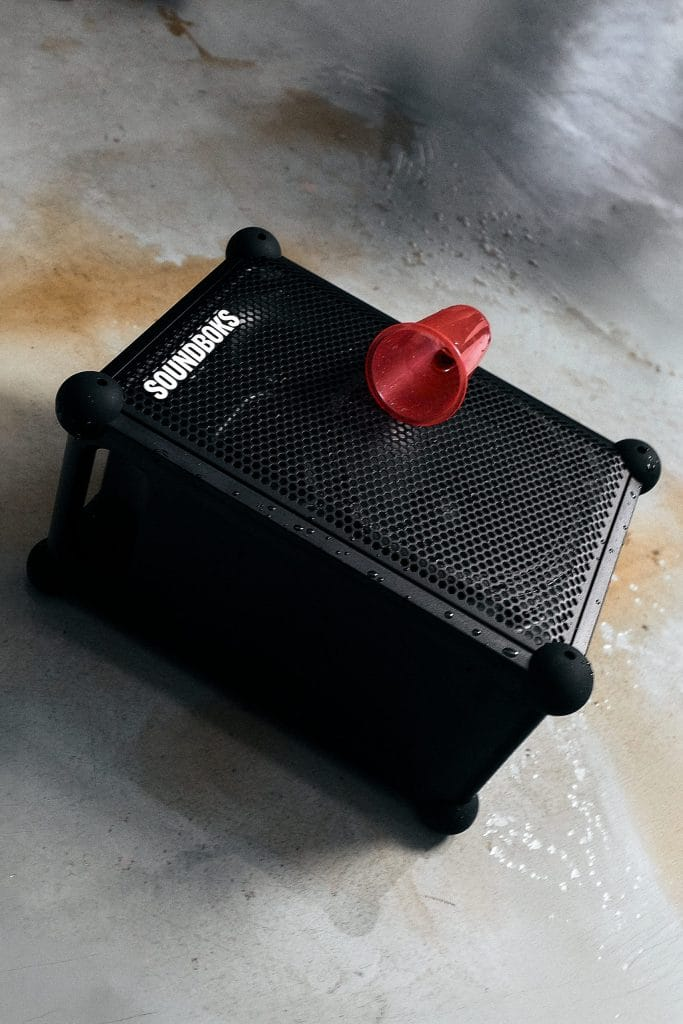
For smaller gatherings, the SOUNDBOKS Mix is another option worth considering, especially since its approximately 21-pound weight makes transportation easier. It offers a manufacturer-rated maximum output of 121 dB, though you’ll want to use its 3.5 mm analog input rather than expect the professional input connections on the larger model.
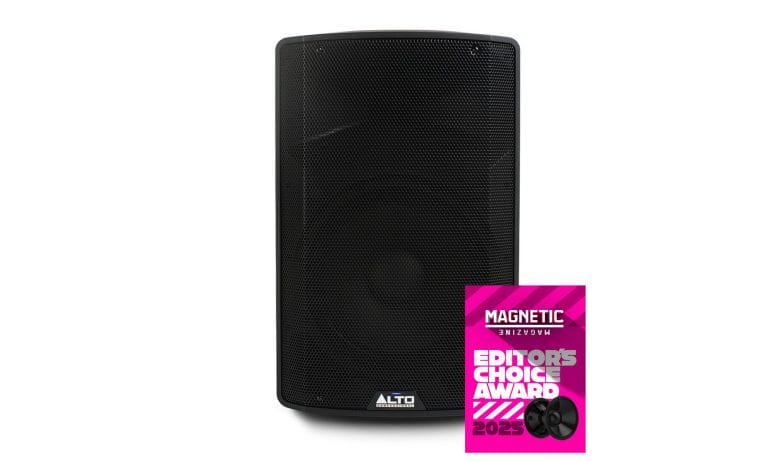
If you’re organizing an event somewhere with reliable electricity, the Alto TX412 is another speaker I’d recommend looking at. I awarded it an Editor’s Choice designation following our review, and its 12-inch driver, straightforward controls, and conventional PA connections make it an appealing option for DJs who want a relatively uncomplicated sound system.
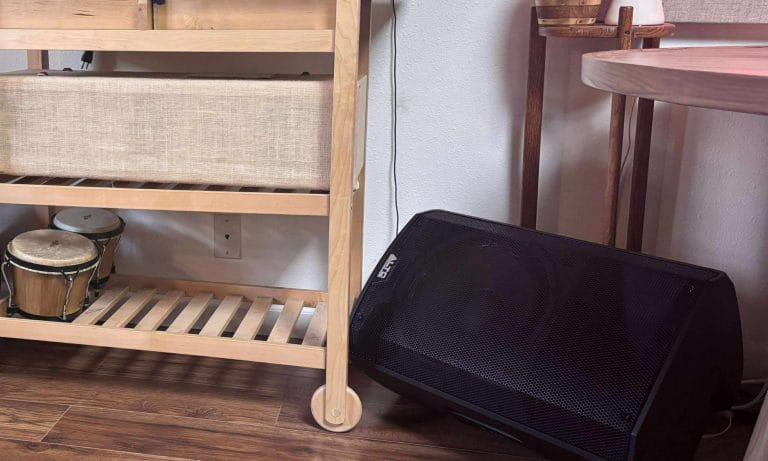
One lesson worth learning early is that positioning matters. Raise the main speakers to audience head height on secure, correctly rated stands, aim them toward the listening area, and avoid placing them directly behind the DJ, where they can cause feedback with microphones.
I’d also recommend walking around the space while playing music at a moderate level, because what sounds balanced immediately in front of the speakers can be considerably different near the sides or back of the crowd.
There’s Only One Sub You Need
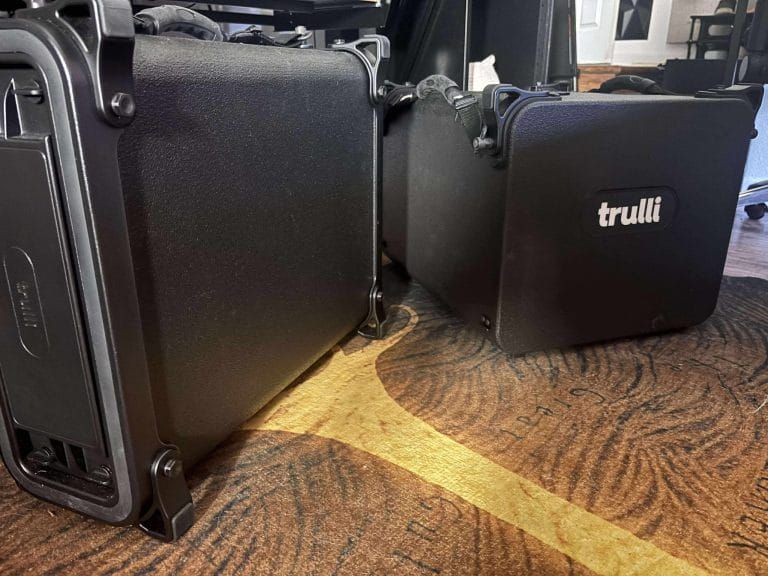
If you’re playing house, techno, progressive house, or anything else where low-frequency reproduction is central, it’s worth thinking about how your main speakers will handle bass, especially outdoors.
Without the acoustic reinforcement provided by an enclosed room, low frequencies behave differently, and smaller portable speakers can struggle to reproduce the lowest parts of a track at the levels you’d expect from a conventional club system.
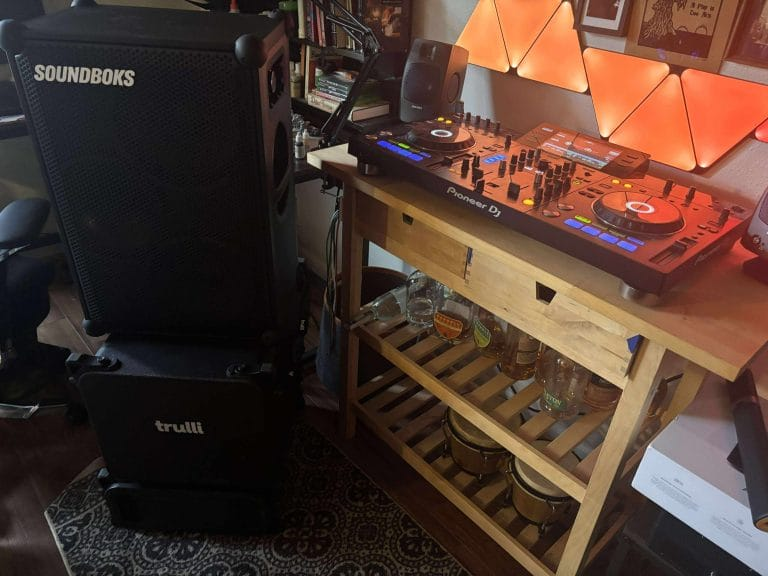
The Trulli Bass50 Rugged is particularly dope for this use case, and when I reviewed it for the site, I awarded it an Editor’s Choice designation because it addresses a problem that portable audio systems have struggled with for years. It’s legit the only option there is for portable subwoofers; it’s so damn amazing that it smokes the competition (though admittedly it’s kind of pricey)
It features a dedicated 10-inch ThinDriver subwoofer, integrated amplification, DSP processing, SKAA Pro connectivity, and a removable battery, allowing it to provide dedicated low-frequency support without requiring a conventional powered subwoofer installation.
At about 35 pounds, it’s not something you’ll casually throw into a small backpack, but it’s still portable enough for someone regularly organizing small events.
There are a couple of important technical considerations here, though.
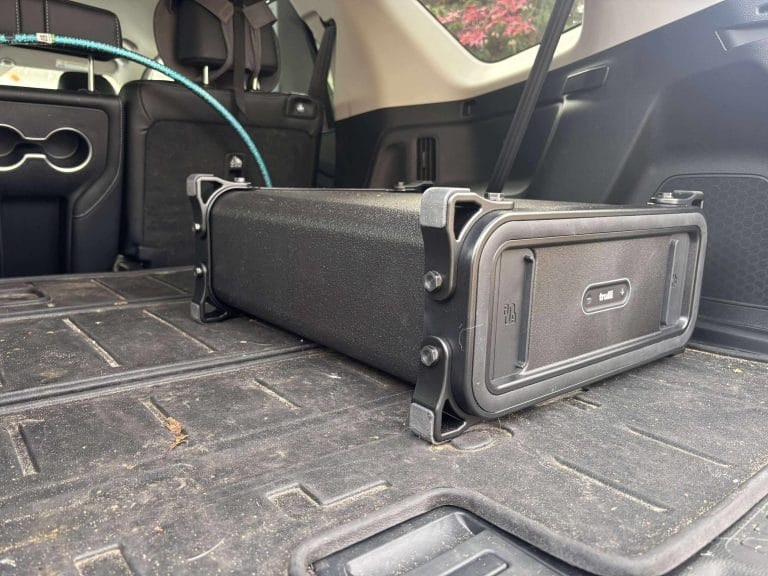
First, make sure the subwoofer can actually connect to your chosen speakers and controller, since wireless audio systems aren’t automatically compatible across different manufacturers. Second, pay attention to crossover settings, phase, and overall level, because adding another source of low frequencies without proper integration can make the system sound inconsistent.
I would start by positioning the subwoofer on stable ground, adjusting its level relative to the main speakers, and listening from several points across the dance area before making final decisions.
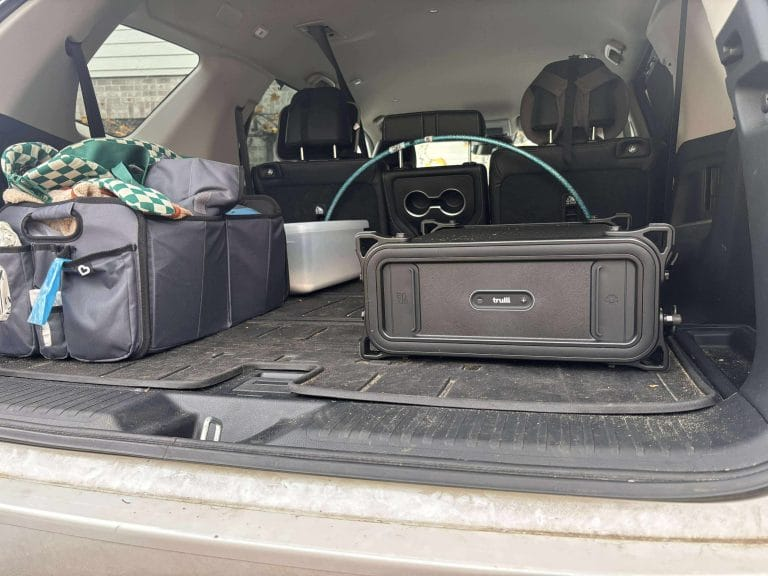
More bass isn’t necessarily the answer. You want the kick drums and basslines to remain defined without overwhelming the midrange or creating uncomfortable listening levels.
Then Focus On The Detail Lighting
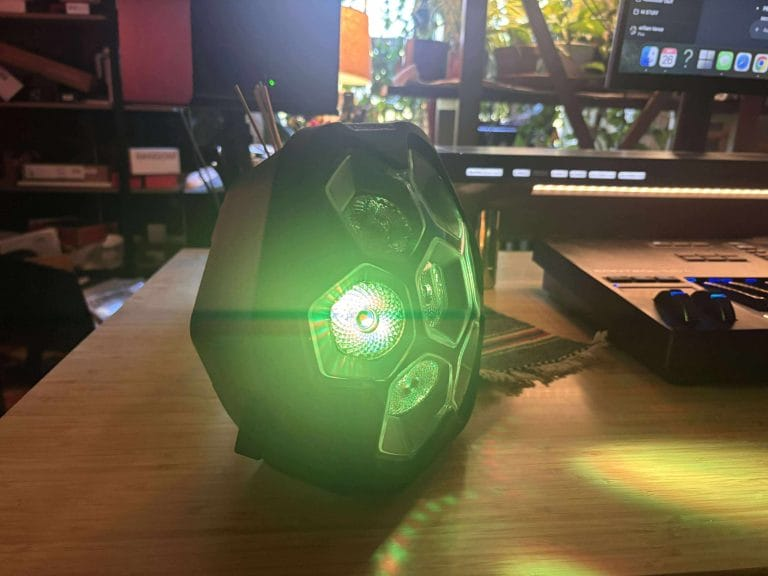
Of course, sometimes the appeal of throwing a small party is operating everything without external electricity, and that’s where the SOUNDBOKS Lightboks becomes particularly interesting.
We reviewed it in 2025, and one of its appeals is the combination of battery operation, portable construction, and automatic, music-responsive lighting.
It features seven RGBW LED light sources, IP65-rated weather resistance, and SOUNDBOKS’ TrackSync technology, which responds to the music without requiring a separate DMX controller.
If you’re organizing a smaller outdoor gathering with battery-powered speakers, a couple of Lightboks units can provide lighting without introducing an additional AC electrical requirement.
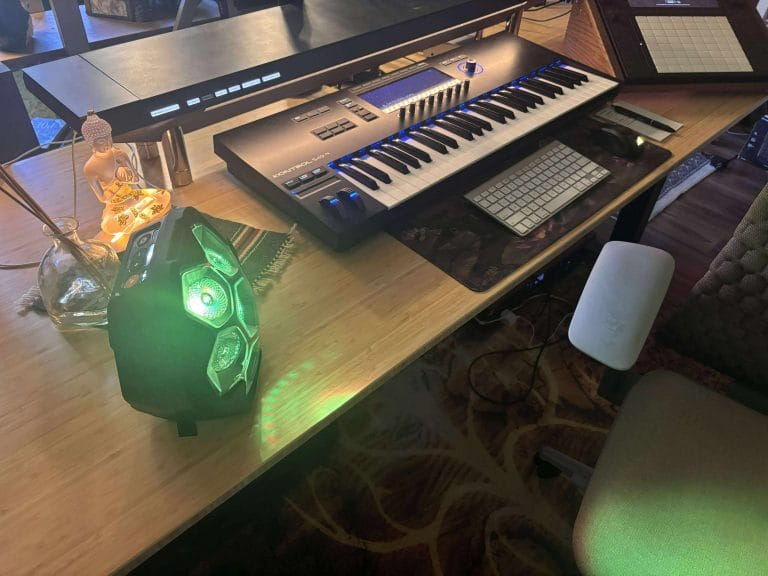
Iwould see them as an alternative to the CHAUVET DJ setup, not as a replacement for the same level of manual control or range of effects.
And that’s an important distinction when shopping for lighting. Some products prioritize simplicity and independent operation, while others offer more control over fixture types, placement, and synchronized effects.
Choose based on how much prep you’re comfortable doing and how much control you actually need.
Don’t Forget Your Power Supplies
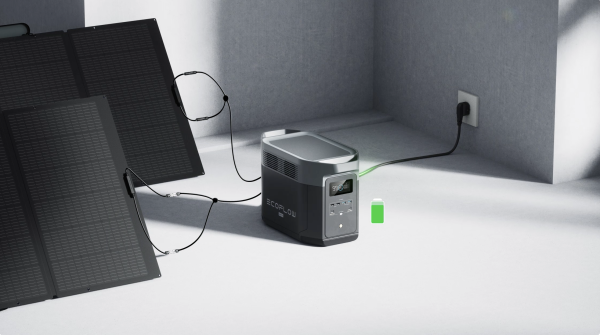
If you’re using equipment such as the CHAUVET DJ GigBAR 3 ILS or conventional powered PA speakers, you’ll need to account for electricity, and although some event organizers rely on generators, battery-powered portable power stations can be a good alternative for appropriately sized setups.
We previously reviewed the EcoFlow DELTA 2 Max, which offers 2,048Wh of battery capacity and a rated AC output of 2,400W.
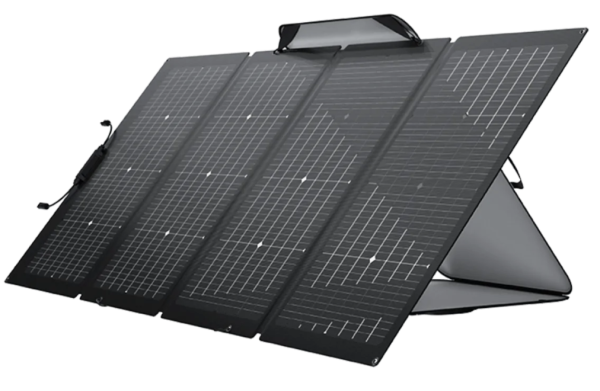
The important thing to understand here is the difference between watts and watt-hours.
Watts tell you how much power your connected equipment is drawing at a particular moment, while watt-hours describe the energy available in the battery.
For example, a lighting system drawing 47 watts for four hours would use approximately 188Wh before accounting for inverter losses and any additional equipment. A system with several speakers, lights, and charging devices would require a larger energy budget.
I’d recommend testing the complete setup beforehand using a power meter or the station’s consumption monitoring, because advertised speaker amplifier ratings don’t tell you exactly how much electricity those speakers will consume during a performance.
Make sure your station can handle temporary spikes in power demand, and keep it properly ventilated, protected from moisture, and away from areas where guests might spill drinks or interfere with its connections.
What The Pros Can Teach Us
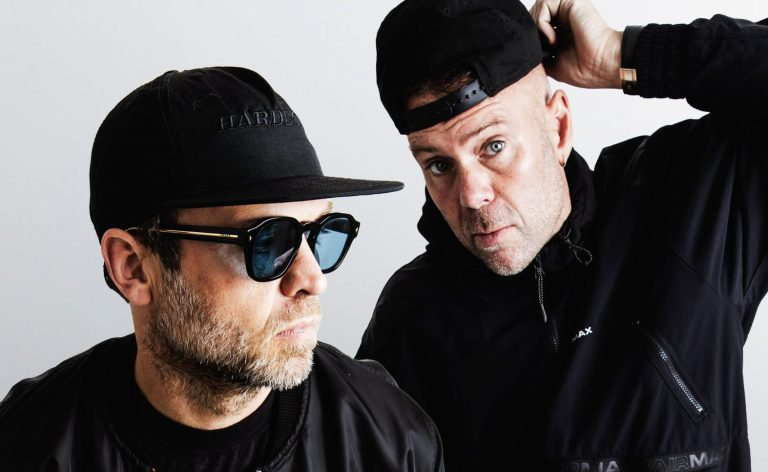
One of the things I appreciate about interviewing DJs is hearing how they approach the aspects of performance that don’t necessarily involve mixing techniques or equipment.
When we spoke with Solardo about reading the crowd, they discussed the importance of observing audience reactions and being willing to adjust musical direction rather than following a predetermined playlist regardless of what’s happening in front of them.
That applies especially well to smaller parties, where you can often see how individuals respond to different records and how the overall mood of the gathering may change throughout the evening.
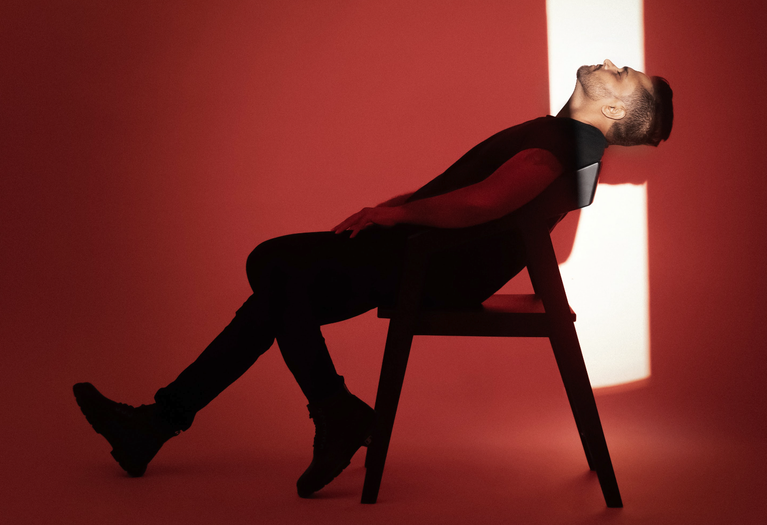
Similarly, in our interview with Enzo Vood, we discussed DJ pacing and the value of preparing a general musical direction without eliminating the ability to respond to the audience.
These are lessons I’d apply when organizing several DJs for one event.
Consider the order in which people perform, give everyone a clear understanding of their allotted time, and avoid expecting every DJ to deliver the same level of intensity regardless of when they’re playing.
I’d also recommend assigning someone to manage the sound system and someone else to handle lighting, so the DJ can focus on performing rather than troubleshooting equipment throughout the evening.
You can prepare technically impressive lighting sequences and spend considerable money on audio equipment, but if the people operating everything aren’t communicating, you’ll create unnecessary problems.
TL;DR… Here’s Everything You Need to Throw a Renegade Rave
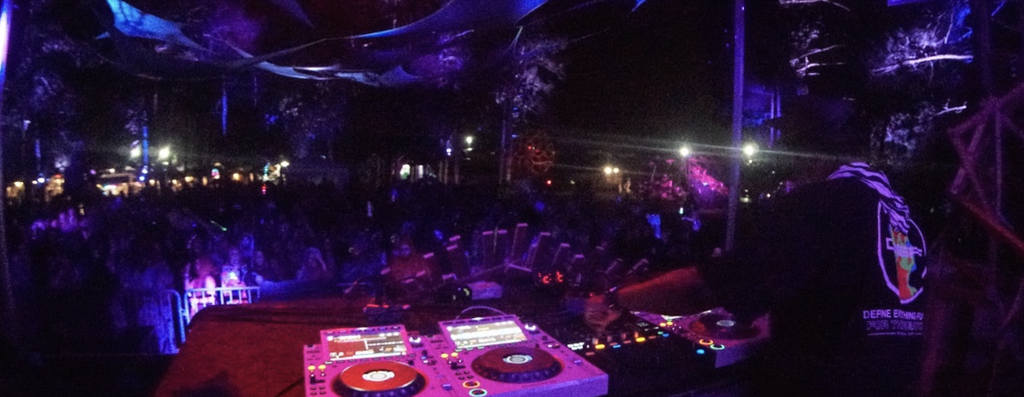
If I were assembling a complete portable setup today, I’d start with the Denon DJ PRIME GO+ or AlphaTheta OMNIS-DUO, connect it to one or two SOUNDBOKS 4 speakers, and use the CHAUVET DJ GigBAR 3 ILS as the primary lighting system.
That would give you a standalone DJ setup, battery-powered audio, and an integrated lighting system with several effects and straightforward control options.
If the event needed additional low-frequency output, I’d look at the Trulli Bass50, making sure the audio connections and crossover setup were compatible, while additional CHAUVET DJ Freedom Par fixtures could provide lighting around the rest of the space without requiring AC outlets at every fixture position.
For a fully battery-operated setup, I’d consider replacing the GigBAR with a couple of SOUNDBOKS Lightboks units; for a location with reliable electricity, conventional powered PA speakers and a larger CHAUVET DJ system become reasonable alternatives.
And I’d spend just as much time preparing the actual event as selecting the equipment, because understanding where to position your speakers, how to use lighting without overwhelming the space, and how to account for the electrical requirements can make a substantial difference.
The equipment should serve the music and the people attending, and with a little preparation, you can put together a reliable, portable setup that is relatively straightforward to transport, install, and operate.

Will Vance is a professional music producer who has been involved in the industry for the better part of a decade and has been the managing editor at Magnetic Magazine since mid-2022. In that time period, he has published thousands of articles on music production, industry think pieces and educational articles about the music industry. Over the last decade as a professional music producer, Will Vance has also ran multiple successful and highly respected record labels in the industry, including Where The Heart Is Records as well as having launched a new label with a focus on community through Magnetic Magazine. When not running these labels or producing his own music, Vance is likely writing for other top industry sites like Waves or the Hyperbits Masterclass or working on his upcoming book on mindfulness in music production. On the rare chance he's not thinking about music production, he's probably running a game of Dungeons and Dragons with his friends which he has been the dungeon master for for many years.