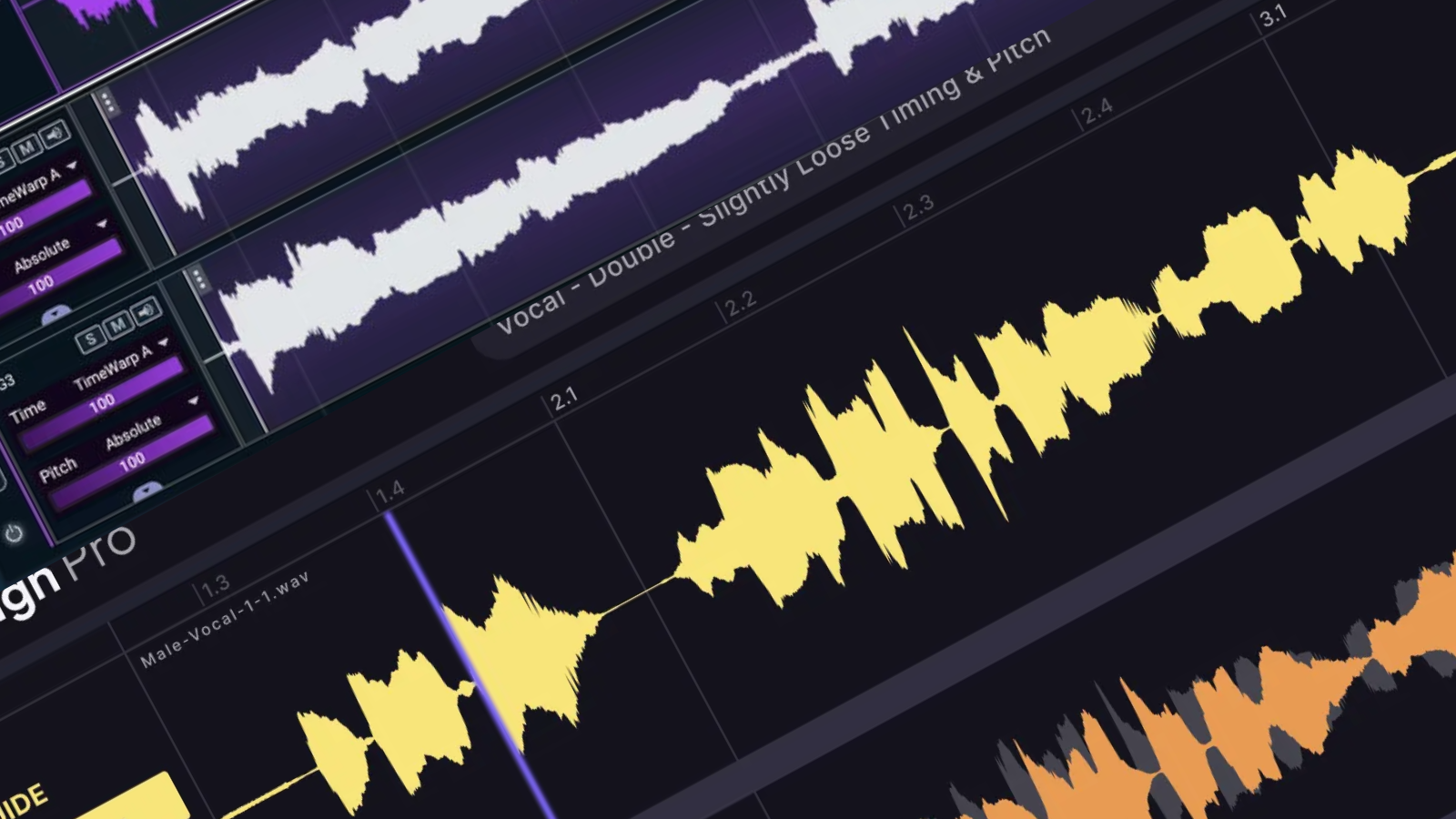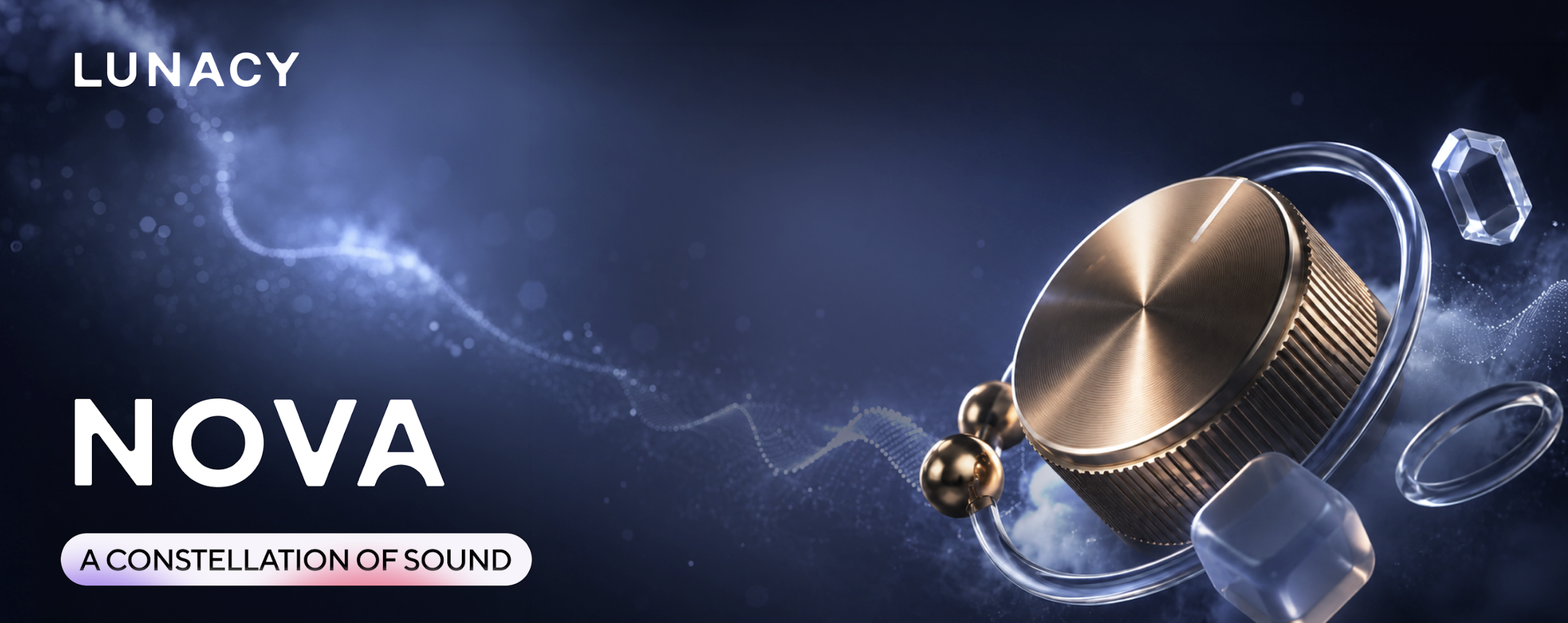
Lunacy, the audio company behind the 3D, visually dynamic plugins CUBE and BEAM, today launched NOVA, which is interesting because it does not treat plug-ins like finished objects that only move one way: developer makes it, producer downloads it, DAW hosts it, and the idea ends there. The platform launches as a browser-based place to discover, customize, build, and share audio plug-ins and virtual instruments, and that changes the usual relationship between producer and developer in a pretty direct way.
At launch, NOVA is free to use in the browser and includes a marketplace of ten plug-ins, with some free and others offered as one-time purchases between $19 and $49. Those plug-ins work in any DAW, giving producers a first layer of instruments to use now while Lunacy prepares the larger Builder side of the platform later this year.
For producers, that idea cuts into a real frustration.
Most of us have opened a plug-in, gotten close to a sound, then hit the wall of whatever the developer decided to expose. NOVA’s promise is that the wall can move. A creator can take an idea, shape it into a playable instrument or effect, then hand it to someone else without asking them to recreate the setup from scratch.
We have covered a similar tension from the DAW side in my LALAL.AI VST stem-separation article, where the key idea was getting advanced audio processes into the producer’s actual workspace and NOVA pushes from another direction, asking what happens when creation, sharing, and modification all begin closer to the browser.
The Launch Plug-Ins Give NOVA an Immediate Shape
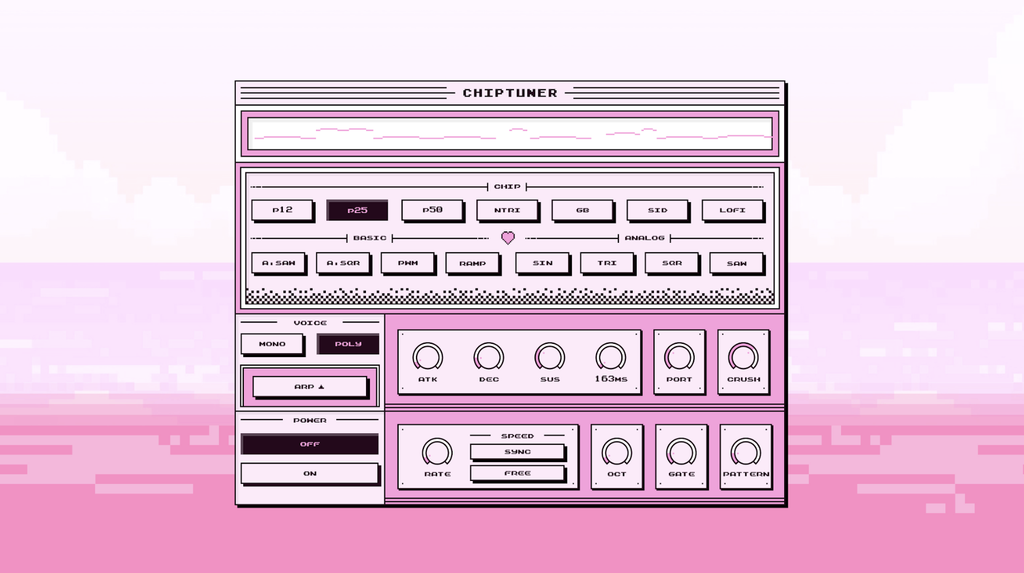
The first version of NOVA launches with ten plug-ins, and the range is smart because it gives producers several different reasons to care. The free options include Zephyr Strings, Good Vibes, Woodland Piano, Silhouettes, and Chiptuner. That gives the platform a low-risk entry point, and it also shows that Lunacy is not only aiming at one type of producer.
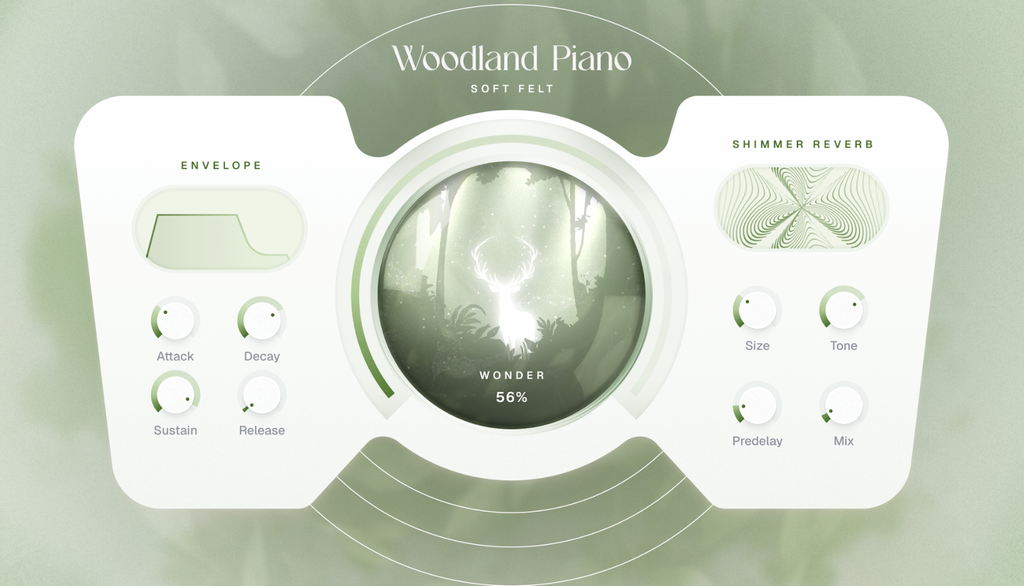
Zephyr Strings is built from real Budapest Strings recordings and uses a single Intensity macro to crossfade dynamics and brightness. Good Vibes is a sampled vibraphone with four velocity layers and recorded resonance, then adds a Sparkle macro for reverse delay, rotor tremolo, and pitched granular texture. Woodland Piano is a sampled upright piano with modeled key-release and pedal noise, built around a Wonder macro that drives a self-cascading granular delay.
The paid launch instruments move into heavier and more specialized territory.
Growl starts at a $19 intro price and is built as a bass engine with dual oscillators, a 4-op FM matrix, and a resonant bandpass filter. Gleam, also at a $19 intro price, is a modal resonator synth with tunable partials, found-object one-shots, and an arpeggiator. Drift Cassette starts at $35 and uses a dual-deck multisampler across more than 60 instrument packs, with tape saturation, bitcrushing, and reverb for lo-fi character. Anima and Swarm, also launching at $35 intro pricing, push toward phase distortion, wavefolding, feedback, detuned voices, chord generation, and larger synth textures.
Browser-Based Creation Is the Real Swing
The launch plug-ins matter, but NOVA’s longer-term pitch is the Builder system coming later this year. Lunacy says creators will be able to build and tweak custom plug-ins and instruments without traditional coding experience, then share them with a link and let other people build from them.
That could be a meaningful change for a certain kind of producer. Plenty of artists have ideas for instruments or effects that sit somewhere between sound design, workflow, and engineering, but they never become finished products because coding is a different skill set. NOVA is trying to make that middle space more accessible, where a producer can move from idea to playable device without needing to become a software developer first.
The share-link part may be just as important.
Music collaboration still gets messy fast once custom plug-ins enter the room. Local installs, license keys, missing presets, mismatched versions, and broken sessions can kill creative flow before the work begins. NOVA’s plan is to keep projects synchronized between the browser and DAWs, with a free cross-compatible host plug-in handling the bridge.

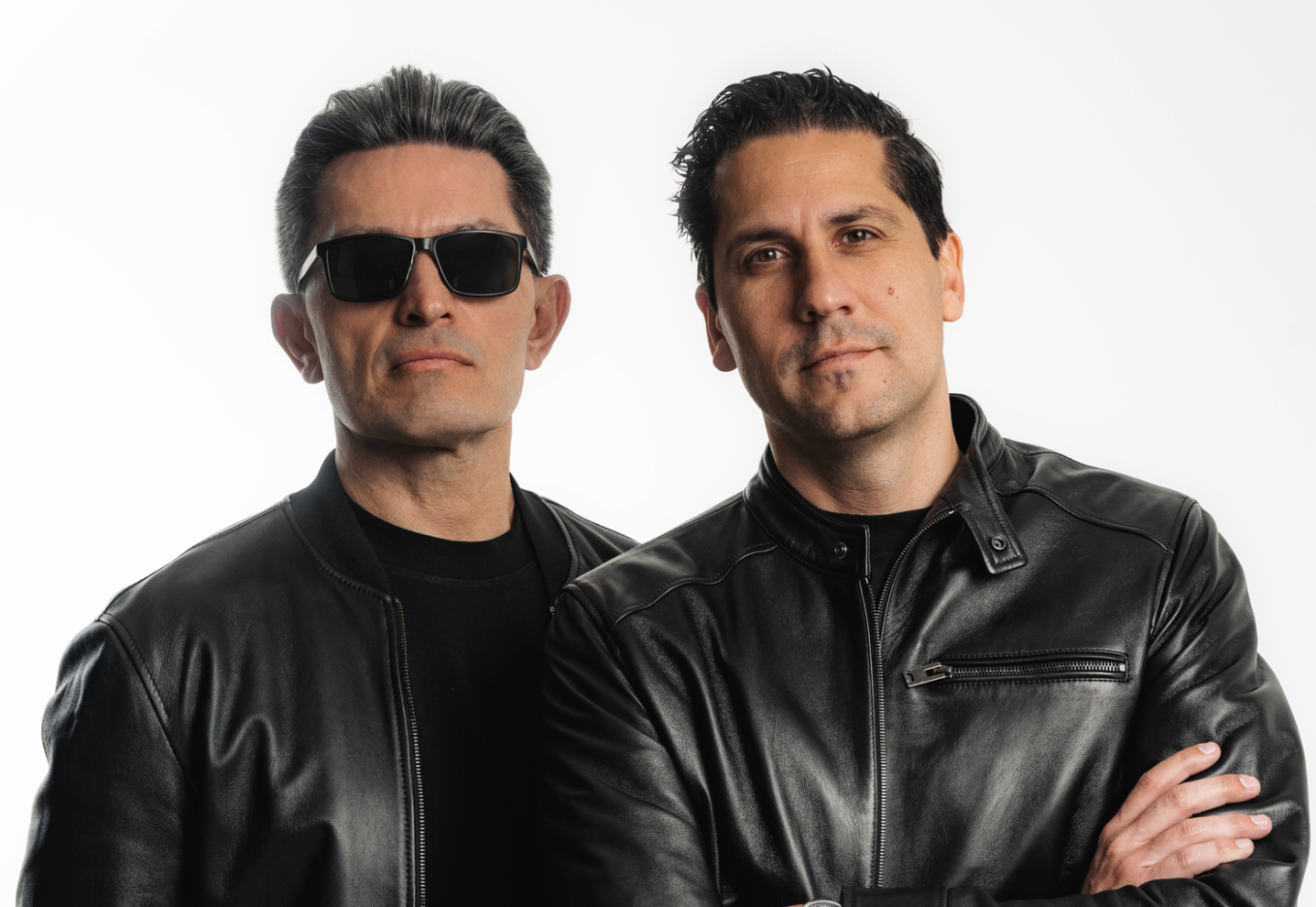
Casey Kolb, Lunacy’s co-founder and CEO, describes a scenario where someone makes a step sequencer, shares it, then another creator adds a custom shimmer reverb and passes that new version along. That is the central idea: tools do not have to stay fixed. They can keep changing as people use them.
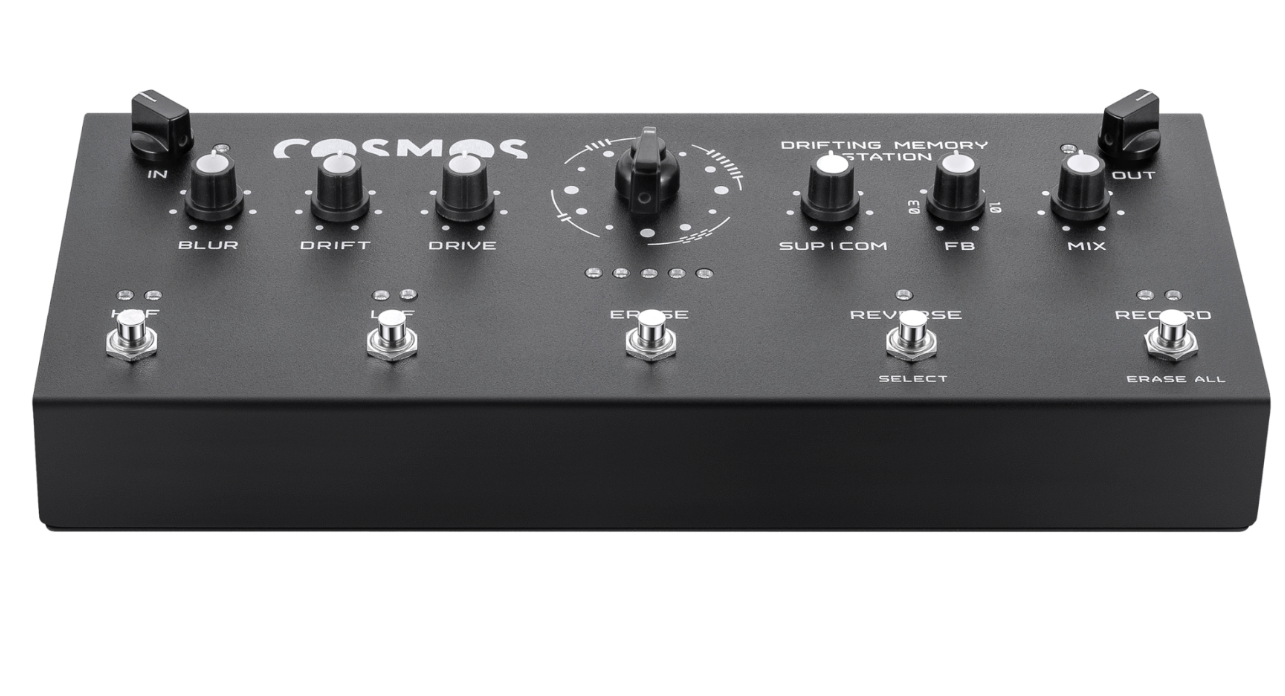
For producers who like instruments that invite exploration, my Hologram Electronics Microcosm review is a relevant adjacent read. Microcosm sits in hardware, NOVA sits in software and the browser, but the appeal overlaps: the best creative devices often get you moving before you fully understand every corner of them.
Lunacy Is Building Around Imagination First
Lunacy frames NOVA around “soft worldbuilding,” a phrase Casey Kolb uses to describe creative spaces where everything is not fully explained upfront. The comparison he gives is the difference between a heavily documented fantasy universe and something closer to Spirited Away, where the viewer is dropped into a strange place and has to explore. For a plug-in platform, that is a revealing reference point.
It explains why the launch instruments feel less like sterile engineering demos and more like little idea-machines. A vibraphone with reverse delay, rotor tremolo, and granular texture. A piano with octave-climbing shimmer. A cassette-inspired dual-deck sampler. A modal resonator with found objects. These are sounds with built-in direction, but not so much direction that the producer loses control.
That is a tricky balance. Too much character and the instrument only does one thing.
Too little character and the instrument becomes another blank panel in an already crowded folder. Lunacy’s best bet with NOVA is to keep the instruments opinionated enough to spark ideas, then let the Builder system open them up once producers want to push further.
This also fits the company’s earlier identity.
Lunacy is already known for visual, three-dimensional plug-ins like CUBE and BEAM, and NOVA extends that same exploratory instinct into a platform model. The company is not presenting software as a spreadsheet of parameters. It is presenting it as a playable creative space.
We recently covered another plug-in launch aimed at texture, transformation, and exploratory sound design in my Minimal Audio Lucid article. NOVA sits in a different category, but it taps the same producer appetite for instruments that feel like places to explore rather than menus to finish.
NOVA Is Available Now
Lunacy’s NOVA is available now as a free browser-based platform for discovering, playing, customizing, and sharing audio plug-ins and virtual instruments.
The launch marketplace includes Zephyr Strings, Good Vibes, Woodland Piano, Silhouettes, Chiptuner, Growl, Gleam, Drift Cassette, Anima, and Swarm, with several free instruments and paid plug-ins priced between $19 and $49. Later this year, Lunacy plans to expand NOVA with Builder features that let creators make and remix their own instruments and effects without traditional coding experience.
That is the part that makes NOVA worth watching.
The launch catalog gives producers something to use today, but the larger idea is about giving music makers a new way to turn small sound ideas into shareable devices. If Lunacy can keep the platform open without letting it become chaotic, NOVA could become a new creative layer between sound design, plug-in development, and collaboration.

Will Vance is a professional music producer who has been involved in the industry for the better part of a decade and has been the managing editor at Magnetic Magazine since mid-2022. In that time period, he has published thousands of articles on music production, industry think pieces and educational articles about the music industry. Over the last decade as a professional music producer, Will Vance has also ran multiple successful and highly respected record labels in the industry, including Where The Heart Is Records as well as having launched a new label with a focus on community through Magnetic Magazine. When not running these labels or producing his own music, Vance is likely writing for other top industry sites like Waves or the Hyperbits Masterclass or working on his upcoming book on mindfulness in music production. On the rare chance he's not thinking about music production, he's probably running a game of Dungeons and Dragons with his friends which he has been the dungeon master for for many years.