I think one of the more interesting things about working in A&R is realizing how little the technical quality of a record tells you about the person who made it. I’ve received plenty of demos that were well mixed, competently arranged, and sounded perfectly suited to the genre they were submitted under, but there wasn’t much about them that made me curious about the artist. The more you listen to new music, the easier it becomes to recognize when someone is following an established production formula rather than making decisions based on their own preferences.
And with music production technology making it easier to achieve professional results, I think that distinction is becoming increasingly important for producers who want to develop an identifiable sound.
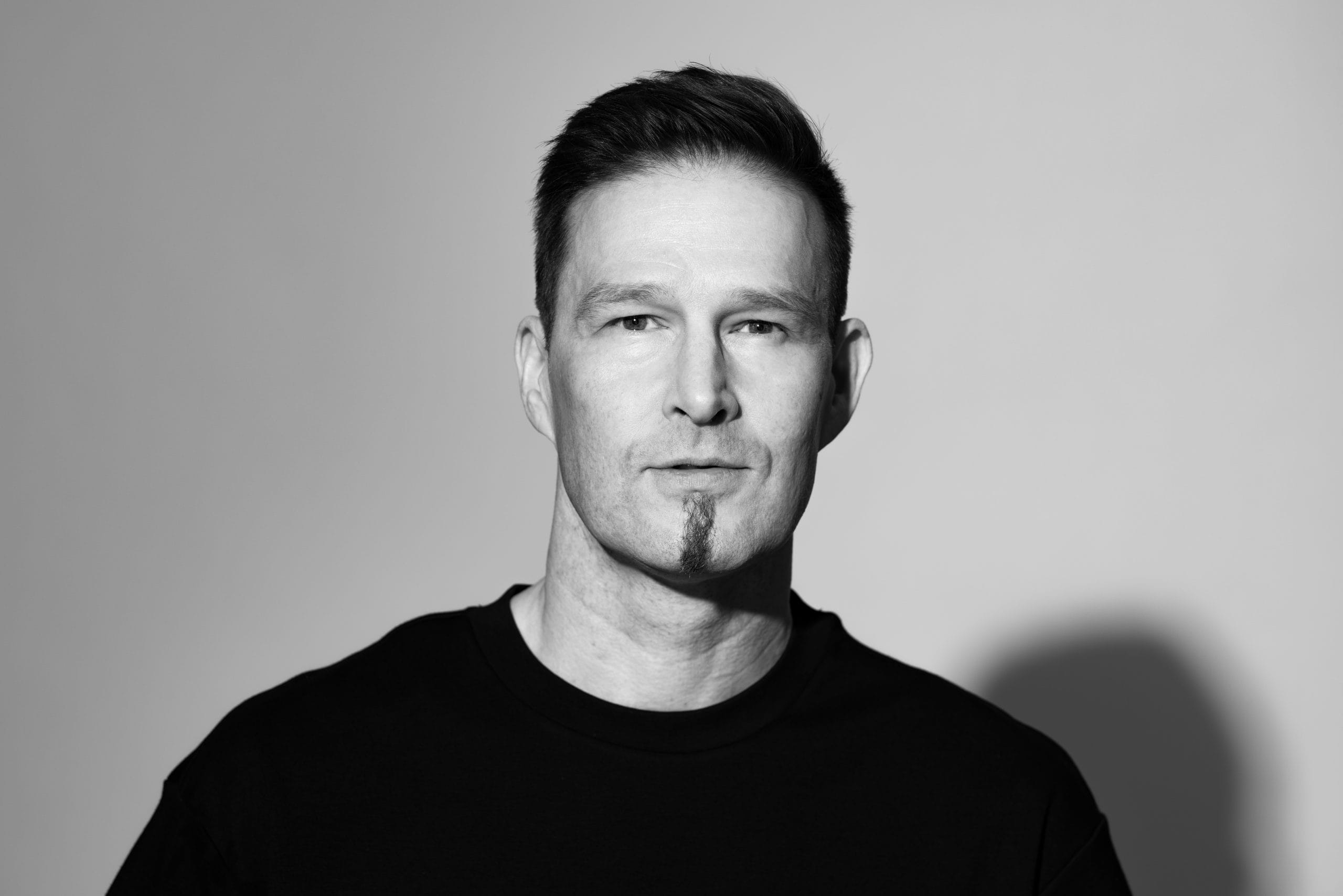
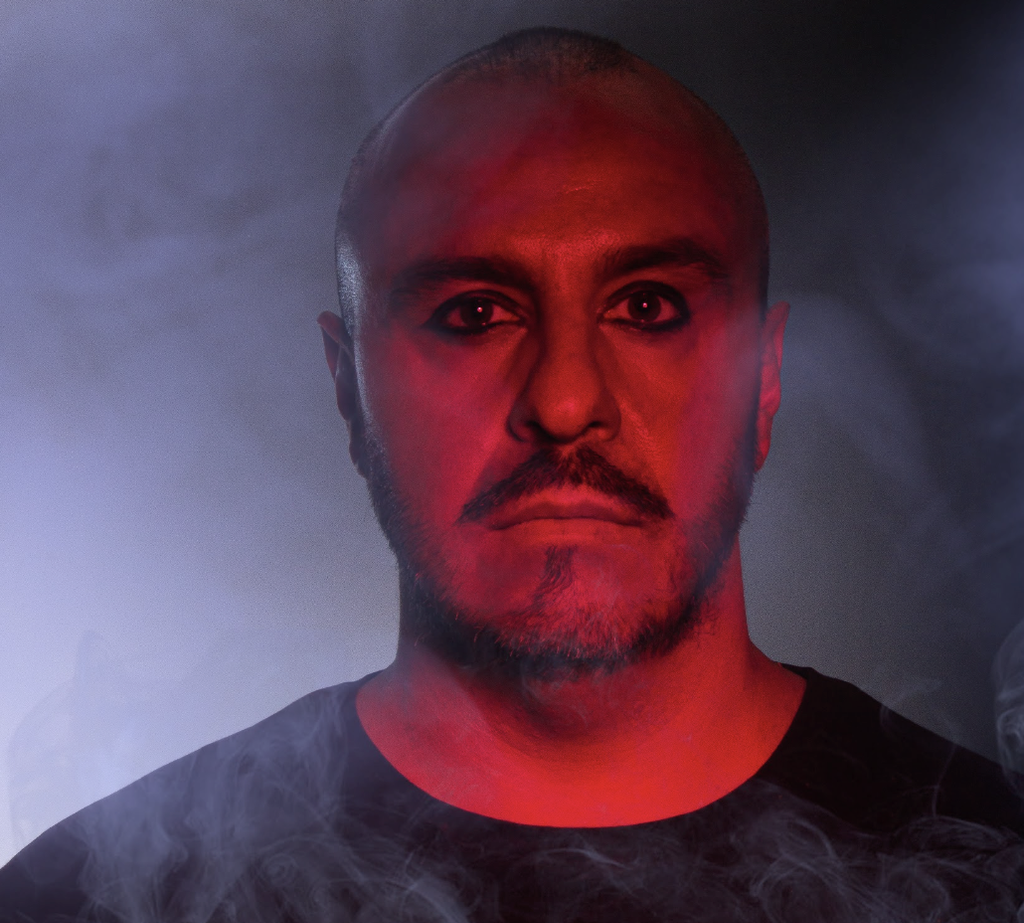
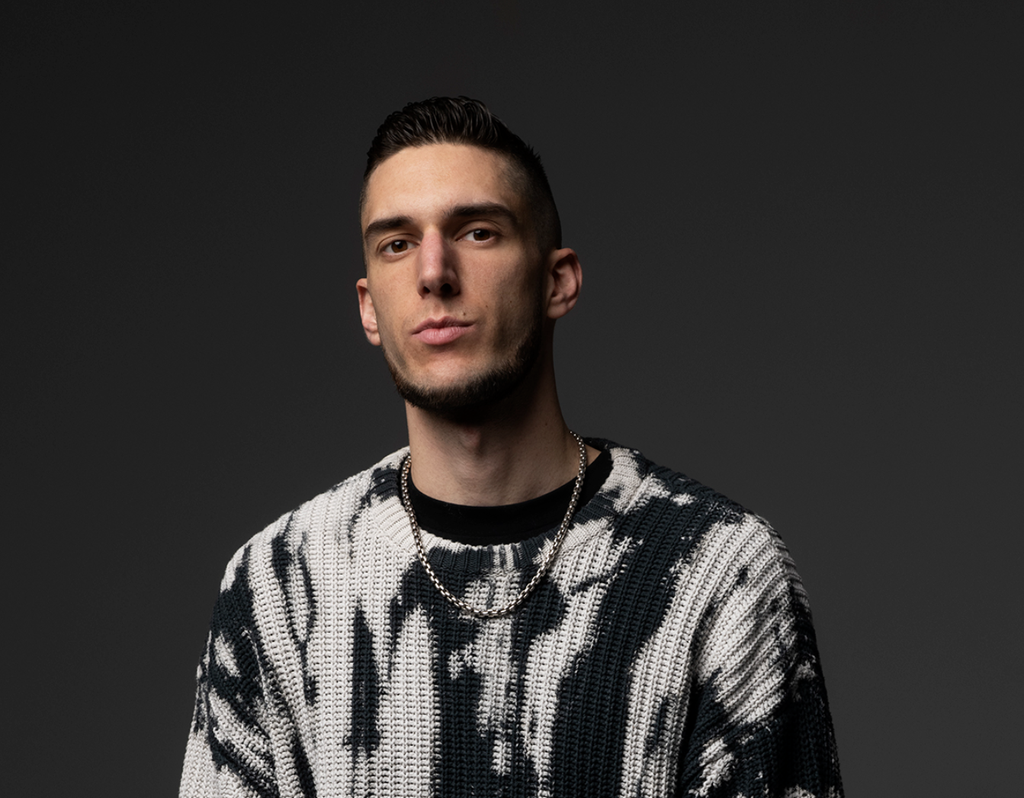
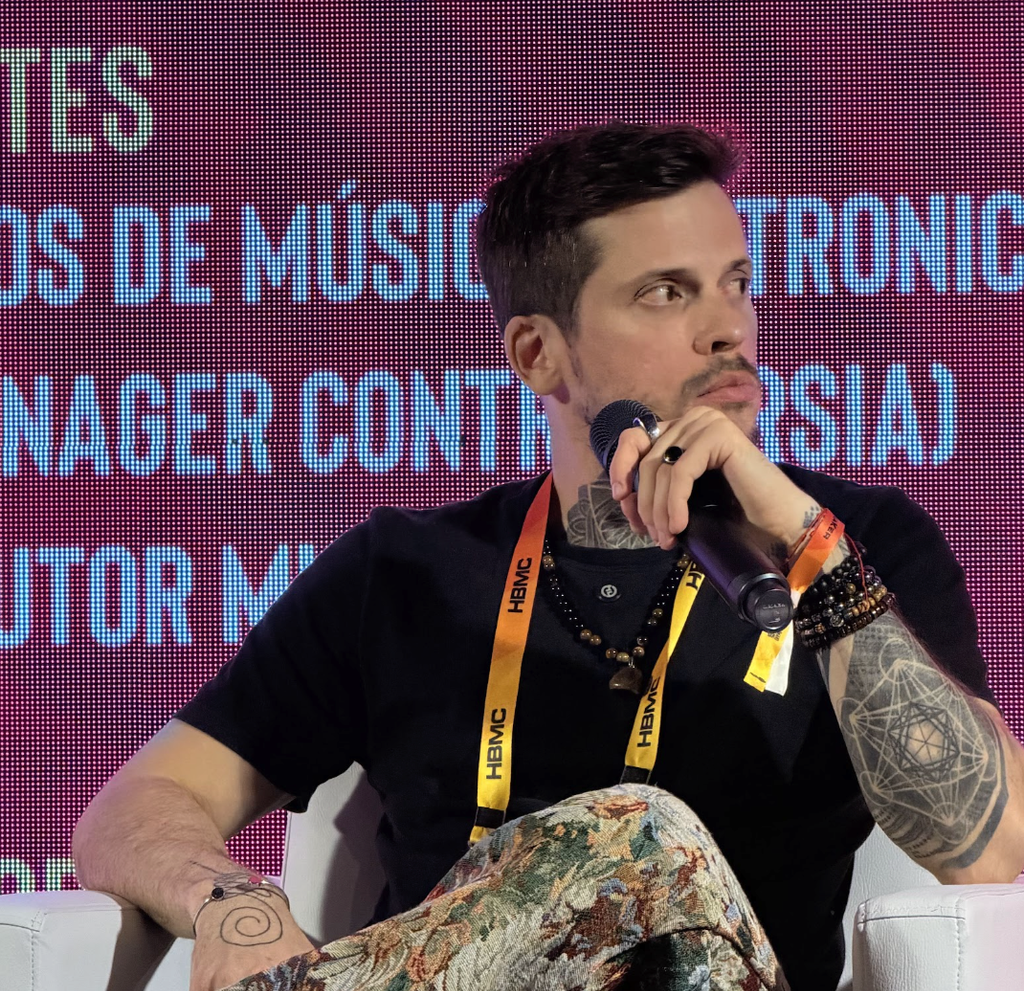
Brazilian DJ and producer Sonnero (@sonneromusic), whose real name is Orlando Rodrigues, has spent over twelve years working in the music industry, including A&R and label management positions at Som Livre and Alok’s Controversia Records. His experience includes working with developing artists, overseeing releases, and participating in the business decisions that determine how music reaches an audience. Alongside that work, he’s developed his own artist project, releasing music through labels including Harabe Lab, Camel VIP Records, and Cactunes Records, with collaborations involving artists such as Ancestrall, Awka, and Different Stage. It’s an interesting combination of responsibilities because he spends part of his professional life evaluating other people’s creative decisions while having to make those same decisions in his own studio.
I wanted to get his perspective on where producers should draw the line between using technology to help realize an idea and allowing the available tools to determine what that idea becomes.
Our conversation covers how much of the production process artists should understand before outsourcing work, why the reaction to a record during a performance can be completely different from what the producer expected, and how relatively simple arrangements can communicate an idea without requiring complicated sound design. Sonnero also talks about the temptation to imitate whatever is currently successful, something he’s encountered through his work in A&R, and why he believes unusual ideas deserve consideration even when they don’t immediately fit the expectations of a particular genre.
There’s quite a bit here that I think applies to producers at different stages of their careers, particularly those trying to develop their own musical preferences while working with an expanding collection of production tools.
Interview With Sonnero
What should artists avoid outsourcing too early if they want the track to stay personal?
I believe it starts with the production process itself. Understanding how to craft a particular sound to express an idea, and developing your own taste when it comes to compression, saturation, EQ, and other forms of sound processing, are all essential parts of finding your identity as an artist.
There’s no absolute right or wrong in music, but there is what sounds right to your own ears. Once you’ve developed that understanding, you’re in a much better position to communicate your vision to a mixing or mastering engineer without losing what makes the track personal.
I understand the temptation to rush things and look for quick results, but skipping these fundamentals can become a limitation in the long run. Taking the time to develop your ears, your skills, and your own judgment is an investment in a more sustainable artistic journey.
Where do playback, performance, and revision still reveal things the screen misses?
The screen can tell us a lot about the technical side of music, but it can’t really tell us how a track feels. Sometimes an arrangement looks perfectly structured, but when you close your eyes and actually listen, something just isn’t flowing naturally.
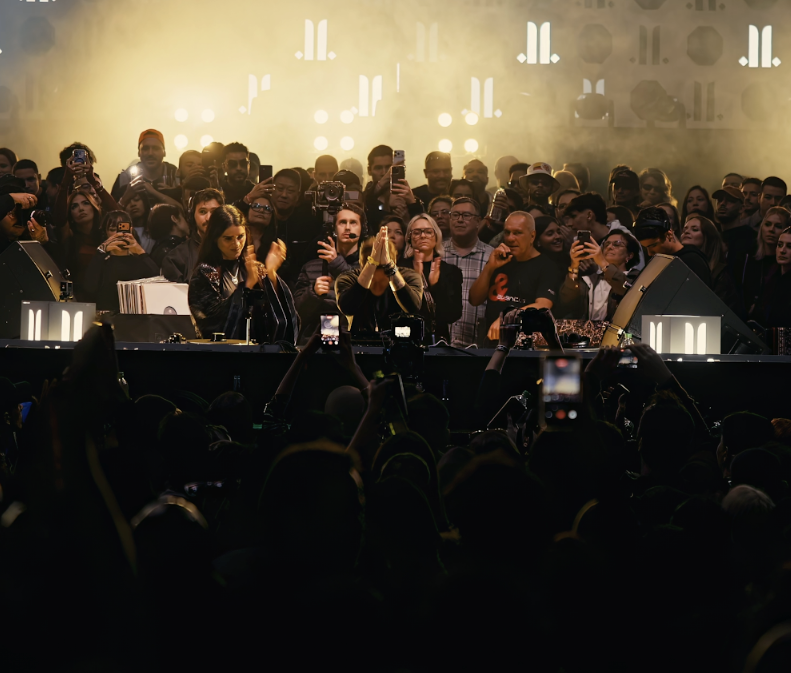
Playing music in front of people takes this even further. The dancefloor reveals things that no waveform or analyzer can show you. You start understanding how people respond to different frequencies, grooves, tension, and moments of release. I’ve also learned that the reaction you expect isn’t always the one you get. I’ve played tracks intending them to be a moment of breathing space between two energetic ones, only to see the crowd get even more excited. And the opposite has happened too! That’s the beauty of interacting with people. Music is unpredictable because we are.
I think revision is largely about perspective. Stepping away from a track and coming back with fresh ears often makes you realize that what you need isn’t necessarily another element, but sometimes the courage to remove something and let the music breathe.

What makes a record feel authored instead of assembled?
The intention behind a record plays a huge role in distinguishing something authored from something simply assembled. It’s not necessarily a matter of production skills, as an artist doesn’t need to create every sound from scratch on a synthesizer. It’s more about knowing your own truth, understanding the path you want to follow, and finding ways to translate that into music.
From my experience working in A&R and alongside artists, the most distinctive tracks often came from those who genuinely wanted to express a feeling, a personal story, or something they deeply believed in, rather than simply copying what’s currently successful in the market to generate immediate hype.
Chasing success might seem like a valid strategy in the short term, but it can gradually dilute an artist’s identity, making their music feel manufactured and placing them on the same shelf as countless others following a similar formula.

Where can you hear careful decision-making in a finished track?
From a technical perspective, I think arrangement and sound design reveal a lot about the decision-making process. You can hear it in the way elements enter and leave, how the musical story unfolds, and how the producer moves between moments of intensity and silence, building tension and eventually releasing it.
Beyond the technical side, I believe melodic and harmonic choices also reveal a lot about the intention behind a track. It doesn’t need to be a complex melody or a sophisticated musical statement. Sometimes a simple melodic hook, when used wisely, can communicate much more than something elaborate.
The idea of “less is more” is very powerful to me. Just because a track doesn’t have many elements doesn’t mean less thought or effort went into it. Quite the opposite, actually. There can be an incredible amount of care behind choosing the right sounds, deciding which layers are necessary, and understanding how the different elements interact with each other. Sometimes the most important decision is knowing what not to add.
If artists want the final record to feel personal, what should they protect during the process?
Their own instincts. There are moments when you’re working on a track and, out of nowhere, a weird idea comes to mind. My advice is to listen to it, bring it into the project, and see where it takes you. Sometimes those ideas that seem strange at first are exactly what ends up distinguishing a track, or even shaping an artist’s identity.
It’s easy to dismiss an idea because it doesn’t fit the current aesthetic or what’s trending in the market. But that unusual spark of inspiration might be exactly what brings something fresh to the music scene. Every sound that eventually became a trend started somewhere, whether through something completely new or a reinterpretation of an idea from the past.
I believe it takes courage not only to explore these ideas, but also to stand behind them when the time comes to share your music with the world.
Final Thoughts From The Editor
The thing I found most interesting about Sonnero’s answers is his argument that producers should understand the fundamentals of sound processing before handing too much responsibility to other people. I think there’s a distinction worth making here because it can be tempting to interpret that advice as suggesting artists need to become exceptional mixing engineers before they’re allowed to collaborate with one.
That’s not how I understand his point, and I don’t think that would be a reasonable expectation for every musician. What he’s describing is the importance of developing enough technical knowledge to understand what you want your music to sound like and to communicate those preferences to somebody who might be helping you finish it.
I’ve encountered this plenty of times through my own label work, particularly when artists send music that has clearly received a lot of technical attention but still needs work on the actual arrangement. You can spend an entire afternoon adjusting a bass sound, adding processing, and improving the balance between individual instruments without addressing whether the composition communicates anything interesting.
This reminded me of my interview with Maor Levi about the relationship between AI, speed, and musical taste, where he discussed how a producer can continue improving the technical quality of a record without improving the underlying song. Sonnero arrives at a similar consideration through his A&R experience, suggesting that the intention behind the music needs to inform the decisions an artist makes throughout the production process.
What makes Sonnero’s perspective particularly interesting to me, however, is the amount of time he’s spent working in A&R. When you’re responsible for evaluating submissions and helping artists develop their careers, you’re regularly exposed to people who are trying to understand what labels want from their music. Some artists approach that process by adapting their sound to resemble whatever happens to be receiving attention, and I can understand the commercial reasoning behind those decisions.
But I also think there’s a risk of becoming so concerned with what other people want to hear that you stop considering which production choices you actually enjoy making. In my conversation with Theus Mago about AI and the temptation to repeat successful formulas, he discussed a similar concern, particularly how relying on familiar production methods can eventually make creating music less interesting for the artist. Sonnero’s observations reinforce that point from someone who has spent years assessing how records fit into a label’s catalog.
And I think that brings us to the most important lesson from this conversation.
Developing an individual sound involves learning how to make decisions, understanding why you prefer certain ideas, and having enough confidence to explore something that might initially seem unusual.
Sonnero’s experience working with artists at established Brazilian record labels gives him a perspective on what happens when musicians become too concerned with reproducing the success of other records, while his own work as a producer gives him an opportunity to apply those observations firsthand.
There’s plenty to be gained from studying other artists, learning new production techniques, and working with experienced engineers, but those things are most valuable when they help you make music that reflects your own interests.
Producers can keep developing that comfort long after they’ve learned to operate their equipment.

Will Vance is a professional music producer who has been involved in the industry for the better part of a decade and has been the managing editor at Magnetic Magazine since mid-2022. In that time period, he has published thousands of articles on music production, industry think pieces and educational articles about the music industry. Over the last decade as a professional music producer, Will Vance has also ran multiple successful and highly respected record labels in the industry, including Where The Heart Is Records as well as having launched a new label with a focus on community through Magnetic Magazine. When not running these labels or producing his own music, Vance is likely writing for other top industry sites like Waves or the Hyperbits Masterclass or working on his upcoming book on mindfulness in music production. On the rare chance he's not thinking about music production, he's probably running a game of Dungeons and Dragons with his friends which he has been the dungeon master for for many years.