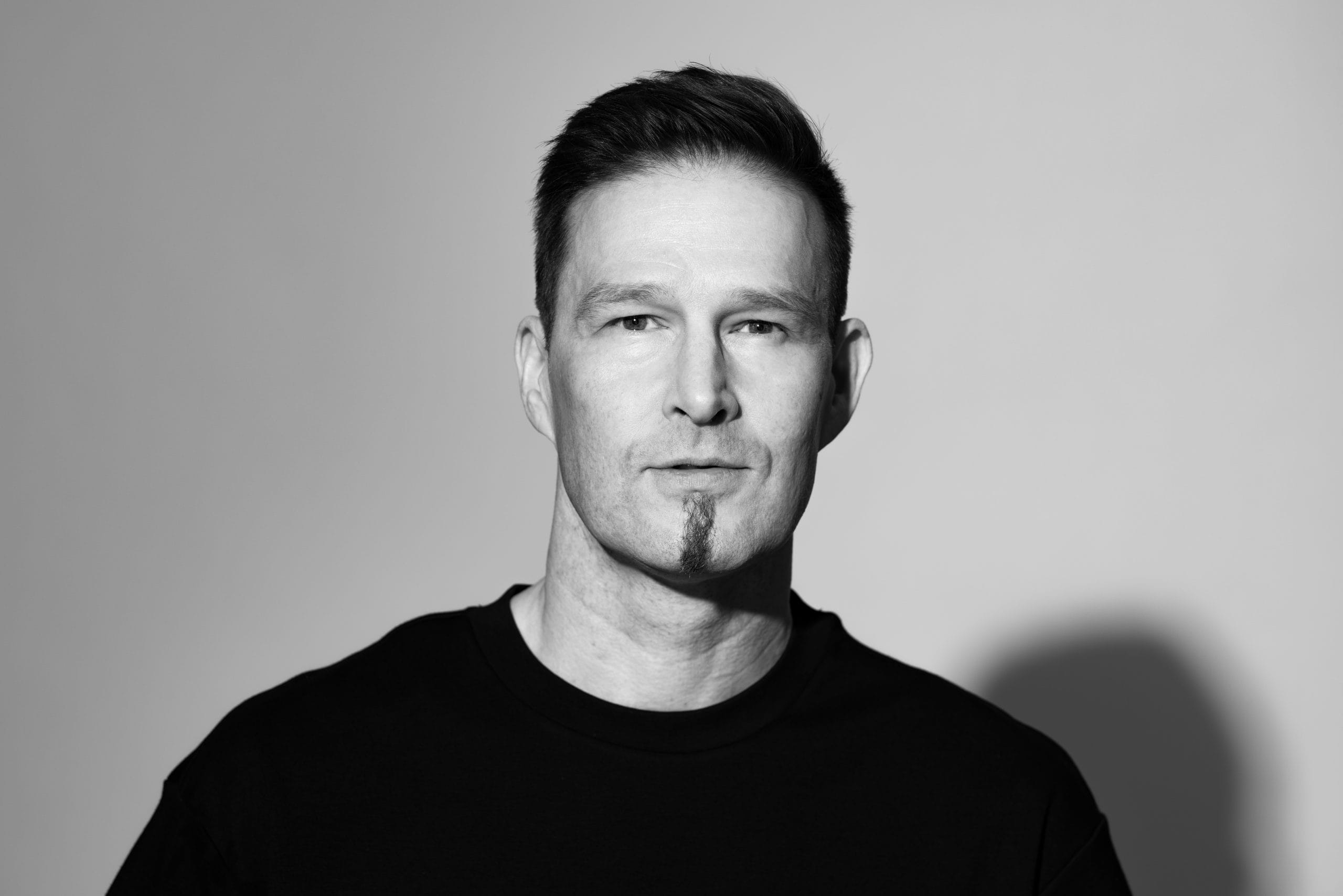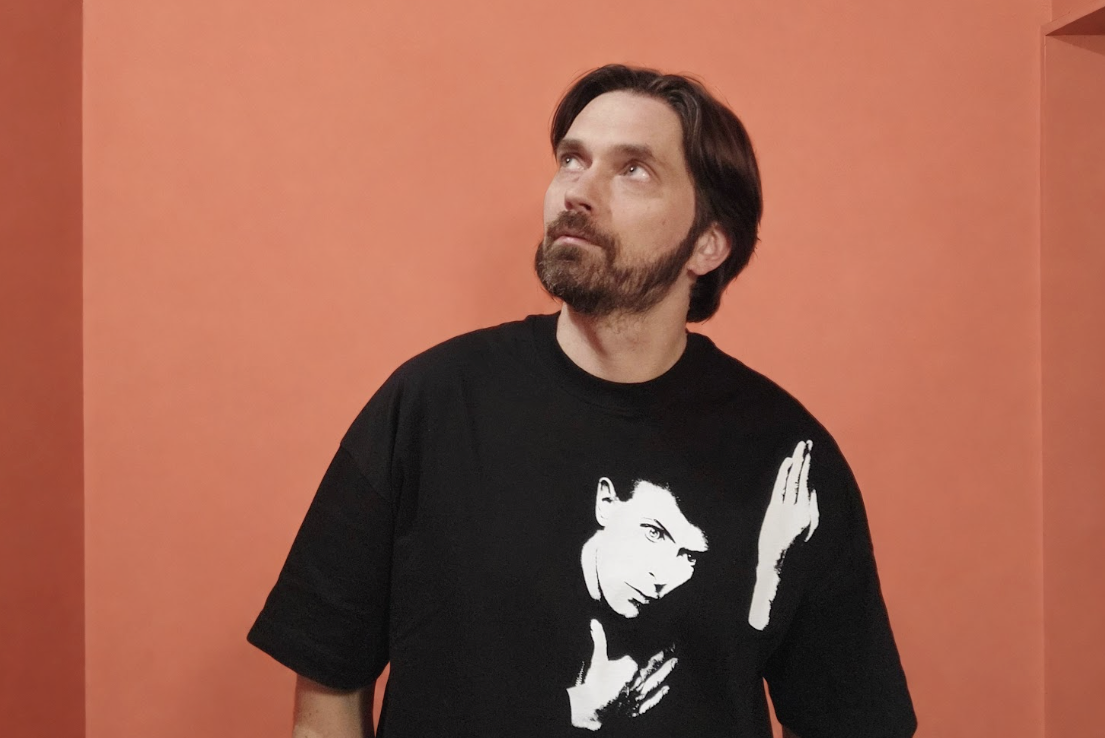
Vocal house has always relied on a straightforward mix of memorable songwriting, a strong groove, and a vocalist who can bring personality to the record. Zurich-based producer Jon Who has explored that relationship throughout his career, drawing on a background in classical piano, orchestral composition, and architecture to shape his approach to electronic music.
His latest single, “Glass Houses,” released October 16, 2026, through Groove People Records, brings him together with GEORGE ANTHONY MUSIC for a soulful house record built around classic piano chords, a grooving bassline, and a vocal performance that gives the production much of its character.
Jon Who has spent years developing his sound through performances at Zurich Street Parade, Openair Gampel, Ministry of Sound in London, and Café del Mar in Ibiza.
His collaborator brings a different musical background to the project, with more than 25 years of experience singing and performing internationally, including work with gospel ensembles such as The Best of Black Gospel. That combination makes sense for a record like “Glass Houses,” where the vocal takes a central role and the production draws heavily from the traditions of classic house and disco.
The single also comes in two versions, with an extended mix intended for DJs and a shorter radio edit.

What I find interesting about Jon Who’s approach is how much attention he gives to the relationships between individual elements in the arrangement. His use of sidechain processing goes beyond the usual kick-and-bass relationship, with separate ducking envelopes allowing the piano to influence how the synths and pads behave. He also uses fairly deliberate automation on the string arrangements, vocal delays, and transitions, creating movement without constantly introducing additional instruments.
Below, Jon Who explains how Serum 2, ValhallaDelay, ShaperBox, and Endless Smile helped shape “Glass Houses,” along with five production tips for anyone working in vocal house.
Serum 2

For the string stabs around the drop I used Serum 2 with a strings sound preset that increases the tension while contrasting with the underlying organ pads. The plugin has a very short attack and a short hold, just like the staccato sound of a natural string section.
The preset I used with Serum 2 is from Splice and it’s called Violins ChordStaccato1 from Organix. It is designed for Serum, but it can be imported into Serum 2, you just need to select the right file extension and not give up if you don’t see it right away in the import dialogue☺ I gently tweaked its envelope by raising its hold from 100 to 151 ms. I also automated the EQ frequency by raising it towards the end of every clip, the stereo width from 80 to 100% to open the sound up and finally the gain to give it more presence.
Strings have long been used in classic house music because of its disco DNA. They are extremely versatile, acting like stabs or pads, depending on the context. Don’t be afraid to use them, they are universally recognized as ‘musical’. An important part is layering them – the ones in ‘Glass Houses’ are chords on 2 octaves, and the upper notes have a lower velocity than the bottom ones in order to be just felt, not necessarily to take that spotlight.
ValhallaDelay
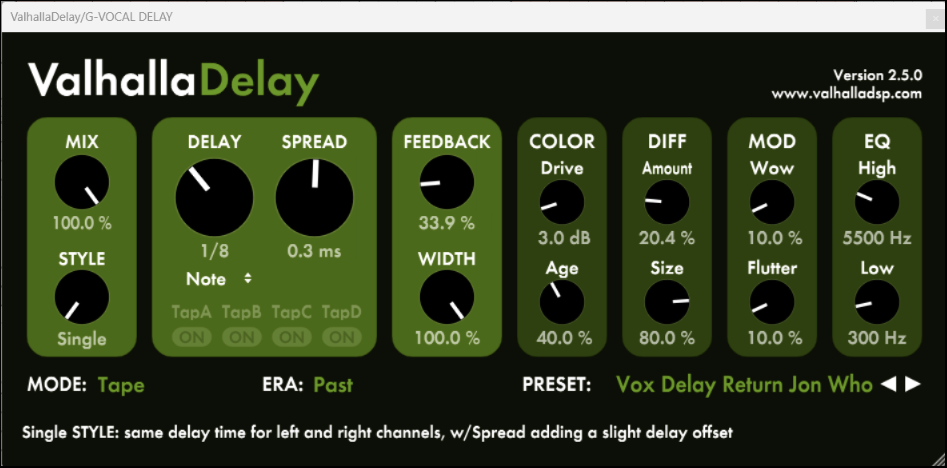
I created a dedicated return track for the vocal delay and I used ValhallaDelay on it. It’s a versatile and simple to use plugin – its UI is very minimal. It has a whole range of delays, from digital to warm, vintage tape and analogue.
On ‘Glass Houses’ I sent the lead vox and the 2nd vox to the delay return track, automating the its gain only on the 2nd vox track with a spike just before the break that leads into the drop. This way, the delay is steady on the main vocals but becomes part of the riser for the 2nd vox. Also, I automated the feedback and spread on the return track itself.
In vocal house with a classic flavour the delay should be used more sparingly. The main goal is contrast, not a continuous mush. It takes some tweaking in order to have it naturally breathe with the kick and also compression for a richer and warmer echoes in the mix.
ShaperBox
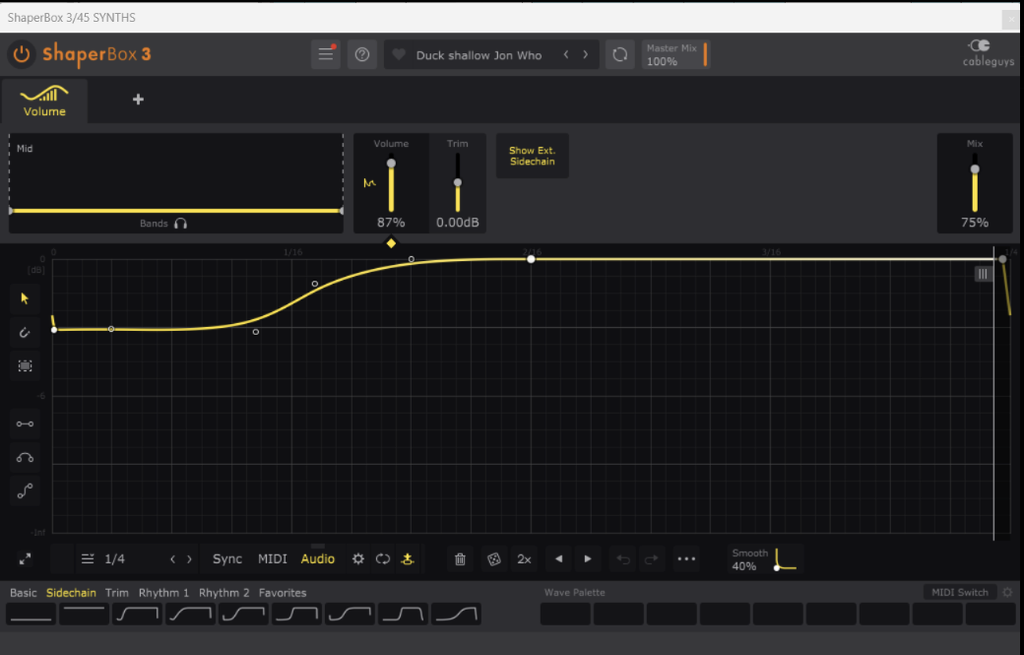
ShaperBox ShaperBox ShaperBox. I will never tire praising this plugin that ducks synths and pads to percussive sounds such as kicks, piano stabs etc. This one is used directly on the instrument’s track and it ducks it to the rhythm of other percussive sounds in the mix in order to create that pulsating movement around them, making the whole mix come alive. Think of it as the plugin that makes the track breathe.
On ‘Glass Houses’ I used it on the Synths and the Pads buses, and I put 2 instances on each – one sidechained to the Kick and one to the piano. I created custom ducking envelopes in the Volume mode of Shaperbox, for the piano slightly shorter, more shallow and with less gain than for the kick, in order to establish a hyerarchy.
Ducking longer sonic textures to percussive ones is essential in dance music, it gives it that ‘alive’ feeling. You should test it and find the right balance – too much and it will sound jerky. What I learned is that different punchy, transient-rich sounds will call for slightly different ducking settings, since in real life not 2 instruments interacting are the same as any other 2.
Endless Smile
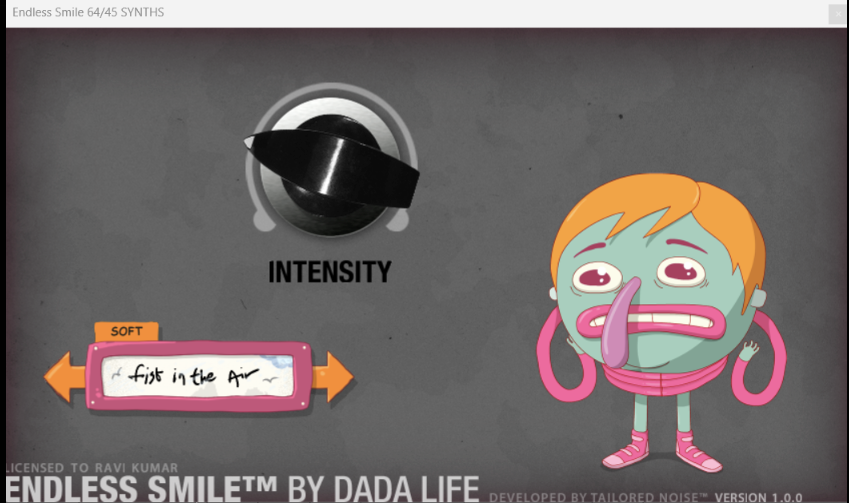
Endless Smile is another great plugin I discovered while teaching myself music production. It’s a deceptively simple plugin that adds excitement, tension and energy to sweeps, delays, reverbs etc. It’s UI has only one knob and you can choose between 7 presets. The magic happens behind the interface, so it frees up mental space that would be otherwise spent on tweaking multiple knobs and faders.
I used Endless Smile on the FX, the Synths, Pads and Keys buses, with its ‘Fist in the air’ preset. Don’t ask me what it does – it just does it☺ I automated its only parameter, intensity, raising it during the buildups.
If you’re not using Endless Smile yet, you definitely need it, especially if you want dramatic buildups. In order to achieve its best effect, drop it down to 0 right at the drop. Don’t use it on the low end, obviously.
Quick Fire Tips For Making Vocal House
Tip #1
Create a groove. Come up with a good bassline.
Tip #2
Find a good voice – human, not AI! There’s so much talent out there!
Tip #3
Don’t be afraid to keep it simple. Sometimes in order for it to sound simple you still need a certain degree of hidden complexity, but don’t let it sound complex if it doesn’t need to.
Tip #4
Get feedback from people outside and inside the music business. Remember, the first are the end users of your music.
Tip #5
Vocal house literally tells a story, not just implies it. Think of it in terms of pop music and then cut it down to dancefloor size.

Will Vance is a professional music producer who has been involved in the industry for the better part of a decade and has been the managing editor at Magnetic Magazine since mid-2022. In that time period, he has published thousands of articles on music production, industry think pieces and educational articles about the music industry. Over the last decade as a professional music producer, Will Vance has also ran multiple successful and highly respected record labels in the industry, including Where The Heart Is Records as well as having launched a new label with a focus on community through Magnetic Magazine. When not running these labels or producing his own music, Vance is likely writing for other top industry sites like Waves or the Hyperbits Masterclass or working on his upcoming book on mindfulness in music production. On the rare chance he's not thinking about music production, he's probably running a game of Dungeons and Dragons with his friends which he has been the dungeon master for for many years.