Plenty of inexpensive IEMs are competing for attention right now, and while manufacturers generally try to appeal to the widest possible audience through balanced tuning, exaggerated bass response, or increasingly complicated driver configurations, Apos has taken a fairly specific approach with its Rock Lobster IEMs.
These $60 wired earphones were developed with input from the Apos community (which is pretty damn cool these days) and tuned primarily for rock music, with particular attention to guitars, vocals, and the frequencies that give live instruments their body. Does this work for dance music, which is my bread and butter? Well, we’ll have to find out…
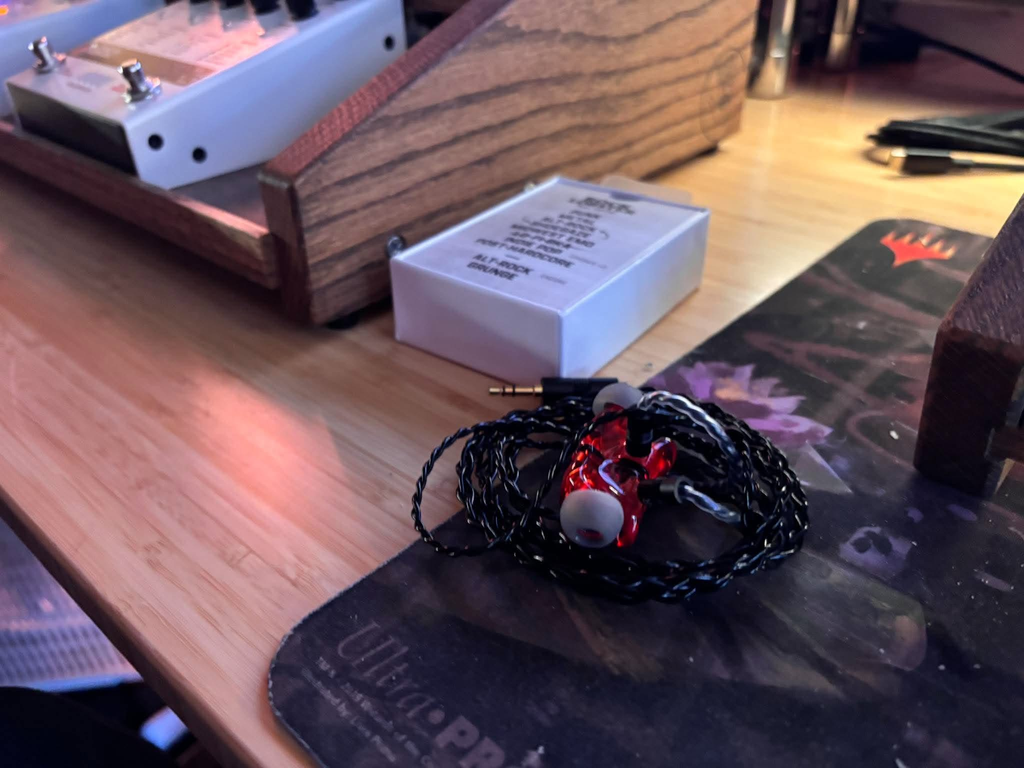
It’s an interesting proposition because rock recordings present their own challenges, especially when distorted guitars, bass, vocals, and aggressive percussion are competing for space within an already compressed mix.
And while Apos developed these with rock, punk, and metal listeners in mind, I was equally interested in how that tuning would translate to electronic music, where low-frequency definition, percussion transients, and subtle spatial effects can be just as important as the instruments themselves.
At $60, there’s also a reasonable argument for owning a pair of earphones that serves a specific listening preference without necessarily replacing your primary headphones with something maybe even from this list, so I wanted to look at the Rock Lobsters from that perspective as well, considering their sound quality, comfort, construction, and whether their specialization actually provides something worthwhile.
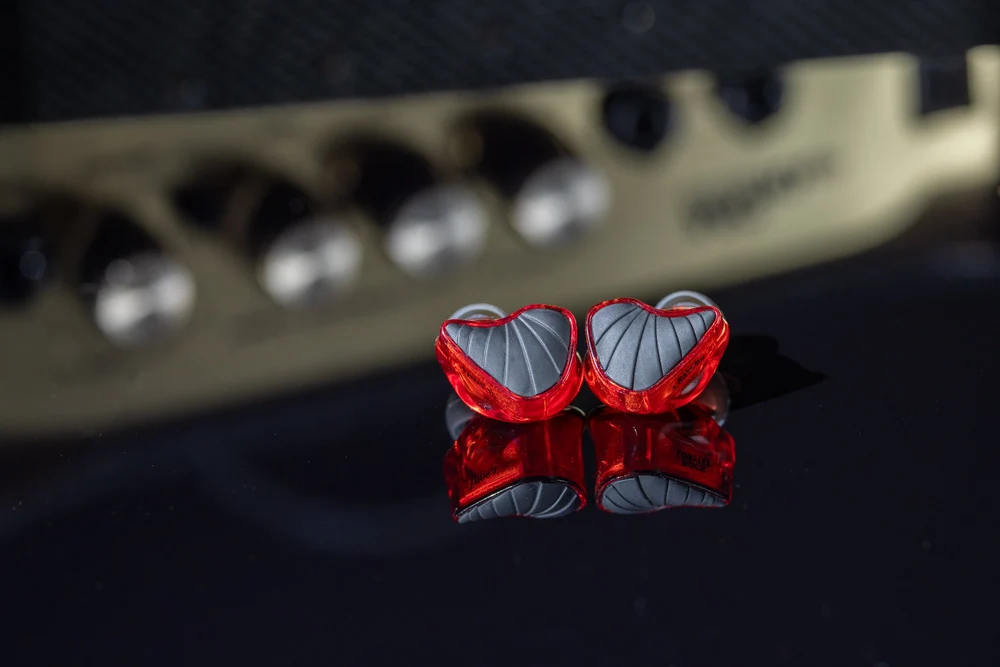
| Specification | Apos Rock Lobster |
|---|---|
| Driver | 10mm liquid crystal polymer (LCP) |
| Driver configuration | Single driver |
| Impedance | 32 ohms |
| Sensitivity | 105 dB |
| Frequency response | 20Hz to 20kHz |
| Cable connection | Detachable 0.78mm 2-pin |
| Available terminations | 3.5mm or 4.4mm |
| Standard accessories | Cable, assorted ear tips, manual |
| Price | Starting at $60 |
Design, Build Quality, and What’s Included
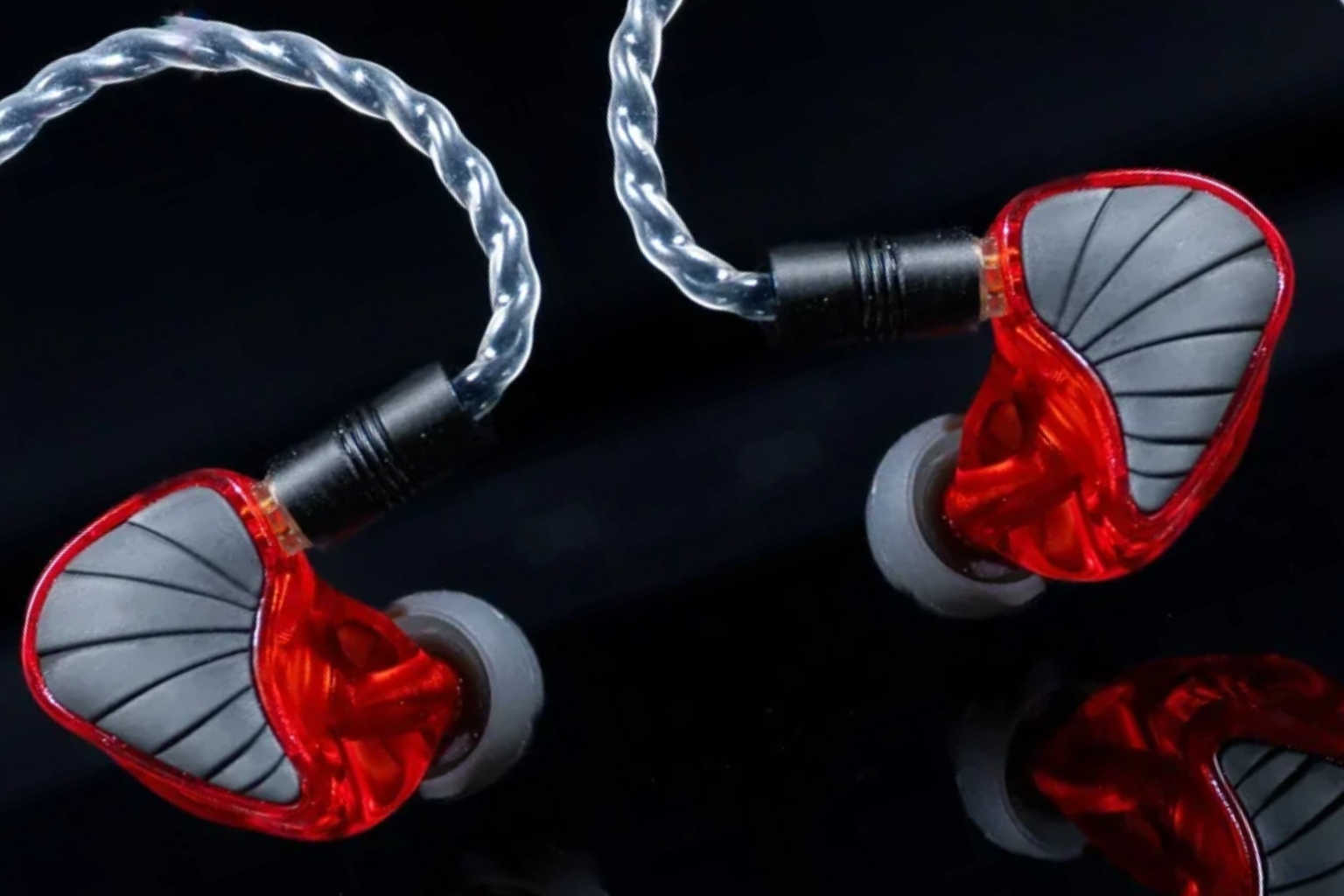
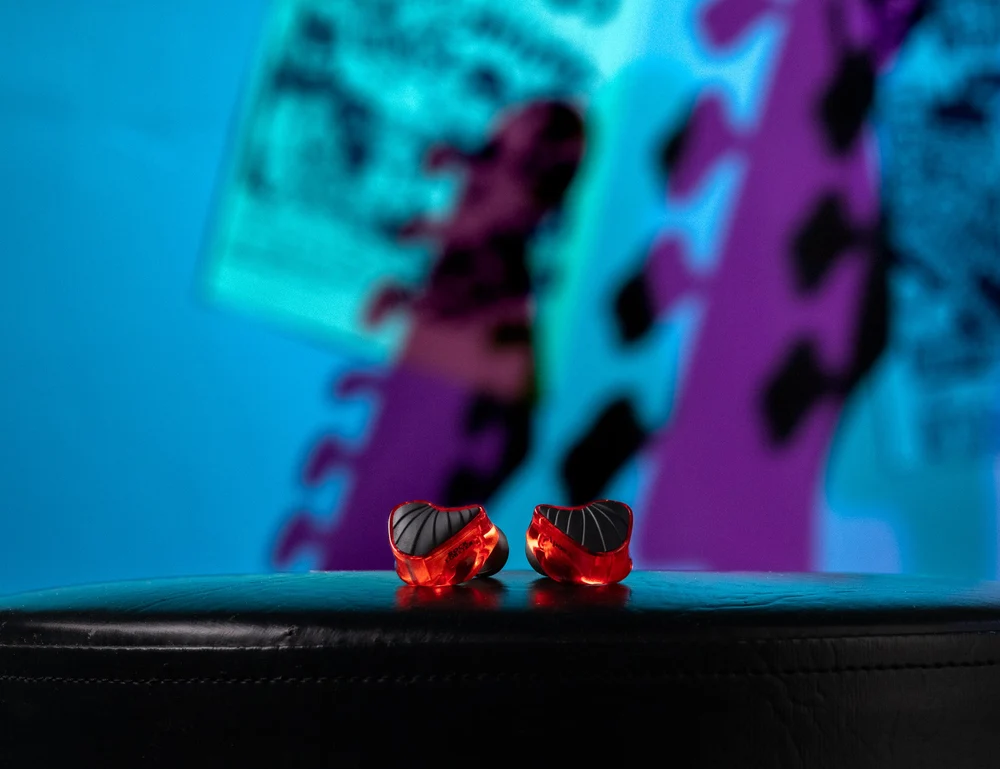
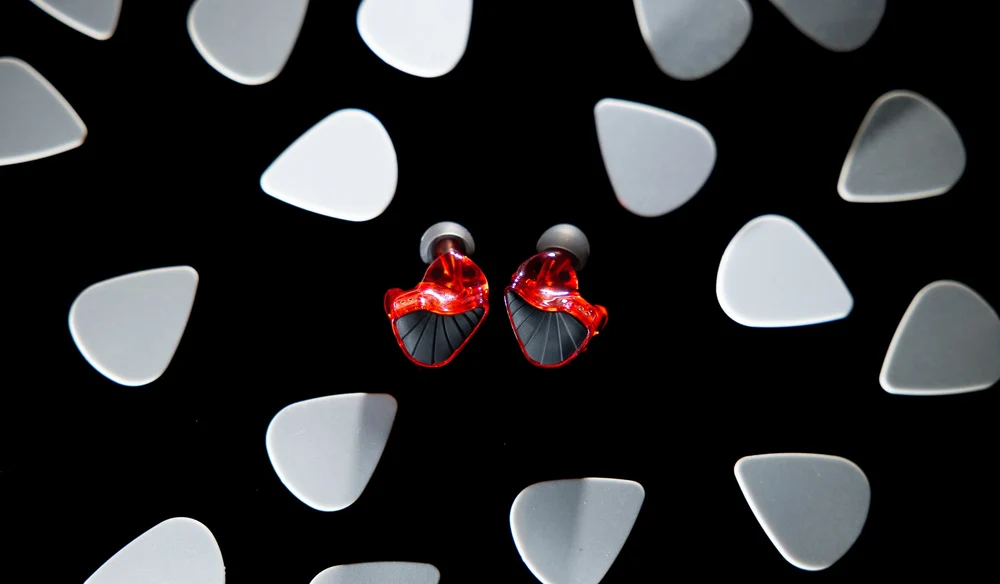
The first thing you’ll notice about the Rock Lobsters is their translucent red housing, which lets you see the internal components while contrasting with the dark, ribbed faceplate on the outside of each earphone. I appreciate how simple the physical design is, because the color and textured faceplate add character without relying on oversized housings or excessive branding.
The lightweight shells follow the contours of the outer ear, and while they don’t have the substantial feel of a metal-bodied headphone, I’m not particularly concerned at this price.
In fact, keeping the weight down is probably a better choice for something meant to be worn for extended listening sessions, especially when the point is to enjoy a few albums without constantly adjusting the earphones.
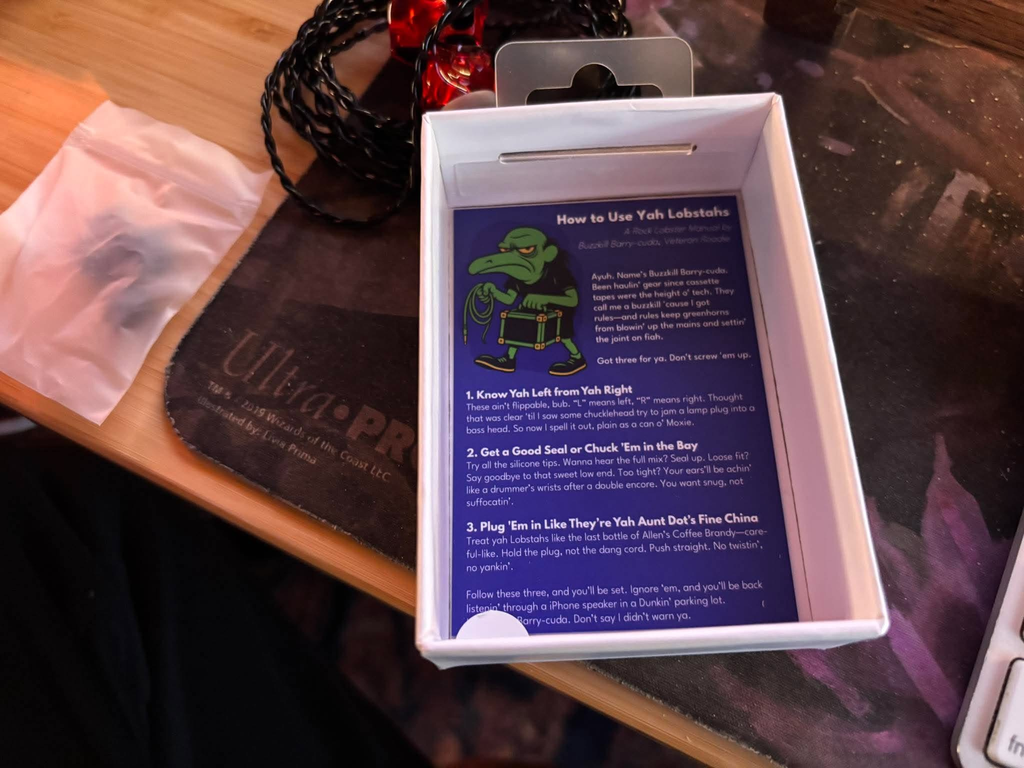
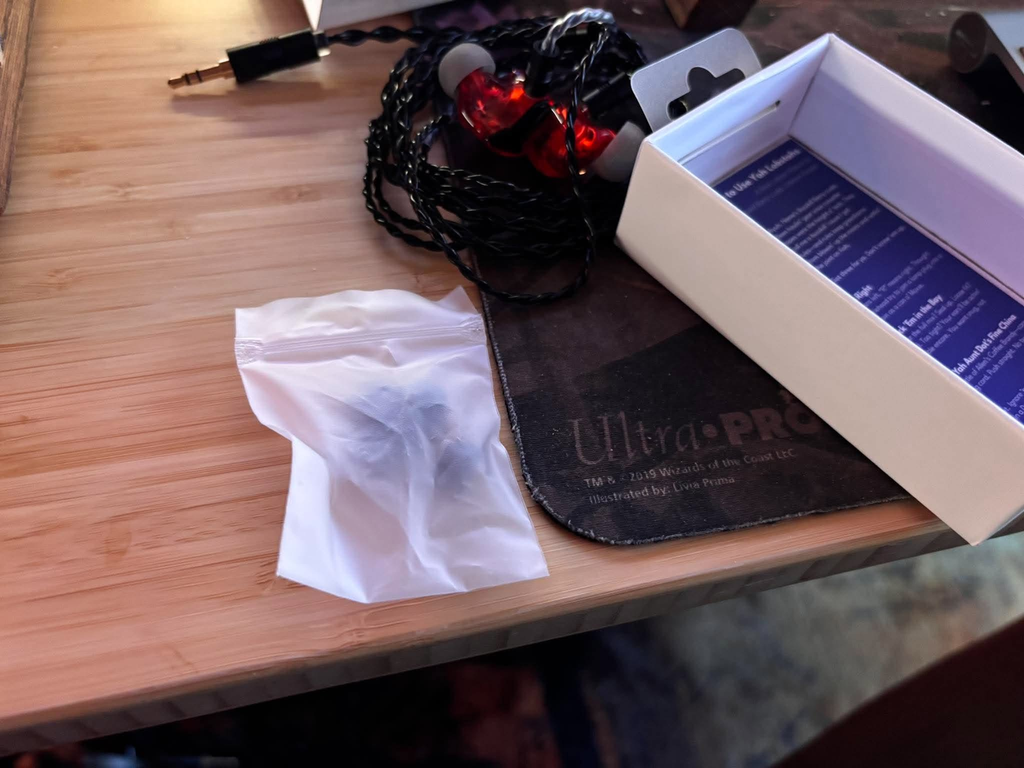
The included cable is similarly straightforward, with a braided construction, over-ear routing, and detachable 0.78mm two-pin connectors. It does the job, but I wouldn’t consider it a reason to buy the Rock Lobsters, and listeners used to softer aftermarket cables might prefer something less stiff.
Still, replaceable cables are a welcome feature because a damaged cable doesn’t automatically mean replacing the entire product, as long as the connectors on the earphones remain intact.
One thing worth mentioning is that the standard package doesn’t include a carrying case, which is a little disappointing for a product intended for portable listening.
Apos offers a separate clamshell case option, and while I understand keeping the entry price down, I would have appreciated a basic protective pouch. You do get assorted ear tips, and frankly, finding the right fit matters far more to the listening experience than getting an elaborate collection of accessories you’ll probably never use.
Comfort, Fit, and Listening for Extended Periods
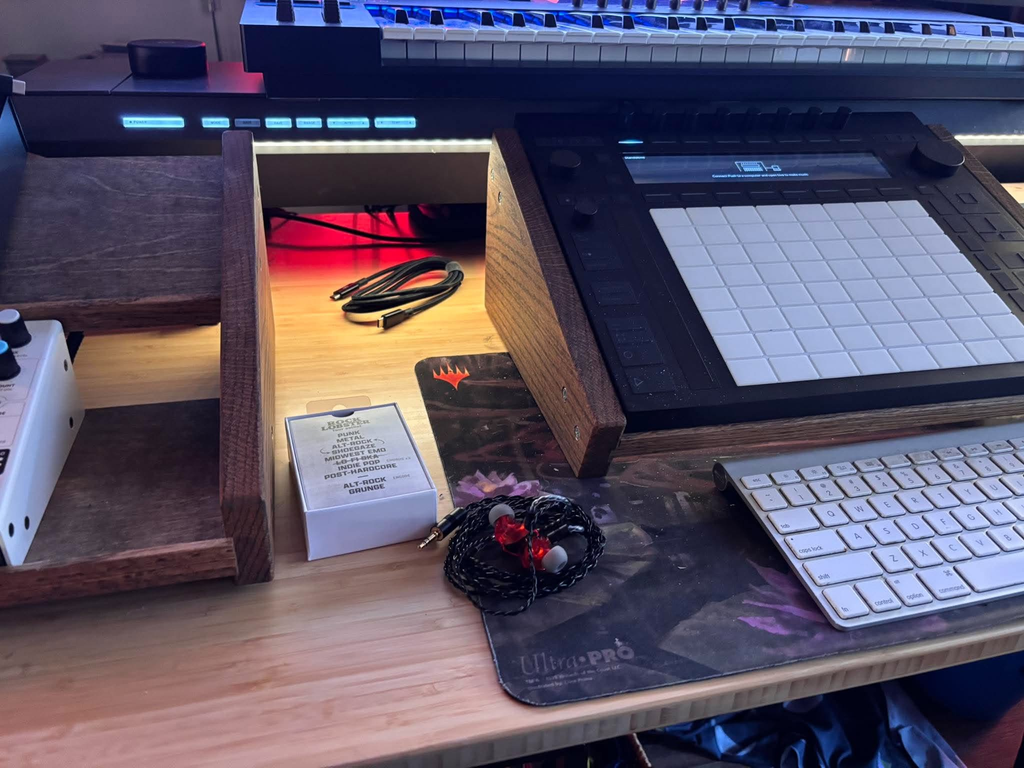
Comfort is always hard to judge universally with IEMs because everyone’s ears are shaped differently, and the same housing that feels secure for one person can cause pressure or discomfort for another.
The Rock Lobsters have a relatively lightweight build, and the molded housings should help distribute their weight around the outer ear, though they aren’t quite as compact or discreet as some smaller alternatives.
I would pay particular attention to ear-tip selection here, since getting an adequate seal affects the low-frequency response considerably, and a poor fit can make the same pair of earphones sound substantially different from one listening session to another. The included silicone tips are a reasonable starting point, although aftermarket foam or silicone alternatives are worth considering if you’re struggling with comfort or isolation.
I also think there’s an important distinction between physical comfort and listening fatigue, and the Rock Lobsters’ restrained high-frequency tuning matters for the latter. Aggressive cymbals, distorted guitars, and heavily compressed recordings can become tiring through brighter headphones, particularly when you’re listening to several albums consecutively, and the smoother upper-frequency presentation here is clearly intended to make those sessions less demanding.
That doesn’t eliminate the need to listen at reasonable volumes, but it does explain why some listeners may prefer this tuning over something considerably brighter.
Apos Rock Lobster Sound Quality: Bass, Midrange, and Treble

Bass Response: Full, Warm, and sometimes a lil’ Thick
The low end is one of the defining characteristics of the Rock Lobsters, and while they aren’t tuned exclusively around exaggerated sub-bass, they noticeably emphasize the weight and body of bass instruments.
That works particularly well with conventional rock arrangements, where kick drums and bass guitars need enough presence to support distorted guitars without completely obscuring the midrange, and I think Apos has made a reasonable decision to concentrate on those frequencies.
Still, I wouldn’t immediately reach for an EQ to remove that additional weight, because it’s central to the listening experience Apos is trying to create. The low end is designed for impact and fullness rather than clinical precision, and for older rock recordings that can sound relatively lean on brighter headphones, that added body can be a welcome characteristic.
Midrange: Where the Rock Lobsters Make Their Best use case
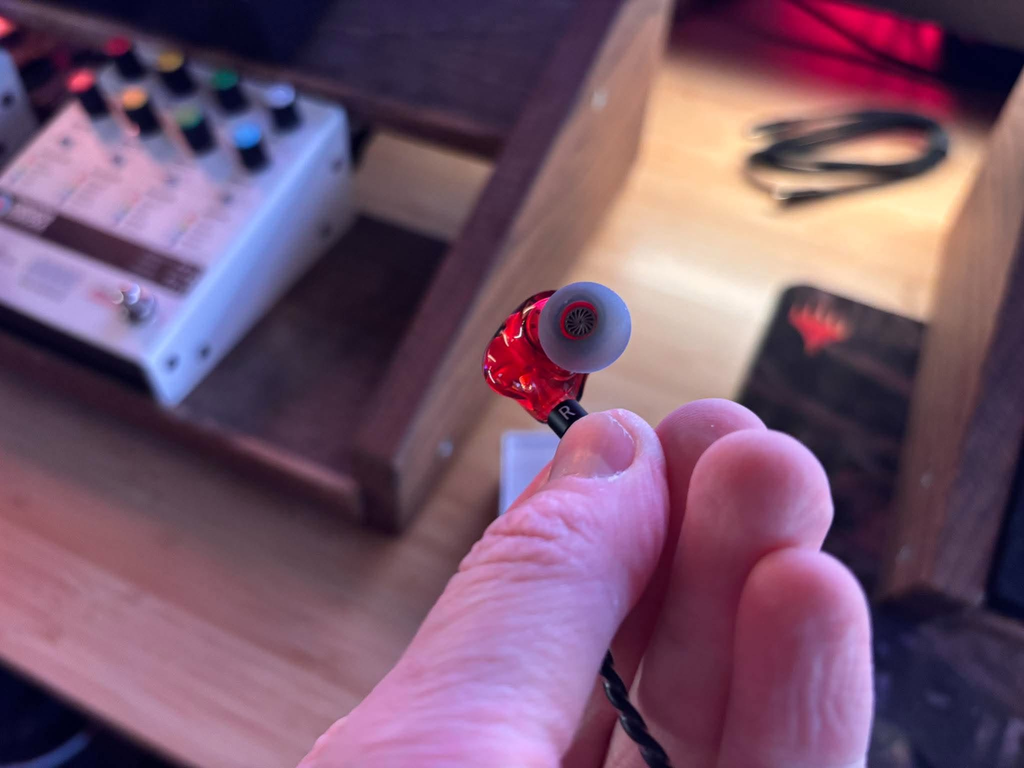
The midrange is arguably the most important part of these earphones…
It’s also where Apos’s decision to design around rock music becomes easiest to understand. Electric guitars occupy a lot of space in this range, especially when distortion adds harmonics, and an IEM that exaggerates the upper frequencies can make those recordings sound unnecessarily sharp.
There is a compromise, of course, because emphasizing guitar body while reducing upper-frequency energy can also soften some finer details. You may hear the weight and texture of a distorted rhythm guitar clearly without getting quite the same articulation from the pick attack or individual strings, and acoustic guitar recordings can exhibit a similar characteristic.
What I dig the most is that the Rock Lobsters don’t seem designed to pull every instrument forward or exaggerate the smallest details. They concentrate on maintaining the overall tonal relationship between guitars, bass, and vocals, which can be particularly enjoyable when the recording itself is dense or imperfect.
Treble: Smooth Listening Comes With A Catch

The treble is probably the most divisive part of the Rock Lobsters, and it’s where listeners will need to decide whether Apos’s tuning priorities align with their preferences. The upper frequencies are relatively restrained, especially compared with brighter IEMs, which reduces the prominence of cymbals, vocal sibilance, and other sounds that can become abrasive during longer sessions.
Plenty of older recordings have aggressive cymbals, substantial guitar distortion, and relatively limited production budgets, and emphasizing every high-frequency imperfection doesn’t necessarily make those records more enjoyable.
The drawback is that the same treatment can make some recordings feel slightly closed in. Hi-hats, shakers, acoustic guitar harmonics, and subtle percussion details remain part of the presentation, though they don’t always get the definition or perceived openness you might want in modern electronic music, jazz, or acoustic recordings.
The Rock Lobsters still reproduce high-frequency information, but their tonal balance makes those elements less prominent; a modest EQ adjustment could help if you want more clarity without fundamentally changing the overall character.
Do the Apos Rock Lobster IEMs Work With Electronic Music?
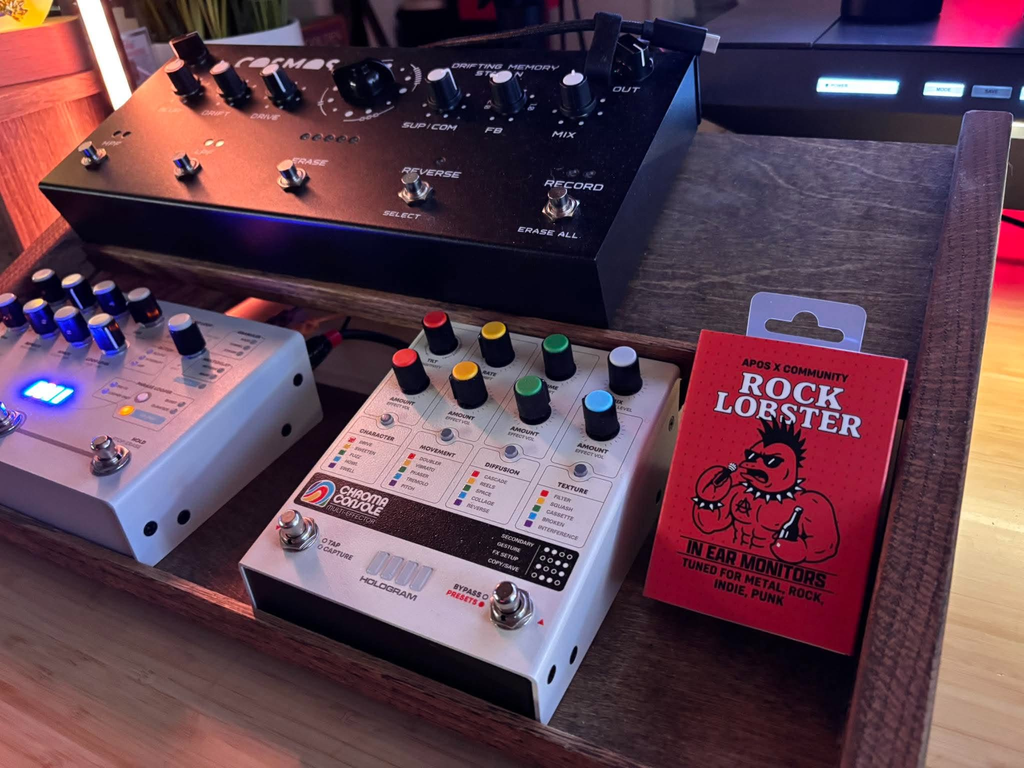
This is where I think the review becomes particularly interesting for Magnetic Magazine readers, because while rock music is clearly the priority here, the same tonal decisions have implications for house, techno, melodic electronic music, and other genres where the relationship between bass, percussion, and spatial effects is central to the arrangement.
The added low-frequency body can work well with electronic productions that rely on prominent kick drums and sustained bass lines, especially when the high-frequency percussion isn’t meant to dominate the arrangement.
This kind of presentation has an appealing fullness, though tracks with substantial mid-bass energy may expose the limitations of a warmer tuning, especially when the kick and bass need to stay clearly differentiated.
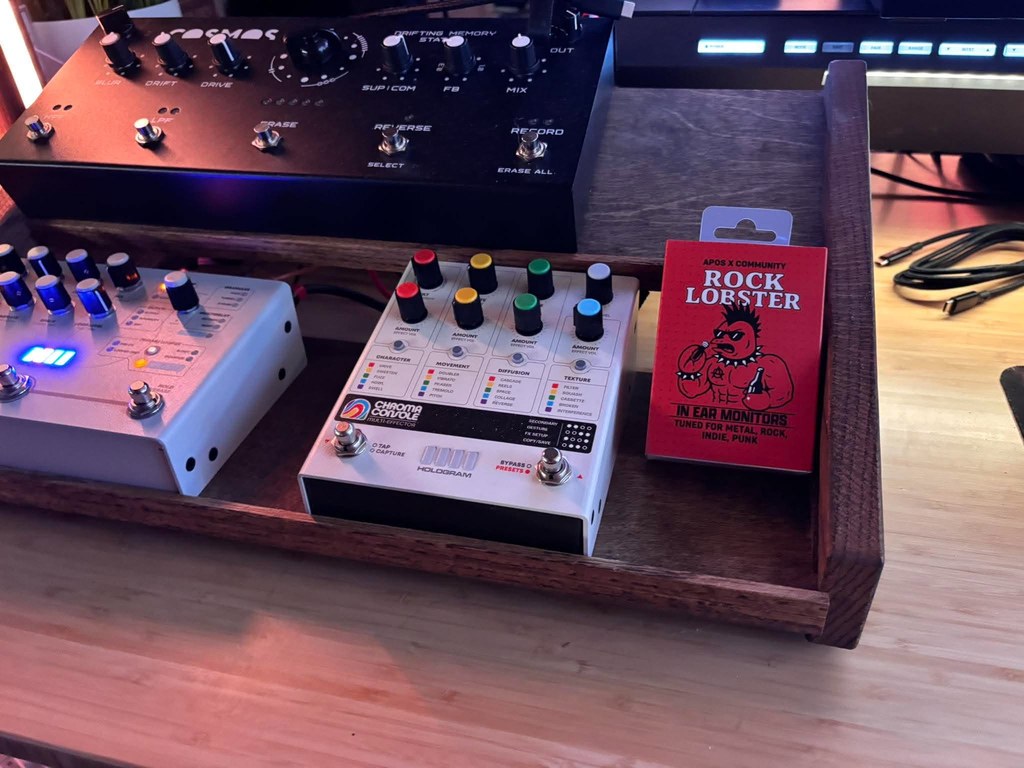
Where I have greater reservations is with productions that depend on detailed hi-hat articulation, delicate percussion, and subtle upper-frequency information.
A lot of progressive house and melodic electronic music similar to what I make uses carefully positioned percussion, delay returns, and reverberation to establish depth, and when those details get less emphasis, you can lose some of the information that makes the arrangement interesting.
I wouldn’t suggest that the Rock Lobsters are unsuitable for electronic music, because the answer depends heavily on the production and your listening preferences. However, someone who moves regularly between progressive house, ambient music, acoustic recordings, and guitar-heavy rock will probably notice the tuning compromises more often than someone who listens almost exclusively to punk, shoegaze, or metal.
Connectivity, DACs, and Everyday Listening

With a stated impedance of 32 ohms and sensitivity of 105 dB, the Rock Lobsters are designed for relatively straightforward portable use, and I wouldn’t consider an expensive desktop amplifier necessary. A laptop headphone output, compatible portable audio player, or compact USB DAC should be the starting point, as long as the source delivers adequate volume without audible distortion or noise.
Apos offers 3.5mm and 4.4mm cable configurations, which is a welcome option for listeners who already use equipment with balanced headphone outputs, although I wouldn’t assume that choosing a balanced connection automatically improves sound quality. Differences between amplifier outputs can involve power, output impedance, noise, and playback level, so a louder connection shouldn’t automatically mean better sound.
I also appreciate the relative simplicity of wired earphones when traveling.
You don’t need to charge them, manage Bluetooth pairing, or monitor battery life during a long listening session, and they’re small enough to fit into a pouch alongside a compact DAC. Wireless headphones remain far more convenient when cables get in the way, and active noise cancellation still helps in noisy environments, but the Rock Lobsters offer a straightforward alternative for anyone who prefers wired playback.
For listeners interested in modifying the sound, software EQ is probably the first thing I’d explore before spending money on additional equipment. A slight reduction in mid-bass or a modest upper-frequency adjustment could make the Rock Lobsters easier to use across different genres, although I’d be careful not to remove the warmth and relaxed treble that define their intended character.
Are the Apos Rock Lobster IEMs Worth $60?
At $60, I think the Rock Lobsters make a fairly convincing case for affordable, genre-specific listening equipment, provided you understand their tuning is meant to serve a particular type of recording rather than deliver completely neutral reproduction. Their warmer bass, substantial midrange, and restrained treble are especially relevant to rock, punk, grunge, and metal, where aggressive guitars and cymbals can become tiring through brighter headphones.
There are compromises, and I wouldn’t overlook them simply because the price isn’t that steep.
Instrument separation is relatively modest, upper-frequency details can feel softened, the included accessories are basic, and I would have preferred a carrying case in the standard package. Listeners who prioritize spatial precision, detailed acoustic recordings, or a brighter presentation may find competing IEMs better suited to their preferences.
Still, I appreciate that Apos has developed these around a clearly defined listening experience. The Rock Lobsters don’t need complicated amplification; they have a replaceable cable, and their tuning prioritizes the instruments and frequency ranges that are central to the music they’re intended to reproduce.
For someone who spends most of their time listening to guitar-focused music and prefers a warmer presentation with controlled treble, I think the Rock Lobsters are worth considering at their $60 asking price. I wouldn’t recommend them as a replacement for accurate studio monitoring or as the universal solution for every musical genre, but as an affordable pair of wired IEMs designed around rock listening, the overall concept is coherent, and the compromises are relatively easy to understand

Will Vance is a professional music producer who has been involved in the industry for the better part of a decade and has been the managing editor at Magnetic Magazine since mid-2022. In that time period, he has published thousands of articles on music production, industry think pieces and educational articles about the music industry. Over the last decade as a professional music producer, Will Vance has also ran multiple successful and highly respected record labels in the industry, including Where The Heart Is Records as well as having launched a new label with a focus on community through Magnetic Magazine. When not running these labels or producing his own music, Vance is likely writing for other top industry sites like Waves or the Hyperbits Masterclass or working on his upcoming book on mindfulness in music production. On the rare chance he's not thinking about music production, he's probably running a game of Dungeons and Dragons with his friends which he has been the dungeon master for for many years.