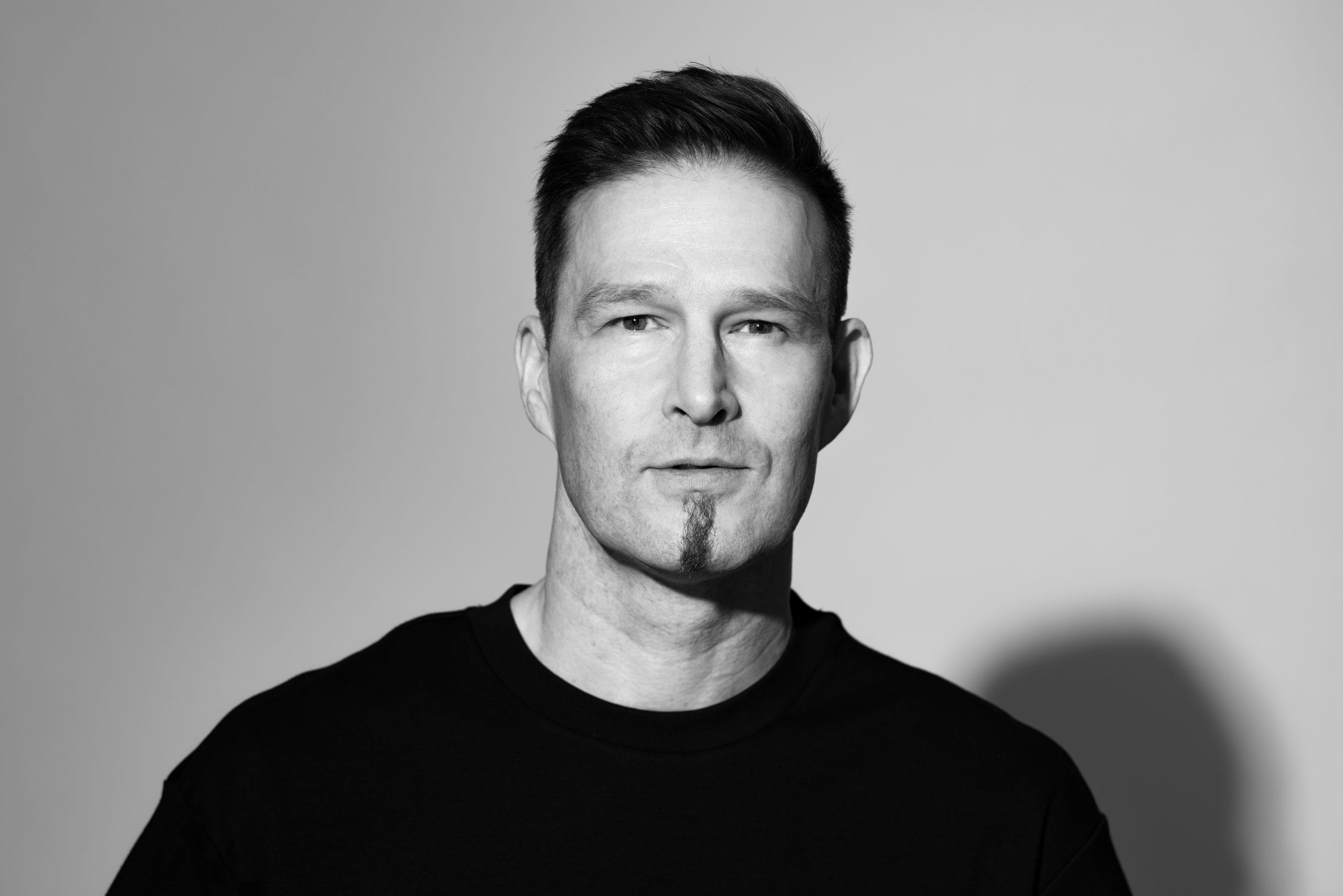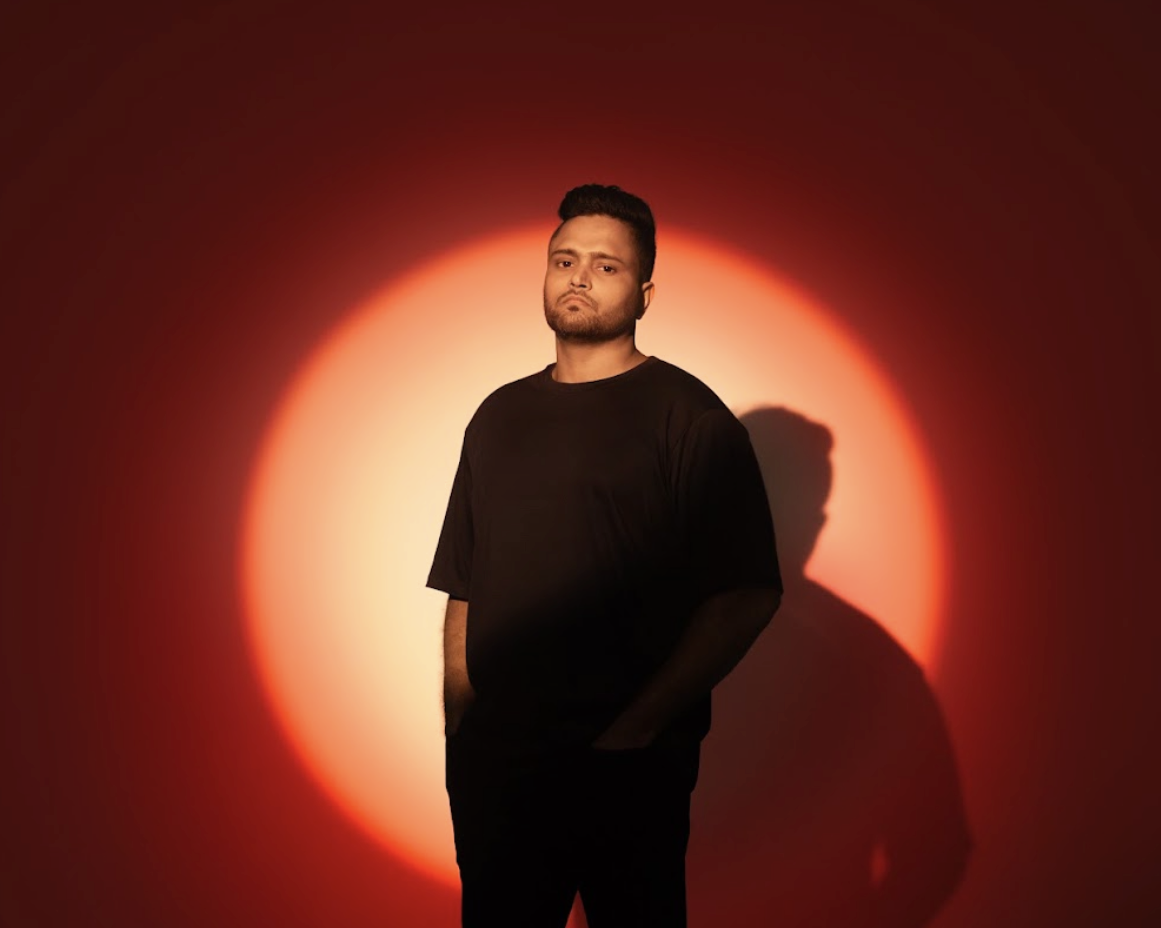
Enzo Vood (@enzo_vood) recently appeared alongside Aaron Suiss on “Self-Actualization,” released this summer on Magnetic Magazine Recordings. The track gave the label another patient, melodic club record built for gradual movement rather than cheap impact, which makes Enzo’s interview a natural extension of the release, and he talks about the shape of a set, pacing, preparation, and the way a crowd can bring a planned set to life.
That difference is important. Enzo prepares with a clear sense of where he wants a set to begin, how it should build, and where it should land, but he is not describing a rigid script. Location, time slot, crowd response, and the rest of the lineup all affect the final result. The direction comes from him, but the room changes how quickly that direction unfolds.
The interview below is built around that tension between preparation and response.
Enzo talks about warm-up sets, peak-time energy, longer arcs, surprise records, and a night at Spectre in Islamabad where the crowd gave the set even more than he expected. For a producer coming off “Self-Actualization,” the theme fits cleanly: growth in dance music is rarely only about the track itself. It is also about learning how to carry that track into a room with patience, timing, and intent.
Interview With Enzo Vood

When you’re preparing a set, what elements are you thinking about most — mood, flow, energy?
First of all, thank you for inviting me for this interview.
When I’m preparing a set, it really depends on the location, the time slot, and the role I’m playing in the lineup. If I’m doing a warm up set, I focus more on creating the right mood and atmosphere and slowly building the crowd into the night.
But if I’m playing during peak time, then I pay more attention to the energy and the flow of the set. I like to read the crowd and understand how they’re responding, rather than just following a fixed plan. For me, the most important thing is making sure the set feels like a journey and fits the moment.
Do you consciously think about the shape of a night, or does it reveal itself as you play?
For me, I definitely think about the shape of the night from the very beginning. Even before I start playing, I usually have a vision of how I want the set to develop, from the first track all the way to the last one.
I like to have that overall journey in my head, including where I want the energy to go and how I want to finish the set. But at the same time, I don’t want to be too rigid. The crowd and the atmosphere can always influence how I move through that journey. So I have a clear vision, but I’m always ready to adapt it while I’m playing.
How do you approach pacing across a longer set?
With a longer set, I like to think about the pacing as a journey. I usually start slow and warm, giving the crowd some time to settle into the atmosphere.
Then, little by little, I build the energy and take the crowd towards a peak. Once I reach that peak, that’s where I start telling my life story through the journey of the music.
From that point onwards, every transition, every change in mood, and every track becomes a part of that story. I take the crowd through different emotions and different moments, almost like they’re experiencing that journey with me.
For me, a long set is not just about building energy. It’s about taking people somewhere and telling a story through the music from the beginning until the end.

Do you usually anchor a set around a few key records, or build it more intuitively?
I’m someone who prepares my sets in advance, so rather than anchoring the set around just a few tracks and improvising everything else, I usually plan the entire set beforehand.
I think about how I want the journey to move from track to track, where I want the energy to rise, where I want to change the mood, and how I want the set to eventually reach its destination. Then I choose the tracks that fit into that journey.
So there’s a lot of preparation that goes into my sets. By the time I’m playing, I already have a clear vision of the journey I want to take the crowd through.

What helps you weave in surprise without losing coherence?
Because I prepare my sets in advance, I don’t really add a completely random track just for the sake of creating a surprise. Instead, within the journey I’ve already planned, I look for tracks that can create an unexpected moment.
Even though that track might feel surprising to the crowd, I make sure it naturally connects with the tracks before and after it. So from the crowd’s perspective, it can feel unexpected, but from my side, it’s still part of the overall story and the journey I’ve planned for the set.
For me, the best surprises are the ones that feel unexpected, but still make sense when you hear them within the context of the whole journey.

Can you recall a night where everything unfolded exactly as you envisioned?
Yeah, definitely. One night that really stands out for me was when I played at Spectre in Islamabad, Pakistan.
That was actually the kind of crowd I had always dreamed of playing for. I went into the night with a clear vision of how I wanted the set to unfold, and honestly, the response I got from the crowd was even better than I had imagined.
The support, the energy, and the way they connected with the music were incredible. Everything just came together naturally, and I felt like the journey I had planned from the beginning really unfolded exactly the way I had envisioned it.
I think that was one of those nights where all the preparation really paid off. The crowd gave me even more energy than I expected, and it became a night that I’ll always remember.
How much of that arc is planned, and how much emerges in the room?
A big part of the overall arc is planned in advance. From the beginning, I already have a clear idea of how I want the energy to build, where I want the mood to shift, and where I ultimately want to take the set.
But once I’m in the room, I’m constantly observing the crowd and their reaction. Rather than completely changing the journey I’ve planned, I adjust the timing and certain moments within that journey depending on what I’m getting from the room.
So I’d say the direction of the set comes from me, but how quickly and in what way that journey unfolds is something I decide together with the room.
That balance is what I really enjoy. The preparation gives me the direction, but the crowd gives that direction life.
Closing Thoughts
Enzo’s answers are most interesting because he is not trying to make spontaneity sound more important than preparation. He plans. He thinks about the beginning, the peak, the final destination, and the mood changes that will get the room there. The key is that he treats that plan as something alive once the crowd enters the equation. That is a better way to understand the DJ’s role than the usual binary between “pre-planned” and “fully improvised.”
That connects naturally with Aaron Suiss’ interview on why balance outside the booth matters inside it. Aaron spoke about grounding, health, and the mental side of DJing, which gives “Self-Actualization” a wider personal context. Enzo’s answers extend that record into the booth. Self-actualization is not only a title about inner work; in Enzo’s language, it is also the act of knowing your direction well enough to adapt without losing yourself.
His comments on pacing also sit beside Malcolm Zeller’s interview on preparing sets around city, room, and slot time. Zeller talked about narrowing a library for a specific market and testing the room while playing. Enzo is more openly narrative in how he describes the set, but both artists are thinking beyond track-by-track selection.
They are asking what the night needs before deciding what the next record should do.
There is another clean connection to Heaven INC. on building DJ sets like shared stories. Heaven INC. described the set as something shaped by mood, flow, key records, and the people in front of them. Enzo’s version is more planned in advance, but the shared premise is similar. A set has to feel like it is taking people somewhere, and the room has to feel included in how that path unfolds.
That is the most obvious editorial read on Enzo’s perspective. He wants a set to feel intentional without becoming locked. That requires more patience than simply reacting to every cheer, but more humility than refusing to move from the plan. The direction comes from the DJ.
The timing comes from the room. Somewhere between those two is where the set becomes memorable.

Will Vance is a professional music producer who has been involved in the industry for the better part of a decade and has been the managing editor at Magnetic Magazine since mid-2022. In that time period, he has published thousands of articles on music production, industry think pieces and educational articles about the music industry. Over the last decade as a professional music producer, Will Vance has also ran multiple successful and highly respected record labels in the industry, including Where The Heart Is Records as well as having launched a new label with a focus on community through Magnetic Magazine. When not running these labels or producing his own music, Vance is likely writing for other top industry sites like Waves or the Hyperbits Masterclass or working on his upcoming book on mindfulness in music production. On the rare chance he's not thinking about music production, he's probably running a game of Dungeons and Dragons with his friends which he has been the dungeon master for for many years.