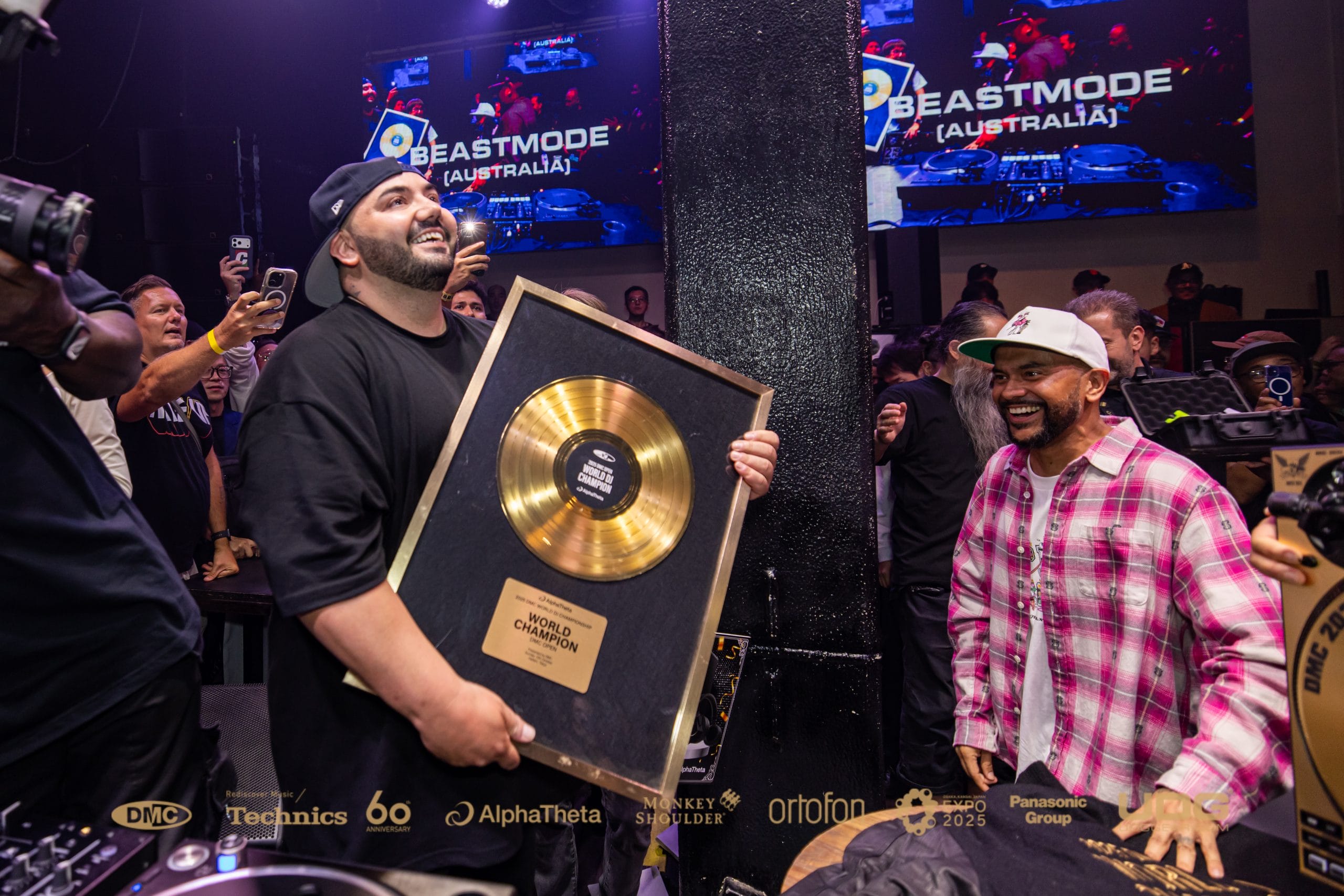
The 2026 DMC UK Final lands at Thekla in Bristol on Saturday, September 12, putting one of DJ culture’s most respected competitions inside a venue with its own deep musical history. From 5pm to 10pm, the UK’s turntablists will compete across Classic, Scratch, and Supremacy categories, with winners moving on to represent the country at the DMC World Finals in London this November.
Presented by Technics, the event brings the competitive side of DJing back to a format that exposes technique, pressure, timing, and creativity in real time.
That is still the best part of DMC. It strips DJing down to physical command.
There is no hiding behind a long festival set, a forgiving transition, or the energy of a stacked bill doing half the work. The routines are judged on skill, control, musicality, risk, and how well a DJ can turn turntables and a mixer into an instrument. In an era when DJ culture is often discussed through streaming clips, branding, and lineups, DMC remains one of the few formats in which the mechanics are impossible to fake.
We covered the wider DMC return earlier this summer in our article on DMC41 coming back to London with a Camden Market launch party, and the Bristol UK Final now becomes the next key step in that same 2026 arc. London gets the Finals in November. Bristol gets the moment where the UK chapter sharpens into focus.

The Categories Keep the Competition Honest
The UK Final is built across three disciplines: Classic, Scratch, and Supremacy.
Each one tests a different part of turntablism, which is why the competition still carries weight after four decades. Classic gives DJs six minutes to build polished routines that balance technical command with showmanship. Scratch compresses the challenge into sharper 16-bar displays of technique. Supremacy turns the pressure into a head-to-head knockout format, with DJ Rasp and Statik facing off for the title.
This year’s competitors include DJ Rasp, Huw Wackman, Mr Big Mouth, Revrt, Scratch Master Slider, Simon T, Tommy P Nuts, DJ JTL, Felix The Kut, Kutclass, and Statik. They arrive after coming through the heats, which gives the Bristol final a proper competitive charge before the winners head toward the 2026 Finals at KOKO in Camden.
That competitive rigor is part of why DMC still matters to DJ culture. Scratch routines and battle formats can look niche from the outside, but their influence runs through club DJing, hip-hop, bass music, controllerism, and modern performance setups. We have touched on that history before in our older feature on C2C and turntablism, where the larger point still holds: when turntablism is done at a high level, it becomes composition, not decoration.
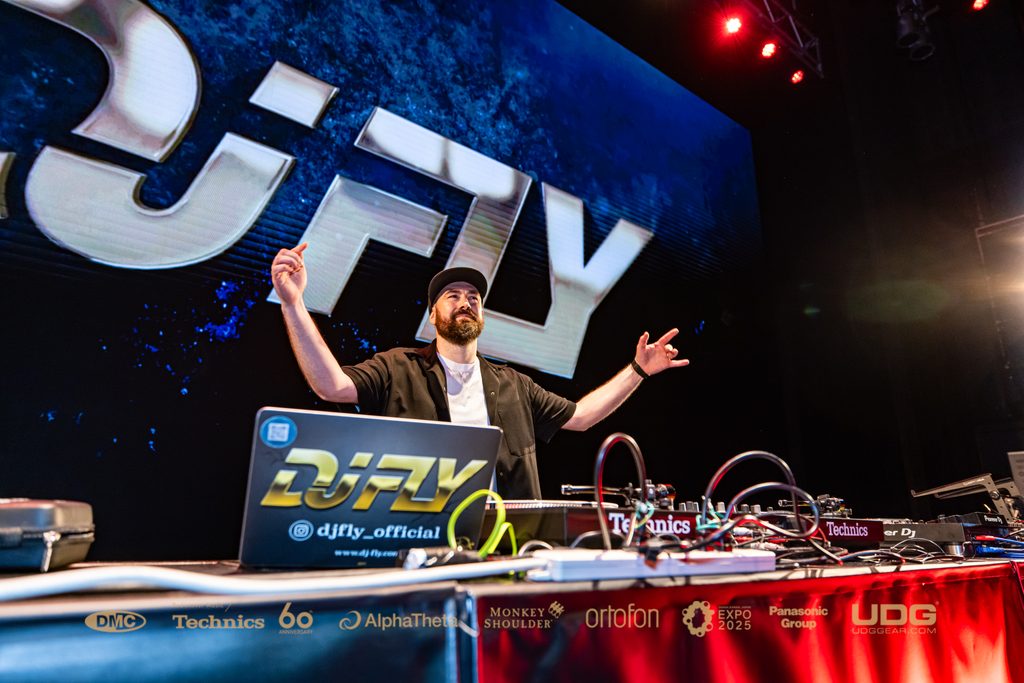
The Bill Connects Generations of UK DJ Culture
Thekla’s program extends far beyond the competitors.
Cutmaster Swift hosts and judges, bringing the event back to one of the UK names most closely tied to DMC history. His 1989 DMC World Championship win remains part of the culture’s foundation, and having him involved gives the final a direct line to the era when battle DJing was still defining much of its language in public.
The live and judging lineup also brings together several generations of UK DJ culture. Mr Thing, part of the World Champion-winning Scratch Perverts team in 1999, brings another direct link to battle history. JFB, winner at the 2021 World Finals and a decorated UK champion, represents the kind of DJ who has carried turntablism into party environments without losing the technical base. The Nextmen, Sarah Love, Jaz Kahina, and NikNak broaden the bill to include hip-hop, turntablism, live performance, and contemporary club culture.
That matters because DMC is strongest when it feels like a living scene instead of an archive. The history is essential, but the room still needs to move. A bill like this gives the audience multiple ways into the night: battle routines, live sets, judging insight, classic references, new voices, and the local Bristol community all sharing the same ship.
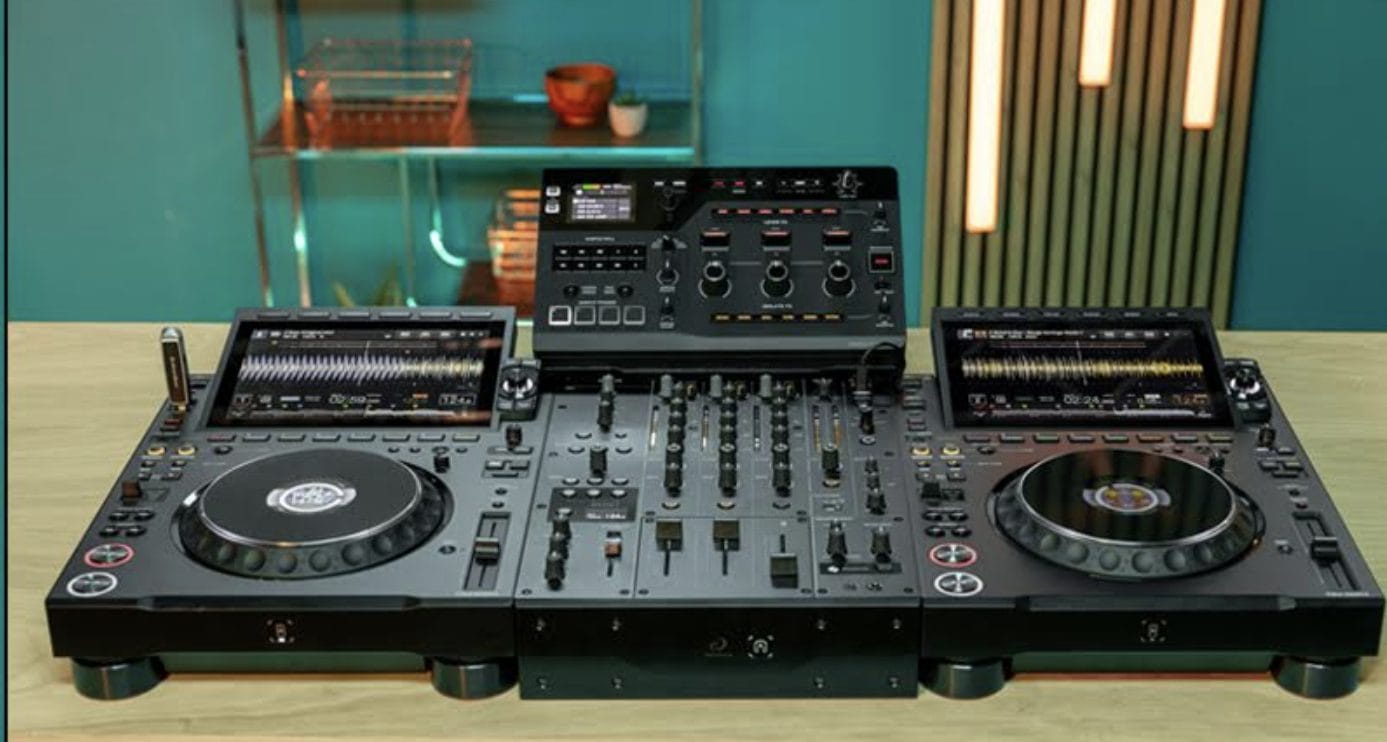
There is also a gear angle running underneath all of this. Turntablism has always pushed DJ hardware into performance territory, from battle mixers to motorized controllers to DVS systems. Our article on the RANE TWELVE being accepted as official DMC performance hardware is a good companion read because it shows how the competition continues to negotiate tradition and modern DJ technology without losing the discipline at the center.
Bristol Sets Up the Road to London
The 2026 DMC World Finals return to London this November at KOKO in Camden, following the DMC40 anniversary edition in Tokyo in 2025. That gives the Bristol UK Final a clear role in the wider calendar. It is where the country’s finalists make their last competitive case before the international stage comes into view.
That is why this feels like more than a qualifying event.
It is a reminder that DJ culture still has competitive spaces where skill is measured in public, where routines have to survive scrutiny, and where the next step is earned in front of people who care about the craft. The UK Final is about titles, yes, but it is also about continuity: from Roger Johnson becoming the first UK and World Champion in 1985 to the current finalists stepping into Bristol for their shot at London.
Tickets for the DMC UK Final at Thekla are available now from £20 plus booking fee via Skiddle. Doors open at 5pm, last entry is 9pm, and the event ends at 10pm. The event is open to ages 14 and over, with under-18s needing to be accompanied by a responsible adult.

Magnetic byline note: This byline is used for staff produced updates and short announcements, often based on press materials and official release information. Editorial responsibility: David Ireland (Editor in Chief) and Will Vance (Managing Editor). About: https://magneticmag.com/about/ Masthead: https://magneticmag.com/masthead/ Contact: https://magneticmag.com/contact/