Music tech accessibility often gets discussed too late.
A product is built, shipped, praised for its features, then someone eventually asks whether blind or visually impaired musicians can actually learn the thing without someone else sitting beside them. That timing is the problem. Access becomes an add-on, when it should shape how the instrument is explained, taught, and used from the beginning.
Roland Future Design Lab’s V-STAGE Accessibility Guide points in the better direction.
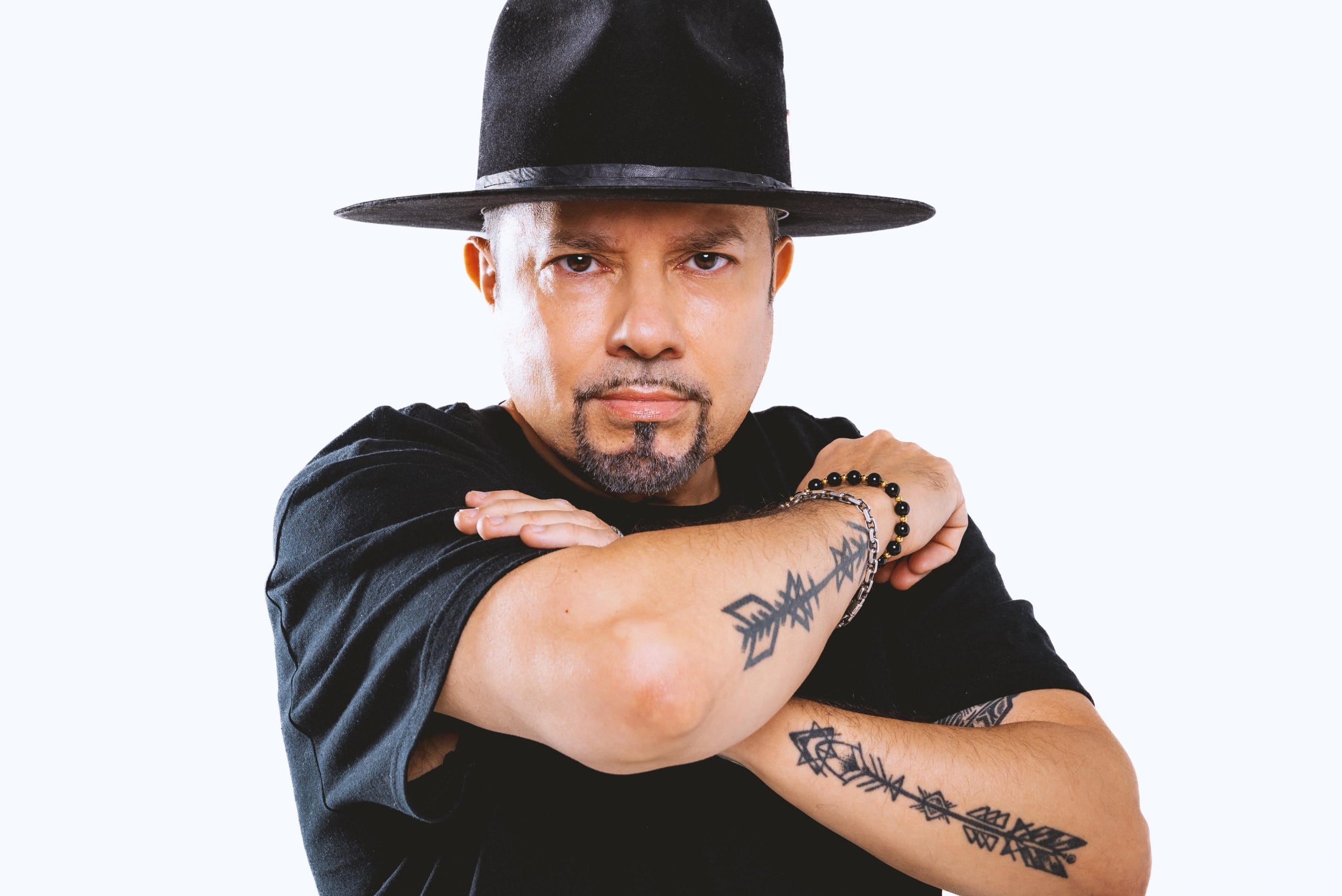
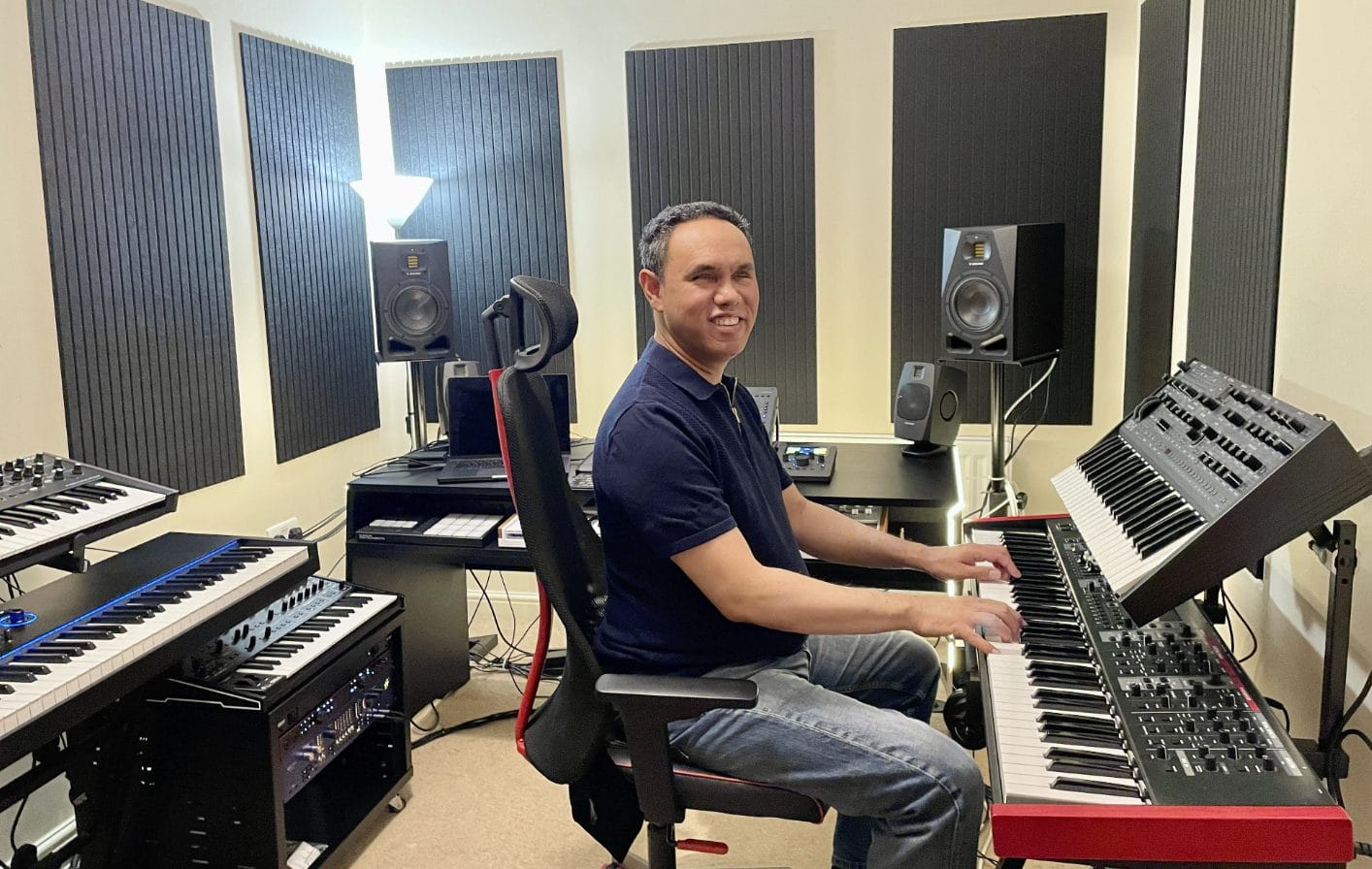
The project was developed with Jason Dasent, a blind Trinidadian musician, producer, and accessibility consultant based in the UK. The goal is direct: make Roland’s V-STAGE Performance Keyboard fully learnable for blind and visually impaired musicians through documentation that matches how the instrument is physically used.
That last part is key!
The V-STAGE was chosen because its design is tactile, with a near one-to-one relationship between physical controls and instrument parameters. For a sighted user, that might read like normal performance-keyboard design. For a blind musician, that can become the foundation for muscle memory, confidence, and independent use.
Jason Dasent chose the right instrument for the job
The V-STAGE accessibility project came from Dasent’s own read of the instrument.
Paul McCabe, SVP of Research and Innovation at Roland Future Design Lab, says the V-STAGE was Dasent’s idea because he recognized that a keyboard built around physical, one-to-one controls could become one of Roland’s most accessible instruments if the learning materials were built with the same intent.
That is the important shift here. Roland is not only adding a technical accommodation. It is rebuilding the learning layer around how blind and visually impaired musicians map an instrument in memory.
Dasent puts it clearly: “The V-STAGE already speaks the language blind musicians need: tactile, consistent, and built for muscle memory. All that was missing was documentation that met us halfway.”
That quote should sit near the center of the story because it names the gap precisely. The hardware already had accessible potential. The documentation needed to catch up.
We have covered Dasent’s work before in our Point Blank feature on producing Caribbean music as a visually impaired artist, and this Roland project feels like a logical extension of that larger career: access is not a theoretical issue for him. It is tied to daily creative practice.
The documentation is the product layer most companies ignore
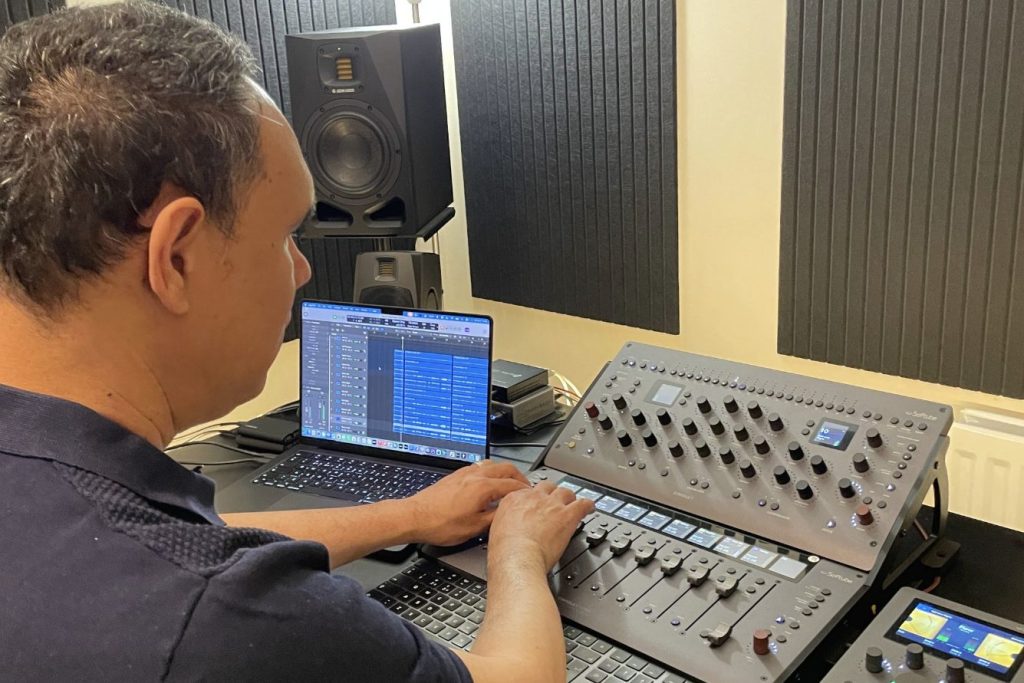
The new V-STAGE accessibility suite covers every operational section of the keyboard, including the organ, piano, and synth engines, the effects section, and the rear panel.
It includes three main learning formats: screen-reader-friendly written documentation, section-by-section audio walkthroughs, and video instruction with detailed audio descriptions. The materials use consistent tactile language, which matters because blind users need repeatable physical references, not vague visual cues.
That kind of language can decide whether an instrument feels possible to learn alone. “Look at the upper-left section” does not help if the entire learning method is based on touch, control spacing, panel geography, and muscle memory. A better accessibility document has to describe the instrument as a physical map.
That is why this project feels more serious than a simple accessible PDF. It tries to make the V-STAGE teachable from the user’s perspective.
I think about this beside our article on Native Instruments’ Accessibility Helper tool for MASCHINE MK3, because the same deeper issue keeps appearing: music technology can be powerful and still locked away if the learning path depends too much on sight.
Roland should treat this as a blueprint
The most important thing about the V-STAGE Accessibility Guide is that it can become a repeatable model.
A modern instrument is not finished when the hardware works. It is finished when musicians can learn it, trust it, and perform with it. For blind and visually impaired creators, that means accessibility has to reach the manual, walkthroughs, videos, product pages, control descriptions, support channels, and every step between opening the box and playing a set.
Roland has the right partner in Jason Dasent, and the V-STAGE seems like the right starting point because its physical design already supports tactile learning.
The next question is how far Roland takes the lesson.
If this project stays limited to one keyboard, it will still help V-STAGE users who need it. If Roland turns the process into a wider accessibility practice across more instruments, the proof of concept becomes something much bigger: a new standard for how music tech companies teach hardware to people who do not learn by sight.
That is the part worth watching.

Will Vance is a professional music producer who has been involved in the industry for the better part of a decade and has been the managing editor at Magnetic Magazine since mid-2022. In that time period, he has published thousands of articles on music production, industry think pieces and educational articles about the music industry. Over the last decade as a professional music producer, Will Vance has also ran multiple successful and highly respected record labels in the industry, including Where The Heart Is Records as well as having launched a new label with a focus on community through Magnetic Magazine. When not running these labels or producing his own music, Vance is likely writing for other top industry sites like Waves or the Hyperbits Masterclass or working on his upcoming book on mindfulness in music production. On the rare chance he's not thinking about music production, he's probably running a game of Dungeons and Dragons with his friends which he has been the dungeon master for for many years.