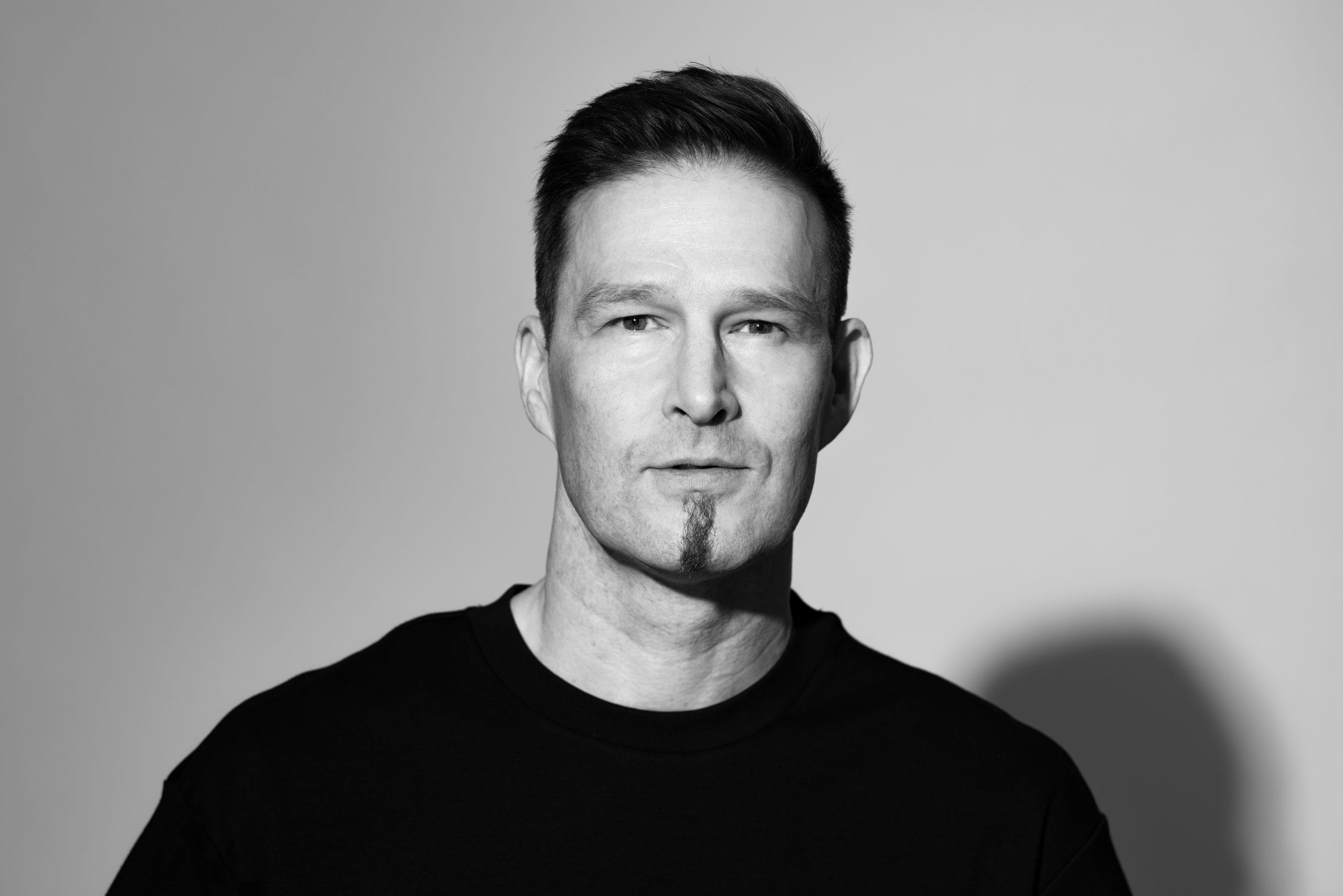
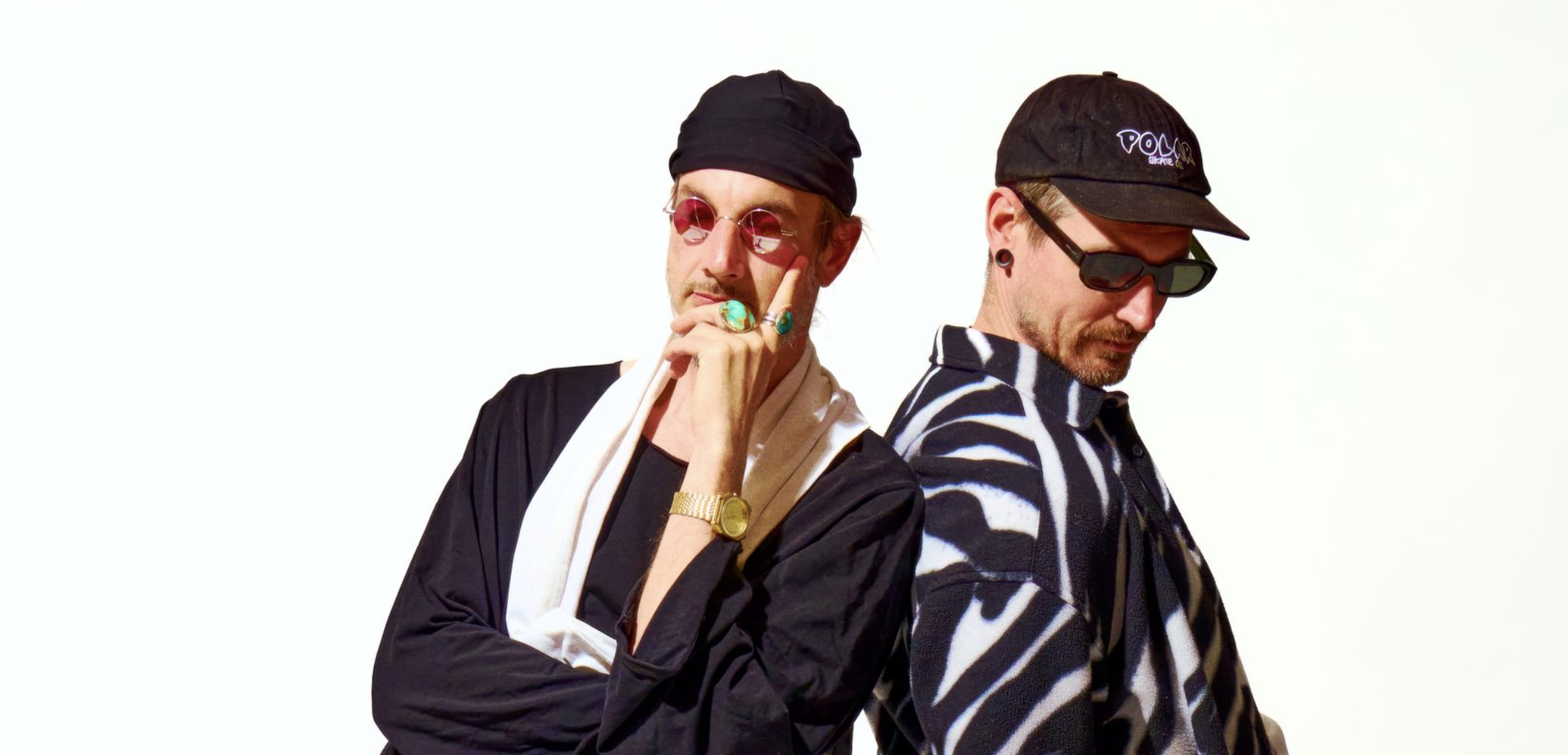
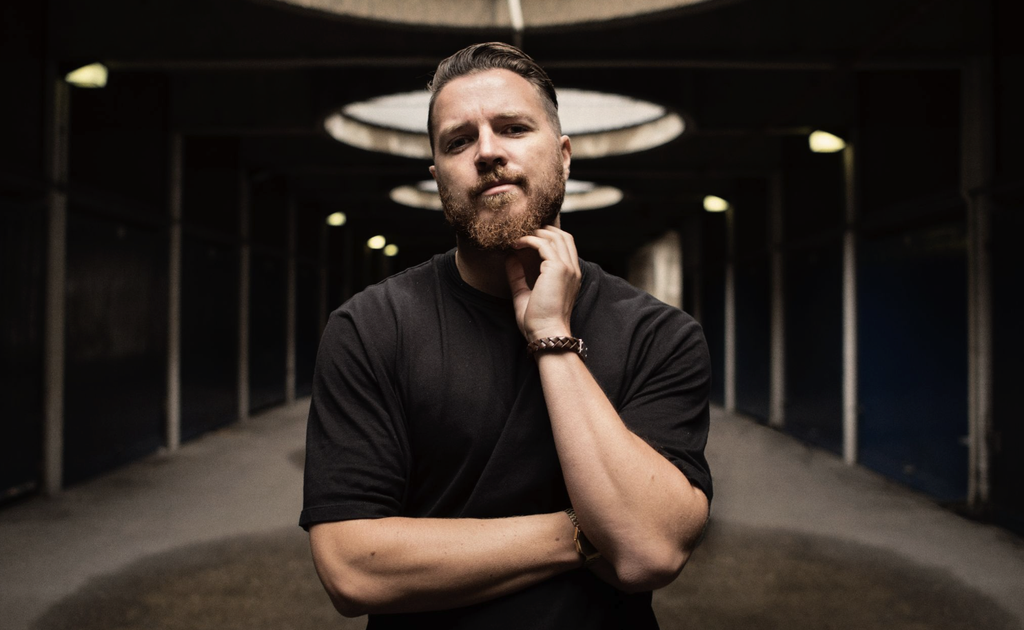
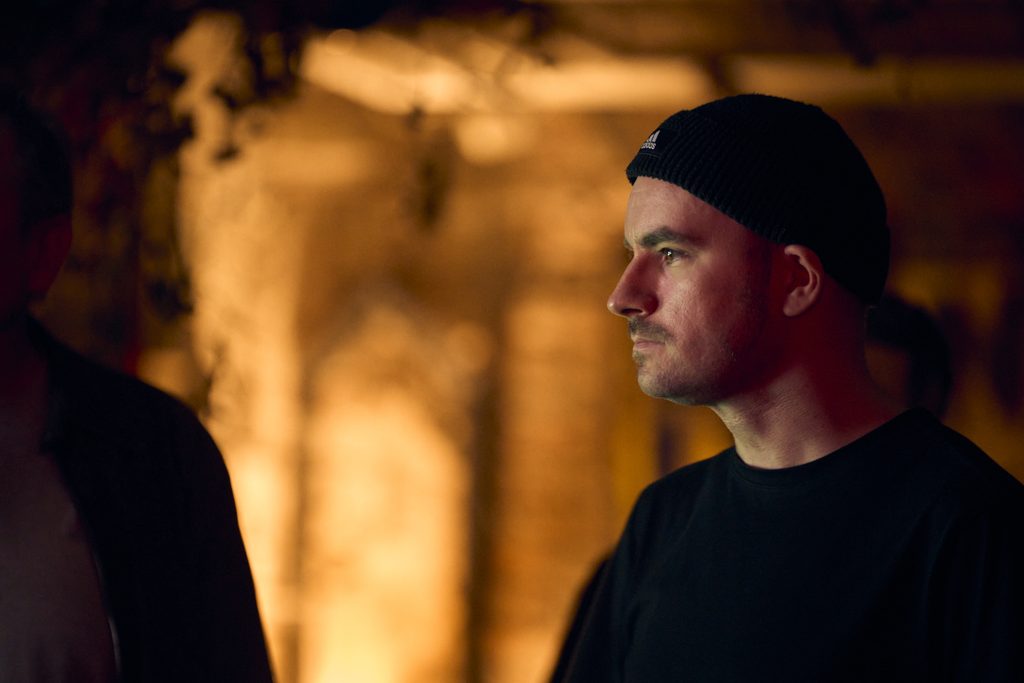
Above Image Cred: Lindsay Barchan
36db.live’s Sasha Environment caught my attention because it treats production education differently from the usual preset-pack cycle. The company’s approach is built around access to real Ableton projects from artists with a defined workflow, then presenting those sessions in a way that producers can study without being pushed toward another plugin purchase.
I reviewed the Sasha Environment earlier this month and gave it an Editor’s Choice award because it worked as a learning tool as much as a production resource. The value came from seeing how arrangement choices, sound selection, routing, and session structure work inside a real project, rather than getting a flat set of sounds removed from context. For Ableton users who already understand the software, that kind of access can help sharpen decision-making inside a session.
That educational angle also runs through this interview with producer, engineer and DJ, and co-founder of the production tools company 36db Dave Gardner (pictured left on the image above), who explains why 36db.live created its Environments in the first place.
His answers point back to a clear goal: help producers focus on ideas, learn from real artist decisions, and leave with a better sense of how to finish music without assuming the next plugin or sample pack will fix the problem.

Interview With Dave Gardner
What made you want to start 36db.live, and what gap did you feel was missing in production education?
We just felt people were being told they needed every plugin and sample pack under the sun to make music, and that’s simply not true. We wanted to make it accessible so people could focus on the thing that actually matters: the idea.
How do you approach building an Environment around an artist without reducing their process into a basic “sound like this” formula?
We keep their actual setup and decisions intact, so what you’re learning from is genuinely them, not a “how to sound like them” cheat sheet.
What separates a 36db.live Environment from a standard Ableton template or preset pack?
Our Environments aren’t strictly templates. A template gives you a starting point; an Environment shows you how someone actually thinks and works inside a project. Once you know the basics of Ableton, what you need next is exposure to real decision making, and that’s what these give you.
When you’re preparing an artist’s project for release as an Environment, what does that process look like?
We go into the artist’s actual project, strip out anything that’s just noise, and structure it so someone else can open it up, see how it’s built, and understand the why behind each choice, not just copy the what.
What would success look like for 36db.live as producers start working with these Environments?
Honestly, it’s when people stop feeling intimidated by production and start finishing ideas. If 36db.live becomes something producers use for helping them find their own sound rather than just their toolkit, that’s success to us.

Will Vance is a professional music producer who has been involved in the industry for the better part of a decade and has been the managing editor at Magnetic Magazine since mid-2022. In that time period, he has published thousands of articles on music production, industry think pieces and educational articles about the music industry. Over the last decade as a professional music producer, Will Vance has also ran multiple successful and highly respected record labels in the industry, including Where The Heart Is Records as well as having launched a new label with a focus on community through Magnetic Magazine. When not running these labels or producing his own music, Vance is likely writing for other top industry sites like Waves or the Hyperbits Masterclass or working on his upcoming book on mindfulness in music production. On the rare chance he's not thinking about music production, he's probably running a game of Dungeons and Dragons with his friends which he has been the dungeon master for for many years.